Future of Wellness: Top Tech Trends 2026

Anúncios
The landscape of personal well-being is undergoing a profound transformation, driven by relentless innovation in technology. As we peer into 2026, it’s clear that the convergence of advanced data analytics, artificial intelligence, and sophisticated sensor technology is not just enhancing, but fundamentally redefining, what it means to manage our health. The focus is shifting from reactive treatment to proactive prevention, from generic advice to hyper-personalized interventions. This article delves deep into the most impactful wellness tech trends set to revolutionize self-care in the coming years, offering a glimpse into a future where optimizing our physical and mental health is more accessible, integrated, and intelligent than ever before.
For decades, the concept of ‘wellness’ has evolved. What began as a focus on simply not being sick has broadened into a holistic pursuit of physical, mental, and emotional thriving. Technology has consistently played a supporting role, from pedometers to early fitness trackers. However, the current wave of innovation represents a quantum leap. We are no longer just tracking steps; we are analyzing sleep architecture, predicting illness, optimizing nutrient intake at a cellular level, and even modulating our mood through neuro-stimulation. These aren’t just incremental improvements; they are paradigm shifts that empower individuals with unprecedented control and insight into their own bodies and minds.
Anúncios
The acceleration of these wellness tech trends is fueled by several factors. Miniaturization of sensors allows for discreet, continuous monitoring. Advances in AI enable complex data interpretation, turning raw physiological signals into actionable insights. The proliferation of connected devices creates ecosystems where data from various aspects of our lives can be integrated for a more complete picture. Furthermore, a growing global awareness of preventative health and mental well-being has created a fertile ground for these technologies to flourish. People are actively seeking tools to help them live longer, healthier, and happier lives, and technology is rising to meet that demand with increasingly sophisticated solutions.
The Rise of Hyper-Personalized Health Monitoring
One of the most significant wellness tech trends for 2026 is the move towards hyper-personalized health monitoring. Gone are the days of one-size-fits-all health advice. Future devices will leverage a combination of continuous biometric data, genetic information, lifestyle inputs, and even environmental factors to create a truly bespoke health profile for each individual. This isn’t just about knowing your heart rate; it’s about understanding how your unique physiology responds to stress, diet, exercise, and sleep patterns in real-time.
Anúncios
Advanced Wearables: Beyond the Wrist
While smartwatches have paved the way, 2026 will see an explosion of wearables that go beyond the wrist. Smart rings, intelligent patches, and even ‘smart fabrics’ will offer more discreet and accurate data collection. These devices will monitor a wider array of metrics, including continuous glucose monitoring (non-invasively), advanced sleep stage analysis, core body temperature fluctuations, blood oxygen saturation, and even early indicators of viral infections. The data collected will be far richer and more nuanced, allowing for predictive analytics that can alert users to potential health issues before symptoms even appear.
AI-Powered Data Interpretation and Predictive Analytics
The true power of these advanced wearables lies not just in data collection, but in the intelligent interpretation of that data. AI algorithms will be at the heart of this. They will learn individual baselines, identify subtle deviations, and offer personalized insights. For example, an AI might detect a pattern of elevated resting heart rate combined with disturbed sleep and suggest specific stress-reduction techniques or recommend a mild adjustment to your exercise routine. This predictive capability is a game-changer, moving us from merely tracking health to actively managing and optimizing it.
Genomic Data Integration for Tailored Wellness
The integration of an individual’s genomic data with real-time biometric readings will unlock unprecedented levels of personalization. Imagine a system that not only knows your current metabolic state but also understands your genetic predispositions to certain conditions or your unique responses to specific nutrients. This will allow for dietary recommendations, exercise plans, and supplement regimens that are perfectly tailored to your genetic makeup and current physiological needs, maximizing effectiveness and minimizing guesswork. This level of personalized insight is a cornerstone of the future of wellness tech trends.
Revolutionizing Mental Well-being with Tech
Mental health has rightly taken center stage in recent years, and technology is emerging as a powerful ally. The wellness tech trends in this domain for 2026 are focused on making mental health support more accessible, personalized, and effective, moving beyond traditional therapy models alone.
Immersive VR/AR for Stress Reduction and Therapy
Virtual Reality (VR) and Augmented Reality (AR) are set to play a pivotal role in mental well-being. Imagine stepping into a calming virtual forest after a stressful day, or practicing mindfulness in an AR environment that overlays soothing visuals onto your real surroundings. VR/AR applications are already being developed for exposure therapy, anxiety reduction, and even pain management. By 2026, these immersive experiences will be highly sophisticated, offering personalized therapeutic environments and guided meditations that respond to a user’s real-time physiological indicators, such as heart rate variability or skin conductance.

AI-Powered Emotional Support and Digital Companions
AI chatbots and digital companions are becoming increasingly sophisticated, offering a new layer of emotional support. While not replacements for human therapists, these AI systems can provide immediate, accessible support for managing daily stress, practicing cognitive behavioral therapy (CBT) techniques, and offering a non-judgmental space for users to express themselves. By 2026, these AI companions will be even more empathetic, capable of understanding nuanced emotional states through voice analysis and textual input, and offering personalized coping strategies and resources. They will learn from user interactions, becoming more effective over time in providing relevant and timely support.
Neurofeedback Devices and Brain-Computer Interfaces (BCIs) for Mood Regulation
The frontier of mental wellness tech also includes advancements in neurofeedback devices and nascent Brain-Computer Interfaces (BCIs). Neurofeedback, which involves training brain activity through real-time displays, is becoming more user-friendly and accessible. These devices can help individuals learn to regulate brainwaves associated with stress, focus, and relaxation. While full BCIs for everyday use are still further off, simpler, non-invasive BCI-like devices could emerge to help modulate mood, enhance focus, or aid in sleep by delivering targeted, subtle electrical or magnetic stimulation. These technologies represent a direct interface with our neural pathways, offering unprecedented control over our mental states and marking a significant leap in wellness tech trends.
The Integration of Digital Therapeutics and Preventative Care
The future of wellness is not just about tracking; it’s about active intervention and prevention. Digital therapeutics (DTx) are a rapidly expanding area, offering clinically validated, software-based interventions to prevent, manage, or treat a medical disorder or disease. This is a crucial component of the evolving wellness tech trends landscape.
Prescription Digital Therapeutics (PDTs)
By 2026, Prescription Digital Therapeutics (PDTs) will be a more common fixture in healthcare. These are software programs, often delivered via apps, that are prescribed by doctors to treat conditions like insomnia, ADHD, substance abuse, and even chronic pain. Unlike general wellness apps, PDTs undergo rigorous clinical trials and regulatory approval, proving their efficacy and safety. This integration of technology directly into the medical treatment pathway signifies a maturation of wellness tech, moving it from supplementary to essential.
AI-Driven Preventative Health Strategies
The vast amounts of data collected by wearables and other health tech devices, combined with AI, will power highly sophisticated preventative health strategies. AI algorithms will be able to identify individuals at high risk for developing chronic diseases like type 2 diabetes or cardiovascular disease, not just based on family history, but on subtle, real-time physiological markers and lifestyle patterns. This early identification allows for proactive interventions, such as personalized diet and exercise plans, stress management techniques, and targeted health coaching, long before a condition becomes symptomatic. This shift from reactive treatment to proactive prevention is perhaps the most impactful of all wellness tech trends.
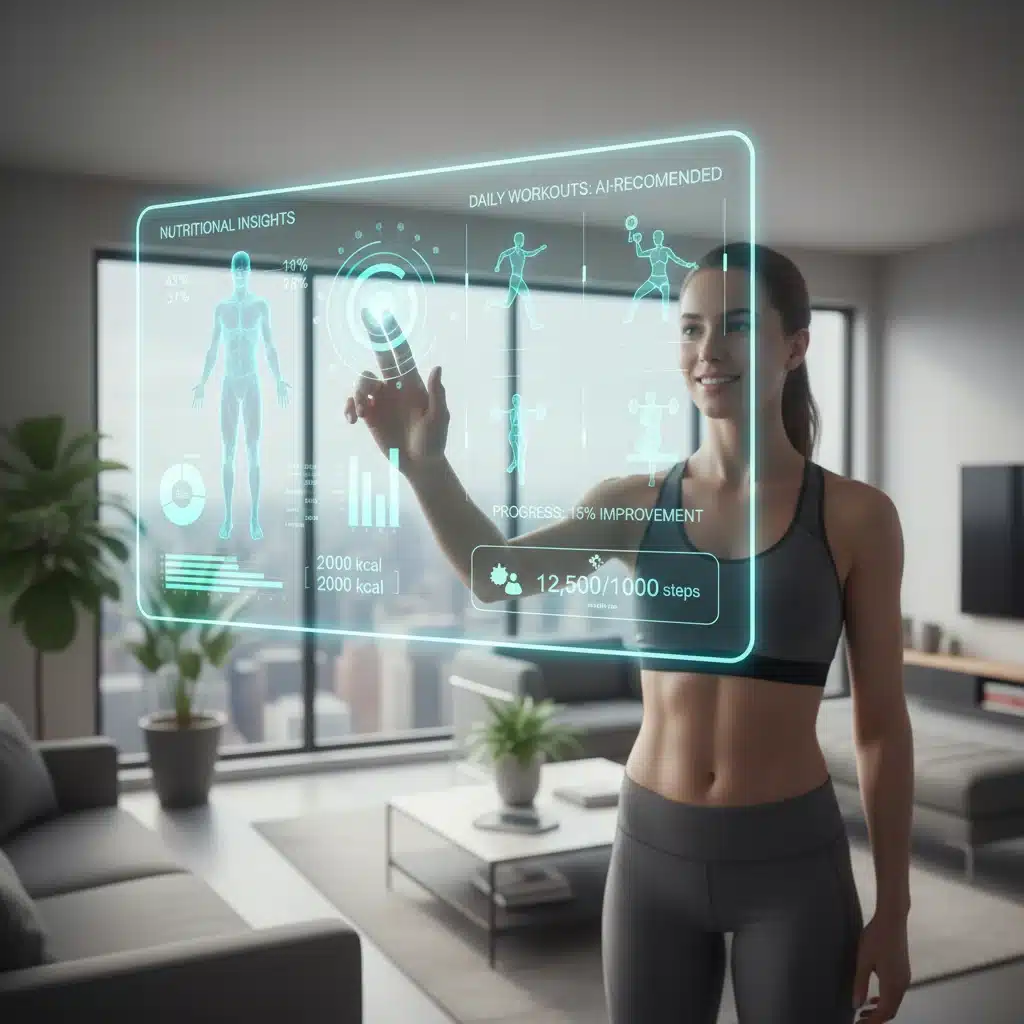
Personalized Nutrition and Hydration Systems
Nutrition and hydration, fundamental pillars of wellness, are also being revolutionized. Imagine a future where a smart kitchen device analyzes your food intake, cross-references it with your biometric data (from your smart ring, for example), and your genetic profile, then suggests personalized recipes or even dispenses custom nutrient blends. Smart water bottles already track hydration, but by 2026, these systems will be integrated with your overall health profile, advising on optimal fluid intake based on your activity levels, environmental conditions, and individual needs. This level of personalized nutritional guidance moves beyond general recommendations to precise, data-driven optimization for peak performance and health.
Ethical Considerations and the Future of Data Privacy
As wellness tech trends advance and more intimate personal data is collected, ethical considerations surrounding data privacy, security, and algorithmic bias become paramount. The trust users place in these technologies is directly linked to how responsibly their data is handled.
Ensuring Data Security and User Control
Robust encryption, secure storage, and transparent data usage policies will be non-negotiable. Users will demand greater control over who has access to their health data and how it is utilized. Regulations similar to GDPR and HIPAA will likely evolve to specifically address the unique challenges posed by continuous biometric data collection. Companies developing wellness tech must prioritize security by design, making it an integral part of their product development rather than an afterthought.
Addressing Algorithmic Bias and Equity
AI algorithms are only as unbiased as the data they are trained on. If wellness tech is predominantly developed and tested on a narrow demographic, its effectiveness and accuracy may be compromised for others. Addressing algorithmic bias is crucial to ensure that these technologies benefit everyone equitably. This means incorporating diverse datasets, promoting ethical AI development practices, and regularly auditing algorithms for fairness and accuracy across different populations. The goal is to ensure that these powerful wellness tech trends do not inadvertently exacerbate existing health disparities.
The Balance Between Convenience and Privacy
There will be an ongoing societal dialogue about the balance between the convenience and benefits offered by pervasive health monitoring and the inherent desire for privacy. Users will need to make informed decisions about the trade-offs. Wellness tech companies will need to clearly articulate these trade-offs and empower users with granular control over their data sharing preferences. Building trust through transparency will be key to the widespread adoption and long-term success of these innovative solutions.
The Impact on Healthcare Systems and Lifestyle
The widespread adoption of these wellness tech trends will have far-reaching implications, not just for individuals, but for entire healthcare systems and societal lifestyles.
Shifting Healthcare from Curative to Preventative
With advanced monitoring and AI-driven insights, healthcare systems can shift their focus dramatically from treating illness to preventing it. Doctors will have access to more comprehensive, real-time data about their patients’ health, enabling more informed decisions and proactive interventions. This could lead to a reduction in chronic disease burden, lower healthcare costs, and a healthier population overall. Telemedicine will also become even more sophisticated, with remote diagnostics and monitoring becoming standard practice, further integrating wellness tech into mainstream medical care.
Empowering Individual Self-Management
Individuals will be more empowered than ever to take charge of their own health. The accessibility of personalized data and actionable insights will foster a culture of self-management and proactive health-seeking behavior. People will become more attuned to their bodies’ signals and better equipped to make informed lifestyle choices. This empowerment is a core benefit of the emerging wellness tech trends, fostering greater health literacy and autonomy.
New Economic Models and Industries
The growth of wellness tech will inevitably spawn new economic models and industries. We will see an increase in personalized health coaching services leveraging AI insights, specialized clinics focusing on preventative care powered by digital tools, and a booming market for innovative health devices and software. The ‘health economy’ will expand beyond traditional medical services to encompass a wide array of tech-driven wellness solutions, creating jobs and driving further innovation.
Conclusion: A Healthier, More Connected Future
The year 2026 promises a future where personal wellness is deeply intertwined with cutting-edge technology. From hyper-personalized health monitoring that understands our unique physiology to immersive VR experiences that soothe our minds, and AI-driven digital therapeutics that prevent illness, the wellness tech trends on the horizon are set to transform how we approach health and self-care. These innovations offer unprecedented opportunities for individuals to gain deeper insights into their bodies and minds, empowering them to live healthier, more balanced, and fulfilling lives.
However, with this immense potential comes the responsibility to navigate ethical considerations surrounding data privacy, security, and equitable access. As these technologies become more integrated into our daily lives, ensuring transparency, user control, and unbiased development will be crucial for building trust and realizing the full benefits of this wellness revolution. The future of wellness is not just about more gadgets; it’s about a smarter, more connected, and ultimately, a healthier human experience.