Collecting American Folk Art: 7 Expert Tips for Identifying Authentic Pieces (INSIDER KNOWLEDGE)
Anúncios
The allure of authentic American folk art is undeniable. These pieces, born from the hands of everyday individuals, tell stories of a nation’s past, reflecting the ingenuity, creativity, and daily lives of ordinary people. From weather vanes to whirligigs, painted furniture to stoneware, each item carries a unique charm and historical significance. However, the world of folk art collecting, while rewarding, is also fraught with challenges, particularly when it comes to distinguishing genuine articles from clever reproductions or outright fakes. For both seasoned collectors and passionate newcomers, understanding how to identify truly authentic American folk art is paramount. This comprehensive guide will equip you with seven expert tips, offering insider knowledge to help you navigate this fascinating market with confidence and build a collection that truly stands the test of time.
Anúncios
Collecting authentic American folk art is more than just acquiring objects; it’s about preserving history, appreciating craftsmanship, and connecting with the cultural narrative of America. The beauty of folk art lies in its unpretentious nature, its directness, and its often-unconscious artistic merit. Unlike academic art, folk art was typically created by self-taught artists for utilitarian purposes or personal expression, often using locally available materials. This very characteristic, however, can make authentication a complex endeavor. Without formal artist signatures or extensive documentation, collectors must rely on a keen eye, historical knowledge, and an understanding of the subtle nuances that define genuine pieces. Our journey into the world of authentic American folk art begins with the foundational principle of all collecting: research.
Anúncios
1. Understand Provenance: The History of Ownership
One of the most critical aspects when seeking authentic American folk art is understanding its provenance. Provenance refers to the history of ownership of a work of art or an antique, tracing its journey from its creation to its current possession. A strong, documented provenance acts as a powerful indicator of authenticity, providing a verifiable timeline and often shedding light on the piece’s origins and significance. For instance, if a piece of folk art has been passed down through generations within a single family and documentation exists, such as old photographs showing the item in its original setting, family letters mentioning it, or even old sales receipts, this significantly enhances its credibility.
When evaluating provenance, look for clear, consistent records. While not every piece of folk art will come with an impeccable paper trail, the more information you can gather, the better. Ask sellers about the item’s history: where did it come from? Who owned it previously? How long have they had it? Reputable dealers will often be able to provide at least some level of provenance, even if it’s verbal. Be wary of items with vague or non-existent histories. While it’s possible for a genuine piece to lack detailed provenance, it increases the risk of acquiring a reproduction. Cross-referencing stories with historical facts or known collection histories can also help validate claims. For important pieces, a detailed provenance might include exhibition history, previous auction records, or mentions in scholarly publications. This meticulous approach to understanding provenance is a cornerstone of identifying truly authentic American folk art.
Furthermore, understanding provenance isn’t just about verifying authenticity; it also enriches the story of the piece itself. Knowing that a certain weather vane once adorned a specific colonial barn or that a painted chest belonged to a particular early American family adds layers of depth and connection to the object. This historical narrative is a significant part of what makes collecting authentic American folk art so rewarding. It transforms an object into a tangible link to the past, a silent witness to history. Always prioritize pieces with a verifiable history, as this significantly reduces the risk of misattribution or acquiring a counterfeit. A well-documented history can also greatly increase the value of an authentic American folk art piece.
2. Analyze Materials and Construction: The Clues Within
The materials used and the methods of construction are invaluable clues when determining the authenticity of American folk art. Folk artists typically utilized readily available, often humble, materials and employed traditional, often hand-hewn, construction techniques. Modern reproductions, on the other hand, frequently use contemporary materials or manufacturing processes that, upon close inspection, betray their recent origin.
Wood: Patina, Tool Marks, and Species
For wooden folk art, such as carvings, furniture, or toys, examine the wood itself. Look for a natural, undisturbed patina – a soft sheen and subtle darkening that develops over decades or centuries of exposure to air, light, and handling. This patina is notoriously difficult to replicate convincingly. Be suspicious of pieces that look too new, too clean, or have an artificially applied ‘aged’ finish. Examine tool marks: early folk artists used hand tools, leaving characteristic marks that differ significantly from those left by modern power tools. Saw marks on early pieces, for example, will often be irregular or show evidence of hand-sawing patterns, while modern pieces will have uniform, straight cuts. The type of wood used can also be an indicator; regional folk artists typically used local species like pine, maple, oak, or poplar. An expert eye can often identify the wood species and assess if it’s appropriate for the purported age and region of the piece.
Paint and Pigments: Age and Application
If the piece is painted, the paint itself offers a wealth of information. Older paints tend to have a different texture, luster, and even smell than modern acrylics or oils. Look for evidence of natural pigments, which might show slight variations in color or a more matte finish. Early folk art often features milk paint, natural earth pigments, or homemade concoctions, which age differently than commercially produced paints. Crazing or cracking in the paint layer can be a sign of age, but be aware that fakers can artificially induce this. The way the paint is applied is also crucial: early folk artists often used simple brushes, sometimes even their fingers, resulting in a less refined, more spontaneous application compared to modern, mass-produced items. Look for areas of natural wear and tear where the paint has thinned or chipped over time, revealing the underlying material.
Textiles: Weave, Dye, and Stitching
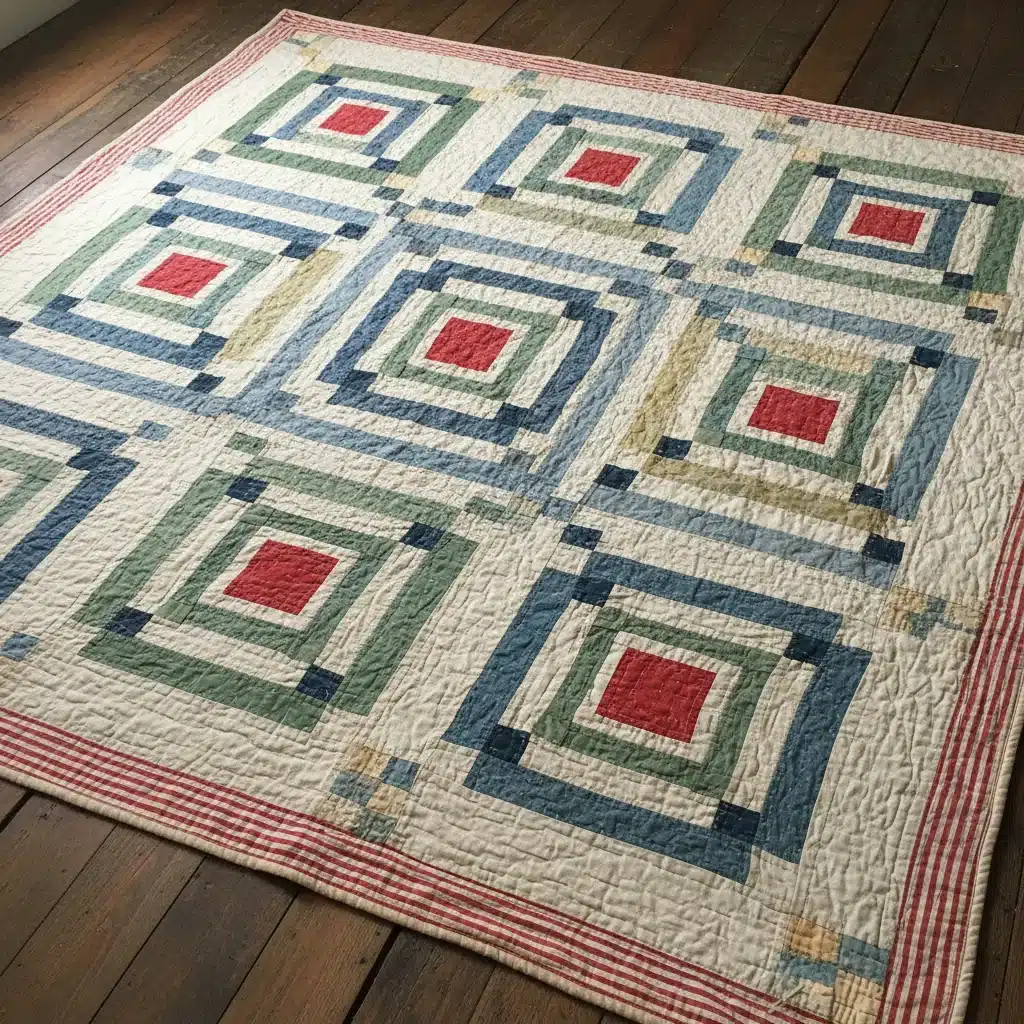
For textile folk art, such as quilts or samplers, examine the fabric, dyes, and stitching. Early textiles were hand-spun and hand-woven, often from natural fibers like cotton, wool, or linen, and dyed with natural pigments that fade and age in a characteristic way. Machine stitching is a clear sign of a post-industrial revolution piece (typically after the mid-19th century). Hand stitching, often irregular but sturdy, is a hallmark of older textile folk art. Look for evidence of mending or repairs, which can also speak to the age and utilitarian nature of the piece.
In essence, a thorough analysis of materials and construction requires a keen eye for detail and an understanding of historical manufacturing techniques. Genuine authentic American folk art will typically exhibit characteristics consistent with its purported age and origin, revealing a story through its very construction.
3. Recognize Regional Styles and Motifs: The Signature of Place
American folk art is incredibly diverse, reflecting the varied cultural landscapes and traditions across the United States. Recognizing regional styles, motifs, and artistic conventions is a vital skill for identifying authentic American folk art. Different geographical areas and ethnic groups developed distinct aesthetic sensibilities, using particular colors, forms, and symbolic imagery.
New England and the Northeast
In New England, for example, you might find sturdy, functional furniture with simple lines, often painted in muted earth tones or vibrant blues and reds. Weather vanes, ship models, and portraits by itinerant artists are also common. The maritime influence is strong, with motifs like anchors, ships, and sea creatures appearing frequently.
Pennsylvania German (Dutch) Folk Art
The Pennsylvania German (often mistakenly called ‘Dutch’) community produced a rich tradition of folk art characterized by vibrant colors, intricate geometric patterns, and symbolic motifs such as tulips, hearts, birds (especially distelfinks), and stars. Fraktur (illuminated manuscripts), decorated pottery (redware), painted dower chests, and hex signs are iconic examples of this regional style. The distinct palette and iconography are unmistakable indicators of authentic American folk art from this region.
Southern Folk Art
Southern folk art often encompasses a wide range of materials and expressions, from face jugs and utilitarian pottery to intricate basketry and quilts. African American folk art, in particular, has a rich tradition, often incorporating spiritual symbols, narrative elements, and a powerful sense of rhythm and improvisation. The use of natural, local materials is a common thread.
Midwestern and Western Folk Art
As the country expanded westward, folk art evolved to reflect new environments and challenges. Furniture might be simpler, more robust. Native American influences become more pronounced in certain regions. Decoys, often carved with great skill and regional variations, are prominent in areas with hunting traditions. Understanding these regional nuances helps you assess whether a piece’s characteristics align with its supposed origin, a crucial step in determining if it is authentic American folk art.
4. Examine Patina and Wear: The Marks of Time
The concept of ‘patina’ is central to authenticating antique folk art. Patina refers to the subtle changes in surface texture and color that occur naturally over time due to age, exposure, and handling. It’s a cumulative effect that cannot be perfectly replicated by artificial means. For wooden objects, this means a softening of edges, a subtle sheen that develops from years of polishing or handling, and an overall mellowing of the wood’s color. For painted surfaces, it might involve subtle fading, minor chipping, or a fine network of craquelure (tiny cracks) that develops as paint dries and contracts over decades. For metals, it’s the oxidation that can create a rich, dark surface.
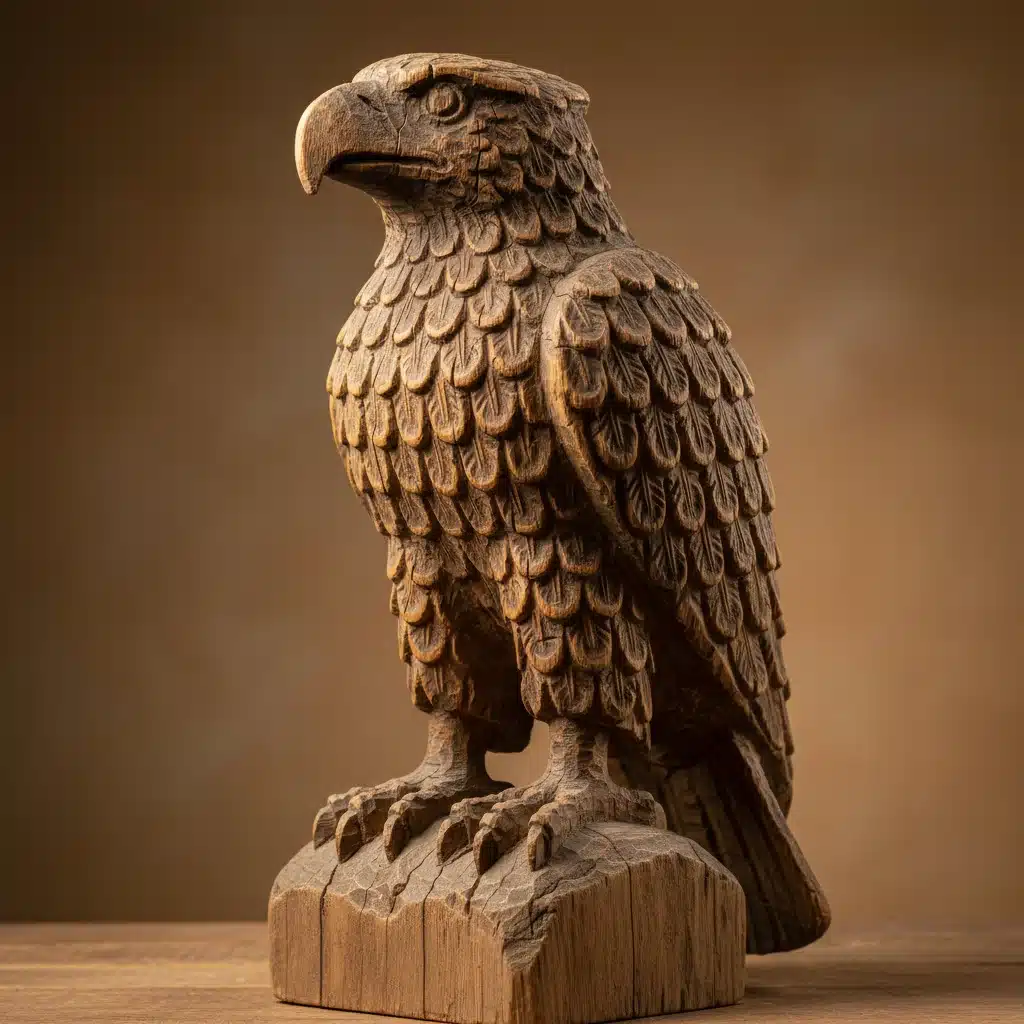
Crucially, genuine wear and tear will be consistent with the object’s function and age. A wooden spoon, for instance, should show wear on its bowl and handle, not on its decorative elements. A painted chest should have wear on its edges, around the keyhole, or where it would have been frequently touched. This wear should look organic and gradual, not abrupt or intentionally distressed. Be suspicious of pieces that have uniform wear patterns across all surfaces, as this can be a sign of artificial aging. Fakers often try to create artificial patina using chemicals, stains, or abrasive techniques, but these rarely achieve the natural, layered effect of true age. Learning to distinguish between natural patina and artificial aging is a skill that develops with experience and careful observation of many genuine pieces of authentic American folk art.
5. Research the Artist or Maker (If Known): A Deeper Dive
While many pieces of authentic American folk art are anonymous, some artists, carvers, painters, or potters did achieve a degree of recognition, even if only locally. If a piece is attributed to a specific folk artist, thorough research into that artist’s known body of work, techniques, materials, and stylistic characteristics is essential. Compare the piece in question to documented examples of the artist’s work. Are the forms, colors, brushstrokes, or carving styles consistent? Are the materials appropriate for the artist’s period and region?
Books, exhibition catalogs, and scholarly articles on American folk art are invaluable resources for researching known artists. Institutions like the American Folk Art Museum or regional historical societies often have extensive archives and collections that can aid in this research. Be cautious of pieces attributed to well-known folk artists without solid evidence; these are frequently targets for forgers. Conversely, discovering a previously undocumented piece by a known, but perhaps less famous, folk artist can be an incredibly exciting and significant find for an authentic American folk art collection. Always verify attributions with expert opinions and comparative analysis.
6. Consult with Experts and Reputable Dealers: Leverage Knowledge
For anyone serious about collecting authentic American folk art, building relationships with experienced and reputable dealers, appraisers, and scholars is indispensable. These professionals possess years, if not decades, of specialized knowledge and a trained eye for authenticity. They can offer invaluable insights into specific regional styles, common fakes, and the subtle indicators of genuine pieces that might elude a novice collector.
A good dealer will stand by their merchandise, offering guarantees of authenticity. They often have access to extensive networks and research materials. Don’t hesitate to ask for their opinion on a piece you’re considering, even if you’re not buying it from them. Many experts are passionate about folk art and are willing to share their knowledge. Attending antique shows, folk art fairs, and museum exhibitions provides opportunities to meet these experts and examine a wide range of authentic American folk art in person, helping to train your eye. Over time, you’ll develop your own expertise, but initially, leaning on the wisdom of those who came before you is a smart and safe strategy.
Furthermore, an expert’s opinion can be crucial for high-value pieces. Some items might warrant professional appraisal or scientific analysis (e.g., paint analysis, wood dating) to confirm their age and composition. While these services come at a cost, they can provide peace of mind and protect a significant investment in authentic American folk art.
7. Trust Your Instincts (But Verify with Knowledge): The Art of the Eye
Finally, as you gain experience in collecting authentic American folk art, you’ll develop an intuitive sense – a gut feeling – about a piece’s authenticity. This instinct, however, should always be tempered and informed by the knowledge you’ve acquired through research, observation, and consultation. Your ‘eye’ for folk art will improve with every piece you examine, every book you read, and every conversation you have with an expert.
When you encounter a piece, take your time. Don’t rush into a purchase. Step back and consider its overall presence. Does it feel right? Does it have that certain ‘soul’ that genuine folk art often possesses? Then, move in for a closer inspection, systematically applying the tips discussed: check the provenance, analyze the materials and construction, look for consistent patina and wear, consider regional style, and if possible, research the maker. If something feels off, even subtly, investigate further or walk away. It’s better to miss out on a potentially genuine piece than to acquire a costly fake. The journey of collecting authentic American folk art is one of continuous learning and refinement of your discerning eye. Embrace the process, enjoy the hunt, and celebrate the unique beauty of these historical treasures.
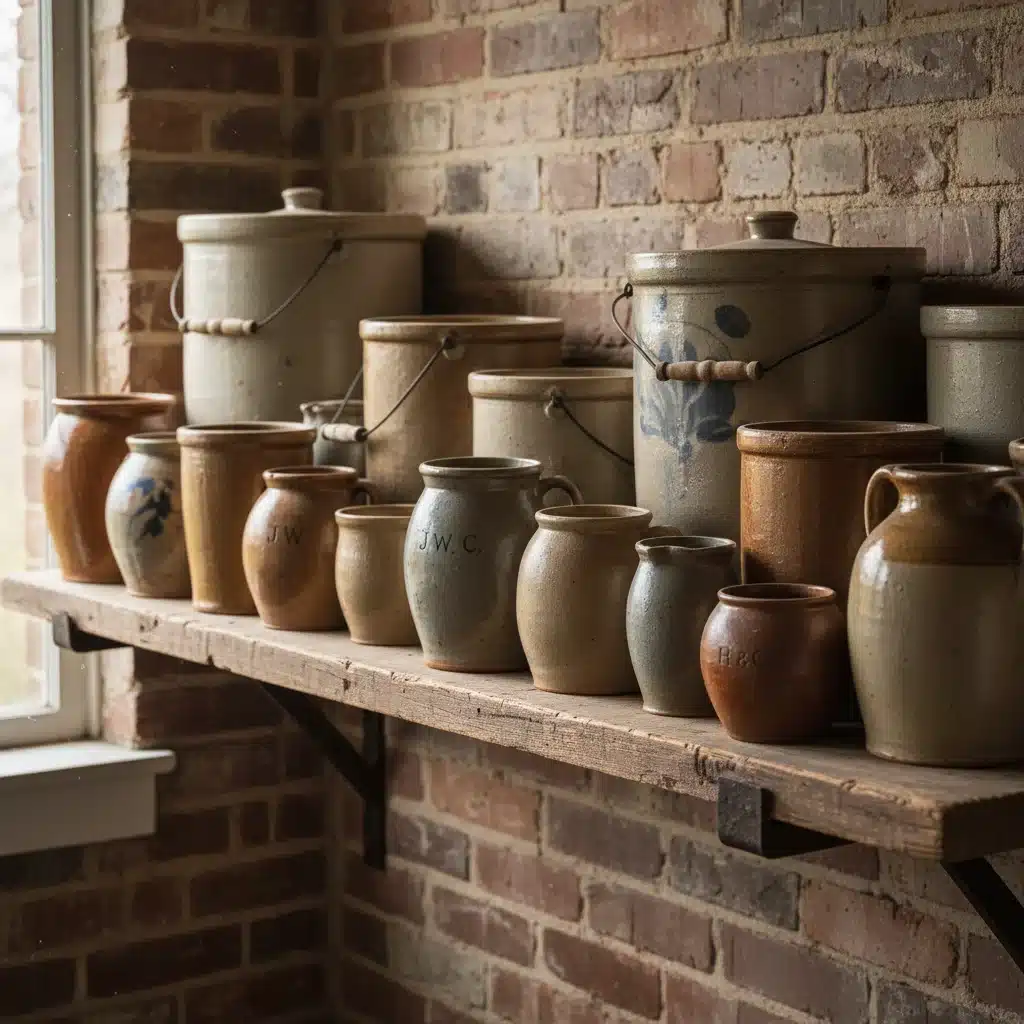
The Enduring Appeal of Authentic American Folk Art
The quest for authentic American folk art is a journey into the heart of America’s cultural heritage. These objects, crafted by individuals often without formal training, speak volumes about the everyday lives, beliefs, and aesthetic sensibilities of past generations. Each piece, whether a simple carved bird or an elaborately painted chest, carries with it a unique narrative, a tangible link to a time when art was interwoven with daily utility and personal expression.
The beauty of folk art lies not in its perfection, but in its imperfections, its raw honesty, and its direct connection to the human hand. It reflects a period before mass production, when objects were made with care, ingenuity, and often, a deep sense of purpose. Collecting authentic American folk art allows us to connect with these stories, to appreciate the resourcefulness and creativity of our ancestors, and to preserve a vital part of our collective history for future generations.
By diligently applying these seven expert tips – understanding provenance, analyzing materials and construction, recognizing regional styles, examining patina and wear, researching known artists, consulting with experts, and trusting your informed instincts – you can confidently navigate the exciting world of folk art collecting. This methodical approach will not only help you identify truly authentic American folk art but also deepen your appreciation for these remarkable cultural artifacts.
Remember, the goal is not just to acquire objects, but to curate a collection that reflects historical accuracy, artistic merit, and personal passion. The satisfaction of holding a piece of authentic American folk art, knowing its true origins and appreciating its journey through time, is a profoundly rewarding experience. Happy hunting, and may your collection be filled with genuine treasures that tell the rich and varied stories of America.