Unlocking Hidden Histories: 3 Lesser-Known Indigenous American Art Movements to Explore in 2026
Anúncios
In the vast and diverse tapestry of global art history, Indigenous American art stands as a testament to enduring creativity, profound spiritual connections, and resilient cultural narratives. While many are familiar with iconic forms such as Navajo weaving or Plains ledger art, a wealth of Indigenous American art movements remains largely unexplored by the mainstream. As we look towards 2026, there’s a growing imperative and excitement to delve deeper into these hidden histories, to appreciate the nuances, innovations, and continued vitality of art forms that have shaped and continue to shape Indigenous communities across the Americas. This article aims to shed light on three such lesser-known Indigenous American art movements, offering a glimpse into their unique characteristics, historical contexts, and contemporary expressions. Prepare to expand your artistic horizons and discover the rich, untold stories embedded within these remarkable traditions.
Understanding these movements is not merely an academic exercise; it’s an opportunity to engage with living cultures, to challenge preconceived notions, and to acknowledge the immense contributions of Indigenous artists. These art forms are not static relics of the past; they are dynamic, evolving, and deeply connected to the present, reflecting ongoing dialogues about identity, sovereignty, and environmental stewardship. By bringing these movements into focus, we contribute to a more inclusive and comprehensive understanding of art history, enriching our collective cultural landscape.
Anúncios
Our journey begins with a foundational understanding of what constitutes an ‘art movement’ within the context of Indigenous American art. Unlike Western art movements, which often emerge from specific manifestos or schools, Indigenous art movements are frequently characterized by shared aesthetic principles, material practices, cultural functions, and geographic or tribal affiliations. They are deeply interwoven with ceremonial life, community identity, and the transmission of knowledge across generations. The movements we’ll explore today exemplify this synthesis of art, culture, and life, offering unique perspectives on the world.
Anúncios
The Resurgence of Great Lakes Woodland Stylized Figurative Art
When one thinks of Indigenous American art from the Great Lakes region, often the intricate beadwork, quillwork, and birchbark art come to mind. However, a specific and captivating movement, the resurgence of stylized figurative art, particularly evident in painting and sculpture, offers a profound narrative of cultural revival and artistic innovation. This movement, rooted in ancient pictographic and petroglyphic traditions, experienced a remarkable revitalization in the mid-20th century and continues to flourish with contemporary artists. It is characterized by its distinctive style: often flat, graphic depictions of human, animal, and spirit figures, frequently outlined in bold black lines and filled with vibrant, contrasting colors. These artworks are not merely decorative; they serve as powerful visual narratives, conveying myths, legends, spiritual beliefs, and historical events central to the Anishinaabe (Ojibwe, Odawa, Potawatomi), Cree, and other Woodland peoples.
Historical Roots and Evolution
The origins of Great Lakes Woodland stylized figurative art can be traced back thousands of years to rock art sites scattered across the region. These ancient images, etched or painted onto stone, often depicted shamans, mythical creatures, and scenes of hunting or spiritual journeys. With the arrival of European traders, new materials like paper, canvas, and commercial paints became available, leading to a shift in medium but a continuity in artistic vision. The early 20th century saw a decline in many traditional art forms due to assimilation policies, but a pivotal moment arrived in the 1960s and 70s with artists like Norval Morrisseau (Anishinaabe). Morrisseau, often considered the founder of the Woodland School, translated these ancient visual vocabularies into a modern painting style, making them accessible to a wider audience while preserving their cultural integrity.
Morrisseau’s work, characterized by its ‘x-ray’ vision revealing internal organs and spirit lines, opened the door for subsequent generations of artists. He demonstrated how traditional iconography could be adapted and reinterpreted to address contemporary issues, from environmental concerns to social justice. His influence was immense, inspiring a wave of artists to explore their own cultural heritage through this distinct visual language. The movement emphasizes interconnectedness – between humans and animals, the physical and spiritual worlds – often depicted through connecting lines and shared internal spaces within figures.
Key Characteristics and Themes
- Bold Outlines and Vibrant Colors: Figures are typically defined by strong, dark outlines, often black, creating a sense of graphic clarity. Colors are often bright and unblended, reminiscent of traditional pigments and beadwork.
- X-ray Style and Spirit Lines: A hallmark of the movement, particularly in its earlier phases, is the depiction of internal organs or skeletal structures, symbolizing the inner life or spiritual essence of the subject. Connecting lines between figures often represent spiritual energy or relationships.
- Mythological and Spiritual Narratives: The art frequently illustrates stories from oral traditions, featuring trickster figures like Nanabozho, thunderbirds, Mishipeshu (the Great Lynx), and other powerful beings from Anishinaabe cosmology.
- Animal Symbolism: Animals are central to Woodland cultures, often serving as clan totems, spirit guides, or characters in origin stories. Their depictions are imbued with deep symbolic meaning.
- Adaptation and Innovation: While rooted in tradition, contemporary artists within this movement constantly innovate, incorporating new techniques, materials, and perspectives while maintaining a clear connection to their cultural heritage.
Why You Should Explore It in 2026
The Great Lakes Woodland stylized figurative art movement offers a powerful entry point into Indigenous spirituality and storytelling. It challenges Western notions of realism, inviting viewers to engage with art on a symbolic and metaphorical level. In 2026, as the world increasingly seeks authentic cultural experiences and diverse artistic voices, this movement stands out for its visual impact, profound narratives, and the resilience it represents. Galleries and museums are increasingly featuring these artists, and their work provides invaluable insights into the ongoing cultural revitalization efforts of Indigenous communities. It’s a vibrant, living tradition that continues to evolve, making it an exciting area for discovery.
The Dynamic Abstraction of Northwest Coast Formline Art in Contemporary Contexts
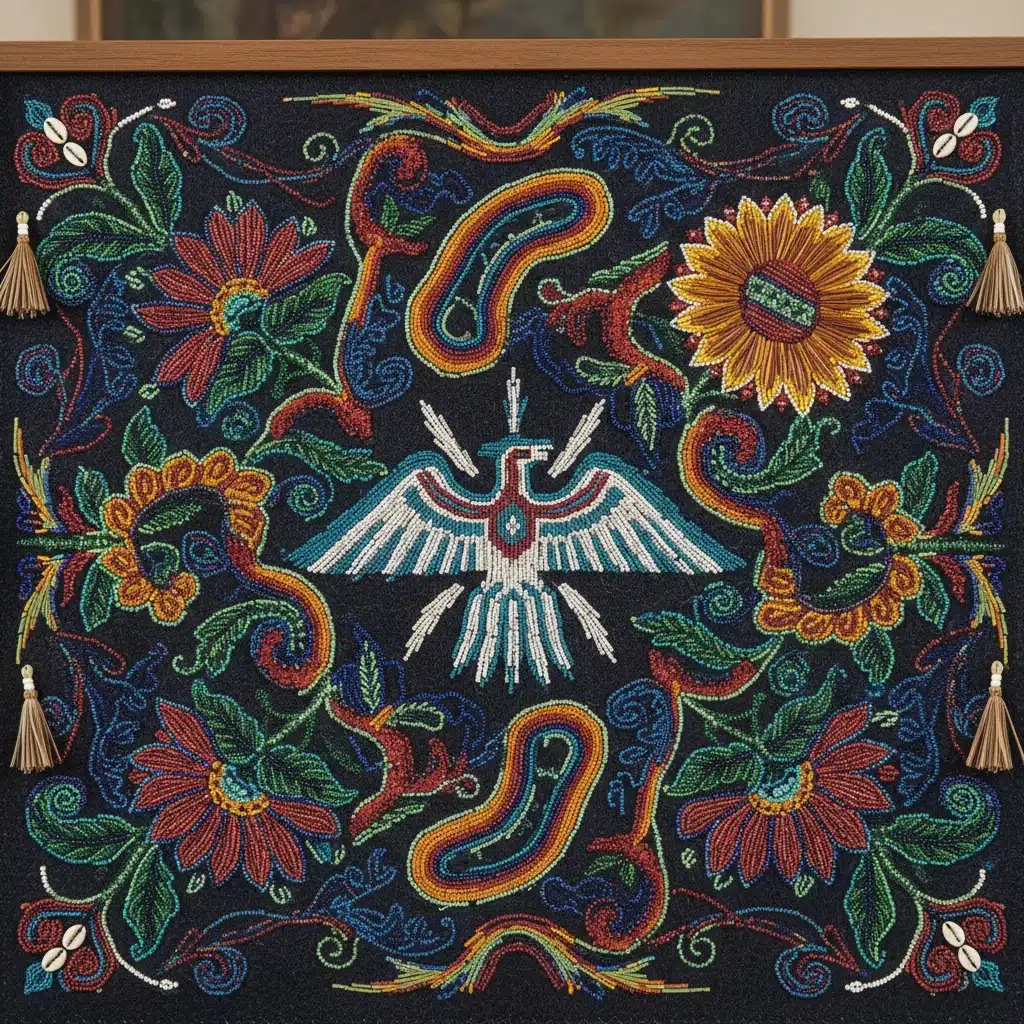
The Northwest Coast of North America is renowned for its distinctive and highly sophisticated art forms, particularly the ‘Formline’ style. While iconic totem poles, masks, and carved boxes are widely recognized, the dynamic abstraction inherent in Formline art, especially in its contemporary manifestations beyond traditional ceremonial objects, is a lesser-known aspect that demands deeper exploration. Formline art is not merely a style; it’s a complex visual language with a precise grammar and vocabulary, used by the Haida, Tlingit, Kwakwaka’wakw (Kwakiutl), Tsimshian, and other Indigenous peoples of the Pacific Northwest. It is characterized by continuous, flowing lines of varying thickness (formlines), ovoid shapes, U-forms, and S-forms, which are used to depict highly stylized animal and human figures, often interlocking and transforming within a single composition. This system creates a sense of perpetual motion and interconnectedness, embodying the fluid nature of life and spirit.
The Intricacies of Formline Grammar
At its core, Formline art is a system of positive and negative space, where the primary formlines (often black or red) define the main anatomical features, and secondary lines and tertiary elements (often blue, green, or unpainted wood) fill the remaining spaces. The ovoid, a rounded rectangular shape with convex ends, is a fundamental building block, used for eyes, joints, and as a compositional element. U-forms and S-forms provide dynamic curves and connections, allowing figures to be compressed, expanded, and interwoven into incredibly complex yet harmonious designs. The art is often symmetrical or balanced, but rarely rigidly so, allowing for a sense of organic flow. The challenge and beauty of Formline lie in its ability to simultaneously represent multiple perspectives, movements, and even different beings within a single figure.
From Traditional Carving to Modern Media
Traditionally, Formline art adorned monumental totem poles, intricate masks, bentwood boxes, canoes, and woven blankets. These objects served crucial roles in ceremonial life, social status, and storytelling. Master artists spent years, even decades, perfecting their understanding and execution of this complex visual language. In the 20th and 21st centuries, while traditional carving continues to thrive, contemporary Indigenous American art artists have pushed the boundaries of Formline, applying its principles to new media and contexts. This expansion includes printmaking (especially serigraphy and lithography), painting on canvas, digital art, jewelry design, and even architectural elements. Artists like Bill Reid (Haida), Robert Davidson (Haida), and Preston Singletary (Tlingit) have been instrumental in revitalizing and innovating within this tradition, demonstrating its adaptability and enduring power.
Contemporary Formline artists are not merely replicating old designs; they are engaging in a dynamic process of cultural continuity and creative evolution. They use the traditional grammar to express modern narratives, personal experiences, and political statements, all while honoring the ancestral knowledge embedded in the art. This often involves abstracting the forms even further, or juxtaposing them with non-traditional elements, creating a compelling dialogue between past and present.
Why It’s a Must-See in 2026
The Northwest Coast Formline art movement, especially in its contemporary and abstract forms, offers a masterclass in design principles and visual storytelling. Its sophisticated aesthetic appeals to those interested in graphic design, abstract art, and the intersection of culture and innovation. In 2026, as appreciation for complex visual languages grows, the mathematical precision and spiritual depth of Formline art provide a unique and rewarding artistic experience. Exhibitions featuring contemporary Northwest Coast artists are increasingly prevalent, showcasing how this ancient art form remains incredibly vibrant and relevant, offering fresh perspectives on Indigenous identity and artistic excellence. It encourages viewers to look beyond surface appearances and delve into the intricate structures that convey profound meaning.
The Evolving Narratives of Contemporary Pueblo Figurative Pottery
Pueblo pottery, with its rich history spanning millennia, is widely celebrated for its elegant forms, intricate designs, and deep cultural significance. From the black-on-black ware of Maria Martinez to the polychrome vessels of Nampeyo, these traditions are well-known. However, a lesser-explored and increasingly dynamic movement within Pueblo pottery is the emergence of contemporary figurative narratives, often incorporating deeply personal stories, political commentary, and innovative sculptural techniques. This movement moves beyond purely geometric or symbolic patterns to depict human and animal figures in dynamic compositions, often telling specific stories or expressing complex emotions. It bridges the gap between traditional forms and contemporary artistic expression, offering a powerful new dimension to Indigenous American art. Artists from various Pueblo communities, including Cochiti, Santa Clara, and San Ildefonso, are at the forefront of this exciting evolution.
Roots in Clay and Storytelling
Pueblo pottery has always been more than just functional ware; it is a vessel for history, spirituality, and community identity. While traditional Pueblo pottery often features abstract designs derived from natural elements or spiritual symbols, the tradition of figurative pottery has deep roots as well, particularly in forms like Cochiti Storyteller figures. These figures, depicting elders recounting tales to children, are a direct lineage to the narrative approach seen in contemporary figurative pottery. However, the modern movement expands this narrative beyond simple representation to explore complex themes, often incorporating elements of surrealism, social commentary, and autobiographical details.
Contemporary Pueblo figurative potters utilize traditional hand-coiling and firing techniques, but their approach to surface decoration and form is highly innovative. They might combine painted designs with sculpted elements, or use sgraffito (etching through a layer of slip to reveal the clay beneath) to create intricate details and textures. The figures themselves can range from highly realistic to abstract, often conveying a sense of movement or emotion. Themes often revolve around identity, cultural preservation, environmental issues, and the challenges and triumphs of contemporary Indigenous life. Each piece becomes a three-dimensional canvas for storytelling, inviting viewers to decipher its rich layers of meaning.
Innovations in Form and Content
- Personal Narratives: Unlike more communal traditional designs, contemporary figurative pottery often allows artists to express individual experiences, dreams, and perspectives. This personal touch adds a new layer of intimacy and relatability to the work.
- Social and Political Commentary: Artists use their pottery to address pressing issues such as land rights, cultural appropriation, historical trauma, and the resilience of Indigenous peoples. The seemingly traditional medium becomes a powerful platform for advocacy.
- Sculptural Integration: While still rooted in the vessel form, many pieces integrate sculptural elements directly into the pottery, blurring the lines between functional art and pure sculpture. Figures might emerge from the rim of a pot or wrap around its body.
- Mixed Media Approaches: Some contemporary potters experiment with incorporating other materials, such as found objects, beads, or fibers, further expanding the expressive possibilities of the medium.
- Revitalizing Ancient Forms with New Meanings: Artists often draw inspiration from ancient Pueblo effigy vessels or Mimbres pottery designs, reinterpreting them through a contemporary lens to create works that speak to both past and present.
Why This Movement is Gaining Traction for 2026
The contemporary Pueblo figurative pottery movement is a testament to the living, breathing nature of Indigenous artistic traditions. It offers a compelling blend of ancient techniques and modern sensibilities, appealing to collectors and enthusiasts interested in both cultural heritage and cutting-edge art. In 2026, as the art world continues to embrace diverse forms of expression and narratives of resilience, these works provide a powerful voice. They challenge perceptions of what ‘traditional’ art can be, demonstrating how Indigenous artists are actively shaping the future of art while honoring their ancestors. Exploring this movement means engaging with art that is not only visually stunning but also deeply meaningful, carrying stories and insights that resonate universally. It’s a profound connection to the land, the people, and the ongoing saga of human experience, all encapsulated in clay.
The Significance of Exploring Lesser-Known Indigenous American Art
The exploration of lesser-known Indigenous American art movements is more than just an academic pursuit; it is a vital act of decolonization and cultural appreciation. For centuries, Indigenous art has often been marginalized, misrepresented, or confined to ethnographic collections rather than celebrated as fine art. By actively seeking out and promoting these diverse movements, we contribute to a more equitable and comprehensive understanding of art history. Each movement, whether it’s the narrative power of Great Lakes Woodland art, the intricate visual language of Northwest Coast Formline, or the evolving stories in Pueblo figurative pottery, offers a unique lens through which to view the world, understand different epistemologies, and appreciate the genius of human creativity.
Challenging Western Art Historical Narratives
Western art history has traditionally operated from a Eurocentric perspective, often overlooking or superficially categorizing art from non-Western cultures. Focusing on these specific Indigenous American art movements helps to dismantle this narrow viewpoint. It demonstrates that art did not solely develop along European trajectories but flourished in myriad forms and contexts across the globe. These movements have their own internal logics, aesthetic principles, and historical developments that are entirely distinct and equally valid as any Western ‘ism.’ Recognizing this diversity enriches the global art discourse and fosters a more inclusive understanding of artistic evolution.
Supporting Indigenous Artists and Communities
Increased visibility for these art movements directly benefits Indigenous artists and their communities. It creates economic opportunities, validates cultural practices, and encourages younger generations to continue these traditions. When art buyers, collectors, and institutions show interest in these specialized areas, it provides crucial support for cultural revitalization efforts. It also helps to combat cultural appropriation by encouraging direct engagement with and proper attribution to Indigenous creators and their specific cultural contexts. Supporting these artists means supporting the continued life and vibrancy of their cultures.
Fostering Cross-Cultural Understanding
Art is a powerful bridge between cultures. By engaging with Indigenous American art, viewers gain insights into different worldviews, spiritual beliefs, and social structures. The stories told through Great Lakes Woodland art, the cosmological symbols in Northwest Coast Formline, and the personal narratives in Pueblo pottery offer windows into complex cultural systems. This understanding can break down stereotypes, foster empathy, and promote greater respect for Indigenous sovereignty and self-determination. In an increasingly globalized world, cross-cultural understanding is not just beneficial; it is essential for building a more peaceful and interconnected society.
Looking Ahead to 2026: Trends and Opportunities
As we approach 2026, several trends suggest an opportune moment for the increased recognition of these and other Indigenous American art movements:
- Digital Accessibility: Online platforms, virtual exhibitions, and digital archives are making Indigenous art more accessible to a global audience than ever before, breaking down geographical barriers.
- Institutional Decolonization: Museums and galleries worldwide are undergoing processes of decolonization, critically examining their collections, display practices, and relationships with Indigenous communities. This often leads to new exhibitions and research focusing on previously overlooked art forms.
- Growing Demand for Authentic Cultural Experiences: There’s a rising interest among travelers and art enthusiasts for authentic, culturally rich experiences that go beyond mainstream narratives.
- Indigenous Artist Advocacy: Indigenous artists and curators are increasingly taking control of their own narratives, creating their own platforms, and advocating for the proper recognition and presentation of their work.
- Interdisciplinary Connections: Indigenous art is increasingly being recognized for its connections to environmental science, linguistics, anthropology, and social justice, attracting a broader intellectual audience.
These trends create a fertile ground for the three movements discussed – Great Lakes Woodland Stylized Figurative Art, Northwest Coast Formline Art in Contemporary Contexts, and Contemporary Pueblo Figurative Pottery – to gain even greater prominence. Their unique aesthetics, profound cultural depth, and ongoing innovation make them particularly compelling for a global audience seeking new artistic horizons.
Conclusion: A Call to Explore and Appreciate Indigenous American Art
The world of Indigenous American art is vast, vibrant, and continuously evolving. By focusing on lesser-known movements such as the Great Lakes Woodland Stylized Figurative Art, the dynamic abstraction of Northwest Coast Formline, and the evolving narratives of Contemporary Pueblo Figurative Pottery, we unlock hidden histories and gain a deeper appreciation for the ingenuity and resilience of Indigenous peoples. These art forms are not just beautiful objects; they are living testaments to cultural continuity, spiritual depth, and the enduring power of storytelling. As we move towards 2026 and beyond, let us commit to exploring, learning from, and supporting these incredible artistic traditions. Seek out exhibitions, engage with Indigenous artists, and allow these profound works of art to challenge your perceptions and enrich your understanding of the world. The journey into Indigenous American art is a journey into the heart of human creativity itself, a journey well worth taking.