Unlocking Hidden Histories: 3 New Digital Archives of Indigenous American Culture Launched in 2026
In a monumental stride towards cultural preservation, education, and reconciliation, 2026 is poised to be a landmark year for Indigenous American communities and global scholars alike. Three groundbreaking Indigenous Digital Archives are set to launch, offering unprecedented access to a wealth of historical documents, oral traditions, cultural artifacts, and linguistic resources. These initiatives represent a powerful evolution in how Indigenous histories are collected, preserved, and shared, moving beyond traditional institutional gatekeepers to empower communities and foster a more nuanced understanding of their enduring legacies.
Anúncios
For too long, the narratives of Indigenous peoples have been marginalized, misunderstood, or worse, entirely erased. The creation of these Indigenous Digital Archives is not merely about digitizing old records; it’s about reclaiming narratives, asserting sovereignty over cultural heritage, and building bridges of understanding for future generations. These platforms are designed with community input at their core, ensuring that the stories told and the artifacts displayed reflect the true spirit and intentions of their originators.
Anúncios
The Dawn of a New Era: Why Indigenous Digital Archives Matter Now More Than Ever
The digital age has revolutionized how we access information, and cultural heritage is no exception. While museums and physical archives have long served as custodians of historical artifacts, they often suffer from limited accessibility, geographical barriers, and sometimes, a colonial lens that can misrepresent or decontextualize Indigenous cultures. Indigenous Digital Archives address these critical issues head-on.
Firstly, accessibility is paramount. These digital platforms will allow anyone, anywhere in the world, with an internet connection, to explore rich cultural content. This means Indigenous youth living far from their ancestral lands can connect with their heritage, researchers can conduct studies without extensive travel, and the general public can gain a deeper appreciation for the diversity of Indigenous American cultures. This democratized access is a game-changer for education and cultural exchange.
Secondly, these archives prioritize Indigenous voices and perspectives. Unlike many historical collections compiled by non-Indigenous anthropologists or historians, these new initiatives are developed in close collaboration with, and often led by, Indigenous communities themselves. This ensures that traditional knowledge, spiritual beliefs, and historical events are presented accurately and respectfully, reflecting the internal understanding and significance within the respective cultures. This shift in control is crucial for decolonizing knowledge and empowering Indigenous self-determination.
Thirdly, the preservation aspect cannot be overstated. Many historical documents, photographs, and audio recordings are fragile and susceptible to decay. Digitization offers a robust method of preserving these invaluable resources for eternity, protecting them from physical degradation, natural disasters, and the passage of time. Furthermore, digital formats allow for advanced search capabilities, cross-referencing, and interactive exhibits that can bring historical data to life in ways traditional archives simply cannot.
The launch of these three new Indigenous Digital Archives in 2026 marks a significant step forward in recognizing the inherent value and ongoing relevance of Indigenous American cultures. They are not just repositories of the past; they are living testaments to resilience, creativity, and profound wisdom, offering invaluable lessons for contemporary society.
Archive 1: The ‘Ancestral Voices’ Project – Unearthing Oral Histories and Languages
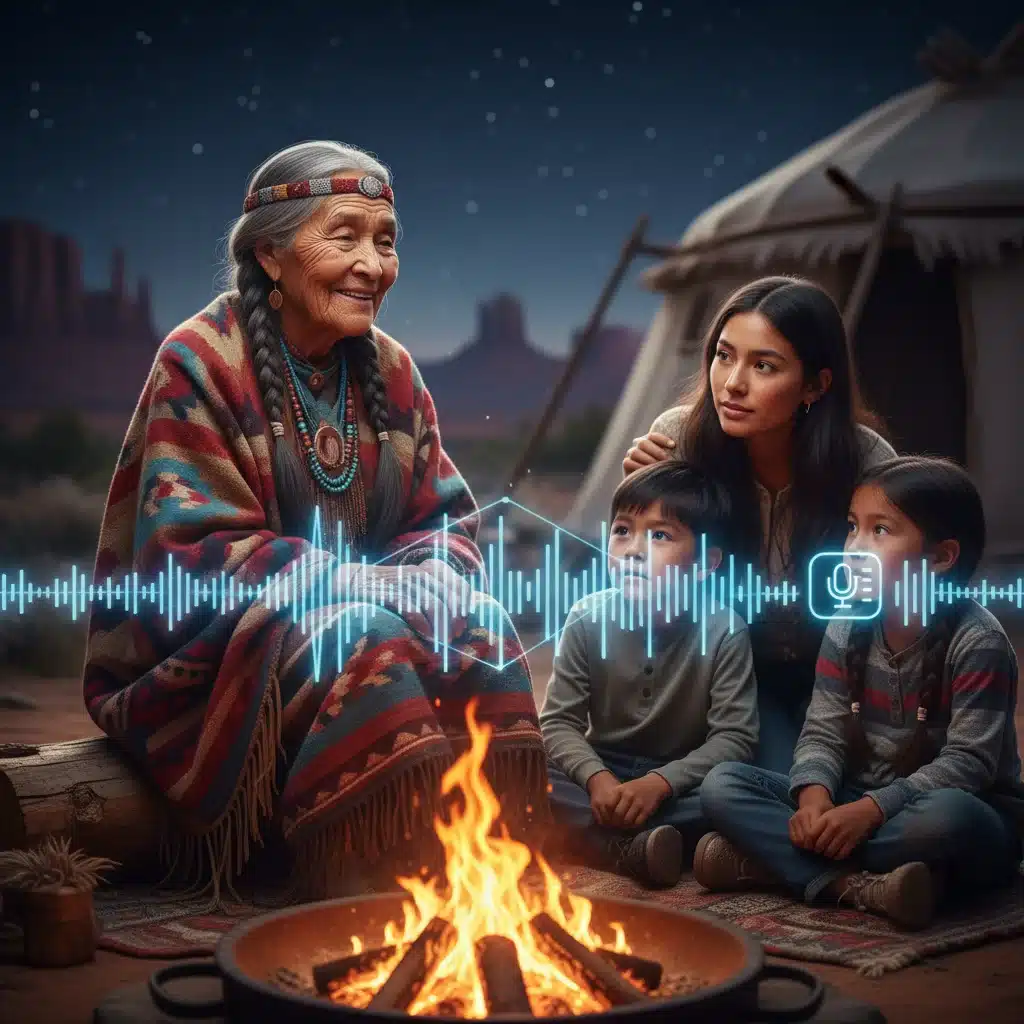
The first of these exciting initiatives is the ‘Ancestral Voices’ Project, a collaborative effort between several Plains Indigenous nations and a consortium of university digital humanities departments. This archive focuses predominantly on oral histories and endangered Indigenous languages, a critical area given the rapid decline of many native tongues.
The ‘Ancestral Voices’ Project aims to digitize thousands of hours of audio recordings, including traditional stories, ceremonial songs, personal testimonies, and historical accounts passed down through generations. Many of these recordings have existed only on fragile analog tapes or in the memories of elders. By creating a robust digital repository, the project ensures these priceless narratives will endure.
What makes this Indigenous Digital Archive particularly innovative is its integrated language learning component. Each oral history recording will be accompanied by transcripts in both the original Indigenous language and English, along with interactive tools for language learners. Users will be able to click on words or phrases to hear their pronunciation, see their definitions, and understand their cultural context. This feature is designed to aid language revitalization efforts within communities and provide an invaluable resource for linguistic studies.
Furthermore, the project includes a ‘story map’ feature, allowing users to explore the geographical origins of various stories and connect them to specific landscapes, historical sites, and traditional territories. This spatial dimension adds a rich layer of context, emphasizing the deep connection between Indigenous peoples and their lands. The ‘Ancestral Voices’ Project is a powerful example of how technology can serve as a conduit for cultural continuity and linguistic survival.
Archive 2: ‘Sacred Objects, Living Traditions’ – A Visual and Contextual Database of Artifacts
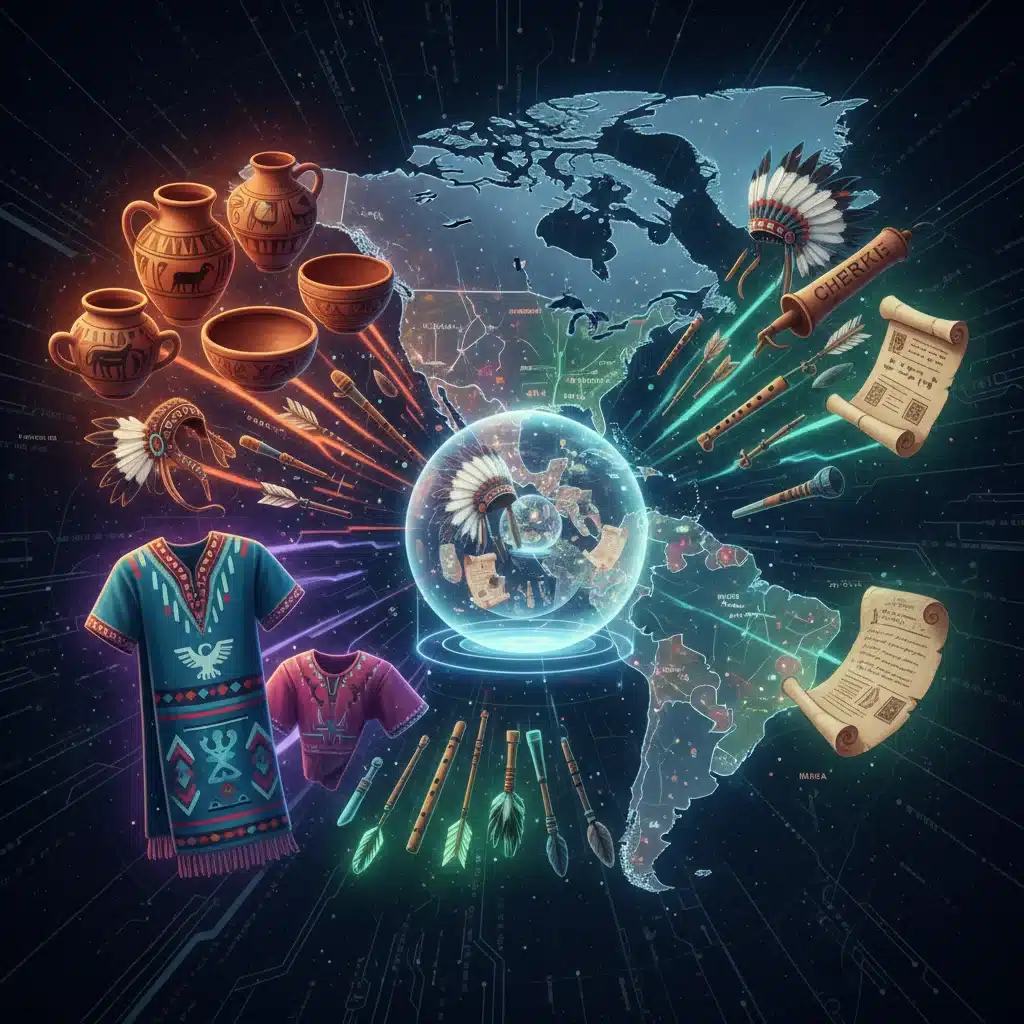
The second major launch in 2026 is ‘Sacred Objects, Living Traditions,’ an ambitious project spearheaded by a coalition of Southwest Indigenous tribes. This Indigenous Digital Archive shifts its focus to the material culture, offering a meticulously curated visual database of cultural artifacts, from ancient pottery and intricate textiles to ceremonial regalia and contemporary art.
The core challenge with many existing museum collections is the decontextualization of Indigenous artifacts. Objects are often displayed without adequate cultural explanation, or their sacred significance is overlooked. ‘Sacred Objects, Living Traditions’ addresses this by providing comprehensive contextual information for each item. This includes detailed descriptions from tribal elders and cultural experts, historical narratives, photographs of the objects in their cultural settings (where appropriate and permitted), and even video demonstrations of traditional crafting techniques.
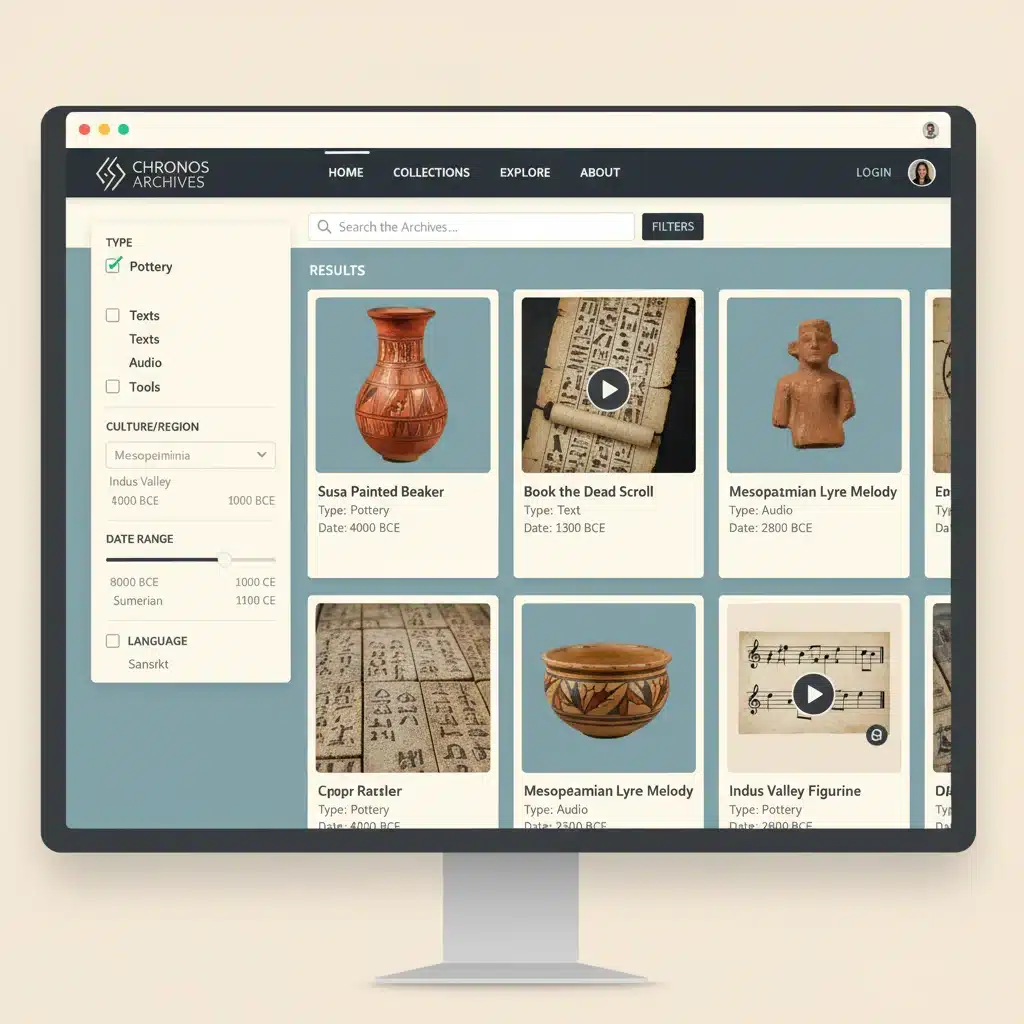
Each artifact entry in this Indigenous Digital Archive will go beyond mere physical details. It will explain the materials used, the symbolism embedded in its design, its function within the community, and its journey through time. The project also incorporates 3D scanning technology, allowing users to interact with high-resolution digital models of artifacts, rotating them and zooming in on intricate details from any angle. This level of immersion brings a new dimension to understanding Indigenous craftsmanship and artistry.
A distinctive feature of ‘Sacred Objects, Living Traditions’ is its ‘provenance tracker.’ This tool attempts to trace the history of each object, from its creation within the community to its current location, shedding light on issues of repatriation and ethical stewardship. By making this information transparent, the archive aims to support ongoing efforts to return culturally significant items to their rightful communities. This archive is not just a digital museum; it’s a tool for cultural reclamation and a testament to the enduring vitality of Indigenous artistic traditions.
Archive 3: ‘Sovereign Records’ – Decolonizing Historical Documents and Treaties
Completing the trio of 2026 launches is ‘Sovereign Records,’ an essential Indigenous Digital Archive focusing on historical documents, treaties, legal records, and correspondence that have shaped the relationship between Indigenous nations and colonial powers. This project is a joint venture between several Eastern Woodlands Indigenous nations and national archival institutions.
The goal of ‘Sovereign Records’ is to provide a centralized, easily searchable repository of primary source materials that are often scattered across various government archives, university libraries, and private collections. These documents include copies of treaties, land deeds, governmental reports, personal letters, and legal testimonies, many of which contain crucial evidence for land claims, rights assertions, and historical grievances.
What sets this Indigenous Digital Archive apart is its commitment to presenting these documents with critical Indigenous commentary and analysis. Each document will be accompanied by annotations from Indigenous historians, legal scholars, and community leaders, offering alternative interpretations and highlighting the Indigenous perspectives often omitted or misrepresented in official records. For example, treaty documents will not only show the original text but also include explanations of the Indigenous understanding of the agreements, often vastly different from the colonial interpretations.
The platform will also feature interactive timelines and mapping tools that illustrate the historical impact of these documents on Indigenous territories and communities. Users can trace the evolution of policies, land cessions, and forced removals through visual aids, making complex historical processes more comprehensible. ‘Sovereign Records’ is an indispensable resource for legal scholars, Indigenous rights advocates, and anyone seeking a deeper, decolonized understanding of American history. It serves as a powerful instrument for justice and historical truth-telling, affirming the sovereignty and resilience of Indigenous nations.
The Impact and Future of Indigenous Digital Archives
The launch of these three Indigenous Digital Archives in 2026 signifies far more than just technological advancement; it represents a profound shift in cultural stewardship and historical narrative. The impact will be felt across multiple sectors:
- Education: Students from kindergarten to university will have access to accurate, culturally appropriate, and deeply contextualized information about Indigenous American peoples, fostering greater understanding and challenging long-held stereotypes. Educators will find rich, primary source materials to integrate into their curricula, enriching lessons on history, literature, art, and social studies.
- Research: Scholars across disciplines—history, anthropology, linguistics, art history, law, and environmental studies—will gain unprecedented access to data, enabling more rigorous and nuanced research that centers Indigenous perspectives. The ability to cross-reference vast amounts of information will open new avenues for discovery.
- Community Empowerment: For Indigenous communities, these archives are powerful tools for cultural revitalization, language instruction, and intergenerational knowledge transfer. They provide a secure and sovereign space for communities to manage their own heritage, ensuring that cultural protocols and sensitivities are respected. This control over their own narratives is a vital aspect of self-determination.
- Reconciliation and Justice: By shedding light on historical injustices and providing platforms for Indigenous voices, these archives contribute significantly to ongoing efforts towards truth and reconciliation. They offer concrete evidence for land claims, treaty rights, and cultural repatriation, supporting legal and political battles for justice.
- Global Understanding: The world gains a richer, more accurate understanding of the incredible diversity, resilience, and ingenuity of Indigenous American cultures. This expanded knowledge contributes to global cultural literacy and promotes respect for all peoples.
The collaborative nature of these projects, involving Indigenous communities, academic institutions, and technology experts, sets a new standard for ethical and equitable digital archiving. They move beyond mere data collection to active engagement, ensuring that technology serves the needs and aspirations of the communities whose heritage it preserves.
Looking ahead, these Indigenous Digital Archives are expected to inspire further initiatives. The frameworks, technologies, and ethical guidelines developed during their creation will likely serve as models for other Indigenous groups around the world seeking to digitize and manage their cultural heritage. The potential for a global network of Indigenous-led digital archives is immense, fostering cross-cultural dialogue and solidarity.
Challenges and the Path Forward for Indigenous Digital Archives
While the launch of these three Indigenous Digital Archives is a cause for celebration, it’s also important to acknowledge the ongoing challenges inherent in such ambitious projects. Sustained funding is always a concern, as digital archives require continuous maintenance, updating, and technical support. Ensuring long-term viability and accessibility will depend on robust funding models and institutional commitments.
Another challenge lies in digital sovereignty and data governance. While these archives are community-led, the digital realm still presents complexities regarding intellectual property rights, data privacy, and protection against misuse of cultural information. Ongoing vigilance and the development of strong, legally binding agreements are crucial to safeguard Indigenous interests.
Furthermore, digital literacy and access within Indigenous communities themselves remain important considerations. While the archives are designed to be user-friendly, bridging the digital divide through infrastructure development and training programs will ensure that all community members can fully benefit from these resources. This includes providing support for elders and those in remote areas to access and engage with the digital content.
Despite these challenges, the momentum is undeniably positive. The collaborative spirit, the dedication of countless individuals, and the transformative power of technology, when applied ethically and respectfully, promise a bright future for Indigenous cultural preservation. The year 2026 will indeed mark a pivotal moment, ushering in a new era where Indigenous voices resonate louder and their histories shine brighter, thanks to the invaluable contributions of these pioneering Indigenous Digital Archives.
Conclusion: A Legacy Preserved, A Future Envisioned
The impending launch of the ‘Ancestral Voices’ Project, ‘Sacred Objects, Living Traditions,’ and ‘Sovereign Records’ in 2026 represents a profound commitment to rectifying historical omissions and celebrating the enduring richness of Indigenous American cultures. These Indigenous Digital Archives are more than mere repositories; they are living testaments to resilience, innovation, and self-determination. They empower communities, educate the world, and provide an invaluable foundation for future generations to connect with their heritage in an unprecedented way.
As we look forward to 2026, we anticipate a transformative period where digital technology becomes a powerful ally in the ongoing journey of cultural revitalization and reconciliation. These archives will not only preserve the past but actively shape a more inclusive, informed, and respectful future for all. The stories, languages, and artifacts contained within these digital realms will serve as guiding lights, ensuring that the vibrant tapestry of Indigenous American culture continues to inspire and educate for centuries to come.