
Mastering Employee Retention: Strategies for a Thriving Workforce
In today’s dynamic business landscape, employee retention is more than just an HR buzzword; it’s a critical component of sustainable success. High employee turnover can be a silent killer for any organization, draining resources, disrupting productivity, and negatively impacting team morale. Conversely, a workforce that feels valued, engaged, and supported is a powerful asset, driving innovation, customer satisfaction, and long-term growth. This comprehensive guide delves into the most effective employee retention strategies, offering actionable insights to help your organization cultivate a loyal, productive, and thriving workforce.
Understanding the ‘why’ behind employee departures is the first step toward building robust retention strategies. Often, it’s not just about salary; factors like lack of growth opportunities, poor management, toxic work environments, and a disconnect from company values play significant roles. By proactively addressing these issues, businesses can create an ecosystem where employees not only want to stay but also excel.
Anúncios
Let’s explore the multifaceted approach required to master employee retention, focusing on key areas that make a tangible difference in keeping your best talent.
Anúncios
The True Cost of Employee Turnover: Beyond the Obvious
Before we dive into specific employee retention strategies, it’s crucial to grasp the full financial and operational impact of employee turnover. The costs extend far beyond the direct expenses of recruitment and training. Consider these often-overlooked implications:
- Recruitment Costs: Advertising, screening, interviewing, background checks, and onboarding new hires are significant expenses.
- Lost Productivity: The period between an employee’s departure and a new hire’s full productivity means a dip in output. Even after onboarding, it takes time for a new employee to reach the same efficiency level as their predecessor.
- Training and Development: Investing in training for new employees, both formal and informal, consumes time and resources from existing staff.
- Reduced Morale: High turnover can create instability and anxiety among remaining employees, leading to decreased morale and engagement. They may question the company’s stability or their own future.
- Loss of Institutional Knowledge: Departing employees take with them valuable knowledge, experience, and client relationships that are often difficult to replace.
- Impact on Customer Service: Inconsistent staffing can lead to service disruptions, lower quality work, and ultimately, dissatisfied customers.
- Damage to Employer Brand: A reputation for high turnover can make it harder to attract top talent in the future, creating a vicious cycle.
Recognizing these profound impacts underscores the immense value of investing in effective employee retention strategies. It’s not just about saving money; it’s about building a stable, knowledgeable, and motivated workforce that drives sustained success.
Foundation of Retention: Competitive Compensation and Benefits
While money isn’t the only motivator, competitive compensation and a robust benefits package form the bedrock of any successful retention strategy. Employees need to feel fairly compensated for their skills, effort, and contributions. This isn’t just about matching industry standards; it’s about staying slightly ahead where possible to attract and retain the best.
Benchmarking and Regular Reviews
Regularly benchmark your salaries against industry averages and competitors. Conduct annual compensation reviews to ensure salaries remain competitive and reflect individual performance. Transparency in compensation structures, where appropriate, can also build trust.
Comprehensive Benefits Packages
Beyond salary, a strong benefits package is a powerful differentiator. This includes:
- Health and Wellness: Comprehensive health, dental, and vision insurance are non-negotiable. Consider adding mental health support, wellness programs, and gym memberships.
- Retirement Plans: Offering robust 401(k) or pension plans with employer matching demonstrates a commitment to employees’ long-term financial well-being.
- Paid Time Off (PTO): Generous vacation, sick leave, and personal days allow employees to recharge and maintain work-life balance.
- Flexible Work Arrangements: Options like remote work, hybrid models, and flexible hours are highly valued by today’s workforce.
- Life and Disability Insurance: Providing security for unexpected events can significantly reduce employee stress.
A competitive and thoughtful compensation and benefits package communicates to employees that they are valued, reducing the likelihood of them seeking opportunities elsewhere solely for financial reasons. It’s a fundamental pillar among effective employee retention strategies.
Cultivating a Positive and Inclusive Company Culture
A strong, positive, and inclusive company culture is often cited as a top reason employees stay with an organization. Culture is the sum of shared values, beliefs, attitudes, and practices that shape the work environment. It dictates how employees interact, how decisions are made, and how success is celebrated.
Defining and Living Your Values
Clearly define your company’s core values and ensure they are not just words on a wall but are actively demonstrated by leadership and integrated into daily operations. When employees feel connected to a meaningful mission and values, their sense of purpose and loyalty increases.
Promoting Open Communication
Foster an environment where employees feel safe to express ideas, concerns, and feedback without fear of reprisal. This includes:
- Regular Town Halls: Keep employees informed about company performance, challenges, and future plans.
- Open-Door Policies: Encourage managers to be approachable and available for discussions.
- Anonymous Feedback Channels: Provide avenues for employees to share honest feedback, such as suggestion boxes or anonymous surveys.
Recognizing and Rewarding Achievements
Employees thrive on recognition. Acknowledging their hard work and contributions, both big and small, can significantly boost morale and engagement. Implement formal and informal recognition programs:
- Employee of the Month/Quarter: Publicly acknowledge outstanding performers.
- Spot Bonuses: Reward exceptional effort or project completion.
- Personalized Thank You Notes: A simple, heartfelt thank you from a manager can go a long way.
- Peer Recognition Programs: Empower employees to recognize each other’s contributions.
Prioritizing Diversity, Equity, and Inclusion (DEI)
An inclusive culture ensures that every employee feels respected, valued, and has an equal opportunity to succeed. DEI initiatives are not just about compliance; they are about creating a richer, more innovative, and more welcoming workplace. This involves:
- Bias Training: Educate employees and managers on unconscious biases.
- Inclusive Hiring Practices: Ensure diverse candidate pools and objective evaluation processes.
- Employee Resource Groups (ERGs): Support groups that foster a sense of community among employees with shared characteristics or experiences.
A positive and inclusive culture is a powerful magnet for talent and a critical element among successful employee retention strategies.
Investing in Employee Growth and Development
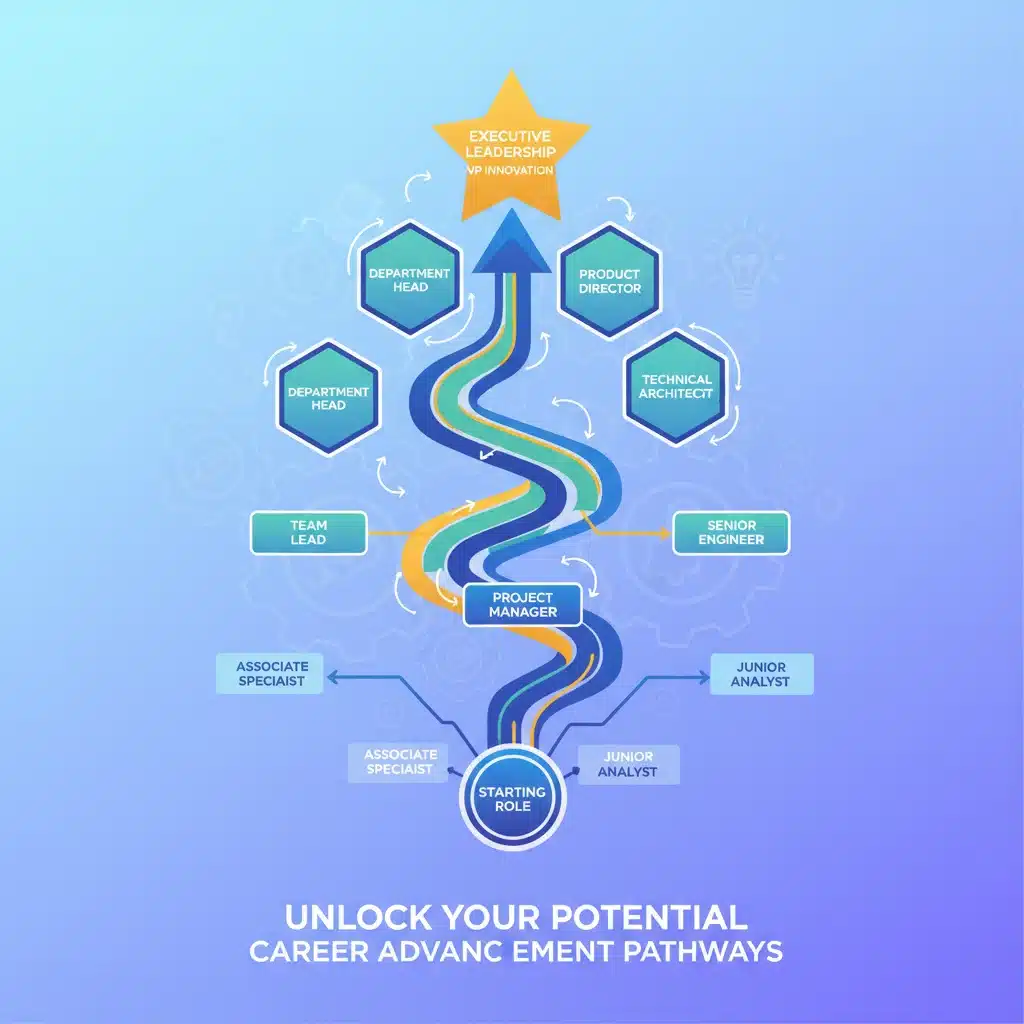
One of the most common reasons employees leave a company is a perceived lack of growth opportunities. To combat this, organizations must proactively invest in their employees’ professional development and career advancement.
Clear Career Paths
Help employees visualize their future within the company. This involves:
- Mentorship Programs: Pair experienced employees with newer ones to guide their development.
- Succession Planning: Identify and develop internal candidates for future leadership roles.
- Regular Performance Reviews: Use these as opportunities to discuss career aspirations and set development goals.
Learning and Development Opportunities
Provide access to continuous learning:
- Training Programs: Offer workshops, seminars, and online courses relevant to their roles and future aspirations.
- Tuition Reimbursement: Support employees who wish to pursue higher education or certifications.
- Skill-Building Workshops: Focus on both hard skills (e.g., new software) and soft skills (e.g., leadership, communication).
- Cross-Functional Training: Allow employees to gain experience in different departments or roles.
When employees see a clear path for advancement and are given the tools to grow, they are far more likely to commit to the organization long-term. This focus on growth is a cornerstone of effective employee retention strategies.

Effective Leadership and Management
It’s often said that people don’t leave companies; they leave managers. The quality of leadership and management significantly impacts employee satisfaction and retention. Great managers inspire, support, and empower their teams, while poor managers can quickly drive talent away.
Training for Managers
Invest in leadership development programs that focus on essential management skills:
- Communication Skills: How to give constructive feedback, listen actively, and communicate expectations clearly.
- Coaching and Mentoring: Equipping managers to guide employee development.
- Conflict Resolution: Strategies for addressing workplace disputes fairly and effectively.
- Empathy and Emotional Intelligence: Understanding and responding to employees’ needs and concerns.
Empowerment and Autonomy
Trust employees to do their jobs and give them the autonomy to make decisions within their scope. Micromanagement is a major demotivator. When employees feel trusted and empowered, they take greater ownership of their work.
Regular Feedback and Performance Management
Move beyond annual reviews to a continuous feedback model. Regular check-ins, one-on-one meetings, and timely feedback – both positive and constructive – help employees understand where they stand and how they can improve. Set clear goals and provide the necessary resources and support to achieve them.
Strong leadership creates an environment where employees feel supported, understood, and motivated to contribute their best, making it a pivotal aspect of successful employee retention strategies.
Promoting Work-Life Balance and Well-being
In today’s demanding work environment, employees increasingly prioritize work-life balance and overall well-being. Organizations that support these aspects are more likely to retain their workforce.
Flexible Work Arrangements
As mentioned earlier, offering flexibility is no longer a perk but often an expectation. This can include:
- Remote or Hybrid Work: Allowing employees to work from home part-time or full-time.
- Flexible Hours: Empowering employees to adjust their start and end times to better suit personal commitments.
- Compressed Workweeks: Working longer hours for fewer days (e.g., four 10-hour days).
These options demonstrate trust and can significantly reduce stress and commute times, leading to happier, more productive employees.
Wellness Programs
Go beyond basic health insurance to actively promote employee well-being:
- Mental Health Support: Access to counseling services, stress management workshops, and mental health days.
- Physical Wellness: Subsidized gym memberships, on-site fitness classes, or healthy eating initiatives.
- Financial Wellness: Workshops on budgeting, retirement planning, or debt management.
Encouraging Disconnection
Establish a culture that respects personal time. Discourage after-hours emails or calls unless absolutely critical. Encourage employees to take their vacation days and truly disconnect. Overwork and burnout are major drivers of turnover.
By prioritizing work-life balance and well-being, businesses show they care about their employees as individuals, fostering loyalty and making these crucial employee retention strategies highly effective.
Employee Engagement and Involvement
Engaged employees are passionate about their work, committed to their organization, and actively contribute to its success. They are also far less likely to leave. Fostering engagement requires involving employees in decision-making and making them feel like a vital part of the company’s journey.
Soliciting and Acting on Feedback
Regularly ask for employee feedback through surveys, focus groups, and one-on-one meetings. More importantly, demonstrate that you listen and act on that feedback. When employees see their input leading to positive changes, they feel valued and heard.
Involving Employees in Decision-Making
Where appropriate, involve employees in decisions that affect their work or the company’s direction. This could be through:
- Cross-functional Teams: Forming teams to tackle specific projects or problems.
- Idea Generation Sessions: Inviting employees to contribute innovative solutions.
- Pilot Programs: Allowing employees to test new processes or tools.
Building Community and Connection
Organize team-building activities, social events, and volunteer opportunities. These initiatives help build camaraderie, strengthen relationships, and create a sense of belonging among employees. A strong social network at work can significantly increase job satisfaction.
Engaged employees are your best advocates and most loyal team members. Prioritizing engagement is a fundamental aspect of robust employee retention strategies.
Leveraging Technology for Retention
Technology plays an increasingly vital role in supporting and enhancing employee retention efforts. From streamlining HR processes to facilitating communication, smart use of technology can significantly improve the employee experience.
HR Information Systems (HRIS)
Modern HRIS platforms can centralize employee data, automate onboarding, manage benefits enrollment, and track performance. This efficiency frees up HR professionals to focus on more strategic retention initiatives rather than administrative tasks.
Performance Management Software
Tools that facilitate continuous feedback, goal setting, and performance reviews can make the process more transparent and engaging. They allow for real-time recognition and help managers track employee development more effectively.
Communication and Collaboration Platforms
Platforms like Slack, Microsoft Teams, or internal intranets foster seamless communication and collaboration, especially for remote or hybrid teams. They help build a sense of community and ensure everyone is informed and connected.
Employee Engagement Platforms
Dedicated platforms can host surveys, recognition programs, wellness challenges, and internal social feeds, making it easier to measure engagement and implement initiatives that keep employees connected and motivated.
Learning Management Systems (LMS)
An LMS provides a centralized hub for all training and development resources, making it easy for employees to access courses, track their progress, and develop new skills at their own pace. This directly supports the growth and development pillar of retention.
By strategically integrating these technological solutions, organizations can create a more efficient, connected, and supportive environment, reinforcing their employee retention strategies.
Measuring and Adapting Your Retention Strategies
Implementing employee retention strategies is not a one-time task; it’s an ongoing process that requires continuous measurement, evaluation, and adaptation. What works today might need adjustments tomorrow as your workforce evolves and market conditions change.
Key Retention Metrics
Track key performance indicators (KPIs) to understand the effectiveness of your efforts:
- Turnover Rate: Calculate the percentage of employees leaving the company over a specific period.
- Retention Rate: The inverse of turnover, showing the percentage of employees who stayed.
- Time to Fill: How long it takes to hire a replacement.
- Cost Per Hire: The total cost associated with recruiting a new employee.
- Employee Engagement Scores: Measured through regular surveys (e.g., Net Promoter Score for Employees).
- Exit Interview Data: Systematically collect and analyze reasons for departure.
Conducting Exit Interviews
Exit interviews are invaluable sources of information. Conduct them with departing employees to understand their reasons for leaving. Look for patterns in the feedback to identify systemic issues that need addressing. Ensure these interviews are conducted by a neutral party to encourage honest responses.
Stay Interviews
Proactively conduct ‘stay interviews’ with high-performing employees to understand why they choose to stay, what they value most about their role and the company, and what might make them consider leaving. This proactive approach allows you to address potential issues before they become reasons for departure.
Regular Pulse Surveys
Supplement annual engagement surveys with shorter, more frequent ‘pulse surveys’ to gauge employee sentiment on specific topics or changes. This allows for quick identification of issues and agile responses.
Benchmarking Against Best Practices
Continuously research and benchmark your retention efforts against industry best practices and leading organizations. Learn from others’ successes and failures to refine your own strategies.
By consistently measuring the impact of your employee retention strategies and being willing to adapt, you create a responsive and resilient organization that can effectively attract and keep top talent.
Conclusion: Building a Future-Proof Workforce
Employee retention is not merely a human resources function; it is a strategic imperative that underpins the long-term health and success of any business. By implementing a holistic approach that encompasses competitive compensation, a positive culture, continuous development, strong leadership, work-life balance, and active engagement, organizations can significantly reduce turnover and build a workforce that is loyal, productive, and deeply committed.
The investment in robust employee retention strategies yields substantial returns, not just in reduced costs but in enhanced innovation, improved customer satisfaction, and a stronger employer brand. In an era where talent is a company’s most valuable asset, mastering the art of retention is key to building a future-proof workforce that can navigate challenges and seize opportunities with confidence and enthusiasm.
Start today by evaluating your current practices, listening to your employees, and committing to a culture where every individual feels valued, supported, and empowered to thrive. Your business, your employees, and your customers will thank you for it.