Mindful Living: 3 Simple Practices to Reduce Stress by 15% This Year
Anúncios
Mindful Living: 3 Simple Practices to Reduce Stress by 15% This Year
In our increasingly fast-paced world, stress has become an unwelcome constant for many. The relentless demands of work, personal responsibilities, and the pervasive digital noise can leave us feeling overwhelmed, anxious, and disconnected from ourselves. But what if there was a way to not just cope with stress, but to actively reduce its presence in your life? This year, commit to transforming your well-being by embracing the power of mindful living practices. Our goal is ambitious yet achievable: to help you reduce your stress levels by a significant 15%.
Anúncios
Mindful living isn’t about escaping reality; it’s about engaging with it more fully, with awareness and intention. It’s about cultivating a present-moment awareness that allows you to observe your thoughts, feelings, and bodily sensations without judgment. This simple yet profound shift can lead to remarkable improvements in your mental, emotional, and even physical health. By integrating specific mindful living practices into your daily routine, you can build resilience, enhance emotional regulation, and find greater peace amidst life’s inevitable challenges.
This comprehensive guide will introduce you to three simple, yet incredibly powerful mindful living practices that are accessible to everyone, regardless of prior experience. We’ll delve into the ‘why’ behind each practice, provide actionable ‘how-to’ steps, and offer insights into how to integrate them seamlessly into your busy life. Prepare to embark on a journey that will not only reduce stress but also foster a deeper connection with yourself and the world around you.
Anúncios
Understanding the Epidemic of Stress and the Promise of Mindful Living
Before we dive into the practices, let’s acknowledge the elephant in the room: stress. According to numerous studies, chronic stress is a major contributor to a wide range of health issues, including heart disease, anxiety disorders, depression, and weakened immune function. It impacts our sleep, our relationships, our productivity, and our overall quality of life. The modern world, with its constant connectivity and pressure to perform, often exacerbates this problem, making stress feel like an unavoidable part of existence.
However, it doesn’t have to be. This is where mindful living practices step in as a beacon of hope. Mindfulness, rooted in ancient contemplative traditions, has been scientifically validated as an effective tool for stress reduction and well-being enhancement. The core principle is simple: paying attention to the present moment, without judgment. This seemingly simple act can interrupt the cycle of rumination about the past or worry about the future, bringing you back to the only moment you truly have – now.
When you regularly engage in mindful living practices, you begin to observe your thoughts and feelings as transient events rather than absolute truths. This creates a psychological space, allowing you to respond to situations thoughtfully rather than reacting impulsively. Over time, this practice rewires your brain, strengthening areas associated with attention, emotional regulation, and self-awareness, while reducing activity in areas linked to fear and anxiety. The result? A calmer nervous system, a clearer mind, and a greater capacity for joy and contentment.
Our target of reducing stress by 15% this year is not arbitrary. It’s a measurable, impactful goal that can significantly improve your daily experience. Even small, consistent efforts in mindful living practices can compound over time, leading to profound and lasting changes. Let’s explore the first of these transformative practices.
Practice 1: The Daily 5-Minute Mindful Breathing Exercise
Why Mindful Breathing?
Breathing is fundamental to life, yet how often do we truly pay attention to it? Our breath is a powerful anchor to the present moment. When we are stressed or anxious, our breathing often becomes shallow and rapid. Conversely, slow, deep, and conscious breathing activates the parasympathetic nervous system, which is responsible for the ‘rest and digest’ response, effectively counteracting the ‘fight or flight’ response triggered by stress. A daily 5-minute mindful breathing exercise is one of the most accessible and effective mindful living practices you can adopt.
How to Implement:
- Find a Quiet Space: Choose a time and place where you won’t be disturbed for at least five minutes. This could be first thing in the morning, during a lunch break, or before bed.
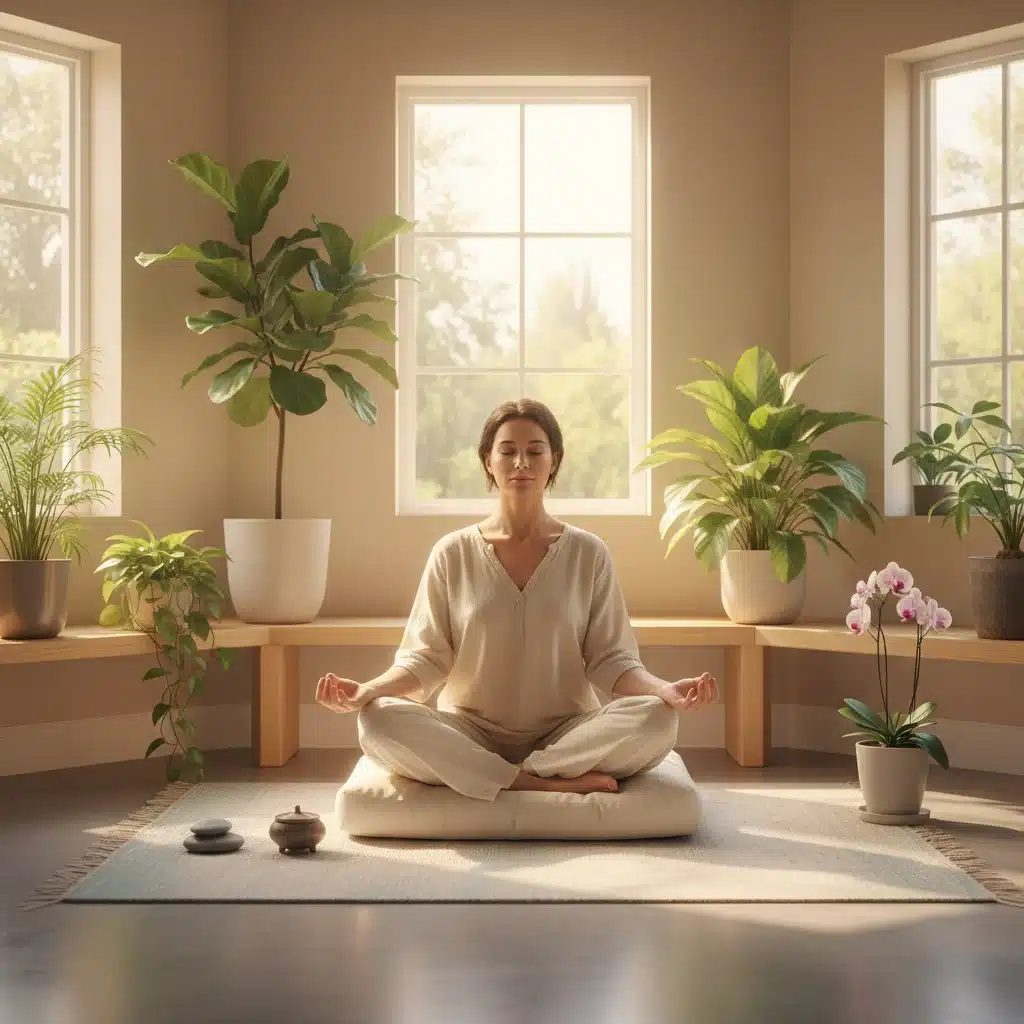
- Comfortable Posture: Sit comfortably in a chair with your feet flat on the floor, or cross-legged on a cushion. Keep your spine straight but relaxed. You can close your eyes or soften your gaze.
- Focus on Your Breath: Gently bring your attention to the sensation of your breath. Notice the air entering and leaving your body. Feel the rise and fall of your abdomen or chest. Don’t try to change your breath, just observe it as it is.
- Count Your Breaths (Optional): To help maintain focus, you can count your breaths. Inhale for a count of four, hold for a count of two, exhale for a count of six. Adjust the counts to what feels natural and comfortable for you.
- Acknowledge Distractions: It’s natural for your mind to wander. When you notice thoughts, sounds, or sensations pulling your attention away, simply acknowledge them without judgment. Then, gently guide your attention back to your breath.
- Consistency is Key: Commit to this practice daily. Even on days when you feel rushed, five minutes can make a significant difference. Consistency is far more important than duration when it comes to building a sustainable mindful habit.
Benefits of Daily Mindful Breathing:
- Immediate Stress Reduction: Calms the nervous system almost instantly.
- Improved Focus and Concentration: Trains your attention muscle.
- Enhanced Emotional Regulation: Helps you create space between stimulus and response.
- Better Sleep Quality: Practicing before bed can prepare your mind and body for rest.
- Increased Self-Awareness: Connects you more deeply with your internal state.
By making this simple mindful living practice a non-negotiable part of your day, you’ll lay a strong foundation for greater peace and resilience.
Practice 2: The Gratitude Journaling Moment
Why Gratitude Journaling?
Our brains have a natural negativity bias, meaning we tend to notice and dwell on negative experiences more readily than positive ones. Gratitude journaling is a powerful counter-practice that retrains your brain to seek out and appreciate the good in your life. It shifts your perspective from what’s lacking to what’s abundant, fostering a sense of contentment and joy. This mindful living practice is about consciously acknowledging the positive aspects of your day, no matter how small.
How to Implement:
- Choose Your Medium: A dedicated notebook and pen, or a digital app – whatever works best for you. The act of physically writing can be more grounding for some.
- Set a Daily Time: Dedicate 5-10 minutes each day, perhaps in the morning to set a positive tone, or in the evening to reflect on your day.
- List What You’re Grateful For: Write down at least three to five things you are genuinely grateful for. Be specific. Instead of just ‘my family,’ try ‘the laugh my child shared at breakfast’ or ‘the supportive text from my sister.’
- Engage Your Senses: As you write each item, take a moment to truly feel the gratitude. What does it feel like in your body? What smells, sounds, or sights are associated with it? This deepens the experience and reinforces the positive emotions.
- Vary Your Gratitude: Don’t feel compelled to list grand, life-changing events every day. Be grateful for the simple things: a warm cup of coffee, sunshine, a comfortable bed, a kind word from a colleague, the sound of rain.
- Avoid Repetition (Initially): Try to find new things each day, which encourages you to observe your surroundings more closely and mindfully. Over time, it’s okay if some items repeat, as long as the feeling of gratitude is genuine.

Benefits of Gratitude Journaling:
- Boosts Positive Emotions: Increases feelings of happiness and optimism.
- Reduces Stress and Anxiety: Shifts focus away from worries.
- Improves Relationships: Fosters appreciation for others.
- Enhances Self-Esteem: Helps you recognize the good in your life and your role in it.
- Promotes Better Sleep: Ending the day on a positive note can improve sleep quality.
By consistently engaging in this mindful living practice, you’ll cultivate a more positive outlook, making you less susceptible to the draining effects of everyday stress.
Practice 3: Mindful Movement and Nature Connection
Why Mindful Movement and Nature?
Our bodies are designed for movement, and our minds thrive when connected to the natural world. Yet, many of us spend hours sedentary indoors, disconnected from the very elements that can recharge and ground us. Mindful movement isn’t just exercise; it’s about moving with intention and awareness, tuning into your body’s sensations. Combining this with nature connection amplifies its benefits, as nature itself has a profound calming effect on the human psyche. This dual mindful living practice is a powerful antidote to modern stressors.
How to Implement:
- Choose Your Movement: This doesn’t have to be intense. It could be a gentle walk, stretching, yoga, tai chi, or even mindful gardening. The key is to move with awareness, not just to ‘get it over with.’
- Find Your Green Space: Seek out a local park, a walking trail, your backyard, or even a tree-lined street. If direct nature access is limited, bring nature indoors with plants, natural light, or nature sounds.
- Engage Your Senses in Nature: As you move, consciously engage all your senses. Notice the feeling of the ground beneath your feet, the warmth of the sun or coolness of the breeze on your skin, the sounds of birds or rustling leaves, the scent of earth or flowers, and the visual beauty of the natural patterns around you.
- Mindful Walking/Movement: If walking, pay attention to each step – the lift of your foot, the swing of your leg, the contact with the ground. Feel your breath synchronize with your movement. If stretching or doing yoga, focus on the sensation in each muscle, the stretch, the release.
- No Distractions: Leave your phone behind or put it on silent. This is your time to be fully present with your body and your environment.
- Start Small, Be Consistent: Begin with 15-20 minutes a few times a week, gradually increasing as you feel comfortable. Even a short mindful walk during your lunch break can be beneficial.
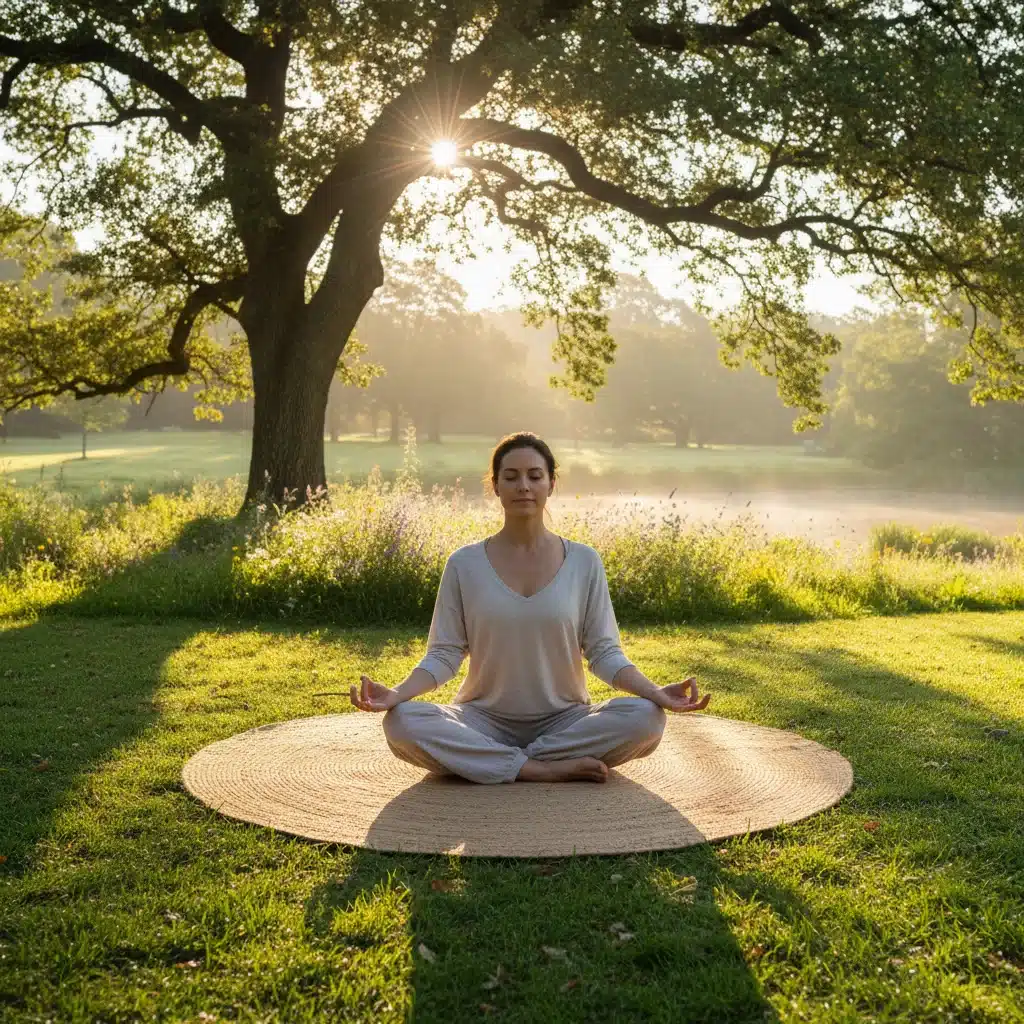
Benefits of Mindful Movement and Nature Connection:
- Reduces Cortisol Levels: Time in nature and exercise are known to lower stress hormones.
- Boosts Mood and Energy: Increases endorphins and vitalizes the body and mind.
- Improves Cognitive Function: Enhances focus, creativity, and problem-solving skills.
- Strengthens Physical Health: Regular movement improves cardiovascular health, flexibility, and strength.
- Fosters a Sense of Connection: Deepens your relationship with your body and the natural world, reducing feelings of isolation.
Incorporating this mindful living practice will not only alleviate stress but also infuse your life with vitality and a deeper appreciation for the world around you.
Integrating Mindful Living Practices into Your Daily Routine
The beauty of these mindful living practices lies in their simplicity and adaptability. You don’t need hours of dedicated time or special equipment. The key is consistency and a willingness to show up for yourself, even on challenging days. Here are some tips for seamless integration:
- Start Small: Don’t try to overhaul your entire life at once. Choose one practice to focus on for a week or two, then gradually add another.
- Stack Habits: Pair a new mindful practice with an existing habit. For example, do your 5-minute mindful breathing immediately after brushing your teeth, or write in your gratitude journal while your morning coffee brews.
- Set Reminders: Use your phone’s alarm or a calendar notification to prompt you for your chosen practice.
- Be Flexible: Life happens. If you miss a day, don’t chastise yourself. Simply acknowledge it and recommit for the next day. Perfection is not the goal; progress is.
- Create a Mindful Space: Designate a small area in your home that feels calm and inviting for your practices.
- Find an Accountability Partner: Share your goals with a friend or family member who can support and encourage you.
- Track Your Progress: Keep a simple log of your practices. Seeing your consistency can be incredibly motivating. Also, periodically reflect on how you feel. Are you noticing a difference in your stress levels? In your overall mood?
Remember, these aren’t just tasks to check off a list; they are opportunities to cultivate a more conscious and fulfilling way of being. Each moment you dedicate to these mindful living practices is an investment in your long-term well-being.
Measuring Your 15% Stress Reduction Goal
How do you quantify a 15% reduction in stress? While it’s not a precise science, there are several ways to gauge your progress and celebrate your achievements:
- Subjective Assessment: Regularly check in with yourself. On a scale of 1-10, how stressed do you feel today compared to when you started? Keep a simple journal entry of this number.
- Symptom Tracking: Are you experiencing fewer headaches, better sleep, less irritability, or improved digestion? These are common physical manifestations of reduced stress.
- Emotional Resilience: Do you find yourself bouncing back more quickly from setbacks? Are you less reactive to minor annoyances?
- Productivity and Focus: Are you able to concentrate better and feel less overwhelmed by your to-do list?
- External Feedback: Do friends, family, or colleagues comment on you seeming calmer or more at ease?
The 15% goal is a powerful motivator. By consistently engaging in these mindful living practices, you’ll likely notice gradual shifts that accumulate into significant improvements. Celebrate every small win, as each one contributes to your larger objective.
Beyond the Three Practices: Expanding Your Mindful Living Journey
While the three practices outlined – mindful breathing, gratitude journaling, and mindful movement in nature – provide an excellent foundation, mindful living practices extend into every aspect of your life. Once you’ve established a consistent routine with these core elements, consider exploring other avenues:
- Digital Detox: Periodically disconnect from screens to reduce sensory overload and reclaim mental space. Even an hour a day can be beneficial.
- Mindful Eating: Pay attention to the taste, texture, and smell of your food. Eat slowly and savor each bite. This not only aids digestion but also prevents overeating and enhances your enjoyment of meals.
- Mindful Listening: When conversing with others, truly listen without interrupting or formulating your response. Give them your full, undivided attention.
- Mindful Chores: Turn mundane tasks like washing dishes or cleaning into opportunities for mindfulness. Focus on the sensations, the sounds, the movements.
- Compassion Practices: Extend mindfulness to cultivate self-compassion and compassion for others. This can reduce self-criticism and foster more harmonious relationships.
Each of these additional mindful living practices can further deepen your sense of presence and contribute to a more peaceful existence. The journey of mindful living is continuous, offering endless opportunities for growth and self-discovery.
Conclusion: Embrace a Calmer, More Present You
Reducing stress by 15% this year is not just a dream; it’s an achievable reality when you commit to integrating effective mindful living practices into your daily life. By dedicating a few minutes each day to mindful breathing, cultivating gratitude through journaling, and reconnecting with your body and nature through mindful movement, you are actively choosing a path towards greater well-being.
The benefits extend far beyond just stress reduction. You’ll likely experience improved focus, enhanced emotional regulation, better sleep, stronger relationships, and a deeper appreciation for the simple joys of life. This isn’t about adding more to your already busy schedule; it’s about transforming how you engage with your schedule, injecting moments of peace and awareness into the fabric of your day.
Start today. Choose one practice, commit to it, and witness the profound shifts that begin to unfold. Your journey towards a calmer, more present, and significantly less stressed you begins now. Embrace these mindful living practices and step into a year of profound personal transformation.