Mastering Your Budget: 4 Key Adjustments for Inflation in 2026

Anúncios
In an ever-evolving global economy, the specter of inflation looms large, continually challenging the financial stability of households worldwide. As we look towards 2026, understanding and adapting to inflationary pressures will not just be beneficial, but absolutely crucial for maintaining your financial well-being. The rising cost of living can erode purchasing power, making it harder to save, invest, and even cover daily expenses. This comprehensive guide will equip you with four practical, actionable adjustments you can make to your monthly spending to effectively combat inflation in 2026. By proactively managing your finances, you can turn potential economic headwinds into opportunities for greater financial resilience.
Anúncios
Many individuals and families often feel helpless in the face of inflation, believing that its effects are beyond their control. While macroeconomic factors are indeed complex, your personal financial response is entirely within your grasp. A well-structured budget, regularly reviewed and adjusted, acts as your primary defense. It allows you to identify areas of overspending, reallocate resources to more pressing needs, and strategically plan for future financial goals. Our focus here is not just on cutting costs, but on optimizing your spending habits to ensure that every dollar works harder for you in an inflationary environment. Let’s delve into the essential strategies that will help you master budgeting for inflation in the coming year.
Anúncios
Understanding the Landscape: Why Inflation Matters in 2026
Before we dive into specific adjustments, it’s vital to grasp why budgeting for inflation is so critical, particularly as we approach 2026. Inflation, at its core, is the rate at which the general level of prices for goods and services is rising, and subsequently, the purchasing power of currency is falling. What cost $100 today might cost $103 or even $105 next year. While central banks strive for stable inflation rates, various factors – supply chain disruptions, geopolitical events, increased consumer demand, and monetary policies – can lead to unexpected spikes. These spikes directly impact your household budget, making everything from groceries and gasoline to housing and healthcare more expensive.
For 2026, economic forecasts suggest a continued need for vigilance. While some inflationary pressures may ease, others could persist or even intensify. Energy costs, for instance, are notoriously volatile and can significantly influence transportation and utility bills. Food prices, affected by weather patterns and global supply, can also see substantial increases. Understanding these potential shifts allows you to anticipate where your money might be stretched thin and where you need to be most strategic in your budgeting for inflation efforts. Ignoring inflation is akin to trying to navigate a ship without accounting for currents – you’ll inevitably drift off course. By acknowledging its impact, you empower yourself to take control.
Moreover, inflation doesn’t just affect your current spending; it also impacts your long-term financial goals. The value of your savings can diminish, and the cost of future aspirations, such as retirement, a down payment on a home, or your children’s education, can rise considerably. Therefore, an effective strategy for budgeting for inflation must encompass both immediate spending adjustments and a forward-looking perspective to protect your future purchasing power. It’s about building a robust financial framework that can withstand economic fluctuations.
Adjustment 1: Rigorous Expense Tracking and Categorization
The first and arguably most foundational adjustment to make when budgeting for inflation is to implement rigorous expense tracking and categorization. You cannot manage what you do not measure. In an inflationary environment, seemingly small, habitual expenditures can quickly add up and significantly impact your overall budget. Many people have a general idea of where their money goes, but a precise, detailed breakdown is essential for identifying areas where cuts or reallocations can be made without drastically altering your quality of life.
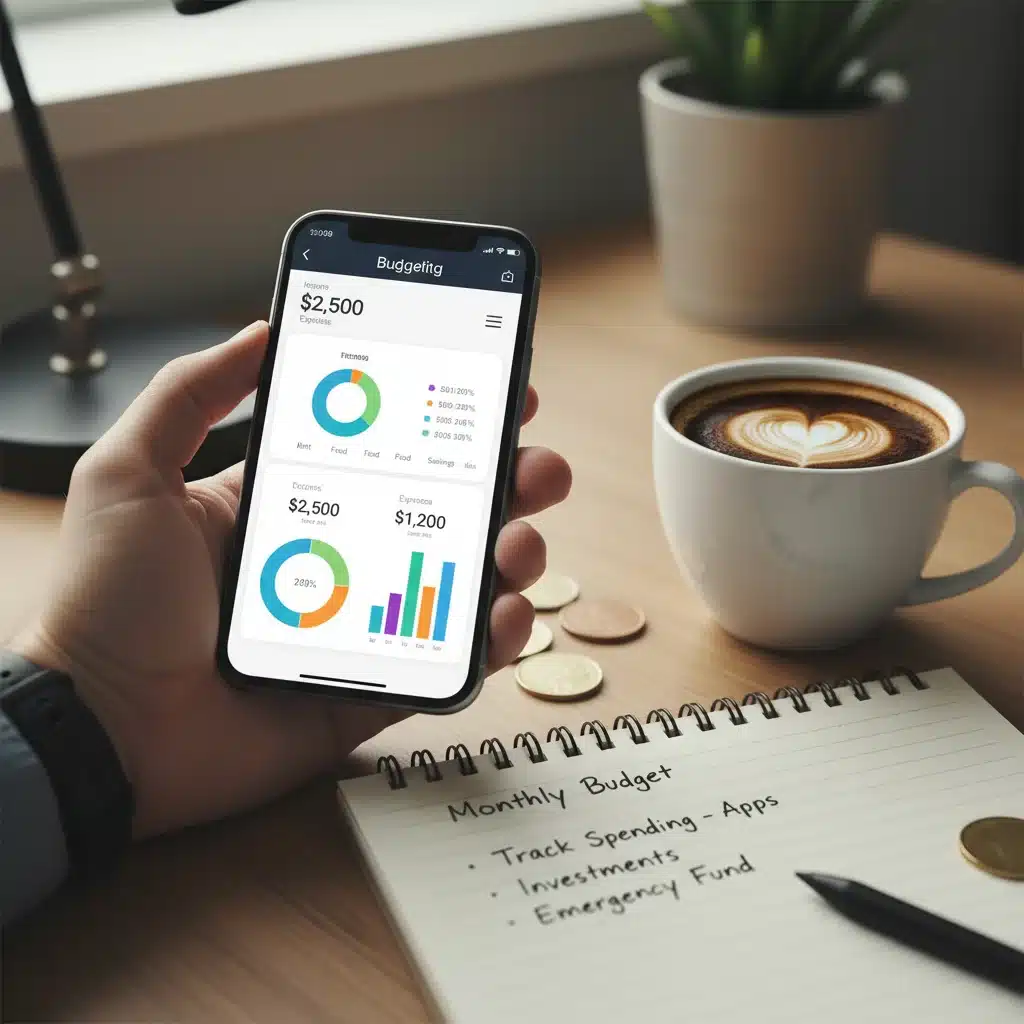
Start by tracking every single dollar you spend for at least one to three months. This can be done manually with a notebook, using a spreadsheet, or by leveraging budgeting apps. Many banking and credit card apps now offer automated categorization features, making this process much easier. The goal is to gain an accurate picture of your cash flow. Categorize your expenses into fixed costs (rent/mortgage, loan payments, insurance) and variable costs (groceries, entertainment, dining out, utilities). Within variable costs, further break them down into essential and non-essential categories. This granular view will reveal patterns and highlight ‘leakage’ points – areas where money is being spent without significant value or necessity.
Once you have a clear picture, you can identify areas for optimization. For example, you might discover that subscriptions you rarely use are costing you a significant amount annually. Or perhaps your dining out habits have become more frequent and expensive than you realized. By categorizing, you can challenge each expense: Is this essential? Can I find a cheaper alternative? Can I reduce the frequency? This systematic approach is critical for effective budgeting for inflation. It’s not about deprivation, but about intentional spending and ensuring your money aligns with your priorities, especially when its purchasing power is under threat.
Reviewing these categories regularly – perhaps weekly or bi-weekly – allows you to stay on top of your spending. Inflation means that the cost of items within these categories can change quickly. What was a reasonable grocery budget last month might be insufficient this month. By tracking, you can spot these increases immediately and adjust your spending in other variable categories to compensate, maintaining your overall budget integrity. This active management is a cornerstone of smart budgeting for inflation.
Adjustment 2: Strategic Shopping and Consumption Habits
The second crucial adjustment involves adopting more strategic shopping and consumption habits. When budgeting for inflation, simply cutting expenses isn’t always enough; you also need to make your remaining spending more efficient. This means becoming a more discerning consumer and actively seeking ways to get more value for your money. This shift in mindset can lead to significant savings over time, especially in categories like groceries, transportation, and household goods.
For groceries, which are often a major variable expense, consider meal planning. By planning your meals for the week, you can create a precise shopping list, avoid impulse purchases, and reduce food waste. Explore bulk buying for non-perishable items when sales are available, but be mindful of storage and actual consumption to prevent spoilage. Embrace generic or store-brand products, which often offer comparable quality at a lower price point. Utilizing loyalty programs, coupons, and cashback apps can also provide noticeable savings. Shopping at different stores for specific items where they are cheapest, if feasible, can also contribute to a leaner grocery bill. The goal is to maximize the nutritional and economic value of every food purchase.
Transportation costs are another area ripe for strategic adjustments. With fluctuating fuel prices, combining errands, carpooling, or utilizing public transportation more frequently can reduce your expenditure. For shorter distances, consider walking or cycling not only for savings but also for health benefits. If you own a vehicle, maintaining it properly can improve fuel efficiency and prevent costly repairs. Evaluating your insurance provider periodically to ensure you’re getting the best rates is also a smart move in an inflationary period.
Beyond groceries and transport, apply strategic thinking to other consumption areas. For household goods, consider buying second-hand, repairing items instead of replacing them, or borrowing tools and equipment you only need occasionally. Review your utility usage: simple changes like adjusting thermostat settings, unplugging electronics, and using energy-efficient appliances can lead to lower bills. When it comes to entertainment, look for free or low-cost alternatives, such as public parks, libraries, or free community events. These strategic shifts in how you shop and consume are fundamental to effective budgeting for inflation.
Furthermore, reconsider your subscription services. Many households accumulate numerous streaming, app, and delivery service subscriptions over time. Periodically audit these services, canceling those you no longer use or consolidating them where possible. The cumulative cost of these seemingly small monthly fees can be substantial, and reallocating these funds can significantly bolster your ability to cope with rising prices elsewhere. Every dollar saved through smart consumption is a dollar that retains its purchasing power.
Adjustment 3: Prioritizing Debt Reduction and Emergency Savings
The third critical adjustment when budgeting for inflation is a dual focus on prioritizing debt reduction and bolstering your emergency savings. These two financial pillars become even more important during inflationary periods. High-interest debt, such as credit card balances, becomes a heavier burden as the cost of everything else rises. Similarly, a robust emergency fund acts as a crucial buffer against unexpected expenses, preventing you from incurring new debt when prices are already elevated.
Tackling high-interest debt should be a top priority. As inflation pushes up the cost of living, the interest payments on your debt consume an increasingly larger portion of your income. The ‘debt snowball’ or ‘debt avalanche’ methods can be highly effective. The debt snowball focuses on paying off the smallest debts first to build momentum, while the debt avalanche prioritizes debts with the highest interest rates to save the most money over time. Whichever method you choose, aggressively paying down debt frees up cash flow that can then be redirected to other essential areas of your budget or into savings. This not only reduces your financial stress but also improves your overall financial health, making you more resilient to inflationary pressures.
Simultaneously, building and maintaining an adequate emergency fund is non-negotiable. Inflation means that the cost of emergencies (car repairs, medical bills, sudden job loss) will also increase. Experts typically recommend having 3 to 6 months’ worth of essential living expenses saved in an easily accessible, high-yield savings account. In an inflationary environment, aiming for the higher end of this range, or even more, can provide greater peace of mind. This fund prevents you from having to rely on credit cards or loans, which often come with high-interest rates that exacerbate financial strain during periods of rising prices. Think of your emergency fund as your personal inflation-proof shield.
If you’re struggling to contribute to both debt reduction and emergency savings, consider a hybrid approach. Allocate a portion of your extra funds to paying down debt and another portion to building your emergency fund. Even small, consistent contributions to both can make a significant difference over time. Reviewing your budget from Adjustment 1 will help identify funds that can be reallocated to these critical areas. By strengthening these two financial foundations, you create a more stable and secure financial future, better prepared for the challenges of budgeting for inflation in 2026.

Adjustment 4: Exploring Income Diversification and Investment Optimization
The fourth and perhaps most proactive adjustment for budgeting for inflation involves exploring income diversification and optimizing your investments. While managing expenses is crucial, increasing your income streams can significantly enhance your ability to combat inflation’s effects. Furthermore, ensuring your savings and investments are working efficiently can help preserve and even grow your wealth against rising prices.
Consider opportunities for income diversification. This doesn’t necessarily mean taking on a second full-time job. It could involve leveraging existing skills to freelance, starting a small side hustle, or even monetizing a hobby. For instance, if you have a skill in writing, graphic design, web development, or tutoring, platforms exist to connect you with clients. Selling unused items around your home, participating in paid surveys, or even offering local services like pet sitting or gardening can provide supplementary income. Even a few hundred extra dollars a month can make a substantial difference in easing budgetary pressures caused by inflation, allowing you more flexibility in your spending and saving.
On the investment front, inflation erodes the real return on your investments. Cash held in traditional savings accounts, for example, often loses purchasing power during inflationary periods because interest rates don’t keep pace with price increases. Therefore, it’s essential to review and potentially rebalance your investment portfolio. Consider inflation-hedging assets such as Treasury Inflation-Protected Securities (TIPS), real estate, commodities, or dividend-paying stocks. Consult with a financial advisor to ensure your investment strategy aligns with your risk tolerance and long-term goals, while also accounting for inflationary pressures.
For those contributing to retirement accounts like 401(k)s or IRAs, ensure you are maximizing your contributions, especially if your employer offers a match. An employer match is essentially free money and provides an immediate return on your investment, helping to offset inflationary erosion. Regularly reviewing your investment choices within these accounts and diversifying across different asset classes can also help protect your wealth. The key is to ensure your money isn’t just sitting idle but is actively working to outpace inflation.
Finally, invest in yourself. Acquiring new skills or furthering your education can lead to higher-paying job opportunities, providing a more robust defense against inflation. This could be through online courses, certifications, or even advanced degrees. The value of human capital is often one of the best long-term hedges against economic shifts. By proactively seeking ways to increase your income and optimize your investments, you transform your approach from merely reacting to inflation to strategically thriving despite it. This forward-thinking strategy is integral to successful budgeting for inflation.
Putting It All Together: Your Action Plan for 2026
Navigating the economic landscape of 2026 with its inherent inflationary challenges requires a proactive, strategic, and disciplined approach to your personal finances. The four adjustments discussed – rigorous expense tracking, strategic shopping, prioritizing debt reduction and emergency savings, and exploring income diversification and investment optimization – are not isolated steps but interconnected components of a comprehensive financial strategy. Implementing them in tandem will provide the strongest defense against the erosion of your purchasing power.
Start with a thorough audit of your current financial situation. Use the insights gained from rigorous expense tracking to identify where your money is truly going. This foundational step will inform all subsequent adjustments. Once you understand your spending patterns, you can begin to make strategic cuts and reallocations, focusing on optimizing your shopping habits to get more value for every dollar. Remember, small, consistent changes in consumption can lead to significant savings over time.
Simultaneously, make it a priority to aggressively tackle any high-interest debt you may have. The money freed up from interest payments can then be channeled into building or reinforcing your emergency fund, providing a critical safety net against unexpected expenses that are likely to be more costly due to inflation. This dual focus on debt reduction and savings creates a strong financial foundation, reducing financial stress and increasing your resilience.
Finally, don’t just play defense; play offense. Explore avenues for increasing your income, whether through side hustles, skill development, or career advancement. At the same time, ensure your investments are strategically positioned to at least keep pace with, if not outpace, inflation. Regular reviews of your portfolio with a financial advisor are highly recommended to make sure your assets are working as hard as possible for you.
The journey of budgeting for inflation is ongoing. It requires continuous monitoring, evaluation, and adaptation. Economic conditions can change, and so too should your financial plan. By embracing these four practical adjustments, you’re not just reacting to inflation; you’re taking control, building resilience, and setting yourself up for financial stability and growth in 2026 and beyond. Your financial future is in your hands – empower yourself with these strategies.