Mastering Subscription Management: Unsubscribe and Save Money

Anúncios
In today’s digital age, subscriptions have become an integral part of our daily lives. From streaming services and fitness apps to software licenses and gourmet meal kits, it seems like there’s a subscription for everything. While these services offer convenience and access to a wealth of content and tools, they can also silently drain our bank accounts if not properly managed. The cumulative cost of numerous small monthly fees can quickly add up, leaving us wondering where all our money went. This phenomenon, often dubbed ‘subscription creep,’ is a common financial pitfall that many individuals face without even realizing it. The ease of signing up, often with a free trial that seamlessly transitions into a paid service, makes it incredibly simple to accumulate subscriptions that we rarely use or no longer need. This article will guide you on how to manage subscriptions effectively, providing a comprehensive strategy to identify, review, and ultimately cut unnecessary expenses, saving you hundreds, if not thousands, of dollars annually. Our goal is to empower you with the knowledge and tools to take control of your recurring payments and optimize your financial well-being.
Anúncios
The Silent Drain: Understanding Subscription Creep
Subscription creep is a subtle yet significant financial challenge that affects millions. It’s the gradual accumulation of recurring charges for services you may have signed up for months or even years ago, often forgetting they exist. These charges, individually small, become substantial when aggregated. Think about it: a $9.99 streaming service here, a $14.99 fitness app there, perhaps a $5.99 cloud storage plan, and suddenly you’re looking at an extra $50, $100, or even more, leaving your bank account each month without much thought. The problem is exacerbated by the auto-renewal feature, which is designed for convenience but often works against consumers who forget to cancel. Many subscriptions start with a ‘free trial,’ which automatically converts into a paid subscription unless actively canceled. This seamless transition is a major contributor to subscription creep, as initial excitement often fades, but the charges continue. Furthermore, companies often make it intentionally difficult to cancel, hiding cancellation options deep within menus or requiring phone calls during business hours, adding another layer of friction that discourages users from unsubscribing. Understanding this phenomenon is the first critical step to manage subscriptions effectively and reclaim your financial power.
Anúncios
Why We Accumulate So Many Subscriptions
There are several psychological and practical reasons why we tend to accumulate an excessive number of subscriptions. Firstly, the ‘fear of missing out’ (FOMO) plays a significant role. We want access to the latest movies, the most popular music, or the trendiest fitness classes, leading us to sign up for multiple services to ensure we don’t miss out on anything. Secondly, the allure of ‘free trials’ is incredibly powerful. A week or a month of free access seems harmless, but as mentioned, these trials often auto-renew, turning into recurring charges. Thirdly, convenience is a major factor. Subscriptions simplify access to goods and services, eliminating the need for individual purchases or physical trips. Need groceries? There’s a delivery service. Want to learn a new skill? There are countless online learning platforms. This convenience, while valuable, comes at a cost. Lastly, the low perceived individual cost of each subscription makes it easy to justify. A few dollars here and there don’t seem like much, but the cumulative effect is often overlooked. To truly manage subscriptions effectively, it’s crucial to acknowledge these underlying behaviors and address them head-on.
The 15-Minute Financial Review: Your First Step to Savings
The good news is that taking control of your subscriptions doesn’t require hours of tedious work. A focused, 15-minute financial review can be surprisingly effective. This initial audit is designed to quickly identify your current recurring expenses and provide a clear picture of where your money is going. The key is to approach this task with a clear mind and a goal of maximizing your savings. Don’t underestimate the power of this quick review; many people are astonished by the amount they discover they’re spending unnecessarily. This dedicated time slot allows you to cut through the noise and focus solely on your recurring payments, making it easier to make informed decisions. The objective is not just to identify subscriptions, but to categorize them and prepare for the next steps of evaluation and action. This active engagement with your finances is a cornerstone of learning how to manage subscriptions effectively.
Step 1: Gather Your Financial Statements
The very first action in your 15-minute review is to gather all relevant financial statements. This includes credit card statements, bank statements, and any online payment platform histories (like PayPal or Apple Pay). Digital access makes this process much faster. Log into your online banking portals and credit card accounts. Most financial institutions allow you to view and download statements for several months or even years. Focus on the last 3-6 months to get a comprehensive overview of your recurring charges. It’s important to look beyond just the obvious charges and scrutinize every transaction. Sometimes, subscriptions are disguised under vague merchant names or appear as smaller, less noticeable amounts. Create a dedicated space for this review, free from distractions, to ensure you can concentrate fully on identifying every single recurring payment. This meticulous approach is vital to uncover all hidden subscriptions and truly manage subscriptions effectively.
Step 2: List Every Recurring Charge
Once you have your statements, the next step is to create a comprehensive list of every single recurring charge. You can do this using a simple spreadsheet, a notebook, or even a dedicated app. For each recurring charge, note down: the service name, the monthly or annual cost, and the date of the last charge. Don’t just focus on the obvious ones like Netflix or Spotify. Look for gym memberships, software licenses, cloud storage plans, online newspaper subscriptions, delivery services, and even smaller app subscriptions. Be diligent and thorough. You might be surprised to find subscriptions you completely forgot about, or even charges for services you thought you had canceled. This detailed inventory forms the foundation of your subscription management strategy. Without a clear list, it’s impossible to make informed decisions about what to keep and what to cut. This step is where you truly begin to manage subscriptions effectively by gaining full visibility into your spending.
Evaluate and Categorize: What Stays, What Goes?
With your comprehensive list in hand, the next phase is critical: evaluating each subscription and categorizing it. This is where you make conscious decisions about the value each service brings to your life versus its cost. It’s not just about cutting everything; it’s about optimizing your spending to align with your actual needs and priorities. This evaluation requires a degree of honesty with yourself about how often you use a service and how much enjoyment or utility you derive from it. Avoid the trap of keeping something ‘just in case’ if ‘just in case’ rarely happens. Each subscription should justify its place in your budget, contributing positively to your lifestyle or financial goals. This systematic approach allows you to manage subscriptions effectively and ensure every dollar spent is a dollar well spent.
Category 1: Essential Subscriptions (Keep)
These are the subscriptions that are vital for your daily life, work, or well-being. This might include your internet service, phone plan, essential productivity software (like Microsoft 365 for work), or a legitimate security system monitoring service. These are services you simply cannot do without, or those that provide indispensable value that far outweighs their cost. However, even within this category, it’s worth considering if you’re on the most cost-effective plan. Could you downgrade your internet speed without noticeable impact? Are there cheaper phone plans available with similar features? Even ‘essential’ doesn’t mean ‘never review.’ Periodically checking these services ensures you’re always getting the best value. But for the purpose of this initial review, these are the ones you’ll definitely keep. This careful distinction helps you to manage subscriptions effectively without sacrificing crucial services.
Category 2: Value-Added Subscriptions (Consider Keeping/Optimizing)
This category includes subscriptions that you use regularly and genuinely enjoy, but which might have alternatives or opportunities for optimization. Examples include streaming services (Netflix, Hulu, Disney+), music platforms (Spotify, Apple Music), fitness apps, or premium news subscriptions. For these, ask yourself:
- How often do I use this service? If it’s daily or weekly, it likely offers good value. If it’s once a month or less, it might be a candidate for cancellation.
- Do I use all the features? Many services offer tiered plans. Are you paying for premium features you never utilize?
- Are there cheaper alternatives? Could you switch to a free version with ads, or a lower-cost competitor?
- Can I rotate services? Instead of subscribing to three streaming services simultaneously, could you subscribe to one for a few months, binge-watch your desired content, then cancel and switch to another? This ‘subscription cycling’ is a powerful strategy to manage subscriptions effectively.
- Are there family plans available? If multiple people in your household use a service, a family plan might be more cost-effective than individual subscriptions.
This category requires a more nuanced decision-making process. The goal is to maximize value while minimizing cost. Don’t be afraid to be ruthless if a service isn’t truly enhancing your life or if a cheaper alternative exists. This is a key step to manage subscriptions effectively.
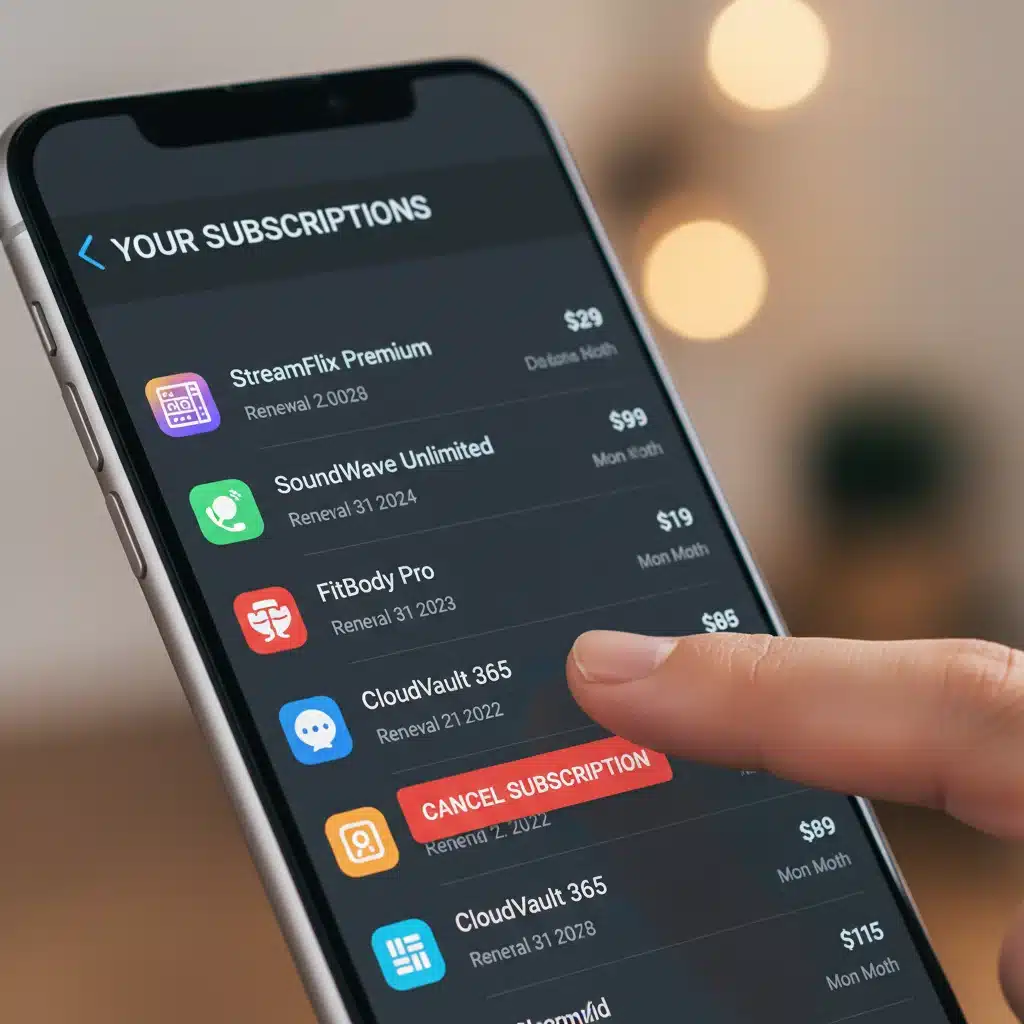
Category 3: Unused or Unnecessary Subscriptions (Cancel Immediately)
This is where the biggest savings often lie. This category includes services you signed up for and forgot about, free trials that converted to paid subscriptions you never used, or services that no longer align with your interests or needs. Be honest with yourself. That language learning app you used for two weeks? The premium podcast subscription you never listen to? The niche streaming service with only one show you liked? These are prime candidates for immediate cancellation. Don’t fall into the trap of thinking, ‘I might use it someday.’ If ‘someday’ hasn’t arrived in months, it’s highly unlikely to. Every dollar saved from this category is pure profit back into your pocket. Act decisively here. The quicker you cancel these, the faster you’ll see tangible savings. This is the most direct way to manage subscriptions effectively and reduce your monthly outflows.
The Art of Cancellation: How to Unsubscribe Gracefully (and Effectively)
Once you’ve decided which subscriptions to cut, the next crucial step is the actual cancellation process. This can sometimes be more challenging than anticipated, as some companies intentionally make it difficult to unsubscribe. However, armed with the right strategies, you can navigate these hurdles efficiently and ensure your recurring charges stop. Don’t delay the cancellation process; doing so only means more money leaving your account unnecessarily. The goal is to make this process as smooth and final as possible, preventing any future charges. Being proactive in your cancellations is a hallmark of truly knowing how to manage subscriptions effectively.
Method 1: Direct Through the Service Provider
The most straightforward way to cancel is usually directly through the service provider’s website or app. Log into your account and look for sections like ‘Account Settings,’ ‘Subscriptions,’ ‘Billing,’ or ‘Manage Membership.’ The cancellation option is often found there. Be prepared for potential ‘save attempts’ – companies might offer discounts, free months, or alternative plans to try and retain you. Evaluate these offers carefully. If the offer makes sense and aligns with your revised budget and usage, it might be worth considering. However, if your goal is to eliminate the service entirely, politely decline and proceed with the cancellation. Always look for a confirmation email or screen that verifies your subscription has been terminated. Keep this confirmation for your records. This direct method is often the quickest way to manage subscriptions effectively.
Method 2: Using Your Bank or Credit Card Company
If you’re having trouble canceling directly with the provider (e.g., they make it excessively difficult, or you can’t access your account), your bank or credit card company can often help. You can typically place a ‘stop payment’ or dispute a recurring charge. Be aware that this should generally be a last resort, as it can sometimes lead to issues with the service provider (e.g., your account might be sent to collections if they believe a legitimate charge was stopped). However, for truly unresponsive or deceptive companies, this can be an effective way to stop unwanted charges. Contact your bank’s customer service and explain the situation. They will guide you through their specific process for stopping recurring payments. This method provides a safety net when trying to manage subscriptions effectively against uncooperative vendors.
Method 3: Third-Party Subscription Management Apps
Several apps are designed specifically to help you manage subscriptions effectively. Apps like Truebill (now Rocket Money), Mint, or Trim can scan your financial accounts, identify recurring subscriptions, and in some cases, even help you cancel them directly from the app. These tools can be incredibly useful for those with many subscriptions or who prefer an automated approach. They often provide a centralized dashboard to view all your recurring expenses, send alerts for upcoming renewals, and offer insights into your spending habits. While some of these apps may have premium features that cost money, their free versions often provide enough functionality to make a significant difference. Utilizing these tools can streamline your efforts to manage subscriptions effectively and keep track of your financial commitments.
Advanced Strategies for Long-Term Savings
Cutting subscriptions is not a one-time event; it’s an ongoing process. To truly manage subscriptions effectively and maximize your savings in the long term, consider implementing some advanced strategies. These techniques go beyond simple cancellation and focus on optimizing your subscription portfolio and preventing future creep.
Strategy 1: Subscription Cycling
As mentioned earlier, subscription cycling involves rotating through streaming services, fitness apps, or other entertainment platforms. Instead of paying for multiple services simultaneously, subscribe to one, consume the content you want, and then cancel it. Move on to another service for a few months, and repeat. This allows you to access a wide variety of content without the cumulative cost of maintaining all subscriptions at once. For example, you might subscribe to HBO Max for a month to watch a specific series, then cancel and switch to Apple TV+ for their exclusive content. This dynamic approach ensures you only pay for what you’re actively using. This mindful rotation is a smart way to manage subscriptions effectively without feeling deprived.
Strategy 2: Annual vs. Monthly Billing
Many services offer a discount if you pay annually instead of monthly. If you’ve identified a subscription as truly essential and you know you’ll use it for the entire year, switching to an annual plan can lead to significant savings. However, be cautious with this strategy. Only commit to annual payments for services you are absolutely certain you will use for the long term. If there’s any doubt, stick with monthly payments to maintain flexibility. The upfront cost of an annual plan can also be a deterrent, but the percentage savings can be substantial. Always compare the total annual cost of monthly payments versus the discounted annual payment before making a decision. This strategic choice is an important aspect of how to manage subscriptions effectively for greater savings.
Strategy 3: Share with Friends and Family (Legally!)
Many streaming and software services offer family plans or allow for multiple user profiles under a single subscription. If you have friends or family members who use the same services, consider pooling resources and sharing the cost. For instance, a family Spotify plan or a shared Netflix account (within their terms of service) can drastically reduce individual costs. Always ensure you are adhering to the service’s terms and conditions regarding sharing. This collaborative approach can be a win-win, allowing everyone to enjoy premium services at a fraction of the cost. This communal strategy helps to manage subscriptions effectively while fostering sharing.
Strategy 4: Utilize Free Alternatives and Public Resources
Before subscribing to a new service, always check if there are free or low-cost alternatives available. For example, instead of a premium fitness app, could you use free workout videos on YouTube? Instead of multiple news subscriptions, could you rely on public library access to digital magazines and newspapers? Libraries often offer free access to a vast array of digital content, including e-books, audiobooks, movies, and even online courses. Explore these resources before committing to a paid subscription. This conscious effort to seek out free options is a powerful way to manage subscriptions effectively and reduce your overall spending.

Strategy 5: Set Reminders for Free Trials
To prevent future subscription creep, develop a habit of setting calendar reminders for the end date of every free trial you sign up for. Set the reminder a day or two before the trial ends, giving you enough time to decide whether to continue the service or cancel before being charged. This simple proactive step can save you from countless unwanted charges and is a fundamental habit for anyone looking to manage subscriptions effectively in the long run.
Reaping the Rewards: The Financial and Mental Benefits
The act of reviewing and cutting your subscriptions isn’t just about saving money; it’s about gaining control, reducing financial stress, and aligning your spending with your values. The financial benefits are obvious: extra money in your bank account that can be used for savings, investments, debt repayment, or discretionary spending on things that truly matter to you. Imagine what you could do with an extra $50, $100, or even $200 per month! Over a year, this could amount to a significant sum, enough for a vacation, a new gadget, or a substantial contribution to your emergency fund. This tangible financial relief is a powerful motivator to manage subscriptions effectively.
Beyond the monetary savings, there are significant mental and emotional benefits. A cluttered financial life can be a source of subconscious stress. Knowing exactly where your money is going and that you’re not paying for services you don’t use brings a sense of peace and order. It’s empowering to take an active role in your financial health. This process also encourages mindfulness about your consumption habits, making you more intentional about what you sign up for in the future. You’ll become more discerning, asking yourself if a new service truly adds value before committing. This newfound financial clarity and control are invaluable, reinforcing the importance of learning how to manage subscriptions effectively.
Conclusion: Make Subscription Management a Habit
In conclusion, mastering the art of subscription management is a crucial skill in today’s subscription-heavy economy. What might seem like small, insignificant monthly charges can quickly accumulate into a substantial drain on your finances. By dedicating just 15 minutes to an initial review, you can uncover hidden expenses and identify opportunities for significant savings. The process of gathering statements, listing charges, and categorizing subscriptions into essential, value-added, and unnecessary categories provides a clear roadmap for action. Don’t shy away from canceling services that no longer serve you, and explore advanced strategies like subscription cycling, annual billing, sharing options, and utilizing free alternatives to optimize your spending further. Remember to set reminders for free trials to prevent future subscription creep. The financial rewards of saving hundreds of dollars annually are substantial, but the mental peace and control you gain over your finances are equally valuable. Make subscription management a regular habit, perhaps a quarterly or bi-annual review, to ensure your spending always aligns with your needs and financial goals. By actively choosing to manage subscriptions effectively, you are not just cutting costs; you are building a stronger, more intentional financial future.