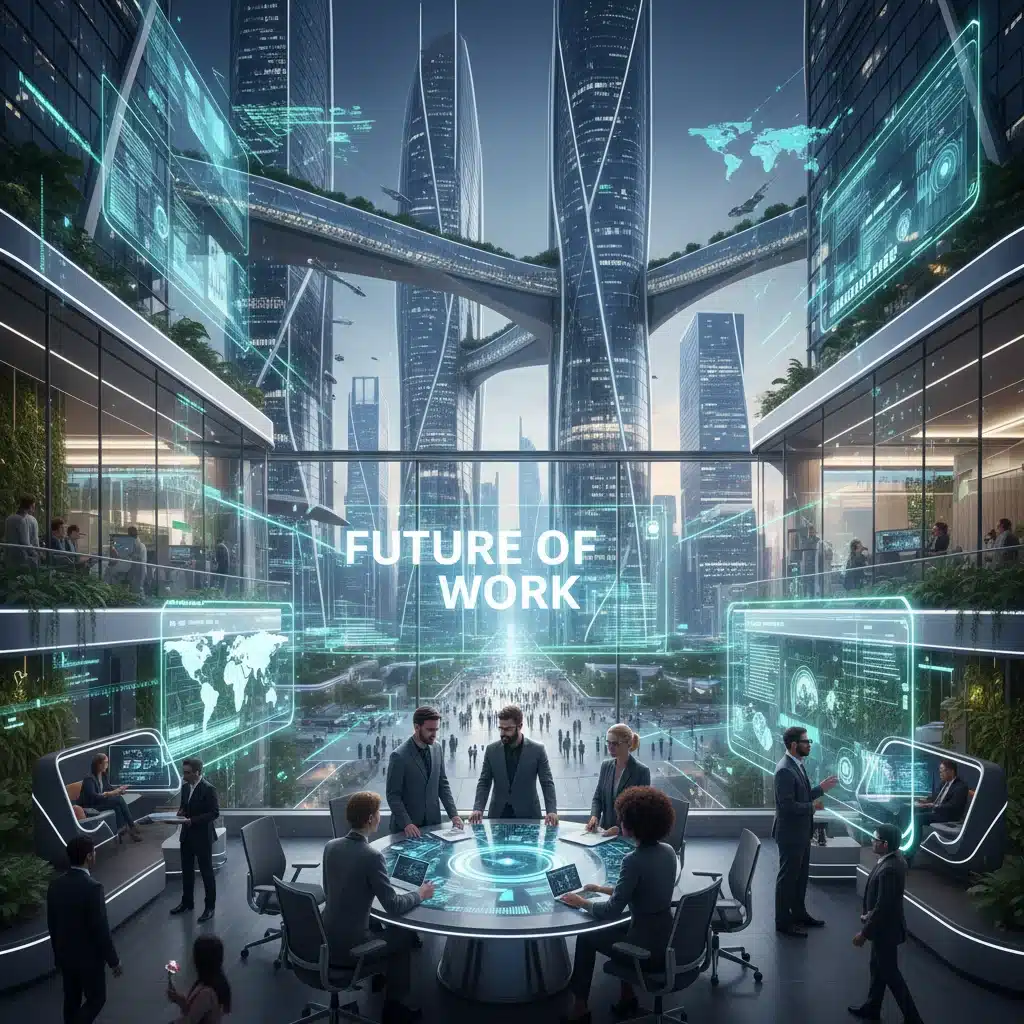
The landscape of work is in a perpetual state of flux, constantly reshaped by forces both visible and unseen. As we hurtle towards 2026, the United States workforce stands at a critical juncture, poised to undergo transformative changes driven by a confluence of powerful economic trends. Understanding these trends is not merely an academic exercise; it is an imperative for policymakers, businesses, educators, and individuals alike to navigate the challenges and seize the opportunities that lie ahead. This comprehensive exploration delves into the primary economic forces that will define the future work trends in the U.S. by 2026, offering insights into the evolving nature of employment, the demand for new skills, and the societal implications of these shifts.
The Digital Tsunami: Automation, AI, and the Fourth Industrial Revolution
At the forefront of these transformative trends is the relentless march of technological advancement. The Fourth Industrial Revolution, characterized by the fusion of physical, digital, and biological worlds, continues to accelerate, bringing with it an unprecedented level of automation and the pervasive integration of Artificial Intelligence (AI) across all sectors. By 2026, the impact of these technologies on the U.S. workforce will be profound and multifaceted.
Anúncios
Automation, once primarily confined to manufacturing floors, is now permeating white-collar jobs. Repetitive tasks, data entry, and even some analytical functions are increasingly being handled by algorithms and robotic process automation (RPA). While this raises concerns about job displacement, it also creates new roles focused on designing, implementing, and maintaining these automated systems. The demand for engineers, data scientists, AI specialists, and robotics technicians will surge, highlighting a significant skills gap that needs urgent addressing.
Artificial Intelligence, beyond simple automation, is beginning to augment human capabilities in more sophisticated ways. AI-powered tools are assisting doctors in diagnostics, lawyers in legal research, and marketers in predictive analytics. This augmentation doesn’t necessarily replace human workers but rather transforms their roles, requiring them to work collaboratively with AI systems. The emphasis shifts from performing rote tasks to critical thinking, problem-solving, creativity, and emotional intelligence – skills that AI currently struggles to replicate.
Anúncios
The rise of these technologies also fuels the growth of new industries and services. Think of the burgeoning fields of virtual and augmented reality, personalized medicine, and sustainable energy solutions. Each of these creates entirely new job categories that did not exist a decade ago. Businesses that embrace these technologies early will gain a competitive edge, while those that lag risk obsolescence. For the workforce, this means a continuous need for learning and adaptation, making lifelong learning not just a buzzword but a necessity.
The challenge lies in managing this transition equitably. Policies will be needed to support workers displaced by automation, providing pathways for reskilling and upskilling. Education systems must adapt to prepare future generations for a world where digital literacy and computational thinking are as fundamental as traditional literacy and numeracy. The digital divide, if left unaddressed, could exacerbate existing inequalities, creating a two-tiered workforce where those with advanced digital skills thrive, and others struggle to find meaningful employment.
Demographic Shifts: Aging Population and Generational Dynamics
Another powerful force shaping the future work trends in the U.S. is the country’s evolving demographic landscape. The aging of the baby boomer generation continues to accelerate, leading to a significant outflow of experienced workers from the labor force. By 2026, this trend will have several critical implications.
Firstly, it will create labor shortages in certain sectors, particularly those requiring specialized knowledge and experience. Industries like healthcare, education, and skilled trades are already feeling the pinch, and this will intensify. Businesses will need to find innovative ways to retain older workers, perhaps through flexible work arrangements, part-time opportunities, or mentorship roles. The transfer of institutional knowledge from retiring workers to younger generations will become a critical concern.
Secondly, the workforce will become increasingly multi-generational, with up to five generations working side-by-side. This presents both opportunities and challenges. Younger generations (Millennials and Gen Z) bring digital native skills, a desire for purpose-driven work, and different expectations regarding work-life balance. Older generations offer invaluable experience, wisdom, and a strong work ethic. Bridging these generational gaps through inclusive workplace cultures, reverse mentoring programs, and tailored management styles will be essential for fostering productivity and innovation.
Immigration will also play a crucial role in mitigating labor shortages and injecting new dynamism into the workforce. However, immigration policies and their implementation will significantly influence the extent to which this potential is realized. Furthermore, increasing diversity within the workforce, encompassing not just age and origin but also gender, ethnicity, and socio-economic background, will continue to be a focus. Companies that champion diversity and inclusion are often more innovative and resilient, better reflecting the diverse customer base they serve.
The shift in demographics also influences consumer behavior and demand for goods and services. An aging population, for instance, will drive increased demand for healthcare services, elder care, and technologies that support independent living. This will create new job opportunities in these sectors, further reshaping the occupational landscape. Understanding these demographic shifts is vital for strategic workforce planning and for developing products and services that cater to an evolving population.
The Gig Economy’s Expansion and the Blurring Lines of Employment
The rise of the gig economy has been one of the most prominent future work trends of the past decade, and its expansion is set to continue unabated towards 2026. Driven by technological platforms that connect freelancers with clients, a growing number of individuals are opting for independent work, project-based assignments, and flexible schedules.
This shift is fueled by several factors: the desire for autonomy and flexibility among workers, the ability for companies to access specialized talent on demand without the overhead of full-time employees, and the increasing ease of connecting supply and demand through digital platforms. By 2026, the gig economy will likely encompass a much broader range of professions, from creative and technical roles to professional services and consulting.
The expansion of the gig economy has profound implications for traditional employment models. It challenges the conventional understanding of the employer-employee relationship, raising questions about benefits, social safety nets, and worker protections. Policymakers are grappling with how to adapt existing labor laws to accommodate this growing segment of the workforce, ensuring that gig workers have access to fair wages, health insurance, and retirement savings without stifling innovation or the flexibility that attracts many to this model.
For businesses, the gig economy offers unparalleled agility, allowing them to scale their workforce up or down based on project needs and access a global talent pool. However, it also requires new strategies for talent management, quality control, and fostering a sense of community and loyalty among a distributed, temporary workforce. Companies will need to master the art of blending a core full-time team with a fluid network of contractors and freelancers.
Individuals, on the other hand, must develop a new set of entrepreneurial skills. Self-marketing, financial planning, continuous skill development, and networking become paramount in a gig-based career. While offering freedom, it also places greater responsibility on the individual for their own career trajectory and financial security. The psychological impact of less stable employment, alongside the benefits of flexibility, will also be a significant area of discussion and adaptation.
Global Economic Interconnectedness and Supply Chain Resilience
The U.S. economy does not operate in a vacuum; it is intricately linked to global economic forces. By 2026, increased global interconnectedness, coupled with lessons learned from recent supply chain disruptions, will significantly influence domestic future work trends.
Geopolitical shifts, trade agreements, and economic growth in other regions will continue to impact U.S. industries and job markets. Companies with global operations will need employees who possess cross-cultural communication skills, foreign language proficiency, and an understanding of international business practices. The ability to navigate complex global regulatory environments will also be highly valued.
The emphasis on supply chain resilience, brought to the fore by recent crises, will lead to a re-evaluation of global manufacturing and logistics strategies. While full reshoring is unlikely, there will be a push towards diversification, regionalization, and increased domestic production in critical sectors. This could create new manufacturing jobs in the U.S., but these jobs will likely be highly automated and require advanced technical skills, differing significantly from traditional factory roles.
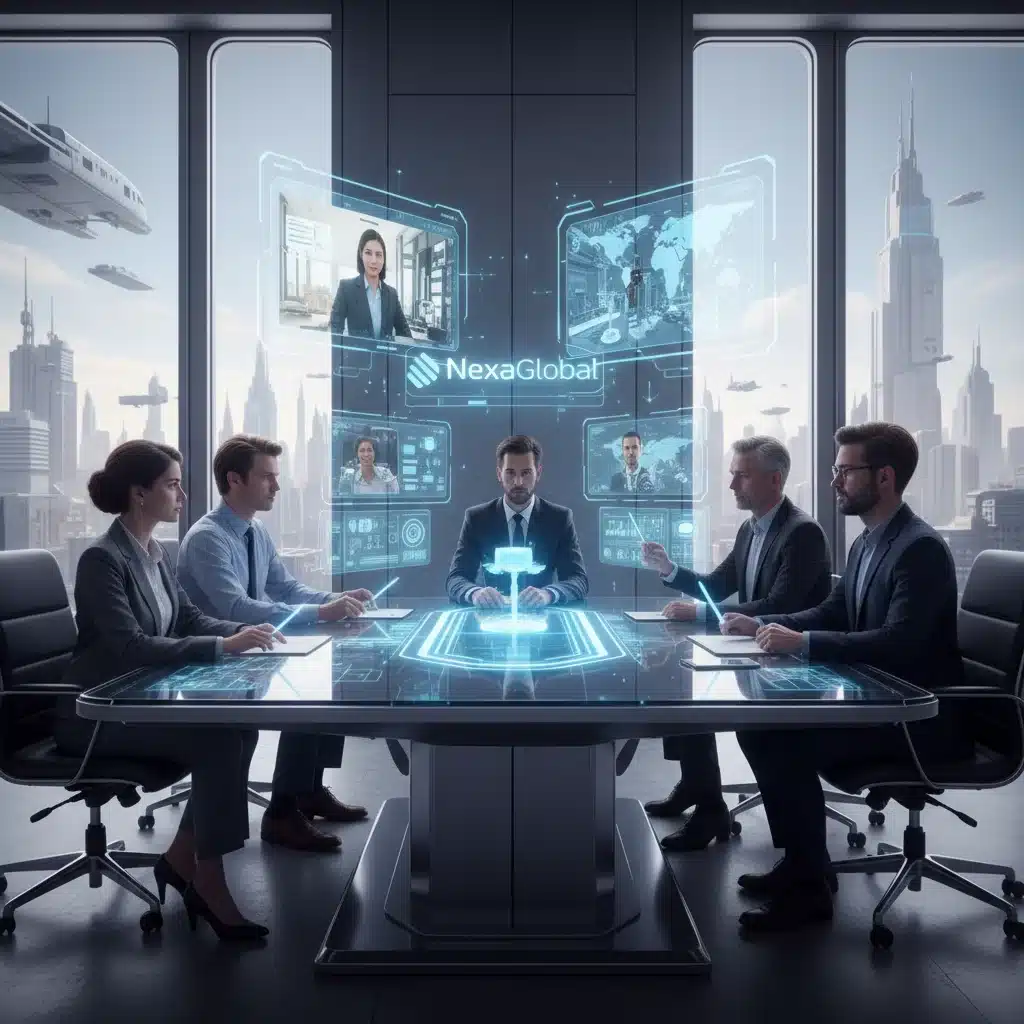
Furthermore, global competition for talent will intensify. As remote work becomes more normalized, U.S. companies may find themselves competing for skilled workers with organizations from around the world. Conversely, U.S. workers may also find opportunities to work for international companies without having to relocate. This global talent marketplace will put pressure on U.S. wages and benefits, demanding that companies remain competitive to attract and retain top talent.
Climate change and sustainability goals will also play an increasingly important role in global economic policy and, by extension, the U.S. workforce. The transition to a green economy will generate new jobs in renewable energy, sustainable agriculture, environmental engineering, and eco-friendly manufacturing. This will require significant investment in green technologies and a workforce equipped with the skills to develop and implement them. The push for sustainability will not only create new job sectors but also transform existing ones, as businesses across the board seek to reduce their environmental footprint.
The Critical Role of Reskilling and Upskilling
Given the rapid pace of technological change, demographic shifts, and evolving economic models, the need for continuous reskilling and upskilling will be perhaps the most critical determinant of success for both individuals and the U.S. workforce as a whole by 2026. The shelf life of skills is shrinking, meaning that what is relevant today may be obsolete in a few years.
Reskilling refers to learning new skills to perform a different job, often due to automation or changes in industry demand. Upskilling, on the other hand, involves learning new skills to improve performance in one’s current role or to advance within the same career path. Both will be essential for maintaining a competitive workforce.
Educational institutions, from K-12 to higher education, must adapt their curricula to prepare students for these future realities. This means fostering critical thinking, creativity, digital literacy, and adaptability from an early age. Vocational training programs and community colleges will play an increasingly vital role in providing targeted, short-term training for in-demand skills.
Businesses also bear a significant responsibility. Investing in employee training and development is no longer a luxury but a strategic imperative. Companies that establish robust internal training programs, partner with educational providers, and offer tuition assistance will be better positioned to retain talent and adapt to changing market needs. The concept of a “learning organization” where continuous learning is embedded in the culture will become the norm.
Government policies will also be crucial in supporting a culture of lifelong learning. This could involve funding for adult education programs, tax incentives for companies investing in training, and policies that make it easier for individuals to access and afford reskilling opportunities. A national strategy for workforce development, involving collaboration between government, industry, and academia, will be necessary to ensure that the U.S. workforce remains competitive and resilient.
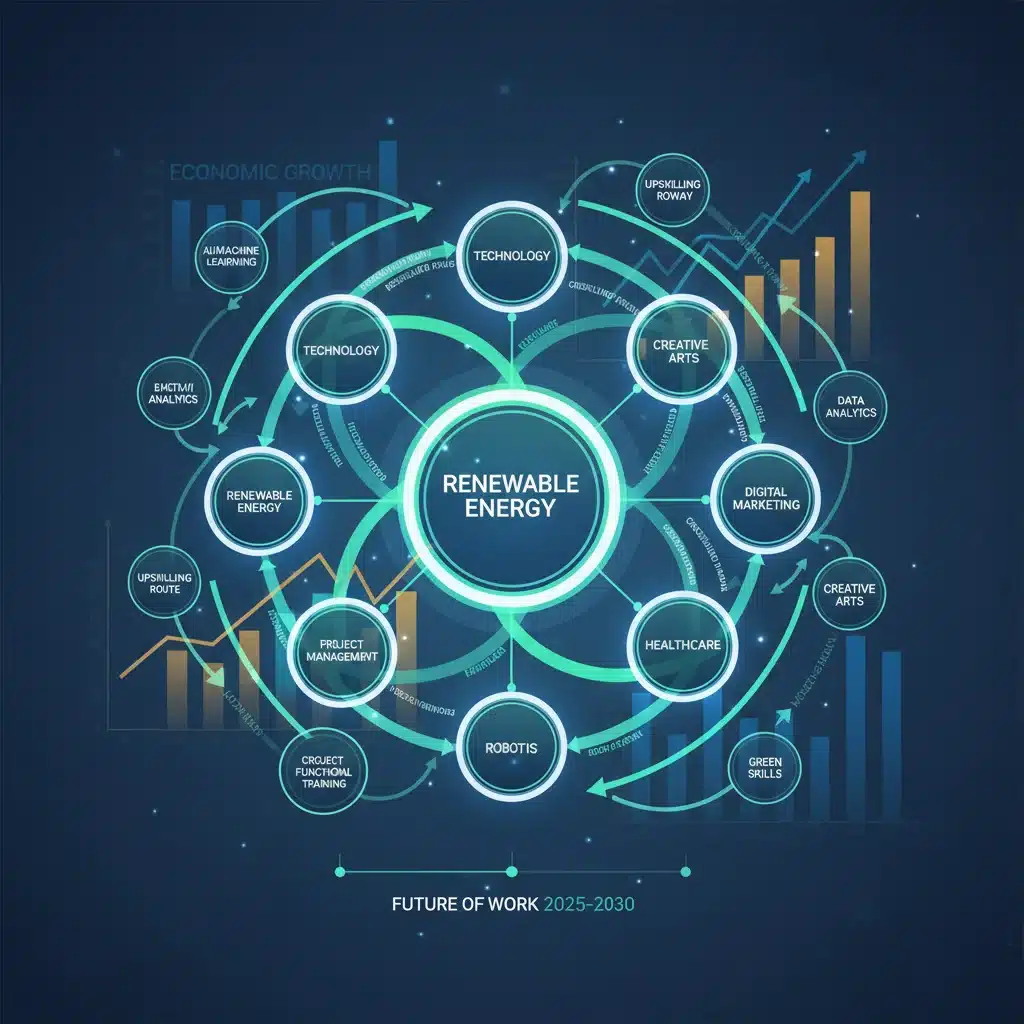
For individuals, the onus is on proactive engagement with their own career development. This means regularly assessing one’s skills, identifying gaps, and seeking out learning opportunities. Online courses, certifications, apprenticeships, and micro-credentials will become increasingly popular and valuable alternatives to traditional degrees. A growth mindset, embracing change and continuous learning, will be the most valuable asset in the future job market.
The Evolving Nature of Work-Life Integration and Employee Well-being
Beyond economic and technological shifts, the very fabric of how we work and live is changing. By 2026, the discussion around work-life balance will likely evolve into work-life integration, with a greater emphasis on employee well-being and mental health. The pandemic accelerated trends towards remote and hybrid work models, and these are likely to persist and become more refined.
Flexible work arrangements, including remote work, compressed workweeks, and asynchronous collaboration, will become standard expectations rather than perks. This flexibility can lead to increased employee satisfaction and productivity, but it also presents challenges in maintaining team cohesion, fostering company culture, and preventing burnout. Companies will need to invest in tools and strategies that support effective remote collaboration and ensure employees feel connected and supported.
The focus on employee well-being will broaden beyond physical health to encompass mental health, financial wellness, and a sense of purpose. Employers will increasingly offer resources such as mental health support programs, financial literacy training, and opportunities for employees to engage in meaningful work. A healthy and engaged workforce is a productive workforce, and companies that prioritize employee well-being will see higher retention rates and better performance.
Furthermore, the concept of “human-centered design” will extend to workplace policies and technology. This means designing work processes, tools, and environments that enhance human capabilities, reduce cognitive load, and promote overall well-being. Ergonomics, user-friendly software, and supportive management practices will all contribute to a more humane and effective work experience.
The societal implications of these changes are significant. A workforce that is more flexible, diverse, and supported in its well-being can lead to greater equity and opportunity. However, it also requires careful consideration of how to ensure that the benefits of flexibility are accessible to all, and that the lines between work and personal life do not become so blurred as to lead to constant stress and exhaustion.
Conclusion: Navigating the Future of Work
The future work trends in the U.S. by 2026 paint a picture of dynamic transformation. Automation and AI will redefine job roles, demanding new digital and human-centric skills. Demographic shifts will necessitate inclusive, multi-generational workplaces and strategic talent management. The gig economy will continue its expansion, challenging traditional employment structures and calling for innovative policy solutions. Global interconnectedness will underscore the importance of international collaboration and supply chain resilience, while the imperative for reskilling and upskilling will become the bedrock of individual and national economic competitiveness. Finally, the evolving nature of work-life integration and employee well-being will shape more humane and sustainable work environments.
Navigating this complex future requires foresight, adaptability, and concerted effort from all stakeholders. For individuals, it means embracing lifelong learning, cultivating transferable skills, and maintaining a growth mindset. For businesses, it involves strategic investment in technology, talent development, and inclusive workplace cultures. For policymakers, it demands the creation of agile regulatory frameworks, robust social safety nets, and accessible education and training programs. By proactively addressing these powerful economic trends, the U.S. workforce can not only adapt but thrive in the rapidly evolving landscape of 2026 and beyond, ensuring prosperity and opportunity for all.