2026 Air Traffic Control: Next-Gen Systems & Insider Updates
Anúncios
Transportation Update: The 2026 Rollout of Next-Gen Air Traffic Control Systems – Recent Updates, Insider Knowledge
Anúncios
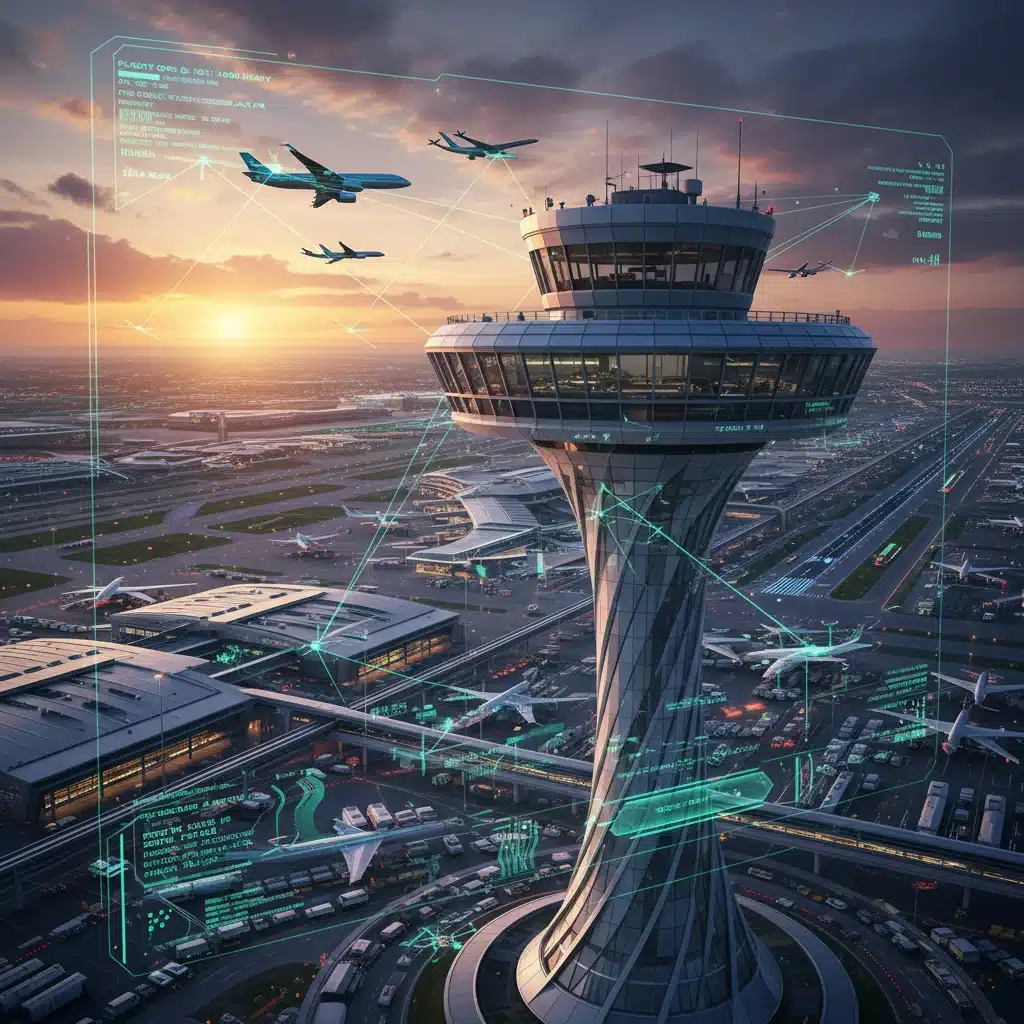
The skies above us are on the cusp of a monumental transformation. As we edge closer to 2026, the aviation industry is bracing for the widespread rollout of next-gen air traffic control (ATC) systems. This isn’t merely an upgrade; it’s a complete reimagining of how we manage our crowded airspace, promising enhanced safety, efficiency, and environmental benefits. For anyone involved in aviation, from pilots and controllers to airline executives and frequent flyers, understanding these changes is paramount. This comprehensive article delves into the recent updates, insider knowledge, and the profound implications of this pivotal shift.
The existing air traffic control infrastructure, while robust and reliable, has its roots in technologies developed decades ago. Designed for a different era of aviation, it now struggles to keep pace with the exponential growth in air travel, the increasing complexity of flight paths, and the imperative for greater fuel efficiency. The push for next-gen air traffic solutions is therefore not just about modernization, but about future-proofing an essential global utility. The 2026 timeline represents a critical juncture, marking the point where many of these advanced systems are expected to be fully operational across major regions.
Anúncios
What exactly does ‘next-gen’ entail? At its core, it refers to a suite of interconnected technologies and operational procedures designed to shift from ground-based, radar-centric control to satellite-based, data-driven management. This includes technologies like Automatic Dependent Surveillance-Broadcast (ADS-B), System Wide Information Management (SWIM), and advanced automation tools. The goal is to allow aircraft to fly more direct routes, reduce delays, minimize fuel consumption, and ultimately enhance safety by providing controllers and pilots with more precise, real-time information.
The Evolution of Air Traffic Control: A Historical Perspective
To truly appreciate the significance of the 2026 rollout, it’s helpful to glance back at the history of air traffic control. Early ATC relied heavily on visual observation and rudimentary communication. The advent of radar in the mid-20th century revolutionized the field, allowing controllers to see aircraft even in adverse weather conditions. However, radar-based systems have inherent limitations, such as line-of-sight requirements and accuracy issues at long distances or low altitudes. Communication primarily relied on voice, which, while effective, can be prone to human error and congestion in busy airspace.
The post-World War II era saw the establishment of standardized procedures and the development of sophisticated ground-based navigation aids. These systems, while continually refined, formed the backbone of ATC for decades. As air travel democratized and became more accessible, the number of flights skyrocketed, pushing the limits of this traditional infrastructure. The need for a more scalable, efficient, and resilient system became increasingly evident, paving the way for the next-gen air traffic initiatives we see today.
Initiatives like the U.S. Federal Aviation Administration’s (FAA) NextGen program and Europe’s Single European Sky ATM Research (SESAR) program began laying the groundwork for these advanced systems over a decade ago. These programs recognized that a piecemeal approach would not suffice. Instead, a holistic transformation was required, integrating new technologies with updated operational concepts and extensive training for personnel. The 2026 target date is the culmination of years of research, development, testing, and significant investment.
Key Technologies Driving Next-Gen Air Traffic Control
The transition to next-gen air traffic control is powered by several groundbreaking technologies. Understanding these components is crucial for grasping the full scope of the transformation:
- Automatic Dependent Surveillance-Broadcast (ADS-B): This is arguably the cornerstone of next-gen ATC. Unlike radar, which ‘pings’ aircraft, ADS-B equipped aircraft broadcast their precise position, altitude, speed, and other data to ground stations and other aircraft via satellite navigation. This provides more accurate, real-time information, improving situational awareness for both pilots and controllers, especially in remote areas or over oceans where radar coverage is sparse. The mandatory equipage of ADS-B Out in many parts of the world has been a significant step towards the 2026 goals.
- System Wide Information Management (SWIM): SWIM is a data-sharing platform that enables the seamless exchange of aviation information among all stakeholders – air traffic control, airlines, airports, and even military operations. This includes weather data, flight plans, airport operational status, and more. By providing a common operational picture, SWIM enhances collaborative decision-making, leading to more efficient operations and better responses to unforeseen events.
- Data Communications (Data Comm): Moving away from voice-only communication, Data Comm allows controllers and pilots to exchange routine messages via text. This reduces communication errors, alleviates frequency congestion, and allows controllers to manage more aircraft more efficiently, especially during peak periods.
- Performance-Based Navigation (PBN): PBN enables aircraft to fly more precise routes using satellite-based navigation. This allows for optimized flight paths, including curved approaches and departures, reducing flight time, fuel consumption, and noise pollution over populated areas. It’s a critical component in achieving greater airspace capacity.
- Advanced Automation and Decision Support Tools: These tools assist controllers in managing complex traffic situations, predicting potential conflicts, and optimizing traffic flow. They range from sophisticated conflict detection algorithms to tools that suggest optimal sequencing and spacing of aircraft.
Recent Updates and Progress Towards 2026
The journey to 2026 has been marked by continuous development and implementation. Recent updates highlight significant progress:
Global Harmonization Efforts
One of the biggest challenges in implementing next-gen air traffic systems is ensuring global interoperability. Aviation is inherently international, and a patchwork of incompatible systems would negate many of the benefits. Organizations like the International Civil Aviation Organization (ICAO) are playing a crucial role in developing global standards and recommended practices. Recent ICAO assemblies have reaffirmed commitments to harmonized deployment strategies, pushing for common technical specifications and operational procedures worldwide.
Successful Pilot Programs and Deployments
Many components of next-gen ATC are not just theoretical; they are already in various stages of deployment and testing. Pilot programs in busy airspaces have demonstrated significant improvements in efficiency and capacity. For example, the widespread adoption of ADS-B Out in the U.S. and Europe has already yielded tangible benefits, with improved surveillance coverage and more direct routing capabilities. Airports are also seeing the benefits of integrated surface management tools, which use advanced sensors and data fusion to optimize ground movements.

Addressing Cybersecurity Concerns
As ATC systems become more interconnected and data-driven, cybersecurity becomes an even more critical concern. Recent updates indicate a heightened focus on developing robust cybersecurity frameworks and protocols to protect these vital systems from potential threats. This includes regular security audits, penetration testing, and the implementation of advanced threat detection and response capabilities. Insider knowledge suggests that resilience and redundancy are paramount in the design of these new systems, ensuring that even in the event of a cyber incident, critical operations can continue.
Insider Knowledge: Challenges and Opportunities
While the benefits of next-gen air traffic control are clear, the transition is not without its challenges. Insider perspectives reveal the complexities involved:
Integration and Interoperability
Integrating disparate systems and ensuring seamless interoperability across different regions and with legacy systems is a monumental task. Airlines operate globally, and their aircraft must be able to communicate effectively with ATC regardless of their location. This requires extensive standardization and collaboration among national air navigation service providers (ANSPs) and international bodies. The 2026 goal relies heavily on these integration efforts reaching maturity.
Workforce Training and Adaptation
The shift to next-gen systems requires significant retraining for air traffic controllers, pilots, and maintenance personnel. Controllers will transition from primarily radar-based monitoring to managing data streams and utilizing advanced automation tools. Pilots will rely more on digital clearances and performance-based navigation. This cultural and operational shift necessitates comprehensive training programs and a strong focus on human factors to ensure a smooth transition and maintain safety standards.
Funding and Investment
The development and deployment of these advanced systems require substantial financial investment. While the long-term economic benefits are expected to outweigh the costs, securing consistent funding remains a challenge. Governments and private entities are collaborating to finance these initiatives, but budgetary constraints can sometimes impact the pace of implementation. Insider reports often highlight the delicate balance between rapid deployment and fiscal responsibility.
Regulatory Frameworks
New technologies often outpace existing regulatory frameworks. Adapting regulations to accommodate the capabilities of next-gen ATC, while maintaining rigorous safety standards, is an ongoing process. This includes certifying new equipment, updating operational procedures, and ensuring compliance across the industry. The 2026 timeline is also a target for the maturation of many of these regulatory updates.
The Impact of Next-Gen Air Traffic Control on Aviation
The widespread adoption of next-gen air traffic control systems will have far-reaching impacts across the entire aviation ecosystem:
Enhanced Safety
By providing more precise and timely information to both controllers and pilots, next-gen systems significantly enhance situational awareness. ADS-B, for example, allows pilots to see other ADS-B equipped aircraft in their vicinity, reducing the risk of mid-air collisions. Advanced conflict detection tools further augment controllers’ ability to prevent dangerous situations. The reduction in voice communication also minimizes the potential for misinterpretation.
Increased Efficiency and Capacity
One of the most immediate benefits will be improved efficiency. More direct routing, optimized climb and descent profiles, and reduced holding patterns will lead to shorter flight times and lower fuel consumption. This translates to significant cost savings for airlines and a reduced environmental footprint. The ability to safely manage more aircraft in the same airspace will also increase airport and airspace capacity, alleviating congestion and reducing delays, especially at major hubs.
Environmental Benefits
Reduced fuel burn directly translates to lower carbon emissions. By enabling more efficient flight paths and reducing time spent circling or taxiing, next-gen ATC contributes directly to the aviation industry’s sustainability goals. This is a crucial aspect, as the industry faces increasing pressure to mitigate its environmental impact.
Economic Advantages
Beyond fuel savings, the economic benefits extend to increased productivity for airlines, improved passenger satisfaction due to fewer delays, and the creation of new jobs in technology development, system maintenance, and training. The overall economic contribution of a more efficient and reliable air transportation system is substantial.
Looking Beyond 2026: The Future of Airspace Management
The 2026 rollout is a significant milestone, but it’s not the end of the journey. The future of next-gen air traffic management is already being envisioned, with several exciting developments on the horizon:
Urban Air Mobility (UAM) and Drones
The proliferation of drones and the imminent rise of Urban Air Mobility (UAM) – think air taxis and delivery drones – present new challenges and opportunities for ATC. Future systems will need to integrate these new forms of air traffic safely and efficiently into already complex airspace. This will likely involve highly automated, localized air traffic management systems operating at lower altitudes, seamlessly interfacing with traditional ATC.
Artificial Intelligence and Machine Learning
AI and machine learning are expected to play an increasingly prominent role. These technologies can analyze vast amounts of data to predict traffic flows, identify anomalies, and even learn from past events to optimize decision-making. This could lead to even greater levels of automation and efficiency, further reducing human workload and enhancing safety.
Space-Based ATC
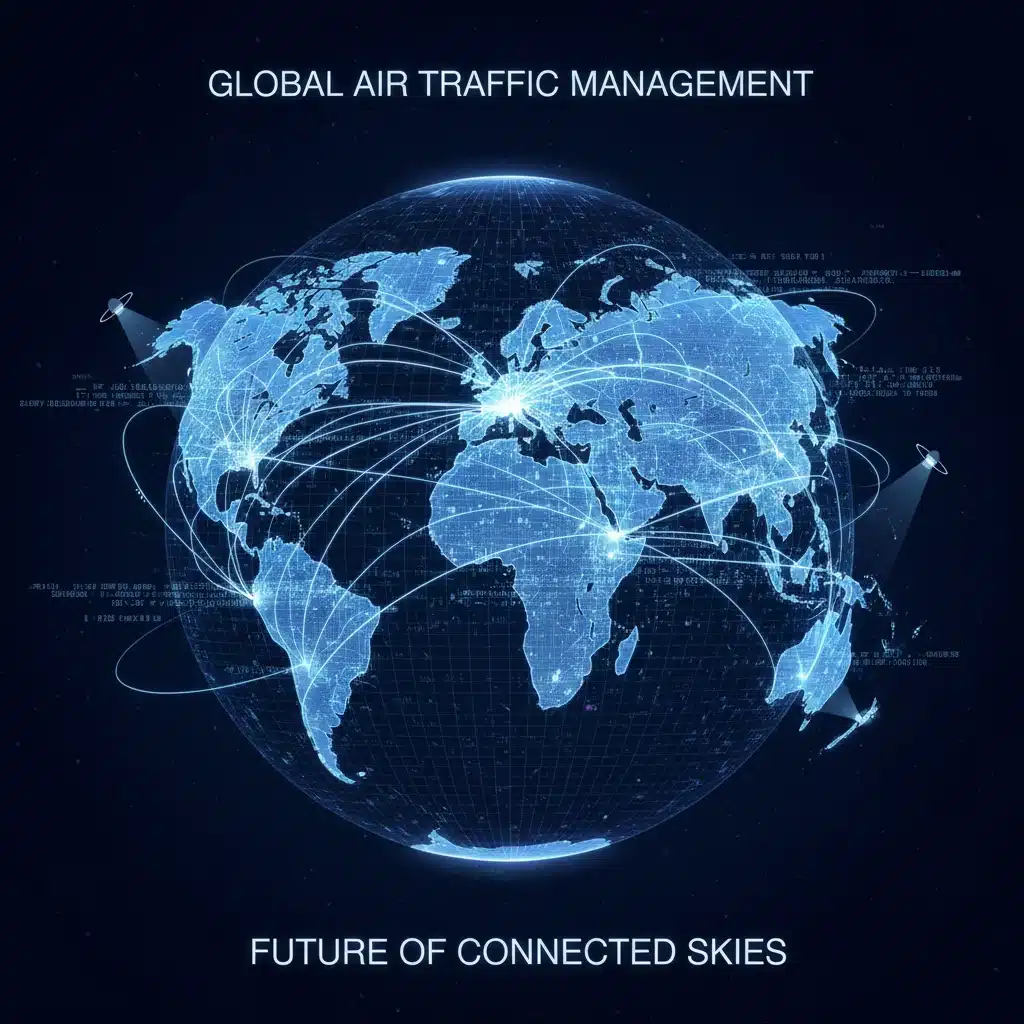
While current next-gen systems heavily rely on satellite navigation, the concept of entirely space-based ATC is being explored. This could involve constellations of satellites providing surveillance, communication, and navigation services globally, eliminating the need for extensive ground infrastructure and providing seamless coverage over oceans and remote regions. This is a longer-term vision, but one that promises even greater integration and resilience.
Dynamic Airspace Management
Future systems will likely feature more dynamic and flexible airspace management. Instead of fixed routes and sectors, airspace could be reconfigured in real-time based on demand, weather conditions, and special events. This adaptive approach would maximize efficiency and capacity, responding instantly to changing operational needs.
Conclusion: A New Era of Aviation
The 2026 rollout of next-gen air traffic control systems marks the dawn of a new era in aviation. It represents a monumental leap forward from traditional methods, leveraging cutting-edge technology to create a safer, more efficient, and more environmentally friendly air transportation system. While challenges in integration, training, and funding persist, the progress made so far and the clear benefits of these advancements underscore the importance of this transformation.
For passengers, this means fewer delays, smoother flights, and potentially lower fares as airlines benefit from increased efficiency. For pilots and controllers, it means more advanced tools, better situational awareness, and a reduced workload in certain areas, allowing them to focus on critical decision-making. For the environment, it translates to a significant reduction in aviation’s carbon footprint.
Staying informed about these developments is crucial for anyone with a stake in the aviation industry. The transition to next-gen ATC is not just a technological upgrade; it’s a fundamental shift in how we envision and manage the global airspace. As 2026 approaches, the aviation world watches with anticipation, ready to embrace a future where the skies are not only busier but also smarter, safer, and more sustainable than ever before. The insider knowledge and recent updates paint a picture of a complex yet ultimately rewarding journey towards a truly modern air traffic management system.