2026 Infrastructure Bill: Impact on Daily Commutes & Solutions

Anúncios
New 2026 Policy Changes: How the Infrastructure Bill’s Latest Phase Affects Daily Commutes – Recent Updates, Practical Solutions
The landscape of our daily lives is constantly evolving, and few areas are as directly impacted by policy changes as our daily commutes. As we approach 2026, the latest phase of the landmark Infrastructure Bill is poised to usher in a new era of transportation, promising both challenges and opportunities for millions of commuters across the nation. Understanding the nuances of these policy changes, their implications, and the practical solutions emerging from them is crucial for navigating the future of travel. This comprehensive guide will delve deep into how the infrastructure bill impact will reshape your journey to work, school, and leisure, providing recent updates and actionable insights.
Anúncios
The Genesis of Change: Understanding the Infrastructure Bill
Before we dissect the specific impacts of the 2026 phase, it’s essential to recall the foundational intent of the Infrastructure Investment and Jobs Act (IIJA), often simply referred to as the Infrastructure Bill. Signed into law in 2021, this bipartisan legislation represented a monumental commitment to revitalizing America’s aging infrastructure. It allocated unprecedented funding towards roads, bridges, public transit, rail, ports, airports, broadband internet, and clean water. The bill’s ambitious goals included creating millions of jobs, enhancing economic competitiveness, and improving the quality of life for all Americans. The current phase, set to fully roll out by 2026, focuses on the implementation of key projects and the realization of these long-term objectives, with a particular emphasis on sustainable and efficient transportation solutions. The infrastructure bill impact is designed to be transformative, moving beyond simple repairs to fundamental upgrades and innovations.
Key Pillars of the Infrastructure Bill Relevant to Commuting
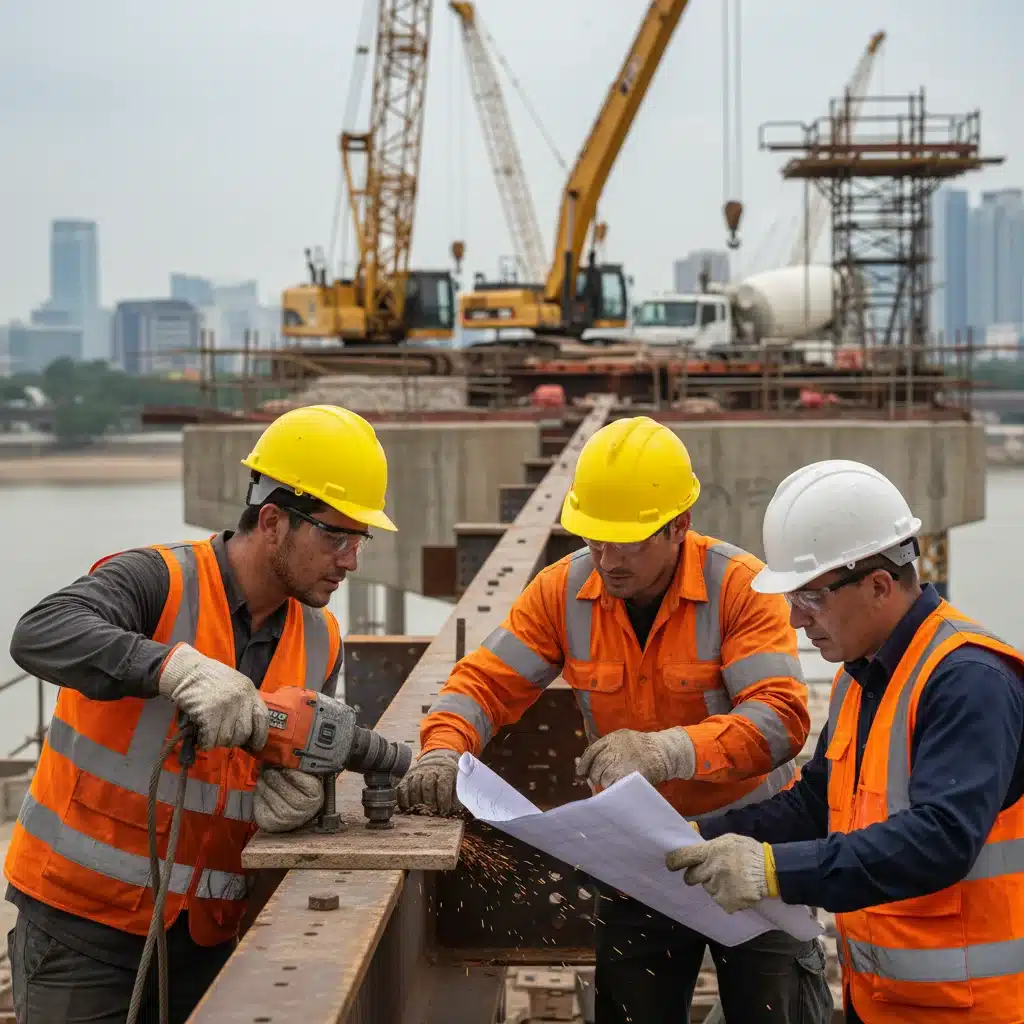
- Roads and Bridges: A significant portion of the funding is dedicated to repairing and rebuilding highways, roads, and bridges. This includes addressing structural deficiencies, improving traffic flow, and enhancing safety features. For daily commuters, this translates to smoother rides, reduced congestion, and fewer delays caused by deteriorating infrastructure.
- Public Transportation: The bill provides substantial investments in public transit systems, aiming to expand routes, modernize fleets (including a push for electric buses), and improve accessibility. This is a critical component for reducing reliance on personal vehicles and fostering more sustainable commuting habits.
- Railways: Upgrades to passenger and freight rail systems are also a priority, with a focus on increasing speed, reliability, and capacity. While not all commuters rely on rail, improved rail infrastructure can alleviate pressure on roadways and offer alternative travel options in many urban corridors.
- Electric Vehicle (EV) Infrastructure: A forward-looking aspect of the bill is the investment in a national network of EV charging stations. This is crucial for accelerating the adoption of electric vehicles, offering commuters a cleaner, more fuel-efficient option for their daily travel.
- Active Transportation: Funding is also earmarked for pedestrian and bicycle infrastructure, promoting healthier and more environmentally friendly commuting choices. This includes new bike lanes, pedestrian walkways, and improved safety measures for non-motorized travel.
Recent Updates: What’s New for 2026?
As 2026 approaches, the focus shifts from legislative intent to tangible execution. Federal agencies and state departments of transportation are now actively allocating funds and initiating projects. Recent updates highlight several critical areas that will directly influence daily commutes:
Anúncios
Accelerated Project Timelines and Funding Releases
Many states have seen an acceleration in the release of federal funds, allowing them to fast-track projects that were previously delayed or underfunded. This means that commuters might start seeing construction on major arteries and transit lines sooner than anticipated. For example, several major metropolitan areas have announced expedited plans for highway expansions and new transit line constructions, specifically targeting areas with high commuter traffic. The immediate infrastructure bill impact often manifests as increased construction, which, while disruptive in the short term, promises long-term benefits.
Emphasis on Smart Infrastructure and Technology Integration
The 2026 phase places a stronger emphasis on incorporating smart technology into infrastructure projects. This includes:
- Intelligent Transportation Systems (ITS): Deployment of advanced traffic management systems, real-time traffic monitoring, and adaptive signal controls designed to optimize traffic flow and reduce congestion.
- Connected Vehicle Technology: Piloting programs for vehicle-to-infrastructure (V2I) communication, which can enhance safety by warning drivers of hazards and improving traffic efficiency.
- Digital Infrastructure for Public Transit: Upgrades to real-time tracking apps, digital payment systems, and enhanced connectivity on public transport vehicles, making commutes more convenient and predictable.
Increased Focus on Equity and Accessibility
A key theme in the latest updates is ensuring that the benefits of infrastructure improvements are equitably distributed. This involves prioritizing projects in underserved communities, improving accessibility for people with disabilities, and ensuring that new transportation options are affordable. The infrastructure bill impact aims to bridge historical gaps in transportation access.
Green Initiatives and Climate Resilience
With growing concerns about climate change, the 2026 phase underscores green initiatives. This includes:
- Sustainable Materials: Encouraging the use of environmentally friendly materials in construction.
- Climate Resilience: Designing infrastructure to withstand extreme weather events, which can prevent future disruptions to commutes.
- Emissions Reduction: Investing in projects that actively reduce transportation-related emissions, such as electric vehicle charging networks and expanded public transit.
How the Infrastructure Bill’s Latest Phase Affects Daily Commutes
The direct consequences of these policy changes on your daily commute will vary depending on your location, mode of transport, and specific travel patterns. However, several general trends are emerging:
Potential for Short-Term Disruptions
The most immediate and noticeable effect for many commuters will be increased construction activity. While necessary for long-term improvements, this can lead to temporary road closures, detours, and traffic bottlenecks. Commuters should prepare for:
- Longer Travel Times: During active construction phases, commutes might take longer than usual.
- Increased Awareness: Staying informed about local construction schedules and alternative routes will be crucial.
- Patience: Understanding that these disruptions are a precursor to better infrastructure can help manage frustration.
Long-Term Benefits: Smoother, Faster, and Safer Journeys
- Reduced Congestion: Improved road networks, intelligent traffic systems, and expanded public transit options should collectively ease traffic congestion, leading to faster travel times.
- Enhanced Safety: Modernized roads, bridges, and pedestrian infrastructure will incorporate the latest safety standards, reducing accidents and improving overall commuter safety.
- More Reliable Public Transit: Investments in public transportation will result in more frequent, punctual, and comfortable services, making it a more attractive option for many.
- Greater Accessibility: New and improved infrastructure will offer better access for all, including those with disabilities, ensuring that transportation is not a barrier.
- Support for Electric Vehicles: The expanding EV charging network will make electric vehicles a more viable and convenient option for daily commutes, reducing fuel costs and environmental impact.
Practical Solutions for Commuters
Navigating these changes effectively requires proactive planning and adaptation. Here are several practical solutions commuters can adopt to minimize disruptions and maximize the benefits of the evolving infrastructure:
1. Stay Informed and Plan Ahead
- Utilize Traffic Apps: Leverage real-time navigation apps (e.g., Google Maps, Waze) that provide up-to-the-minute traffic information, construction alerts, and alternative route suggestions.
- Check Local DOT Websites: State and local Department of Transportation (DOT) websites often publish detailed information about ongoing and upcoming construction projects, including expected timelines and detours.
- Subscribe to Alerts: Sign up for email or text alerts from your local transit authority or city council to receive notifications about service changes or road closures.
2. Explore Alternative Commuting Modes
With significant investments in public transit and active transportation, now might be the perfect time to reconsider your commuting habits:
- Public Transportation: Investigate new or expanded bus routes, train lines, or subway services in your area. Many systems are becoming more efficient and comfortable.
- Carpooling/Vanpooling: Connect with colleagues or neighbors to share rides, which can reduce fuel costs, traffic, and parking hassles. Many companies offer incentives for carpooling.
- Biking or Walking: If feasible, consider cycling or walking for shorter commutes. The bill’s focus on pedestrian and bike infrastructure means safer and more accessible routes.
- Telecommuting/Hybrid Work: Advocate for or utilize flexible work arrangements. Reducing the number of days you commute physically can significantly mitigate the impact of infrastructure changes.
3. Embrace Technology
- Electric Vehicles: If you’re considering a new vehicle, an EV might be a smart investment. The expanding charging infrastructure makes them increasingly practical for daily commutes, and incentives might be available.
- E-bikes and Scooters: For short to medium distances, electric bikes and scooters offer a fast, efficient, and environmentally friendly alternative to driving.
- Smart Parking Apps: In urban areas, smart parking apps can help you find available spots faster, reducing the time spent circling for parking.
4. Advocate for Your Community
The infrastructure bill impact is ongoing, and there’s still an opportunity for community input. Engage with local government and transportation agencies to voice your concerns and suggest improvements relevant to your specific commute. Attending public meetings or participating in surveys can help shape future projects.
The Economic and Environmental Ripple Effects
Beyond the direct impact on individual commutes, the 2026 phase of the Infrastructure Bill carries broader economic and environmental implications that are worth noting:
Economic Growth and Job Creation
The sheer scale of infrastructure projects will continue to fuel job creation across various sectors, from construction and engineering to manufacturing and technology. This economic stimulus can lead to increased local spending and overall prosperity. Improved transportation networks also enhance supply chain efficiency, reducing costs for businesses and potentially leading to lower consumer prices. The long-term infrastructure bill impact on economic vitality is profound.
Environmental Sustainability
The bill’s emphasis on green infrastructure and public transit is a significant step towards combating climate change. By promoting electric vehicles, expanding public transport, and creating safer options for walking and cycling, the bill aims to reduce greenhouse gas emissions from the transportation sector. This will contribute to cleaner air, healthier communities, and a more sustainable future. The shift away from fossil fuels, facilitated by the infrastructure bill impact, is critical for environmental goals.
Enhanced Quality of Life
Ultimately, the goal of these investments is to improve the quality of life for all Americans. Reduced commute times mean more time for family, leisure, and personal pursuits. Safer roads and better public spaces contribute to a stronger sense of community. Improved access to jobs, education, and healthcare through better transportation networks can uplift entire regions. The comprehensive infrastructure bill impact extends far beyond just roads and bridges, touching every aspect of daily living.
Case Studies: Early Successes and Ongoing Challenges
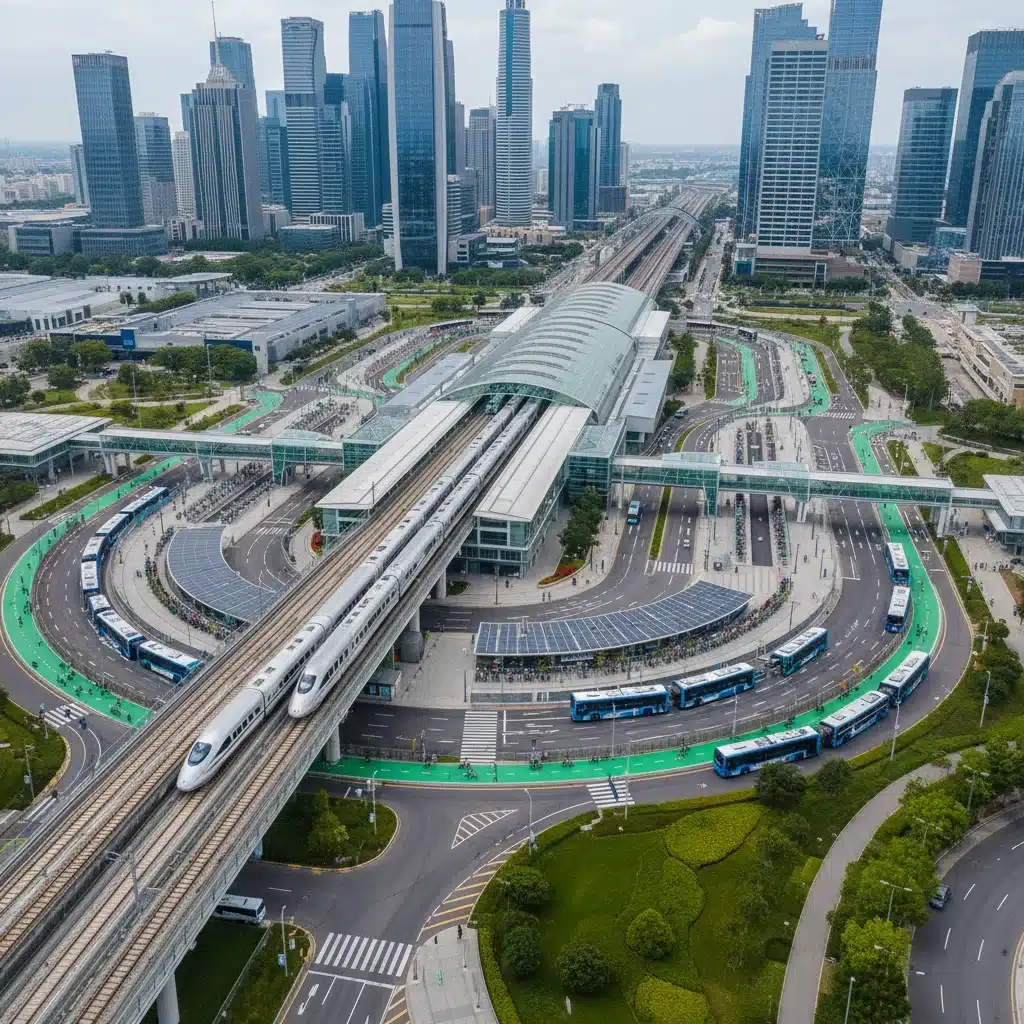
While the full impact of the 2026 phase is yet to be realized, early successes from initial projects funded by the Infrastructure Bill offer a glimpse into the future. For instance, in a major Midwestern city, a multi-modal transit hub project, initiated with early bill funding, has already seen a 15% increase in public transit ridership and a 20% reduction in peak-hour traffic on a key commuter corridor. This project integrated bus rapid transit, light rail extensions, and dedicated bike paths, showcasing the power of comprehensive planning. This demonstrates a tangible infrastructure bill impact on urban mobility.
However, challenges persist. Supply chain disruptions, labor shortages, and rising material costs have impacted project timelines and budgets in some areas. These challenges underscore the complexity of such a massive undertaking and highlight the need for adaptive project management and continued federal and state cooperation. Public engagement also remains a critical factor; projects that involve extensive community input tend to face fewer local roadblocks and achieve greater success.
The Road Ahead: What to Expect Beyond 2026
The 2026 phase is not the end of the journey but a significant milestone in a long-term vision for American infrastructure. Beyond this period, we can anticipate continued emphasis on:
- Maintenance and Modernization: Sustained investment in maintaining newly built and improved infrastructure to ensure its longevity and efficiency.
- Emerging Technologies: Further integration of cutting-edge technologies like autonomous vehicles, drone delivery systems, and hyperloop concepts, as they become more viable.
- Climate Adaptation: Ongoing efforts to make infrastructure more resilient to the impacts of climate change, including rising sea levels, extreme heat, and more frequent severe weather events.
- Interconnected Systems: A greater focus on creating seamless, interconnected transportation networks that facilitate efficient movement of people and goods across different modes and regions.
The infrastructure bill impact will continue to evolve, shaping how we live, work, and travel for decades to come.
Conclusion: Adapting to a Transformed Commuting Landscape
The 2026 policy changes stemming from the Infrastructure Bill represent a pivotal moment in the evolution of America’s transportation system. While the immediate future may bring some construction-related inconveniences, the long-term outlook promises more efficient, safer, and sustainable daily commutes. By staying informed, exploring alternative transportation options, embracing new technologies, and advocating for community needs, commuters can not only adapt to these changes but also actively contribute to shaping a better future for transportation. The comprehensive infrastructure bill impact is set to redefine our relationship with daily travel, making our journeys more productive, enjoyable, and environmentally conscious. Prepare now to navigate the exciting new landscape of commuting.