Ethical Travel USA 2026: A Comprehensive Guide to Sustainable Tourism
Anúncios
The Ultimate Guide to Ethical Travel in the U.S. for 2026
Anúncios
As the world becomes increasingly aware of the environmental and social impacts of tourism, the concept of ethical travel USA has gained significant momentum. For 2026, traveling responsibly across the United States means more than just recycling your water bottle; it involves a conscious effort to support local communities, minimize your ecological footprint, and engage with destinations in a respectful and meaningful way. This comprehensive guide will equip you with the knowledge and tools to embark on a truly ethical adventure across the diverse landscapes and cultures of the U.S.
The United States, with its vast geographical expanse and rich cultural tapestry, offers unparalleled opportunities for exploration. From the bustling metropolises to the serene national parks, each destination presents unique challenges and opportunities for sustainable engagement. By choosing to travel ethically, you contribute to the preservation of these precious resources for future generations and foster positive relationships with the communities you visit. This guide delves deep into the principles of ethical tourism, providing actionable advice and highlighting key considerations for your 2026 travels.
Anúncios
Understanding Ethical Travel: More Than Just a Buzzword
Before diving into specific strategies, it’s crucial to define what ethical travel USA truly entails. Ethical travel, often used interchangeably with responsible or sustainable tourism, is about making informed choices that positively impact the places you visit and their inhabitants. It’s a holistic approach that considers environmental, social, and economic factors.
Key Pillars of Ethical Travel
- Environmental Responsibility: Minimizing your carbon footprint, conserving resources, reducing waste, and protecting biodiversity.
- Social Equity: Respecting local cultures, traditions, and human rights; ensuring fair labor practices in the tourism industry.
- Economic Viability: Supporting local economies, businesses, and artisans; ensuring tourism benefits the host community directly.
- Cultural Preservation: Learning about and respecting local customs, history, and heritage; avoiding commodification of culture.
- Animal Welfare: Avoiding activities that exploit animals; supporting ethical wildlife encounters.
In the context of ethical travel USA, these pillars translate into practical actions. For instance, choosing accommodations that prioritize energy efficiency and water conservation, opting for public transportation or electric vehicles, dining at restaurants that source local ingredients, and purchasing souvenirs directly from local artisans are all ways to embody these principles. The goal is to leave a positive legacy, not just footprints.
Planning Your Ethical Journey: Research and Preparation
The foundation of any successful ethical trip lies in thorough planning and research. This stage allows you to identify destinations, accommodations, and activities that align with your values and contribute positively to the local environment and community. When planning for ethical travel USA in 2026, consider the following:
Choosing Ethical Destinations
Not all destinations are created equal when it comes to sustainability. Look for regions or cities that have demonstrated commitments to sustainable tourism. Many states and national parks have initiatives in place to protect natural resources and support local communities. Research destinations known for their eco-tourism certifications or robust conservation programs. Consider visiting lesser-known areas to help disperse tourist traffic and reduce pressure on popular, often over-stressed, sites.
Selecting Sustainable Accommodations
Your choice of lodging significantly impacts your trip’s ethical footprint. Seek out hotels, guesthouses, or eco-lodges that have clear sustainability policies. Look for certifications such as LEED (Leadership in Energy and Environmental Design) for buildings, Green Seal, or other local eco-labels. Questions to ask include:
- Do they use renewable energy sources?
- Do they have water conservation practices (e.g., linen reuse programs, low-flow fixtures)?
- Do they minimize waste and recycle?
- Do they source food and supplies locally?
- Do they employ local staff and offer fair wages?
Consider staying in locally owned establishments or boutique hotels that prioritize community engagement. This directly supports the local economy and often provides a more authentic experience.
Ethical Transportation Choices
Transportation is often the largest contributor to a traveler’s carbon footprint. For ethical travel USA, prioritize modes of transport that are less impactful:
- Public Transportation: Utilize trains, buses, and subways whenever possible, especially in urban areas.
- Electric Vehicles: If renting a car, opt for an electric or hybrid vehicle. Many cities are expanding their charging infrastructure.
- Cycling and Walking: For short distances, these are the most eco-friendly options and offer a chance to experience a destination more intimately.
- Carbon Offsetting: While not a perfect solution, consider offsetting your flight emissions through reputable organizations if air travel is unavoidable.
Engaging with Local Communities: The Heart of Ethical Travel
True ethical travel USA goes beyond environmental considerations; it deeply involves fostering positive relationships with the people and cultures of the places you visit. This means actively seeking out opportunities to support local economies and engage respectfully with residents.
Supporting Local Businesses and Artisans
One of the most direct ways to contribute positively is by spending your money locally. This ensures that the economic benefits of your visit stay within the community. Seek out:
- Local Restaurants and Cafes: Choose independent eateries over large chains. Look for establishments that emphasize local and seasonal ingredients.
- Farmers’ Markets: A fantastic way to connect with local producers, sample regional specialties, and purchase fresh, sustainable food.
- Artisan Shops and Galleries: Buy souvenirs and gifts directly from local artists and craftspeople. This supports their livelihoods and preserves traditional crafts.
- Community Tours: Opt for tours led by local guides who can offer authentic insights into their culture and history.

Respecting Local Culture and Traditions
Cultural sensitivity is paramount for ethical travel USA. The U.S. is a melting pot of cultures, and each region has its unique customs and historical narratives. Before you go, learn about the local etiquette, historical context, and any specific cultural sensitivities. This includes:
- Dress Codes: Be aware of and respect any local dress codes, especially when visiting religious sites or conservative communities.
- Photography: Always ask permission before taking photos of people, especially children. Be mindful of cultural practices regarding photography.
- Language: Even a few words of the local language (if applicable) can go a long way in showing respect.
- Historical Context: Understand the history of the places you visit, including any difficult or sensitive aspects, such as indigenous histories or civil rights struggles.
Voluntourism and Community Engagement
If you’re interested in deeper engagement, consider ethical voluntourism opportunities. However, approach this with caution. Ensure that any volunteer program you choose is legitimate, addresses a genuine community need, and doesn’t displace local labor. Reputable organizations will prioritize sustainable development and involve local communities in the planning and execution of projects. Short-term, unskilled voluntourism can sometimes do more harm than good, so thorough vetting is essential.
Minimizing Your Environmental Footprint: Practical Eco-Friendly Strategies
Environmental responsibility is a cornerstone of ethical travel USA. Every choice you make, from what you pack to how you dispose of waste, has an impact. Here’s how to minimize yours:
Reduce, Reuse, Recycle
- Reusable Water Bottle: Carry a refillable water bottle and seek out public water fountains or filtered water stations. This dramatically reduces plastic waste.
- Reusable Bags: Bring your own reusable shopping bags to avoid single-use plastic bags.
- Reusable Coffee Cup: If you enjoy coffee on the go, a reusable cup is a must.
- Waste Management: Familiarize yourself with local recycling and composting guidelines. Pack out everything you pack in, especially in natural areas.
Conserving Resources
- Energy Use: Turn off lights and air conditioning/heating when leaving your accommodation. Unplug chargers when not in use.
- Water Use: Be mindful of your water consumption. Take shorter showers and report any leaky faucets.
- Towel and Linen Reuse: Participate in hotel programs that allow you to reuse towels and linens to conserve water and energy.
Supporting Sustainable Food Systems
Your food choices have a significant environmental impact. For ethical travel USA, aim to:
- Eat Local and Seasonal: Reduces transportation emissions and supports local agriculture.
- Reduce Meat Consumption: Animal agriculture is a major contributor to greenhouse gas emissions. Consider plant-based options.
- Avoid Food Waste: Order only what you can eat, and if possible, take leftovers with you.
Exploring Nature Ethically: Protecting Our Wild Spaces
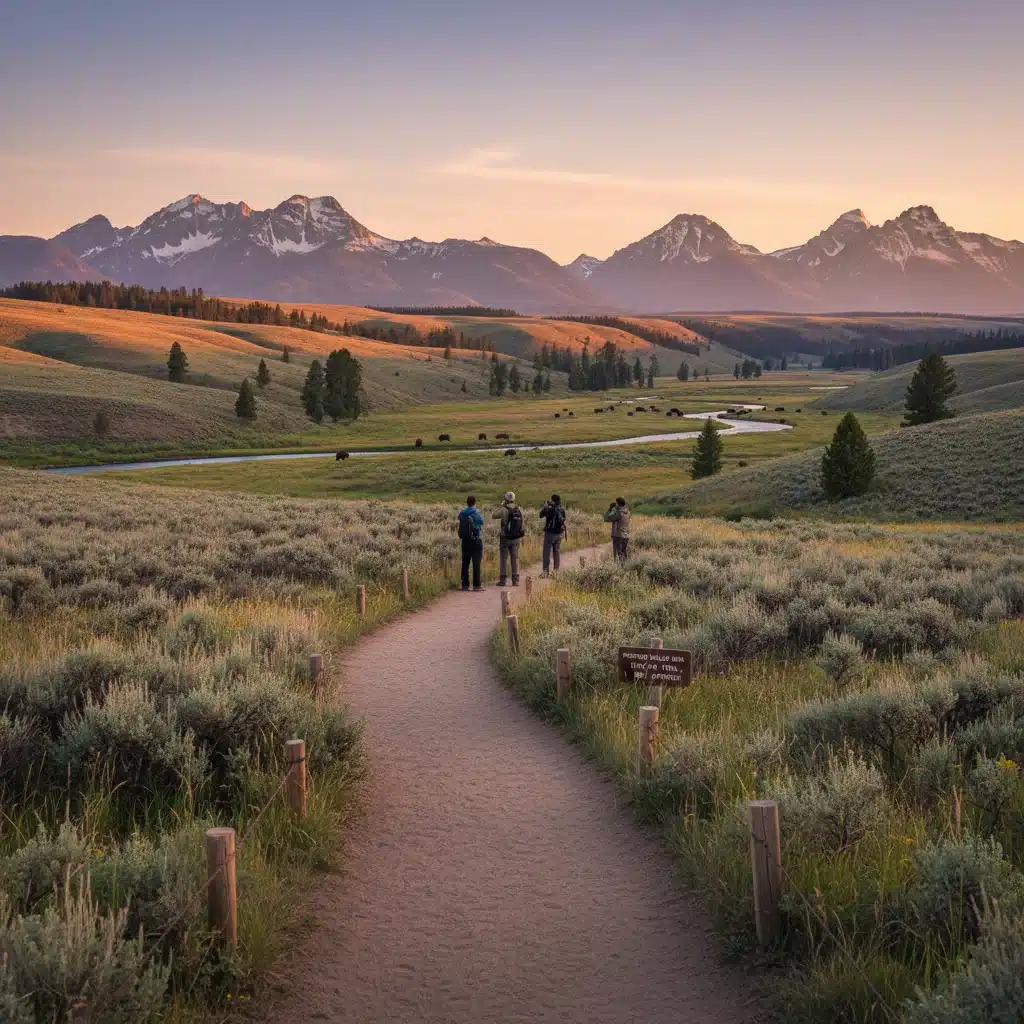
The U.S. is blessed with an incredible array of natural wonders, from majestic national parks to pristine coastlines. Exploring these areas ethically is crucial for their preservation. Adhere to the principles of ‘Leave No Trace’.
Leave No Trace Principles
The Leave No Trace Center for Outdoor Ethics provides a framework for responsible outdoor recreation. These seven principles are essential for ethical travel USA in natural settings:
- Plan Ahead and Prepare: Know the regulations and special concerns for the area you’ll visit.
- Travel and Camp on Durable Surfaces: Stay on trails, and camp in designated areas.
- Dispose of Waste Properly: Pack it in, pack it out. This includes all trash, food scraps, and human waste.
- Leave What You Find: Do not disturb historical artifacts, natural objects, plants, or rocks.
- Minimize Campfire Impacts: Use established fire rings, keep fires small, and ensure they are completely out.
- Respect Wildlife: Observe animals from a distance. Never feed wildlife. Store food securely.
- Be Considerate of Other Visitors: Respect the privacy and tranquility of others.
Supporting Conservation Efforts
Many national parks, state parks, and conservation organizations in the U.S. rely on visitor fees, donations, and volunteer efforts to protect and maintain these precious areas. Consider:
- Purchasing Park Passes: Your fees directly contribute to park maintenance and conservation.
- Donating: Support local conservation groups or national organizations dedicated to protecting U.S. wilderness.
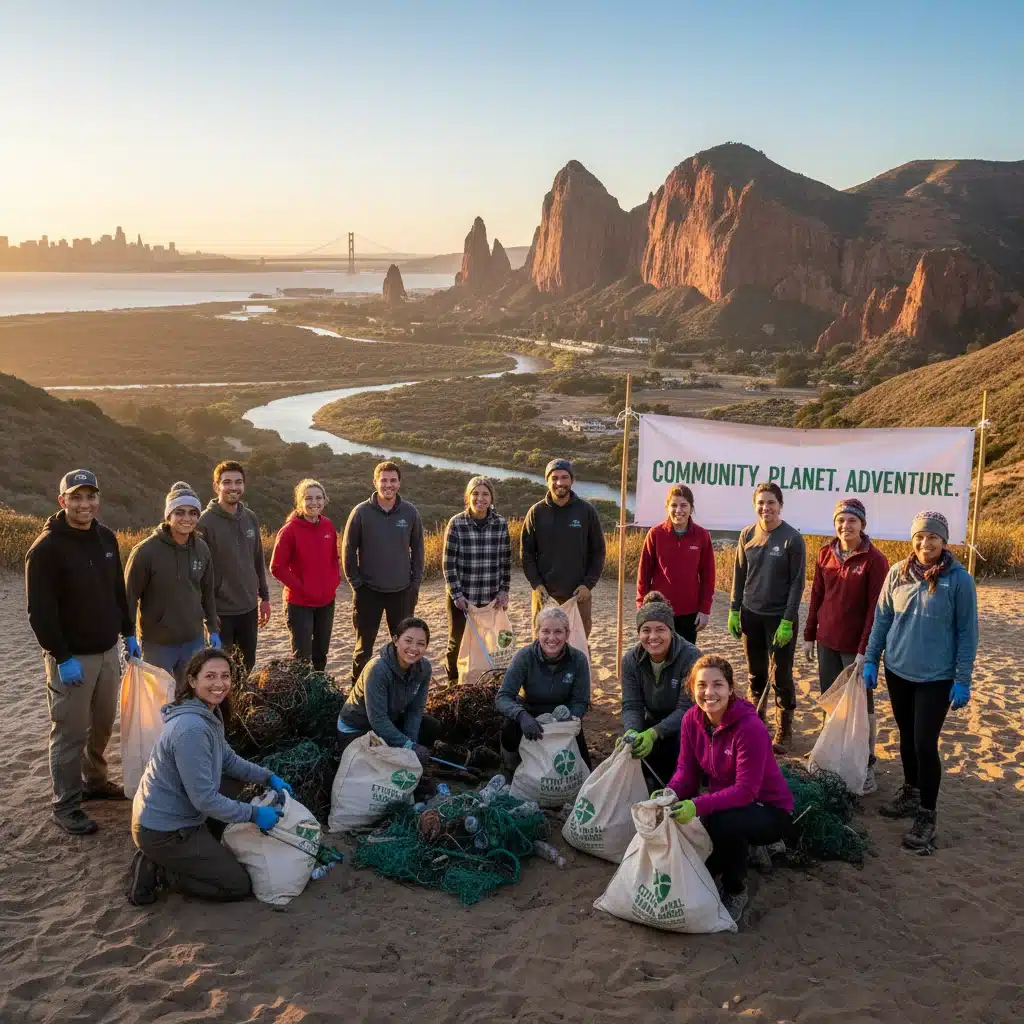
- Volunteering: Participate in trail maintenance, clean-up days, or citizen science projects if you have the time.
Challenges and Considerations for Ethical Travel in the U.S.
While the commitment to ethical travel USA is strong, there are inherent challenges. Understanding these can help you navigate them more effectively.
Addressing Overtourism
Popular destinations in the U.S. often face issues of overtourism, leading to environmental degradation, strained local resources, and diminished visitor experiences. To mitigate this:
- Travel During Off-Peak Seasons: Avoid peak holidays and summer months to reduce crowds.
- Explore Lesser-Known Alternatives: Instead of visiting the most famous national park, explore a nearby state park or less-visited national forest.
- Support Local Initiatives: Look for communities that are actively working to manage tourism sustainably.
Navigating Indigenous Tourism
The U.S. has a rich and complex history with its Indigenous populations. Engaging with Native American, Native Alaskan, and Native Hawaiian communities requires particular sensitivity and respect. When considering tours or experiences related to Indigenous cultures:
- Seek Out Authentic Experiences: Ensure the experience is genuinely led and owned by Indigenous people, benefiting their communities directly.
- Learn and Respect: Educate yourself on the history, traditions, and contemporary issues of the specific tribal nations you encounter.
- Avoid Cultural Appropriation: Be wary of experiences that commodify or misrepresent Indigenous cultures.
- Support Tribal Enterprises: Purchase goods and services directly from tribal businesses.
Accessibility and Inclusivity
Ethical travel also means ensuring that travel is accessible and inclusive for everyone, regardless of physical ability, age, or background. When planning your trip, consider:
- Accessible Accommodations: Research hotels and attractions that offer features for travelers with disabilities.
- Inclusive Experiences: Look for tour operators and destinations that cater to a diverse range of visitors.
- Supporting Diverse Businesses: Patronize businesses owned by underrepresented groups.
The Future of Ethical Travel in the U.S. Beyond 2026
The landscape of ethical travel USA is constantly evolving. As awareness grows and technology advances, new opportunities and challenges will emerge. In 2026 and beyond, we can expect to see:
- Increased Certification and Standards: More destinations and businesses will likely adopt rigorous sustainability certifications.
- Technological Advancements: Apps and platforms will make it easier to find and book ethical travel options, track carbon footprints, and connect with local communities.
- Greater Emphasis on Regenerative Tourism: Moving beyond simply minimizing harm to actively restoring and regenerating ecosystems and communities.
- Policy and Regulatory Changes: Governments at all levels may implement more policies to support sustainable tourism development.
As travelers, our role in shaping this future is critical. By continuing to demand ethical options, support responsible businesses, and educate ourselves, we can drive positive change and ensure that the beauty and diversity of the U.S. remain vibrant for generations to come.
Conclusion: Your Role in Shaping a Better Travel Future
Embarking on ethical travel USA in 2026 is a commitment to responsible exploration, cultural respect, and environmental stewardship. It’s about making conscious choices that align with your values and contribute to a more sustainable and equitable world. From carefully selecting your accommodations and transportation to actively engaging with local communities and protecting natural spaces, every decision you make has an impact.
By following the guidelines outlined in this comprehensive guide, you can enjoy the incredible diversity and beauty of the United States while leaving a positive footprint. Remember, ethical travel is a journey, not a destination. It requires continuous learning, adaptability, and a genuine desire to make a difference. So, pack your bags, prepare your mind, and embark on a meaningful adventure that benefits both you and the places you visit. Your choices today will help shape the future of tourism in the U.S. for years to come.
Further Resources for Ethical Travel USA: