Conscious Consumerism 2026: Top 5 Brands Leading the Ethical Revolution

Anúncios
The global marketplace is undergoing a profound transformation. What was once a niche movement has blossomed into a mainstream imperative: conscious consumerism. Consumers are no longer content with merely purchasing goods and services; they demand transparency, ethical practices, and a demonstrable commitment to social and environmental well-being from the brands they support. As we navigate through 2026, the influence of conscious consumerism is more potent than ever, shaping industries and redefining corporate responsibility. This shift is not just a trend; it’s a fundamental change in how businesses operate and how consumers make purchasing decisions. The brands that are thriving in this new era are those that have embraced these values, integrating them into the very fabric of their operations.
This article delves into the heart of this revolution, exploring what conscious consumerism truly means in today’s context and highlighting five exemplary brands that are not just participating but actively leading the charge. These companies are setting new benchmarks for sustainability, ethical sourcing, fair labor practices, and community engagement. They demonstrate that profitability and purpose are not mutually exclusive but, in fact, can be deeply intertwined, creating a more resilient and responsible business model for the future. Understanding their strategies and successes provides valuable insights for both consumers seeking to make more informed choices and businesses aspiring to build a more ethical and sustainable future.
Anúncios
What is Conscious Consumerism? Defining the Movement in 2026
At its core, conscious consumerism is about making purchasing decisions based on the ethical, environmental, and social impact of the products and services we buy. It’s a deliberate choice to support companies that align with one’s values, rather than solely focusing on price or convenience. In 2026, this definition has expanded to encompass a broader range of considerations:
- Environmental Stewardship: This includes a brand’s carbon footprint, waste reduction efforts, use of renewable energy, sustainable packaging, and conservation of natural resources. Consumers are increasingly scrutinizing supply chains for their environmental impact, from raw material extraction to product disposal.
- Ethical Sourcing and Production: This involves ensuring fair wages, safe working conditions, and no child labor or forced labor throughout the entire supply chain. It also extends to ethical treatment of animals in industries like fashion and food. Transparency in sourcing is a key demand.
- Social Responsibility: Brands are expected to contribute positively to society, whether through community development, diversity and inclusion initiatives, charitable giving, or advocating for social justice. This goes beyond mere philanthropy; it’s about embedding social good into the business model.
- Transparency and Accountability: Consumers want to know where their products come from, how they are made, and what impact they have. Brands that are open about their processes, successes, and even failures build trust and loyalty. Certifications and third-party verifications play a crucial role here.
- Durability and Longevity: A shift away from fast fashion and disposable goods towards products designed to last, repairable, and part of a circular economy. This combats overconsumption and reduces waste.
The rise of digital platforms and social media has empowered consumers with unprecedented access to information, allowing them to research brands thoroughly and share their findings. This collective awareness has put immense pressure on companies to adapt or risk losing market share to more ethically aligned competitors. The conscious consumerism movement is no longer a niche market; it is a significant economic force that businesses ignore at their peril.
Anúncios
The Economic Imperative of Conscious Consumerism for Brands
It’s no longer just about doing good; it’s about doing good business. Brands that embrace conscious consumerism are finding that it translates into tangible economic benefits. A growing body of research indicates that consumers, particularly younger generations, are willing to pay more for sustainable and ethically produced goods. This willingness to invest in values creates a significant market advantage for pioneering brands.
Increased Brand Loyalty and Reputation
When a brand demonstrates a genuine commitment to ethical practices, it fosters a deeper connection with its customers. This leads to increased brand loyalty, as consumers feel a sense of alignment and trust. A strong ethical reputation also serves as a powerful differentiator in a crowded marketplace, attracting new customers who are actively seeking out responsible companies. Word-of-mouth marketing, amplified by social media, further solidifies this reputation, creating a virtuous cycle of positive perception and growth.
Attracting and Retaining Top Talent
Today’s workforce, especially millennials and Gen Z, prioritizes working for companies that have a clear sense of purpose beyond profit. Brands committed to conscious consumerism often find it easier to attract and retain top talent, as employees are motivated by contributing to a greater good. This not only reduces recruitment costs but also leads to a more engaged, productive, and innovative workforce, which is a critical asset in any competitive industry.
Innovation and Efficiency
The pursuit of sustainability often drives innovation. Companies looking to reduce their environmental footprint or improve ethical sourcing are compelled to find new materials, processes, and technologies. This can lead to more efficient operations, cost savings in the long run (e.g., through reduced waste or energy consumption), and the development of new, marketable products that appeal to the conscious consumer. For example, investing in renewable energy sources might have an upfront cost but leads to long-term savings and a reduced carbon footprint, which is a win-win.
Risk Mitigation and Resilience
Operating ethically and sustainably can significantly mitigate various business risks. Brands with transparent supply chains are less susceptible to scandals related to labor abuses or environmental damage, which can severely damage reputation and lead to financial penalties. Furthermore, by diversifying supply chains and investing in sustainable resources, companies can build greater resilience against disruptions caused by climate change, resource scarcity, or geopolitical instability. This proactive approach to risk management is becoming increasingly vital in an unpredictable global economy.
Access to Capital and Investor Confidence
The financial world is increasingly recognizing the value of ESG (Environmental, Social, and Governance) factors. Investors are more likely to fund companies with strong ESG performance, viewing them as more stable, less risky, and better positioned for long-term growth. This access to sustainable finance can provide a crucial competitive edge, allowing conscious brands to expand their operations and further their mission. ESG investing is no longer a niche; it’s a significant force in capital allocation.
The Future is Now: 5 Brands Leading the Way in Conscious Consumerism in 2026
As we look at the leaders in conscious consumerism, it’s clear that these brands have moved beyond mere corporate social responsibility (CSR) initiatives to embed sustainability and ethics into their core business models. They represent diverse industries but share a common thread: a deep commitment to making a positive impact.
1. Patagonia: The Enduring Icon of Ethical Outdoor Gear
Patagonia has long been the gold standard for conscious consumerism, and in 2026, they continue to innovate and lead. Their mission, “We’re in business to save our home planet,” is not just a slogan but a guiding principle for every decision. Patagonia’s commitment extends to using recycled materials, organic cotton, and fair-trade certified factories. They actively promote repair and reuse through their Worn Wear program, encouraging customers to extend the life of their garments rather than constantly buying new ones. Their radical transparency, even when it means admitting imperfections, builds immense trust. In 2026, Patagonia has further amplified its advocacy for environmental policy, leveraging its business influence to push for systemic change. They actively campaign for land and water protection, often donating profits to grassroots environmental organizations. Their business model proves that a company can be highly profitable while simultaneously being a powerful force for good, challenging conventional notions of capitalism. They are not just selling products; they are selling a philosophy and a way of life that resonates deeply with conscious consumers.
2. Allbirds: Sustainable Footwear Redefining Comfort and Eco-Friendliness
Allbirds burst onto the scene with its innovative use of sustainable materials like merino wool, eucalyptus tree fiber, and sugarcane for its shoes. In 2026, they have expanded their product line and solidified their position as a leader in sustainable fashion. Allbirds is known for its relentless pursuit of reducing its carbon footprint, even labeling each product with its carbon impact to empower consumers with information. They invest heavily in regenerative agriculture for their wool and are constantly researching new, low-impact materials. Their commitment to transparency is evident in their detailed impact reports and their open-source approach to their sustainable innovations, encouraging other brands to follow suit. Allbirds demonstrates that comfort, style, and sustainability can coexist without compromise. Their success has inspired a wave of other footwear brands to re-evaluate their material sourcing and production processes, proving that consumer demand for eco-friendly options can drive industry-wide change. They are a prime example of a brand built from the ground up with sustainability as a core pillar, not an afterthought.
3. Dr. Bronner’s: A Legacy of Ethical Soap and Social Activism
Dr. Bronner’s Magic Soaps has been a pioneer in ethical business practices for decades. In 2026, they remain a beacon of conscious consumerism, renowned for their organic and fair-trade ingredients, sustainable packaging, and progressive labor practices. The company caps executive salaries at five times the lowest-paid worker, ensuring equitable distribution of profits. They are deeply committed to social justice, advocating for causes like regenerative organic agriculture, drug policy reform, and fair trade. Their “All-One!” philosophy extends beyond their product labels into their corporate culture and activism. Dr. Bronner’s demonstrates that a company can be both profitable and a powerful force for social change, using its platform to educate and inspire. Their commitment to regenerative agriculture not only ensures the highest quality ingredients but also actively works to restore soil health and combat climate change. They are a living testament to the idea that business can be a tool for positive global transformation, proving that deep-seated values can drive enduring success and impact.

4. EILEEN FISHER: Timeless Fashion with a Conscience
EILEEN FISHER has long been synonymous with timeless design and a deep commitment to sustainability in the fashion industry, notoriously one of the most polluting sectors. In 2026, they continue to lead with initiatives focused on circularity, ethical supply chains, and reducing textile waste. Their “Renew” program takes back worn EILEEN FISHER garments, cleans and repairs them, and resells them, extending product life cycles and diverting clothing from landfills. They prioritize organic and recycled materials, work to ensure fair labor practices across their supply chain, and are transparent about their progress and challenges. EILEEN FISHER proves that high-quality, desirable fashion can be produced responsibly, challenging the fast-fashion model. Their dedication to creating durable, versatile pieces encourages mindful consumption, moving away from transient trends towards a more sustainable wardrobe. They actively invest in innovative solutions for textile recycling and are vocal advocates for systemic change within the fashion industry, pushing for greater accountability and environmental stewardship from their peers. Their approach is a masterclass in how a fashion brand can thrive by prioritizing people and the planet.
5. Numi Organic Tea: Brewing Sustainability and Social Impact
Numi Organic Tea stands out not just for its delicious, high-quality teas but for its unwavering commitment to ethical sourcing and environmental responsibility. In 2026, Numi continues to be a leader in the food and beverage sector for conscious consumerism. They exclusively use 100% organic and Fair Trade Certified ingredients, ensuring fair wages and safe working conditions for farmers globally. Beyond certifications, Numi invests in its farming communities through the Numi Foundation, providing access to clean water, education, and healthcare. Their packaging is environmentally friendly, utilizing compostable tea bags and recycled content. Numi’s dedication to regenerative organic agriculture helps combat climate change by improving soil health and biodiversity. They are a prime example of a company that views its supply chain as an opportunity to create positive social and environmental impact at every step, from farm to cup. Their holistic approach to sustainability, encompassing both environmental stewardship and social equity, makes them a powerful force in the conscious consumer movement. They demonstrate that every product, even a simple cup of tea, can be a vehicle for positive change.
The Road Ahead: Challenges and Opportunities for Conscious Consumerism
While the momentum behind conscious consumerism is undeniable, the path forward is not without its complexities. Both consumers and brands face challenges that require continuous effort and innovation.
Challenges for Consumers
- Greenwashing: The proliferation of “green” claims by companies that are not genuinely sustainable makes it difficult for consumers to distinguish between truly ethical brands and those merely capitalizing on the trend. This requires diligent research and critical thinking.
- Price Point: Sustainable and ethically produced goods can often be more expensive due to higher production costs (e.g., fair wages, organic materials). This can be a barrier for some consumers, making conscious choices less accessible.
- Information Overload: While information is abundant, sifting through certifications, impact reports, and brand narratives to make informed decisions can be overwhelming and time-consuming.
- Behavioral Change: Shifting away from ingrained habits of convenience and affordability towards more mindful consumption requires a conscious effort and a re-evaluation of priorities.
Challenges for Brands
- Supply Chain Complexity: Ensuring ethical and sustainable practices across intricate global supply chains, often involving numerous suppliers and subcontractors, is a monumental task. Transparency can be difficult to achieve and maintain.
- Scaling Sustainable Practices: What works for a small, niche brand might be challenging to implement at a large, global scale. Integrating sustainable practices into existing infrastructure requires significant investment and strategic planning.
- Measuring and Reporting Impact: Accurately measuring environmental and social impact, and reporting it in a credible and transparent manner, requires robust systems and commitment.
- Balancing Profit and Purpose: While conscious consumerism can be profitable, the initial investments in sustainable practices and ethical sourcing can be substantial, requiring a long-term vision that prioritizes purpose alongside profit.
Opportunities for Growth and Impact
Despite these challenges, the opportunities for conscious consumerism to drive positive change are immense:
- Technological Advancements: Blockchain for supply chain transparency, AI for optimizing resource use, and new material science offer powerful tools to enhance sustainability and ethics.
- Policy and Regulation: Increasing government and international regulatory frameworks supporting sustainability (e.g., carbon pricing, extended producer responsibility) will level the playing field and incentivize ethical practices.
- Collaborative Innovation: Brands collaborating with NGOs, research institutions, and even competitors to solve systemic issues (e.g., plastic waste, deforestation) can accelerate progress.
- Consumer Education and Empowerment: As more resources become available, consumers will become even more adept at identifying and supporting truly conscious brands, further driving market demand.
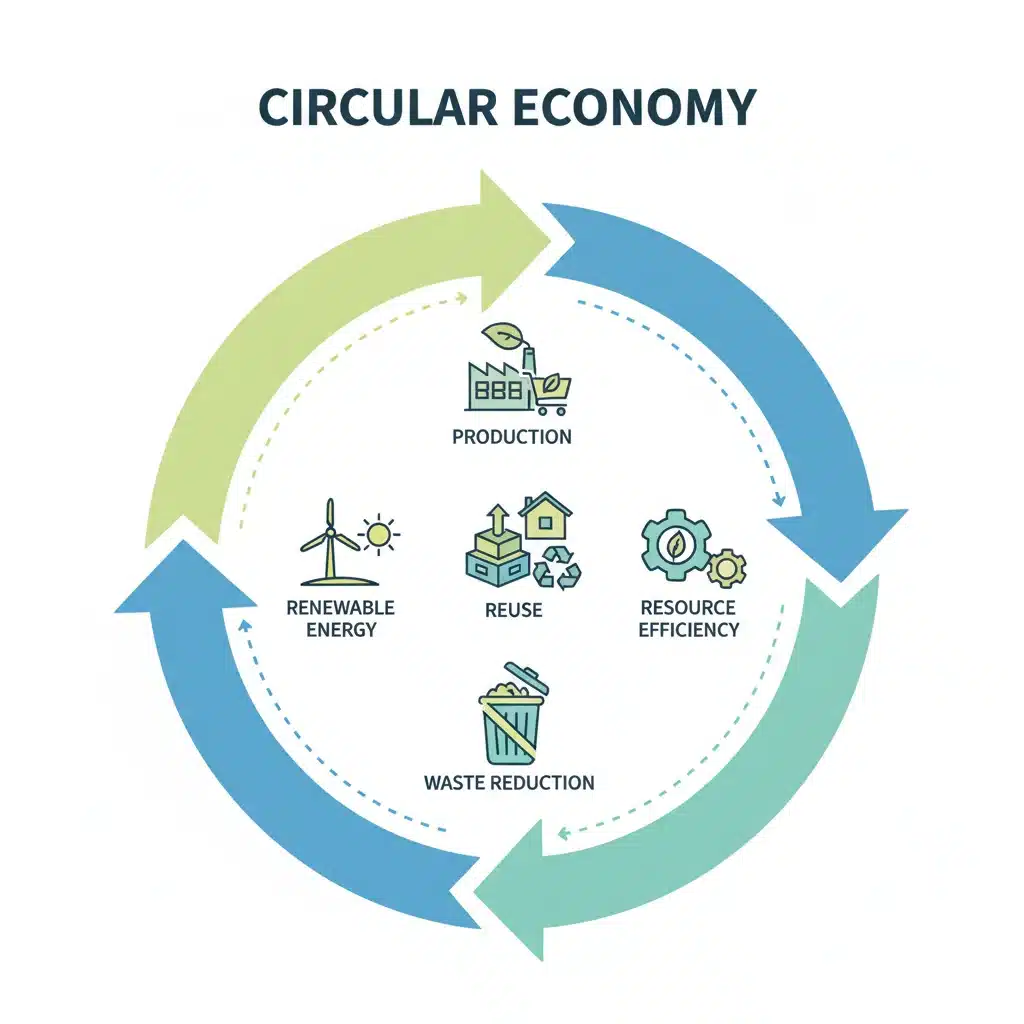
- Emergence of New Business Models: The growth of the circular economy, product-as-a-service models, and sharing economies offers novel ways to consume responsibly and reduce overall impact.
How You Can Be a More Conscious Consumer in 2026
Becoming a conscious consumer is a journey, not a destination. It involves continuous learning and intentional choices. Here are practical steps you can take:
- Research Before You Buy: Before making a purchase, take a few minutes to research the brand. Look for information on their sustainability practices, ethical sourcing policies, and social impact initiatives. Websites like B Corp Directory, Fair Trade USA, and various environmental ratings can be good starting points.
- Look for Certifications: Familiarize yourself with credible certifications like Fair Trade, USDA Organic, B Corp, GOTS (Global Organic Textile Standard), and Leaping Bunny. These third-party verifications indicate that a product or company meets specific ethical and environmental standards.
- Prioritize Durability and Quality: Invest in products that are made to last. Opt for quality over quantity, and consider items that can be repaired or repurposed. This reduces waste and the need for frequent replacements.
- Support Local and Small Businesses: Often, local businesses have a smaller environmental footprint and a stronger connection to their community. They can also offer greater transparency about their products.
- Reduce, Reuse, Recycle: Embrace the principles of the circular economy in your daily life. Reduce your consumption, reuse items whenever possible, and properly recycle what cannot be reused. Consider buying second-hand items.
- Question Your Needs: Before buying something new, ask yourself if you truly need it. Mindful consumption involves being intentional about what you bring into your life.
- Advocate and Share: Use your voice to support conscious brands and advocate for more sustainable practices. Share information with friends and family, and engage with brands on social media to encourage positive change.
- Understand the Lifecycle: Think about the entire lifecycle of a product – from where its raw materials come from, how it’s manufactured, how it’s used, and what happens to it at the end of its life.
Conclusion: The Enduring Power of Conscious Consumerism
The rise of conscious consumerism is more than just a passing trend; it is a fundamental shift in values that is reshaping the global economy. In 2026, the brands highlighted—Patagonia, Allbirds, Dr. Bronner’s, EILEEN FISHER, and Numi Organic Tea—stand as powerful examples of how businesses can thrive by prioritizing people and the planet alongside profit. They demonstrate that a commitment to sustainability, ethical practices, and social responsibility is not just good for the world but also a strategic imperative for long-term success and brand loyalty.
As consumers, our choices hold immense power. By consciously choosing to support brands that align with our values, we contribute to a more equitable, sustainable, and responsible future. This collective action creates a ripple effect, encouraging more companies to adopt ethical practices and driving systemic change across industries. The journey of conscious consumerism is ongoing, requiring continuous learning, critical evaluation, and a commitment to making intentional choices. However, the rewards—a healthier planet, fairer societies, and a more sustainable economy—are undeniably worth the effort. The future of commerce is conscious, and it is being built by the choices we make today.