The 2026 Guide to Sustainable Beauty Brands in the United States: Your Eco-Conscious Choices
Anúncios
In an era where conscious consumerism is no longer a niche, but a rapidly expanding movement, the beauty industry is undergoing a profound transformation. As we step into 2026, the demand for sustainable beauty brands has reached an all-time high, especially in the United States. Consumers are increasingly scrutinizing not just what goes into their products, but also how those products are made, packaged, and their overall impact on the planet and society. This comprehensive guide will navigate you through the evolving landscape of sustainable beauty, highlighting the brands that are truly making a difference in the U.S. market, and equipping you with the knowledge to make informed, eco-conscious choices.
Anúncios
The concept of ‘sustainable beauty’ extends far beyond just ‘natural’ or ‘organic’ ingredients. It encompasses a holistic approach that considers every stage of a product’s lifecycle – from ingredient sourcing and manufacturing processes to packaging, distribution, and even end-of-life disposal. It’s about minimizing environmental footprint, ensuring ethical labor practices, promoting biodiversity, and contributing positively to communities. For 2026, the bar for what constitutes a truly sustainable beauty brand has been raised, with transparency, innovation, and verifiable impact becoming paramount.
Understanding the Pillars of Sustainable Beauty in 2026
Before diving into specific brands, it’s crucial to understand the core principles that define a truly sustainable beauty brand in today’s market. These pillars serve as our criteria for evaluating the leading players in the U.S.:
Anúncios
1. Ethical and Sustainable Sourcing of Ingredients
The foundation of any sustainable beauty product lies in its ingredients. In 2026, consumers expect brands to go beyond simply listing ingredients; they want to know where they come from, how they are harvested, and under what conditions. This includes:
- Fair Trade Practices: Ensuring that farmers and workers involved in cultivating ingredients receive fair wages and work in safe conditions.
- Biodiversity Protection: Sourcing ingredients that do not contribute to deforestation or habitat destruction, and ideally support local ecosystems.
- Organic and Regenerative Agriculture: Prioritizing ingredients grown without synthetic pesticides or fertilizers, and increasingly, those from regenerative farming practices that improve soil health and sequester carbon.
- Traceability: Brands that offer clear transparency about their supply chains, allowing consumers to trace ingredients back to their origin.
2. Environmentally Conscious Manufacturing and Operations
The production phase is another critical area for sustainability. Leading sustainable beauty brands are implementing practices to minimize their operational footprint:
- Reduced Energy Consumption: Utilizing renewable energy sources (solar, wind) in manufacturing facilities.
- Water Conservation: Implementing water-saving technologies and responsible water management practices.
- Waste Reduction: Minimizing waste generated during production, with robust recycling and upcycling programs.
- Green Chemistry: Employing chemical processes that are designed to reduce or eliminate the use and generation of hazardous substances.
3. Innovative and Responsible Packaging Solutions
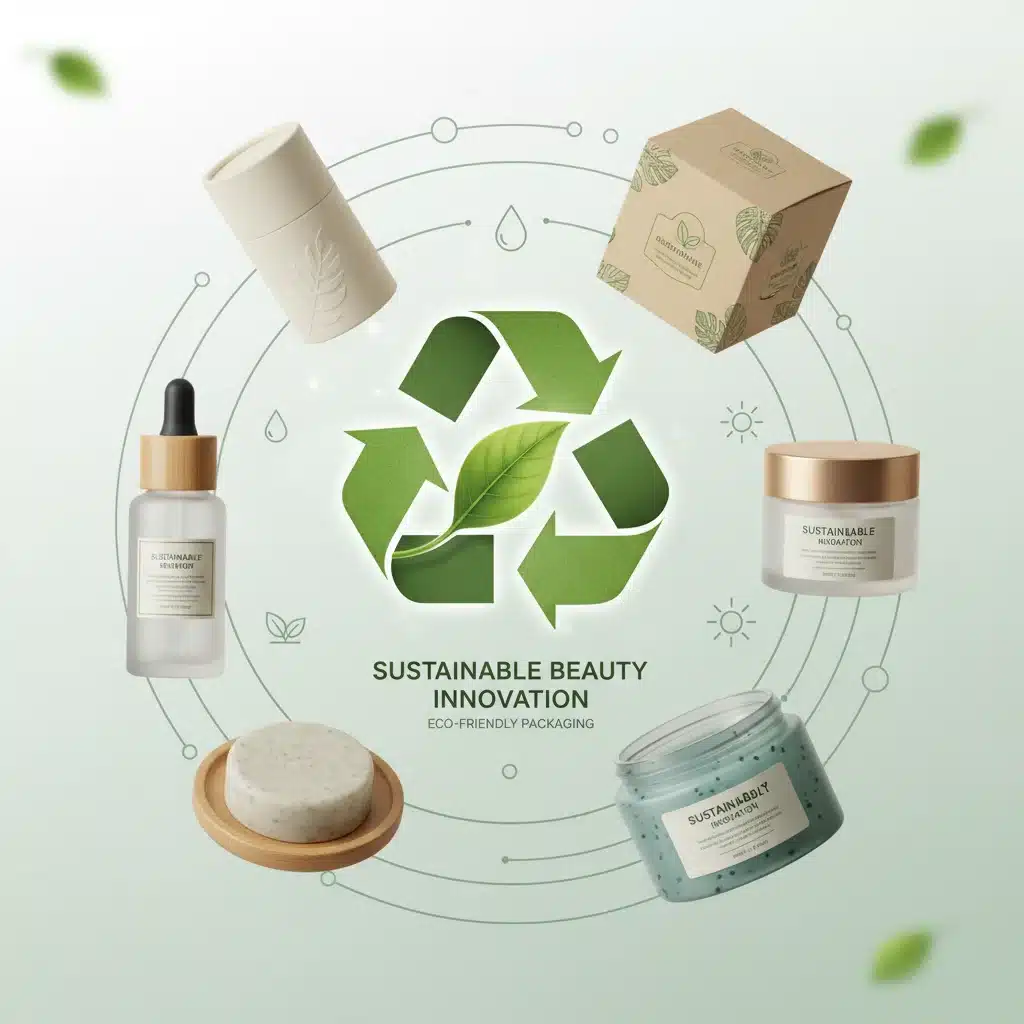
Perhaps one of the most visible aspects of sustainability, packaging continues to be a major focus. The goal is to move towards a circular economy where packaging is reused, refilled, or fully recyclable/compostable.
- Recycled Content: Using post-consumer recycled (PCR) plastics, glass, or aluminum.
- Recyclability: Designing packaging that is easily recyclable in common municipal systems.
- Refillable Systems: Offering products in refillable containers to significantly reduce single-use waste.
- Biodegradable/Compostable Materials: Exploring innovative materials derived from plant sources that can naturally break down.
- Minimalist Packaging: Reducing unnecessary layers, inserts, and excess materials.
4. Ethical Formulations and Animal Welfare
What’s inside the bottle matters just as much. Sustainable beauty brands are committed to:
- Clean Formulations: Avoiding harmful chemicals, toxins, parabens, phthalates, sulfates, and synthetic fragrances.
- Cruelty-Free: No animal testing at any stage of product development.
- Vegan: Products that contain no animal-derived ingredients.
- Biodegradability of Formulas: Ensuring that ingredients, especially those used in rinse-off products, do not harm aquatic ecosystems.
5. Transparency and Corporate Social Responsibility (CSR)
True sustainability requires accountability. Brands that excel in this area are transparent about their practices, challenges, and progress. They also actively engage in CSR initiatives:
- Certifications: Obtaining third-party certifications (e.g., B Corp, Leaping Bunny, USDA Organic, Ecocert) that verify their claims.
- Impact Reports: Publishing annual reports detailing their environmental and social impact.
- Community Engagement: Giving back to communities, supporting environmental causes, or engaging in philanthropic activities.
Leading Sustainable Beauty Brands in the U.S. for 2026
Now, let’s explore some of the trailblazing sustainable beauty brands that are setting the standard in the United States for 2026. These brands have demonstrated a strong commitment across multiple pillars of sustainability, offering consumers high-quality products that align with their values.
1. Youth To The People
Youth To The People has solidified its position as a leader in clean and sustainable skincare. Their formulations are packed with superfood ingredients like kale, spinach, and green tea, all sourced ethically. They are committed to:
- Packaging: Primarily using glass bottles and jars, with a strong emphasis on recyclability. They also offer a recycling program for their plastic components.
- Formulations: 100% vegan, cruelty-free, and free from parabens, phthalates, and dimethicone.
- Sourcing: Prioritizing cold-pressed extracts to maintain ingredient potency and working with suppliers who adhere to sustainable farming practices.
- Impact: A certified B Corp, demonstrating their commitment to social and environmental performance, transparency, and accountability. They also support various environmental initiatives.
2. ILIA Beauty
ILIA has revolutionized the clean makeup space by integrating skincare benefits into their high-performance products. Their sustainability efforts are comprehensive:
- Packaging: A pioneer in refillable makeup, particularly with their popular Limitless Lash Mascara and True Skin Serum Concealer. They also utilize recycled aluminum, glass, and PCR plastics, and offer a take-back recycling program for hard-to-recycle components.
- Formulations: Focus on organic and natural ingredients, with strict adherence to clean beauty standards. Their products are cruelty-free, and a significant portion is vegan.
- Sourcing: Committed to ingredient transparency and ensuring responsible sourcing.
- Impact: Certified Leaping Bunny and a strong advocate for environmental protection, constantly innovating to reduce their footprint.
3. Biossance
Biossance is celebrated for its commitment to biotechnology and sustainable ingredient innovation, particularly their hero ingredient, squalane, derived from sugarcane instead of sharks.
- Packaging: Primarily uses recyclable glass and sugarcane-derived plastic tubes, which are carbon-neutral.
- Formulations: 100% vegan, cruelty-free, and EWG verified. Their formulas are bio-fermented, reducing the need for extensive land use and water.
- Sourcing: Their squalane is a prime example of sustainable sourcing, avoiding harm to marine ecosystems.
- Impact: Certified by My Green Lab for sustainable laboratory practices and a proud partner of various environmental organizations.
4. Drunk Elephant
While primarily known for its ‘clean’ formulations, Drunk Elephant has also made significant strides in sustainability, particularly in packaging and ingredient transparency.
- Packaging: Utilizes airless pump containers which protect product integrity and reduce waste by ensuring nearly all product is dispensed. They are moving towards increasing PCR content in their packaging and improving recyclability.
- Formulations: Focused on biocompatible ingredients, avoiding what they call the ‘Suspicious 6’ (essential oils, drying alcohols, silicones, chemical sunscreens, fragrances/dyes, and SLS). All products are cruelty-free.
- Sourcing: Committed to ethical and sustainable sourcing, though specific details vary by ingredient.
- Impact: While not a B Corp, they emphasize transparency in ingredient lists and actively educate consumers on clean beauty principles.
5. Aether Beauty
Aether Beauty stands out as the world’s first zero-waste eyeshadow palette brand, making them a true pioneer in sustainable makeup.
- Packaging: Their eyeshadow palettes are made from FSC-certified paper, with removable pans and no mirrors or magnets, making them fully recyclable. They also use recycled and recyclable materials for other products.
- Formulations: Vegan, cruelty-free, organic, and fair-trade ingredients. They avoid over 2,000 harmful ingredients.
- Sourcing: Committed to ethical and sustainable sourcing of all ingredients, including crystals used in their formulas.
- Impact: Donates a portion of sales to environmental charities, and their entire philosophy is built around reducing waste and promoting conscious consumption.

The Future of Sustainable Beauty: Trends for 2026 and Beyond
The landscape of sustainable beauty brands is constantly evolving. Here are some key trends we’re observing and anticipating for 2026 and the years to come:
1. Hyper-Personalization with Sustainability at its Core
The future of beauty is increasingly personalized, but this trend is now merging with sustainability. Brands are leveraging AI and advanced diagnostics to create custom formulations that minimize waste by only producing what’s needed for an individual, reducing excess inventory and unused products. This also extends to refillable systems tailored to individual consumption patterns.
2. Advanced Circularity in Packaging
While refillable and recycled packaging are gaining traction, 2026 will see an acceleration in truly circular systems. This means more widespread take-back programs, sophisticated recycling technologies that can handle complex beauty packaging, and a greater emphasis on designing packaging for multiple lifecycles, not just one. Brands will invest more in closed-loop systems where their own packaging is collected, processed, and reused to create new packaging for their products.
3. Upcycled and Bio-Synthesized Ingredients
To reduce waste and conserve resources, brands are increasingly looking at upcycling by-products from other industries (e.g., coffee grounds, fruit seeds, wine industry waste) into potent beauty ingredients. Furthermore, bio-synthesis – using microorganisms to create ingredients – will become more prevalent, offering sustainable alternatives to traditionally resource-intensive or animal-derived components, reducing reliance on agriculture and its associated footprint.
4. Waterless and Solid Formulations
Water is a precious resource, and its conservation is a major sustainability goal. Waterless beauty products (e.g., solid shampoos, powdered cleansers, concentrated serums) are gaining popularity as they reduce the need for water in formulation and often lead to lighter packaging and lower shipping emissions. This trend will only intensify as consumers become more aware of water scarcity.
5. Enhanced Supply Chain Transparency Through Blockchain
As consumers demand more accountability, blockchain technology is emerging as a powerful tool to provide immutable records of an ingredient’s journey from farm to factory to shelf. This allows brands to verify ethical sourcing, fair labor practices, and environmental impact data with unprecedented transparency, building greater trust with consumers.
6. Carbon Neutrality and Beyond
Many sustainable beauty brands are already striving for carbon neutrality by offsetting their emissions. In 2026, the focus will shift towards ‘carbon negative’ operations, where brands actively remove more carbon from the atmosphere than they emit, through initiatives like regenerative farming, reforestation, and direct air capture technologies. This ambitious goal represents the pinnacle of environmental responsibility.
How to Identify Truly Sustainable Beauty Brands
With ‘greenwashing’ being a persistent concern, it’s essential for consumers to be equipped to differentiate genuinely sustainable brands from those merely jumping on the bandwagon. Here’s a checklist for 2026:
- Look for Certifications: Reputable third-party certifications (B Corp, Leaping Bunny, EWG Verified, USDA Organic, Ecocert, Fair Trade) provide independent verification of a brand’s claims. Don’t just trust a brand’s own ‘eco-friendly’ label.
- Examine Ingredient Lists: Prioritize brands with transparent ingredient lists. Research unfamiliar ingredients. Look for natural, organic, and responsibly sourced components.
- Scrutinize Packaging: Does the brand offer refillable options? Is the packaging made from PCR materials, glass, or aluminum? Is it easily recyclable in your local area? Is there excessive secondary packaging?
- Check for Transparency Reports: Does the brand publish an annual sustainability report or clearly outline their environmental and social goals and progress on their website? A lack of detailed information can be a red flag.
- Research Brand Values and Mission: Does the brand’s mission genuinely align with sustainability, or does it feel like an afterthought? Look for consistent messaging across their platforms and actions.
- Avoid ‘Greenwashing’ Buzzwords: Be wary of vague terms like ‘natural,’ ‘pure,’ or ‘clean’ without further explanation or certification. These terms are often unregulated and can be misleading.
- Support Brands with Take-Back Programs: Brands that offer programs to collect and recycle their empties demonstrate a commitment to the entire product lifecycle.
The Consumer’s Role in Driving Sustainable Beauty
Your choices as a consumer wield immense power. By consciously opting for sustainable beauty brands, you are sending a clear message to the industry, encouraging more brands to adopt ethical and environmentally responsible practices. Every purchase is a vote for the kind of world and future you want to support.
Tips for a More Sustainable Beauty Routine:
- Educate Yourself: Stay informed about ingredients, packaging innovations, and brand practices.
- Shop Mindfully: Buy only what you need to reduce waste.
- Embrace Refills: Opt for refillable products whenever possible.
- Recycle Properly: Understand your local recycling guidelines and clean empties before recycling.
- Support Small, Local Brands: Often, smaller brands have shorter supply chains and a strong commitment to local sustainability.
- Repurpose or Upcycle: Get creative with empty jars and bottles – use them for storage, DIY projects, or even plants.
- Spread the Word: Share your favorite sustainable brands and practices with friends and family.
Challenges and Opportunities for Sustainable Beauty Brands
While the momentum for sustainable beauty is undeniable, brands still face significant challenges:
Challenges:
- Cost of Innovation: Developing sustainable ingredients and packaging often requires substantial investment in R&D.
- Supply Chain Complexity: Ensuring sustainability across a global supply chain is incredibly intricate and demanding.
- Consumer Education: Overcoming greenwashing and educating consumers on what true sustainability entails remains an ongoing effort.
- Infrastructure for Recycling: The lack of consistent and robust recycling infrastructure across the U.S. can hinder even the best intentions for recyclable packaging.
- Scalability: Scaling sustainable practices while maintaining product quality and affordability can be difficult for growing brands.
Opportunities:
- Consumer Demand: The ever-growing demand for sustainable products presents a massive market opportunity.
- Technological Advancements: Innovations in green chemistry, biotechnology, and material science are continually offering new solutions.
- Brand Loyalty: Brands that genuinely commit to sustainability often build strong, loyal customer bases.
- Regulatory Support: Increasing government and industry regulations and incentives are pushing for more sustainable practices.
- Collaboration: Partnerships between brands, suppliers, and recycling companies can drive collective progress.
Conclusion: A Greener Glow for 2026 and Beyond
The 2026 landscape of sustainable beauty brands in the United States is vibrant, innovative, and increasingly impactful. From ingredient sourcing to packaging and corporate responsibility, the industry is making significant strides towards a more ethical and eco-conscious future. Brands like Youth To The People, ILIA Beauty, Biossance, Drunk Elephant, and Aether Beauty are not just selling products; they are selling a vision of beauty that harmonizes with the planet.
As consumers, our role is crucial. By staying informed, choosing wisely, and supporting brands that align with our values, we can collectively drive the beauty industry towards even greater sustainability. The journey to a truly green beauty routine is ongoing, but with each conscious choice, we contribute to a healthier planet and a more radiant future for all.