Credit Score Boost: 7 Actionable Steps to Increase Your Score by 50 Points in 6 Months (2026 Edition)

Anúncios
In today’s financial landscape, a strong credit score isn’t just a number; it’s a powerful tool that unlocks opportunities, saves you money, and provides peace of mind. Whether you’re aiming for a new home, a car loan with better rates, or simply want to improve your financial standing, knowing how to effectively boost credit score is crucial. This comprehensive guide, updated for 2026, will walk you through seven actionable steps designed to help you increase your credit score by a significant 50 points or more within just six months. We’ll delve into the strategies that truly make a difference, empowering you to take control of your financial future.
Anúncios
Understanding Your Credit Score: The Foundation for a Boost
Before you can effectively boost credit score, you need to understand what it is, how it’s calculated, and why it matters. Your credit score is a three-digit number that lenders use to assess your creditworthiness. It’s essentially a snapshot of your financial reliability, indicating how likely you are to repay borrowed money. The most common scoring models are FICO and VantageScore, each with slightly different methodologies but similar underlying principles.
Anúncios
What Factors Influence Your Credit Score?
- Payment History (35%): This is the most critical factor. Paying your bills on time, every time, is paramount. Late payments, collections, and bankruptcies can severely damage your score.
- Amounts Owed (30%): Also known as credit utilization, this refers to the amount of credit you’re using compared to your total available credit. Keeping this ratio low (ideally below 30%) is key to a good score.
- Length of Credit History (15%): The longer your credit accounts have been open and in good standing, the better. This demonstrates a consistent history of responsible borrowing.
- New Credit (10%): Opening too many new credit accounts in a short period can be seen as risky behavior and may temporarily lower your score.
- Credit Mix (10%): Having a healthy mix of different types of credit (e.g., credit cards, installment loans, mortgages) can positively impact your score, showing you can manage various forms of debt responsibly.
Understanding these factors is the first step towards formulating a targeted strategy to boost credit score. Now, let’s dive into the practical steps.
Step 1: Obtain and Scrutinize Your Credit Reports (The Essential First Move)
You can’t fix what you don’t know is broken. Your credit reports from the three major bureaus (Equifax, Experian, and TransUnion) are the definitive records of your credit history. Federal law entitles you to a free copy of your credit report from each bureau once every 12 months through AnnualCreditReport.com. In 2026, it’s even easier to access these digitally.
What to Look For:
- Errors and Inaccuracies: This is a goldmine for quick score improvements. Look for incorrect personal information, accounts you don’t recognize, incorrect payment statuses, duplicate accounts, or accounts that should have been removed (e.g., old bankruptcies after seven years).
- Negative Items: Identify any late payments, collections, charge-offs, or public records. While these are legitimate, knowing their presence helps you strategize.
- Account Status: Ensure all your accounts are correctly reported as open, closed, or paid off.

Disputing Errors:
If you find errors, dispute them immediately with both the credit bureau and the creditor. Provide documentation to support your claim. Correcting inaccuracies can often lead to a swift boost credit score.
Step 2: Prioritize On-Time Payments (The Cornerstone of Good Credit)
As established, payment history accounts for 35% of your credit score. This makes it the single most impactful area for improvement. Late payments can stay on your report for up to seven years and significantly drag down your score.
Strategies for Punctual Payments:
- Set Up Automatic Payments: Most banks and creditors offer this feature. Automating your minimum payments ensures you never miss a due date. You can always make additional manual payments if you wish.
- Calendar Reminders: Use digital calendars or apps to set reminders a few days before each bill is due.
- Consolidate Due Dates: If possible, contact your creditors to see if you can adjust your payment due dates to align with your paychecks or a single day of the month, simplifying your payment schedule.
- Pay More Than the Minimum: While paying on time is critical, paying more than the minimum whenever possible will also reduce your overall debt faster, which ties into the next step.
Mastering timely payments is not just about avoiding penalties; it’s about consistently building a positive payment history that will dramatically boost credit score over time.
Step 3: Reduce Credit Utilization (Lowering Your Debt-to-Credit Ratio)
Your credit utilization ratio is the amount of credit you’re using compared to your total available credit. For example, if you have a credit card with a $10,000 limit and you owe $3,000, your utilization is 30%. Experts recommend keeping this ratio below 30%, and ideally even lower (under 10%) for optimal scores.
Tactics to Lower Utilization:
- Pay Down Balances: Focus on paying down your credit card balances, especially those with high utilization. Even small, consistent payments can make a difference.
- Make Multiple Payments Per Month: Instead of waiting for the statement due date, make smaller payments throughout the month. This can lower the reported balance to the credit bureaus.
- Request a Credit Limit Increase: If you’re a responsible borrower with a good payment history, you might ask your credit card company for a limit increase. This increases your total available credit, which can lower your utilization ratio, provided you don’t increase your spending. Be cautious, as some limit increase requests might involve a hard inquiry.
- Avoid Closing Old Accounts: While it might seem counterintuitive, closing an old credit card account can actually hurt your utilization ratio by reducing your total available credit, even if it has a zero balance.
Aggressively managing your credit utilization is one of the fastest ways to see a noticeable boost credit score within a few months.
Step 4: Diversify Your Credit Mix (Showcasing Responsible Borrowing)
Credit mix accounts for 10% of your score. Lenders like to see that you can responsibly manage different types of credit. This doesn’t mean you should take out loans you don’t need, but it does suggest that a healthy blend of revolving credit (like credit cards) and installment loans (like mortgages, car loans, or student loans) can be beneficial.
Building a Healthy Credit Mix:
- Secured Credit Cards: If you have limited credit history, a secured credit card can be a great starting point. You put down a deposit, which becomes your credit limit, and you use it like a regular credit card. This helps establish a positive payment history.
- Credit-Builder Loans: These are small installment loans designed specifically to help people build credit. The loan amount is held in an account while you make payments, and once paid off, you receive the funds.
- Responsible Use of Installment Loans: If you’re already in the market for a car or home, securing these loans and making consistent, on-time payments will contribute positively to your credit mix.
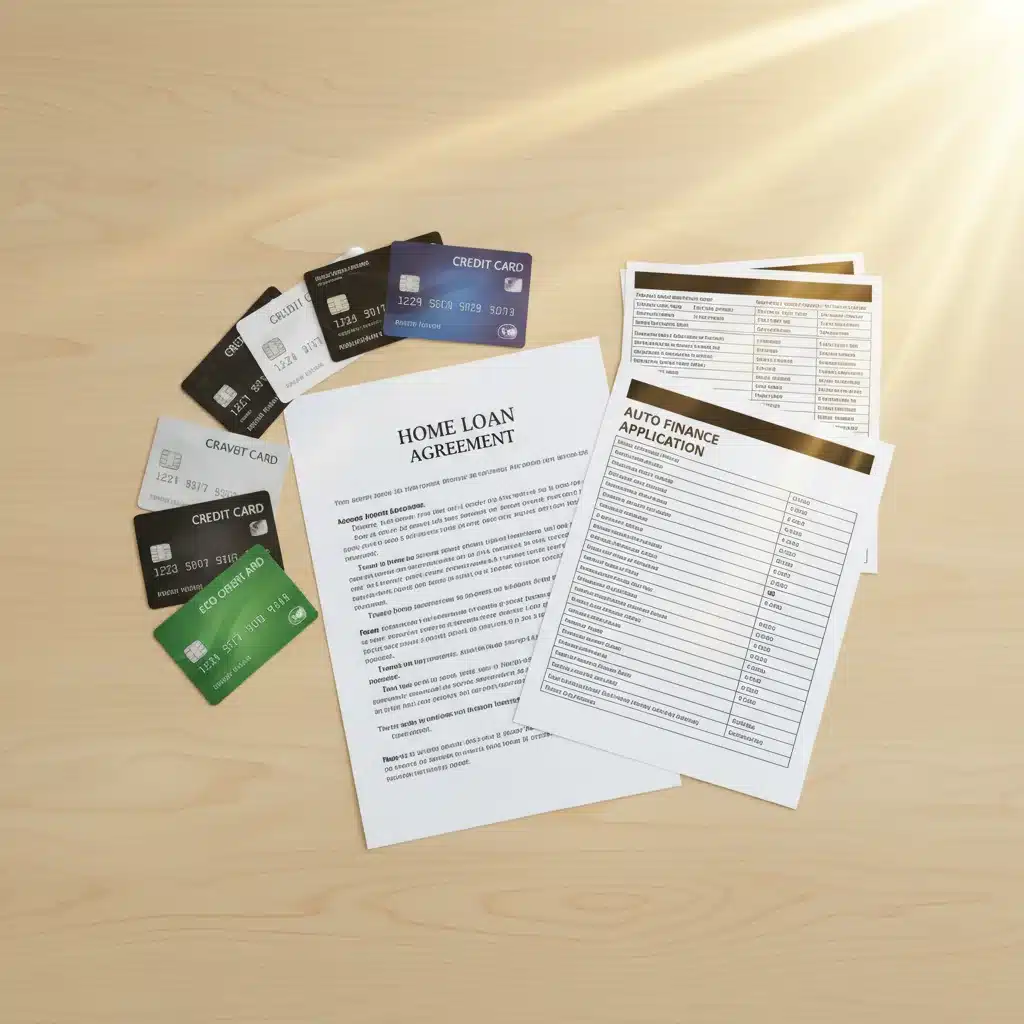
Remember, the goal is not to accumulate debt but to demonstrate your ability to manage various credit obligations responsibly. A diversified credit portfolio can significantly boost credit score by showing your versatility as a borrower.
Step 5: Avoid New Hard Inquiries (Protecting Your Score from Dips)
Each time you apply for new credit (a loan, a new credit card, a mortgage), a ‘hard inquiry’ is placed on your credit report. These inquiries typically cause a small, temporary dip in your credit score and remain on your report for two years, though their impact lessens over time. While a single inquiry usually isn’t a big deal, a flurry of them in a short period can signal to lenders that you’re a higher risk.
Strategic Credit Applications:
- Only Apply When Necessary: Resist the urge to apply for every store credit card offer or loan you see. Only apply for credit when you genuinely need it.
- Shop Around for Loans Wisely: If you’re rate shopping for a mortgage or car loan, multiple inquiries within a short period (typically 14-45 days, depending on the scoring model) are often treated as a single inquiry, minimizing the impact. This is because lenders understand you’re looking for the best rate, not necessarily taking on multiple loans.
- Understand the Difference Between Hard and Soft Inquiries: Checking your own credit score or a pre-qualification for a loan results in a ‘soft inquiry,’ which does not affect your score.
Being mindful of new credit applications can prevent unnecessary drops and help you consistently boost credit score.
Step 6: Become an Authorized User (Leveraging Others’ Good Credit)
If you have a trusted family member or partner with excellent credit, becoming an authorized user on one of their credit card accounts can be a quick way to boost credit score, especially if you have a thin credit file or are trying to rebuild. When you’re added as an authorized user, the account’s positive payment history and credit limit can appear on your credit report.
Important Considerations:
- Choose Wisely: Ensure the primary cardholder has a long history of on-time payments and low credit utilization. Their mistakes could become yours.
- Discuss Expectations: Agree on whether you’ll actually use the card and how payments will be handled. Many people become authorized users purely for the credit reporting benefits and never even receive a physical card.
- Not a Universal Solution: While often effective, some scoring models or lenders may weigh authorized user accounts less heavily than primary accounts.
This strategy can provide a rapid influx of positive credit history, making it a powerful tool to quickly boost credit score. However, it requires a high level of trust and clear communication.
Step 7: Consider a Secured Loan or Credit-Builder Account (Targeted Credit Building)
For those with very limited credit history or a past that needs significant repair, secured loans or credit-builder accounts are excellent options. These are specifically designed to help you establish or re-establish positive credit. We touched on them briefly in Step 4, but they warrant a deeper dive due to their direct impact on credit building.
How They Work:
- Secured Credit Cards: As mentioned, you provide a cash deposit that acts as collateral and your credit limit. You use the card like a regular credit card, and your payments are reported to the credit bureaus. After a period of responsible use, many secured cards can transition to unsecured cards, and your deposit is returned.
- Credit-Builder Loans: You ‘borrow’ a small amount of money (e.g., $500-$1,000) from a financial institution. However, you don’t receive the money upfront. Instead, it’s placed in a locked savings account, and you make monthly payments on the loan. These payments are reported to the credit bureaus. Once the loan is fully paid, you receive access to the funds, plus you’ve built a positive payment history.
Benefits:
- Guaranteed Approval: These products are typically easier to qualify for, even with poor or no credit.
- Reports to All Bureaus: Reputable providers will report your payment activity to all three major credit bureaus, ensuring your efforts are recognized across the board.
- Teaches Financial Discipline: They provide a structured way to practice on-time payments and responsible credit use.
Utilizing these targeted tools can be a strategic way to proactively boost credit score, especially when other options are limited.
Maintaining Your Boosted Credit Score: Long-Term Strategies for 2026 and Beyond
Achieving a 50-point credit score boost in six months is an excellent accomplishment, but maintaining and further improving it requires ongoing vigilance. Here are some long-term strategies:
Continuously Monitor Your Credit:
Regularly check your credit reports for accuracy. Identity theft and errors can still occur, and catching them early is key to preventing damage to your hard-earned score. Many credit card companies and financial apps now offer free credit score monitoring services, making it easier than ever to stay on top of your credit health in 2026.
Keep Old Accounts Open:
Even if you don’t use them frequently, keeping old, paid-off credit accounts open contributes to your length of credit history and your overall available credit, both of which positively impact your score. Just make sure to use them occasionally to keep them active, perhaps for a small, recurring bill that you pay off immediately.
Manage Debt Responsibly:
Strive to keep your credit card balances low, ideally under 10% utilization. If you carry balances, focus on paying down the highest interest debt first (the ‘debt avalanche’ method) or the smallest balance first (the ‘debt snowball’ method) to gain momentum.
Budgeting and Financial Planning:
A solid budget is the backbone of good financial health. Knowing where your money goes allows you to prioritize debt payments and avoid overspending, which can lead to credit card reliance. Utilize modern budgeting apps and tools to help you stay on track.
Be Patient and Consistent:
Building excellent credit is a marathon, not a sprint. While these steps can provide a significant boost in six months, continued good habits will lead to even greater improvements over time. Consistency in payment, utilization management, and monitoring is key.
The Impact of a Higher Credit Score in 2026
A 50-point increase in your credit score can translate into tangible financial benefits. Here’s what you can expect:
- Lower Interest Rates: This is perhaps the biggest advantage. A higher score means lenders view you as less risky, leading to lower interest rates on mortgages, car loans, and personal loans. Over the life of a loan, this can save you thousands of dollars.
- Easier Loan Approvals: You’ll have a much easier time qualifying for credit and loans when you need them.
- Better Credit Card Offers: Access to premium credit cards with better rewards, lower interest rates, and more attractive perks.
- Lower Insurance Premiums: In many states, insurance companies use credit scores (or credit-based insurance scores) to determine premiums for auto and home insurance. A better score can mean lower rates.
- Easier Rental Approvals: Landlords often check credit scores as part of the rental application process. A strong score can make securing housing much smoother.
- Lower Utility Deposits: Some utility companies check credit and may waive or reduce security deposits for customers with good credit.
By taking proactive steps to boost credit score, you’re not just improving a number; you’re investing in your financial future and opening doors to better opportunities.
Conclusion: Your Path to a Stronger Credit Future
Improving your credit score by 50 points in six months is an achievable goal with the right strategy and consistent effort. By diligently following these seven actionable steps – checking your reports, prioritizing on-time payments, reducing utilization, diversifying your credit mix, avoiding unnecessary hard inquiries, leveraging authorized user status, and considering secured products – you can build a robust foundation for financial success.
Remember, your credit score is a dynamic reflection of your financial behavior. Embrace these habits, stay informed, and commit to responsible credit management. The rewards of a higher credit score are significant and far-reaching, empowering you with greater financial flexibility and security in 2026 and for many years to come. Start today, and watch your financial future transform.