Debt Consolidation in 2026: 3 Top Strategies to Slash Interest & Save

Anúncios
Debt Consolidation in 2026: 3 Top Strategies to Slash Interest & Save
In an ever-evolving financial landscape, managing debt effectively is more crucial than ever. As we look ahead to 2026, many individuals are seeking smarter ways to tackle their financial obligations, particularly high-interest debts that can feel like an insurmountable burden. This is where debt consolidation comes into play – a powerful financial strategy designed to simplify your payments, reduce your overall interest burden, and ultimately pave the way to financial freedom. But with so many options available, how do you choose the right path?
Anúncios
This comprehensive guide will delve into the top 3 debt consolidation strategies poised for relevance and effectiveness in 2026. We’ll explore each method in detail, weighing its pros and cons, and providing actionable insights to help you make an informed decision. Whether you’re struggling with credit card debt, personal loans, or other forms of unsecured debt, understanding these strategies can unlock significant savings and alleviate financial stress.
Anúncios
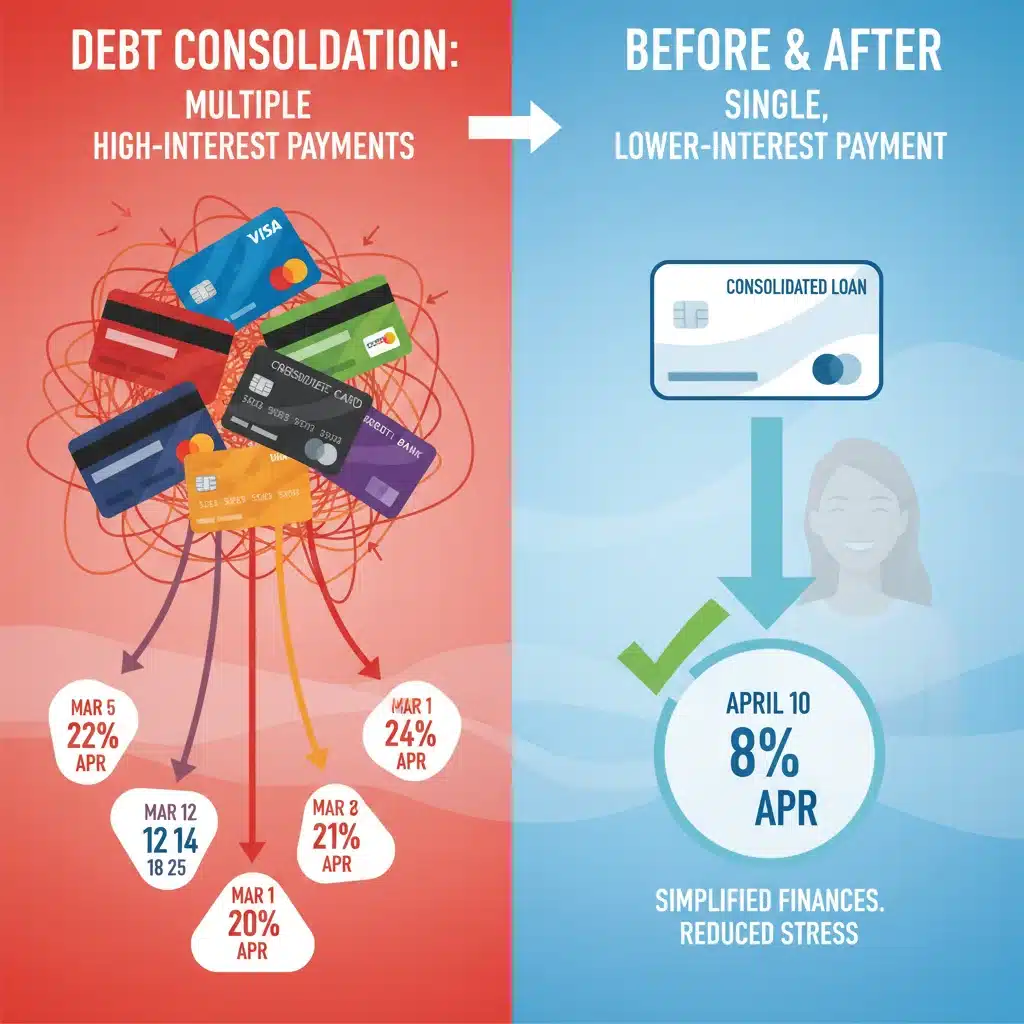
The goal of debt consolidation is straightforward: to combine multiple debts into a single, more manageable payment, ideally with a lower interest rate. This not only simplifies your monthly budgeting but can also save you a substantial amount of money over the long term. However, the ‘best’ strategy is highly individual, depending on your credit score, the amount of debt you hold, and your financial goals. Let’s explore the leading debt consolidation strategies for 2026.
Understanding the Core Benefits of Debt Consolidation
Before diving into specific strategies, it’s vital to grasp why debt consolidation is such a compelling option for many. The benefits extend beyond just a lower interest rate, encompassing psychological and practical advantages that can significantly improve your financial well-being.
- Simplified Payments: Instead of juggling multiple due dates and minimum payments, you’ll have just one monthly payment to remember. This drastically reduces the chances of missed payments, which can lead to late fees and negative impacts on your credit score.
- Potential for Lower Interest Rates: This is often the primary driver for individuals considering debt consolidation. By securing a new loan or credit line with a lower interest rate than your existing debts, you can reduce the total amount of interest paid over the life of the debt, leading to substantial savings.
- Fixed Repayment Schedule: You’ll know exactly when your debt will be paid off, typically ranging from 2 to 7 years.
- Reduced Financial Stress: The mental burden of multiple debts can be overwhelming. Consolidating them into one manageable payment can significantly reduce stress and allow you to focus on other financial goals.
- Improved Credit Score (Potentially): While the initial impact might vary, successfully managing a consolidated debt payment and making on-time payments can positively affect your credit score over time. Reducing your credit utilization ratio (the amount of credit you’re using compared to your total available credit) is a key factor here.
It’s important to approach debt consolidation with a clear understanding of your financial situation and goals. This isn’t a magic bullet that makes debt disappear; rather, it’s a tool that, when used wisely, can make debt management more efficient and affordable. Now, let’s explore the leading debt consolidation strategies for 2026.
Strategy 1: Personal Loans for Debt Consolidation
Personal loans remain one of the most popular and versatile debt consolidation strategies. These are unsecured loans, meaning they don’t require collateral like a house or car. You borrow a lump sum from a bank, credit union, or online lender, and then use that money to pay off your existing high-interest debts. You then repay the personal loan over a fixed term, usually with a fixed interest rate.
How Personal Loans Work for Consolidation
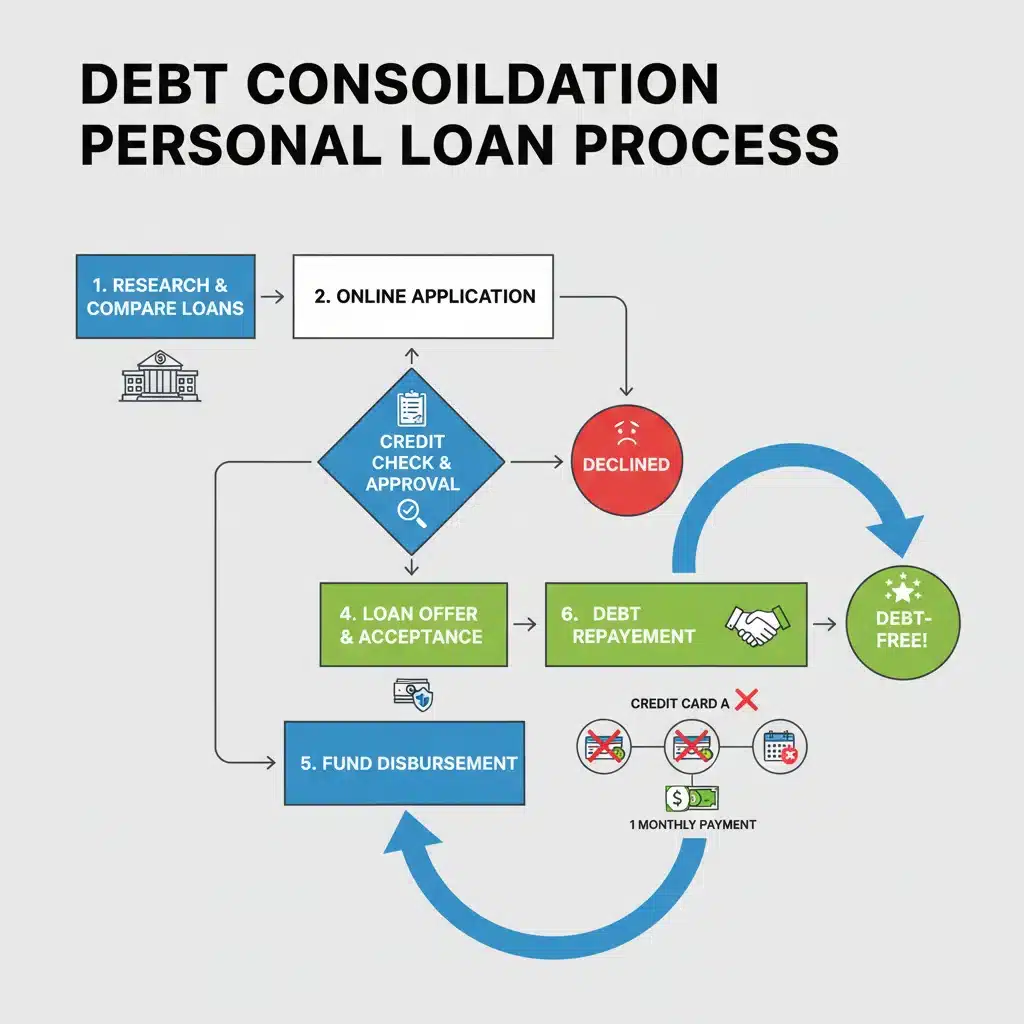
When you apply for a personal loan for debt consolidation, lenders will assess your creditworthiness, including your credit score, income, and debt-to-income ratio. If approved, the loan amount will be deposited into your bank account. You then use these funds to pay off your credit cards, medical bills, or other unsecured debts. From that point forward, you’ll only have one monthly payment to the personal loan lender.
Pros of Using a Personal Loan:
- Fixed Interest Rate: Most personal loans come with a fixed interest rate, meaning your monthly payment will remain consistent throughout the loan term. This predictability is excellent for budgeting.
- Clear Repayment Schedule: You’ll know exactly when your debt will be paid off, typically ranging from 2 to 7 years.
- Potentially Lower Interest Rates: If you have good to excellent credit, you may qualify for a personal loan with a significantly lower interest rate than what you’re paying on credit cards, potentially saving you thousands.
- No Collateral Required: Since they are unsecured, you don’t risk losing an asset if you default (though defaulting will severely damage your credit).
- Streamlined Payments: One payment simplifies your financial life considerably.
Cons of Using a Personal Loan:
- Credit Score Dependent: Eligibility for the best rates is highly dependent on a strong credit score. If your credit is poor, you might not qualify, or the interest rate offered could be higher than what you’re currently paying.
- Origination Fees: Some lenders charge an origination fee, which is a percentage of the loan amount, deducted from your disbursed funds.
- Temptation to Incur New Debt: Once your credit cards are paid off, there’s a temptation to use them again, potentially leading to more debt. Discipline is key.
Who is this for? Personal loans are ideal for individuals with good to excellent credit scores (typically 670 and above) who want a predictable repayment schedule and the potential for significant interest savings. It’s also a good choice for those who can commit to not accumulating new debt on their now-empty credit cards.
Strategy 2: Balance Transfer Credit Cards
Balance transfer credit cards offer another compelling avenue for debt consolidation strategies, particularly for those with high-interest credit card debt. The core idea is to transfer balances from one or more high-interest credit cards to a new card that offers a 0% introductory APR for a specified period, typically 6 to 21 months.
How Balance Transfer Cards Work for Consolidation
You apply for a new credit card specifically designed for balance transfers. Once approved, you request to transfer your existing credit card balances to this new card. During the introductory 0% APR period, all your payments go directly towards reducing the principal amount of your debt, rather than being eaten up by interest. This can accelerate your debt repayment significantly.
Pros of Using a Balance Transfer Card:
- 0% Interest Period: The most attractive feature is the ability to pay down debt without accruing any interest for an extended period. This is a powerful tool for accelerating repayment.
- Significant Savings: If you can pay off a substantial portion or all of your transferred balance before the introductory period ends, you can save a considerable amount in interest charges.
- Simplicity: Consolidating multiple credit card balances into one card simplifies your monthly payments.
- No Application Fees: Unlike some personal loans, balance transfer cards typically don’t have application fees.
Cons of Using a Balance Transfer Card:
- Balance Transfer Fees: Most balance transfer cards charge a fee, usually 3% to 5% of the transferred amount. While this is a one-time fee, it can add up.
- Limited Introductory Period: The 0% APR is temporary. If you don’t pay off the balance before the period ends, the remaining balance will be subject to a much higher, standard APR, which can often be quite high.
- Credit Limit Restrictions: The credit limit offered on the new card might not be high enough to consolidate all your existing debt.
- Credit Score Requirement: You generally need a good to excellent credit score to qualify for the best balance transfer offers.
- Temptation to Re-accumulate Debt: Similar to personal loans, there’s a risk of running up new debt on your old, now-empty credit cards.
Who is this for? Balance transfer cards are best suited for individuals with good credit scores who are disciplined and confident they can pay off a significant portion, if not all, of their transferred debt within the 0% introductory APR period. It’s a sprint, not a marathon, and requires a solid repayment plan.
Strategy 3: Home Equity Loans or Lines of Credit (HELOCs)
For homeowners, utilizing the equity in their home can be a powerful debt consolidation strategy. Home equity loans and Home Equity Lines of Credit (HELOCs) allow you to borrow against the value of your home, often at much lower interest rates than unsecured debts. These are secured loans, meaning your home serves as collateral.
How Home Equity Options Work for Consolidation
A home equity loan provides a lump sum of money that you repay over a fixed term with a fixed interest rate. You use this lump sum to pay off your high-interest debts. A HELOC, on the other hand, functions more like a credit card. It’s a revolving line of credit that allows you to borrow money as needed, up to a certain limit, during a draw period. You only pay interest on the amount you borrow. After the draw period, you enter a repayment period.
Pros of Using Home Equity Options:
- Lower Interest Rates: Because your home serves as collateral, lenders consider these loans less risky, resulting in significantly lower interest rates compared to personal loans or credit cards.
- Tax Deductible Interest (Potentially): Interest paid on home equity loans or HELOCs can be tax-deductible if the funds are used to buy, build, or substantially improve the home that secures the loan, though tax laws can change, so consult a tax professional.
- Larger Loan Amounts: You can typically borrow larger sums of money with home equity options, making them suitable for consolidating substantial amounts of debt.
- Longer Repayment Terms: Repayment periods can extend up to 15 or 20 years, resulting in lower monthly payments, though you’ll pay more interest over the long run.
Cons of Using Home Equity Options:
- Your Home is Collateral: This is the most significant risk. If you default on your payments, your lender could foreclose on your home.
- Closing Costs: Both home equity loans and HELOCs come with closing costs, similar to a mortgage, which can include appraisal fees, origination fees, and title search fees.
- Variable Interest Rates (HELOCs): While home equity loans often have fixed rates, HELOCs typically have variable rates, meaning your monthly payments can fluctuate with market interest rates. This introduces an element of unpredictability.
- Can Extend Debt Repayment: While lower monthly payments are attractive, longer repayment terms mean you’ll be in debt for a longer period and potentially pay more in total interest, even with a lower rate.
Who is this for? Home equity options are best for homeowners with substantial equity, excellent credit, and a stable income. It’s crucial to be disciplined and understand the significant risk involved with using your home as collateral. This strategy is generally recommended for those who have exhausted other options or have a very large amount of debt to consolidate.
Choosing the Right Debt Consolidation Strategy for You in 2026
The best debt consolidation strategy isn’t a one-size-fits-all solution. It depends heavily on your individual financial situation, including your credit score, the amount and type of debt you have, your income, and your risk tolerance. Here’s a quick guide to help you decide:
- For excellent credit and predictable payments: A Personal Loan is often the most straightforward and secure option with a fixed rate and term.
- For excellent credit and aggressive short-term repayment: A Balance Transfer Credit Card is ideal if you can pay off the debt entirely within the 0% APR period.
- For homeowners with substantial equity and large debt amounts: Home Equity Loans or HELOCs offer the lowest interest rates but come with the highest risk.
Factors to Consider Before Consolidating Debt:
- Your Credit Score: A higher credit score almost always translates to better interest rates and more favorable terms on any debt consolidation product.
- Total Debt Amount: For smaller amounts of debt, a balance transfer card might suffice. For larger amounts, a personal loan or home equity option might be more appropriate.
- Interest Rates: Compare the interest rate of the consolidation option to the weighted average interest rate of your current debts. Ensure the new rate offers significant savings.
- Fees: Account for any origination fees, balance transfer fees, or closing costs. These can eat into your savings.
- Repayment Term: A longer term means lower monthly payments but more interest paid over time. A shorter term means higher monthly payments but less overall interest.
- Discipline: Regardless of the strategy, the success of debt consolidation hinges on your ability to avoid accumulating new debt. If you don’t address the underlying spending habits, you could end up in a worse financial position.
Beyond Consolidation: Addressing the Root Causes of Debt
While debt consolidation strategies are excellent tools for managing existing debt, it’s equally important to address the behaviors that led to the debt in the first place. Without fundamental changes, you risk falling back into the same patterns, potentially accumulating even more debt.
Key Steps to Prevent Future Debt:
- Create and Stick to a Budget: A detailed budget helps you understand where your money is going and identify areas where you can cut back.
- Build an Emergency Fund: Unexpected expenses are a major cause of new debt. Having 3-6 months of living expenses saved can prevent you from relying on credit cards during crises.
- Live Below Your Means: Prioritize needs over wants and avoid unnecessary spending.
- Track Your Spending: Regularly review your expenditures to stay accountable and identify any spending creep.
- Set Financial Goals: Having clear goals, like saving for a down payment or retirement, can provide motivation to stay out of debt.
- Seek Financial Counseling: If you’re struggling to manage your finances or change spending habits, a non-profit credit counselor can offer guidance and support.
The Future of Debt Management in 2026
As we navigate 2026, the financial landscape continues to evolve. Digital tools, AI-powered financial advisors, and personalized lending platforms are becoming more sophisticated. These advancements can make finding the right debt consolidation strategies even easier and more tailored to individual needs. However, the core principles of sound financial management – budgeting, saving, and responsible borrowing – remain timeless.
Lenders are also adapting, with more flexible loan products and increasingly competitive rates for qualified borrowers. Staying informed about market trends and regularly reviewing your financial situation will be key to leveraging these changes to your advantage.
Conclusion: Taking Control of Your Financial Future
Debt can feel like a heavy chain, but with the right debt consolidation strategies, you have the power to break free. Whether you opt for a personal loan, a balance transfer credit card, or a home equity option, the ultimate goal is to simplify your financial life, reduce interest payments, and accelerate your journey to becoming debt-free.
Remember to thoroughly research each option, compare offers from multiple lenders, and carefully consider the terms and conditions. Don’t be afraid to seek professional advice from a financial advisor or credit counselor if you feel overwhelmed. By taking proactive steps and making informed decisions, you can transform your debt burden into a manageable path toward a more secure and prosperous financial future in 2026 and beyond.
Start by assessing your current debt, understanding your credit score, and setting clear financial goals. With a strategic approach and unwavering discipline, debt consolidation can be the catalyst you need to regain control and achieve lasting financial peace.