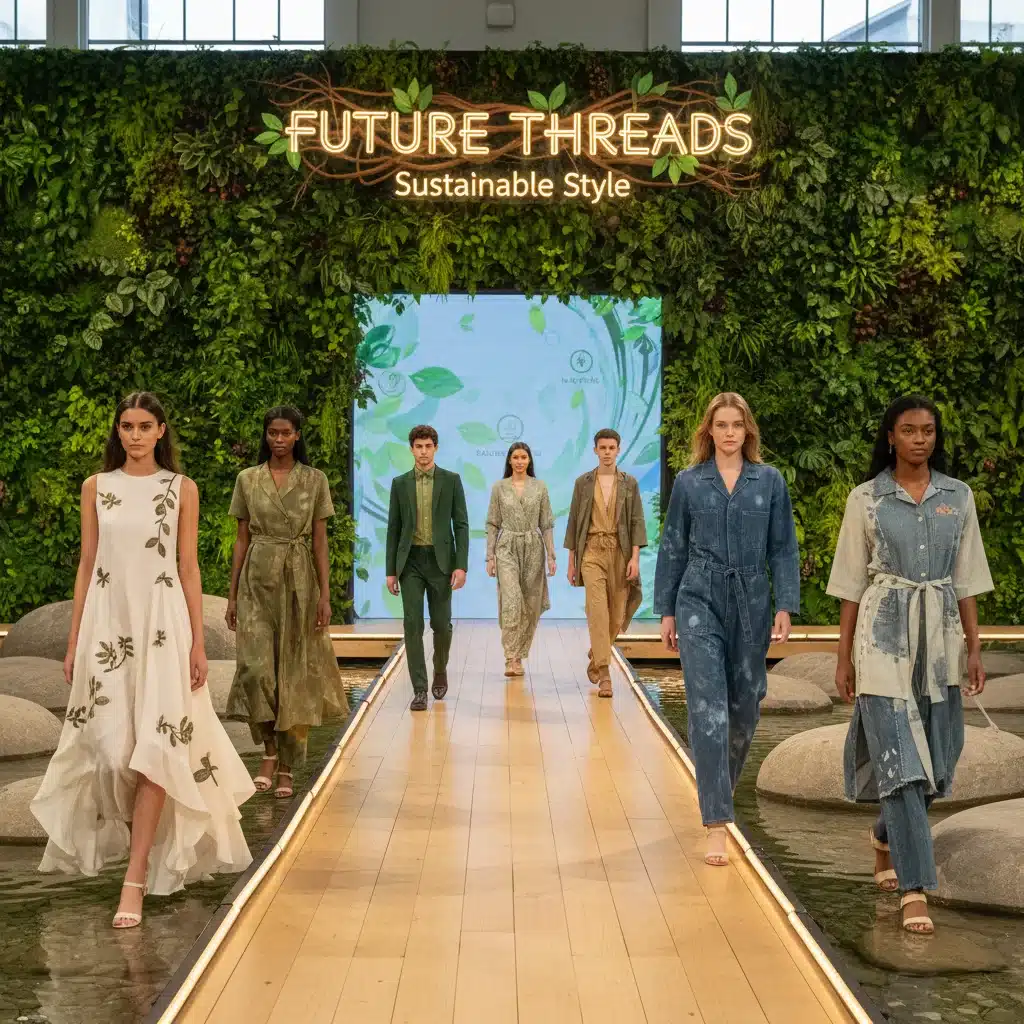
In an era where environmental consciousness is no longer an option but a necessity, the fashion industry is undergoing a monumental transformation. The clamor for more sustainable practices has grown into a powerful movement, pushing brands and consumers alike to rethink their approach to clothing. As we look towards 2026, the landscape of fashion is set to be defined by a series of groundbreaking trends that prioritize planet and people over profit. Mastering these sustainable fashion trends is not just about staying stylish; it’s about embracing a future where ethical consumption and environmental stewardship are at the core of our sartorial choices.
The term “sustainable fashion” encompasses a broad spectrum of practices, from the sourcing of raw materials and manufacturing processes to the lifespan of garments and their eventual disposal. It’s a holistic approach that seeks to minimize the environmental footprint of the industry while maximizing its positive social impact. For too long, fast fashion has dominated, leading to immense waste, pollution, and often exploitative labor practices. However, a seismic shift is underway, driven by consumer demand, technological innovation, and a growing understanding of our planet’s finite resources.
Anúncios
This article will delve into the 7 key sustainable fashion trends that are poised to define 2026. From revolutionary materials to the resurgence of timeless craftsmanship, we will explore how these trends are not only shaping the future of style but also offering tangible solutions to some of the industry’s most pressing challenges. Whether you’re a fashion enthusiast, an industry professional, or simply someone looking to make more conscious choices, understanding these trends is crucial for navigating the evolving world of fashion.
Anúncios
1. The Rise of Regenerative Agriculture and Bio-Based Materials
One of the most impactful sustainable fashion trends for 2026 is the widespread adoption of materials derived from regenerative agriculture and other bio-based sources. Regenerative agriculture goes beyond organic farming by actively improving soil health, biodiversity, and water quality. This approach sequesters carbon from the atmosphere, turning farms into carbon sinks rather than sources. Brands are increasingly investing in supply chains that utilize cotton, hemp, flax, and wool from regenerative farms, recognizing the immense environmental benefits.
Beyond traditional fibers, the innovation in bio-based materials is exploding. Scientists and designers are collaborating to create textiles from unexpected sources. Think mushroom leather (Mylo), made from mycelium, the root structure of fungi, offering a biodegradable and cruelty-free alternative to animal leather. Algae-based fabrics are also gaining traction, providing vibrant dyes and textiles with minimal environmental impact. Additionally, fibers derived from agricultural waste, such as pineapple leaves (Piñatex), banana stalks, and even citrus peels, are transforming what was once considered trash into valuable resources. These materials not Pre-owned only reduce waste but also offer unique aesthetic and performance qualities, pushing the boundaries of design.
The beauty of these bio-based innovations lies in their potential to reduce reliance on petroleum-based synthetics and resource-intensive natural fibers. By embracing these materials, the fashion industry can significantly lower its carbon footprint, conserve water, and minimize chemical pollution. Consumers, in turn, will have access to garments that are not only stylish but also truly biodegradable and environmentally benign at the end of their life cycle.
2. Circularity as the New Standard: Design for Longevity and Recycling
The concept of a linear “take-make-dispose” model is rapidly becoming obsolete. The second major sustainable fashion trend for 2026 is the embrace of circularity as a fundamental design principle. This means creating garments with their entire lifecycle in mind, from the initial design phase to their end-of-life. Designers are now focusing on durability, timelessness, and repairability, ensuring that clothes can be worn for longer and easily mended when needed. This approach directly combats the culture of disposability fostered by fast fashion.
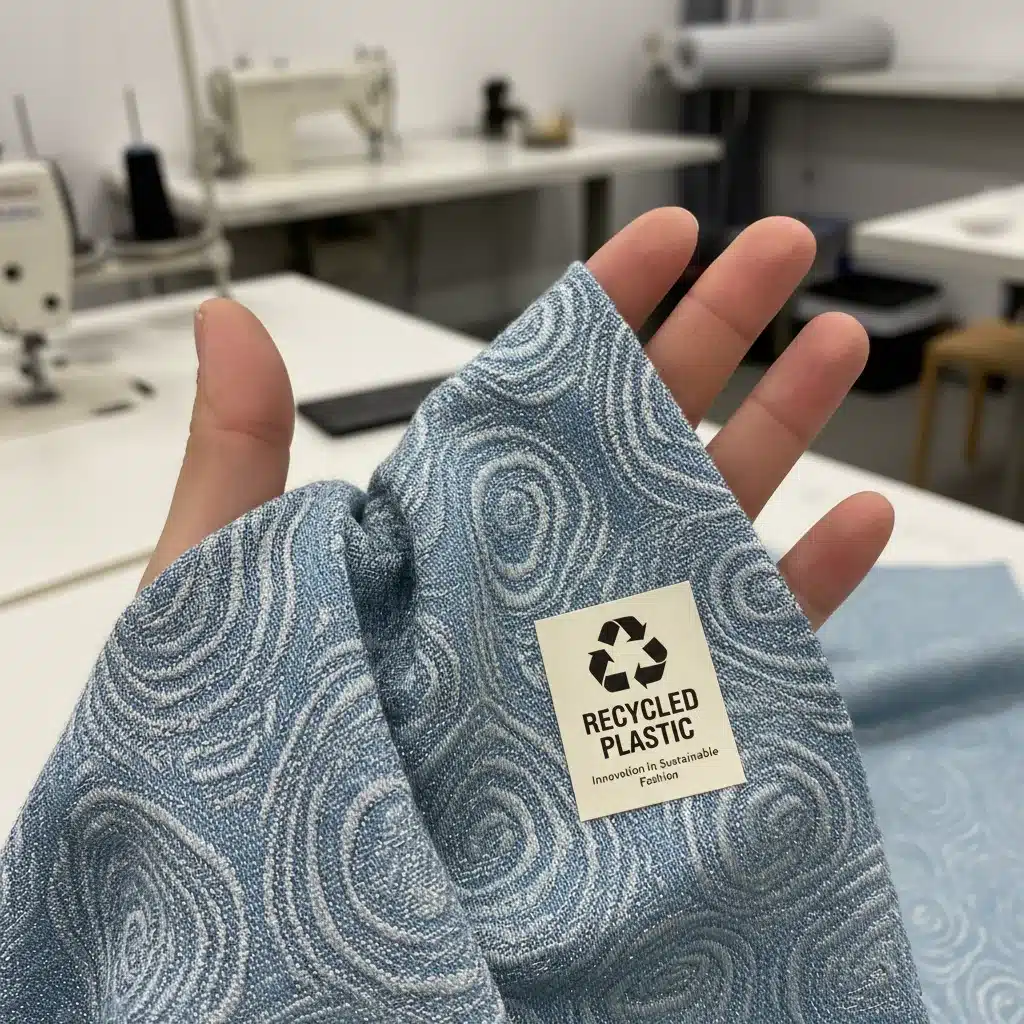
Furthermore, circular design emphasizes the ease of recycling and upcycling. This involves using mono-materials (fabrics made from a single type of fiber) to simplify the recycling process, as blended fabrics are notoriously difficult to separate and reprocess. Brands are also developing sophisticated take-back programs, where consumers can return old garments to be recycled into new ones. This “closed-loop” system aims to keep materials in use for as long as possible, drastically reducing waste sent to landfills.
Technological advancements in textile recycling, such as chemical recycling that breaks down fibers to their molecular level for regeneration, are playing a crucial role in making circularity a reality. We will see more brands collaborating with recycling innovators to establish robust infrastructure for textile waste. This trend is not just about waste management; it’s about fundamentally altering the relationship between consumers and their clothing, fostering a sense of stewardship and appreciation for every garment.
3. Transparency and Traceability: Knowing Your Garment’s Journey
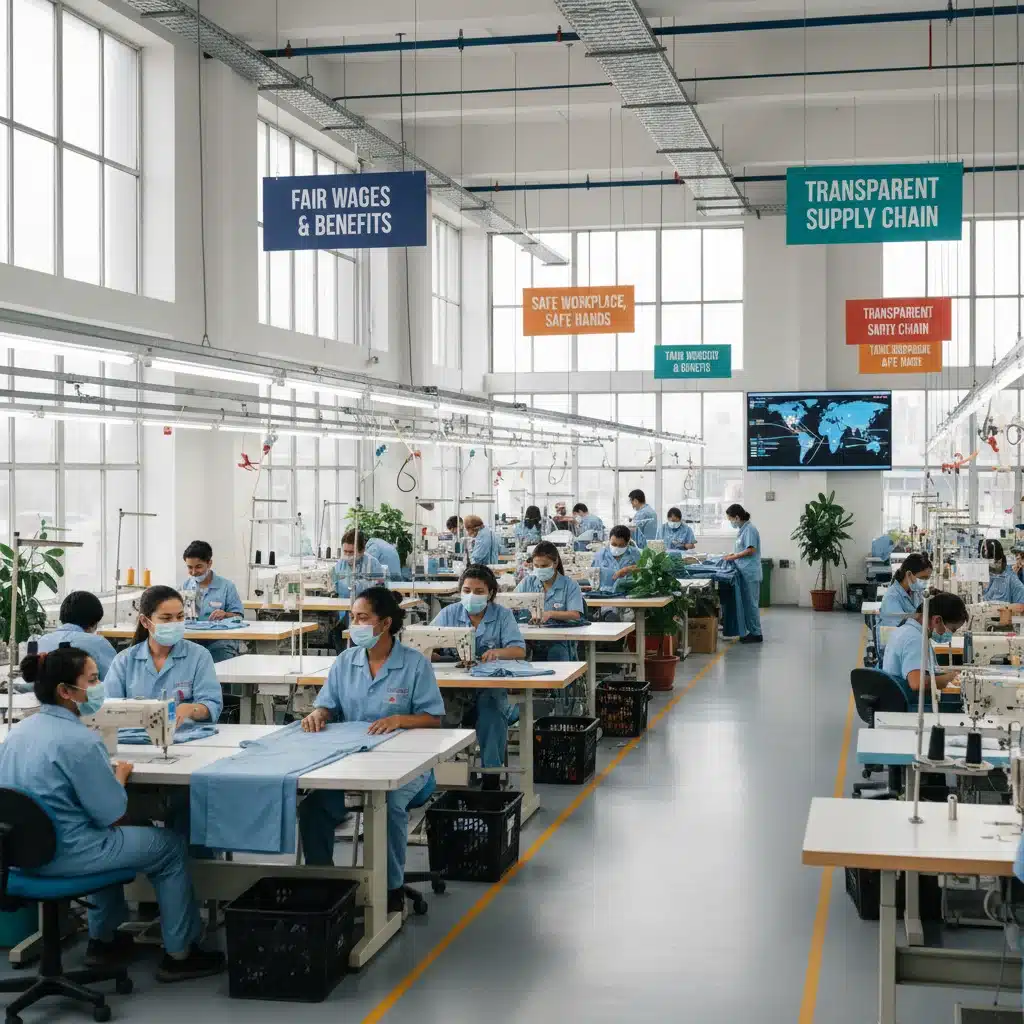
Consumers in 2026 will demand unprecedented levels of transparency and traceability from their favorite brands. This sustainable fashion trend is driven by a desire to understand the true impact of clothing purchases, from the origin of raw materials to the conditions of factory workers. Brands that can provide clear, verifiable information about their supply chains will gain significant trust and loyalty.
Blockchain technology is emerging as a powerful tool for achieving this transparency. By creating an immutable record of every step in a garment’s journey, from farm to factory to retail, blockchain can verify claims of sustainability and ethical production. QR codes on garment tags will become commonplace, allowing consumers to scan and instantly access information about the product’s origins, environmental certifications, and social impact initiatives.
This trend extends to fair labor practices. Brands will be expected to demonstrate fair wages, safe working conditions, and respect for human rights throughout their entire supply chain. Audits and certifications from independent organizations will become standard practice, reassuring consumers that their purchases do not contribute to exploitation. Transparency fosters accountability, and in 2026, it will be a non-negotiable aspect of sustainable fashion.
4. Upcycling and Creative Reuse: Fashion’s Artistic Revolution
The fourth key sustainable fashion trend for 2026 celebrates creativity through upcycling and creative reuse. This trend transforms discarded materials and existing garments into new, unique, and often high-fashion pieces. It’s a direct antidote to mass production, emphasizing individuality and resourcefulness.
Designers are increasingly incorporating upcycled components into their collections, giving new life to vintage textiles, deadstock fabrics, and even industrial waste. This not only reduces the demand for new resources but also results in one-of-a-kind garments that tell a story. From patchwork designs to deconstructed and reconstructed silhouettes, upcycling offers endless possibilities for innovation.
Beyond designer collections, the upcycling movement is empowering consumers to engage with their wardrobes in a more hands-on way. Workshops on garment alteration, repair, and creative embellishment are gaining popularity, fostering a DIY culture that values longevity and personal expression. This trend highlights that sustainability doesn’t mean sacrificing style; in fact, it can inspire a whole new level of artistic expression and uniqueness in fashion.
5. Water Conservation and Pollution Reduction: A Thirsty Industry’s Transformation
The fashion industry is notoriously water-intensive and a significant contributor to water pollution. In 2026, a major sustainable fashion trend will be an intensified focus on water conservation and the drastic reduction of chemical pollutants throughout the production process. This is a critical area for sustainability, as freshwater resources become increasingly scarce and aquatic ecosystems suffer from contamination.
Innovations in textile dyeing and finishing are at the forefront of this trend. Traditional dyeing methods use vast amounts of water and often release toxic chemicals into waterways. New technologies like air dyeing (which uses air instead of water), supercritical CO2 dyeing (which uses carbon dioxide), and natural dyes derived from plants, minerals, and even food waste, are becoming more prevalent. These methods significantly reduce water consumption and eliminate harmful chemical discharge.
Furthermore, brands are implementing closed-loop water systems in their factories, filtering and reusing water to minimize waste. The cultivation of raw materials, particularly cotton, is also seeing a shift towards less water-intensive practices, including the use of drought-resistant varieties and precision irrigation techniques. This holistic approach to water management is essential for mitigating the environmental impact of fashion and ensuring a more sustainable future for the industry.
6. Rental, Resale, and Repair: The Collaborative Consumption Model
The concept of ownership is evolving, and the sixth sustainable fashion trend for 2026 is the mainstreaming of collaborative consumption models: rental, resale, and repair services. These models offer alternatives to constantly buying new clothes, promoting a more efficient use of resources and extending the lifespan of garments.
Fashion rental platforms are booming, allowing consumers to access a diverse wardrobe for special occasions or to experiment with new styles without the commitment of purchase. This is particularly appealing for high-end items or rapidly changing trends, reducing the need for consumers to buy clothes they might only wear once or twice. Resale markets, both peer-to-peer and curated platforms, are also experiencing explosive growth, making pre-owned fashion more accessible and desirable. This not only keeps clothes out of landfills but also democratizes access to luxury and unique vintage pieces.
The resurgence of repair culture is another vital aspect of this trend. Brands are increasingly offering repair services, and independent mending shops are gaining popularity. This encourages consumers to value their clothes and invest in their longevity, rather than discarding them at the first sign of wear. These collaborative consumption models represent a significant shift towards a more resource-efficient and less wasteful fashion ecosystem, aligning perfectly with the principles of circularity.
7. Digital Fashion and Virtual Try-Ons: Reducing Physical Waste
The final, yet increasingly significant, sustainable fashion trend for 2026 is the emergence and integration of digital fashion and virtual try-on technologies. While seemingly futuristic, these innovations have a tangible impact on reducing physical waste in the industry.
Digital fashion, whether for avatars in the metaverse or for use in social media, allows for creative expression without the need for physical production. This reduces material consumption, water usage, and carbon emissions associated with manufacturing and transportation. Designers can experiment with audacious concepts that might be impractical or environmentally costly to produce in the physical world, fostering innovation in a sustainable way.
Virtual try-on technology, powered by augmented reality (AR) and artificial intelligence (AI), is also revolutionizing the retail experience. By allowing customers to virtually “try on” clothes from the comfort of their homes, it significantly reduces the number of returns due to poor fit or dissatisfaction. E-commerce returns are a major source of waste, as many returned items end up in landfills due to logistical complexities and reprocessing costs. Virtual try-ons streamline the shopping process, leading to more informed purchases and fewer returns, thus contributing to a more sustainable retail model.
Embracing the Future: Your Role in Sustainable Fashion
The journey towards a truly sustainable fashion industry is complex and multifaceted, but the trends for 2026 paint a promising picture. From the regenerative farms supplying our fibers to the digital runways showcasing virtual garments, every aspect of fashion is undergoing a profound transformation. These 7 key sustainable fashion trends – regenerative agriculture and bio-based materials, circular design, transparency, upcycling, water conservation, collaborative consumption, and digital innovation – are not just fleeting fads; they are fundamental shifts towards a more responsible and resilient industry.
As consumers, our choices hold immense power. By supporting brands that prioritize these sustainable practices, demanding greater transparency, and embracing models like rental and resale, we can accelerate this positive change. Investing in quality, timeless pieces, learning basic repair skills, and consciously considering the lifecycle of our clothes are all steps we can take to contribute to a more sustainable wardrobe. The future of fashion is not just about what we wear, but how it’s made, where it comes from, and its impact on our planet and its people.
Mastering these sustainable fashion trends means being an informed and intentional consumer. It means recognizing that every purchase is a vote for the kind of world we want to live in. By collectively embracing these innovations and ethical considerations, we can ensure that fashion remains a vibrant, creative, and beautiful form of self-expression, without compromising the health of our planet or the well-being of its inhabitants. The stylish, responsible future of fashion is not just a dream; it’s already being woven into the fabric of 2026.