From Farm to Table: 10 U.S. Cities with Thriving Local Food Scenes in 2026
Anúncios
From Farm to Table: 10 U.S. Cities with Thriving Local Food Scenes in 2026
The culinary landscape of the United States is in constant evolution, but one movement has steadily gained momentum and cemented its place as a cornerstone of modern dining: the farm-to-table philosophy. This commitment to sourcing fresh, local ingredients directly from producers not only supports regional economies but also fosters a deeper connection between consumers and their food. As we look ahead to 2026, certain U.S. cities are not just participating in this movement; they are leading it, transforming their food systems into vibrant ecosystems of sustainability, innovation, and unparalleled flavor.
Anúncios
The farm-to-table movement, at its core, is about transparency, quality, and community. It emphasizes food that is grown, harvested, and prepared with care, often with an emphasis on organic, sustainable, and ethical practices. For diners, this translates into fresher, more flavorful meals and the satisfaction of knowing where their food comes from and who produced it. For cities, it means robust farmers’ markets, innovative restaurant concepts, flourishing urban farms, and a general appreciation for the bounty of their local regions.
In this comprehensive guide, we will explore the top 10 U.S. cities that are expected to boast the most thriving local food scenes in 2026. These cities have demonstrated an unwavering commitment to fostering a strong farm-to-table culture, marked by exceptional culinary experiences, accessible local produce, and a supportive environment for farmers and food artisans. Whether you’re a dedicated foodie, a sustainable living advocate, or simply looking for your next culinary adventure, these destinations offer a taste of the future of food.
Anúncios
Understanding the Farm-to-Table Phenomenon
Before diving into our list of top cities, it’s crucial to grasp the multifaceted nature of the farm-to-table movement. It’s more than just a trend; it’s a paradigm shift in how we approach food. This philosophy encompasses several key aspects:
- Local Sourcing: The primary tenet is obtaining ingredients from nearby farms and producers, reducing transportation costs and carbon footprint.
- Seasonality: Embracing ingredients that are naturally in season, ensuring peak flavor and nutritional value.
- Sustainability: Supporting farming practices that are environmentally friendly, conserve resources, and promote biodiversity.
- Transparency: Knowing the origin of food, how it was grown, and who grew it.
- Community Building: Fostering strong relationships between farmers, chefs, and consumers, strengthening local economies.
- Culinary Innovation: Inspiring chefs to create menus that highlight the freshest local ingredients, often leading to unique and creative dishes.
The growth of the local food scenes is also driven by increasing consumer awareness regarding health, environmental impact, and ethical food production. Diners are actively seeking out restaurants and markets that align with these values, and cities that cater to this demand are flourishing.
Methodology for Our Top 10 Cities
Our selection of the top 10 U.S. cities for thriving local food scenes in 2026 is based on a comprehensive evaluation of several factors:
- Number and Quality of Farmers’ Markets: The density, diversity, and community engagement of local markets.
- Restaurant Commitment: The prevalence of restaurants with explicit farm-to-table menus, chef-farmer partnerships, and local sourcing policies.
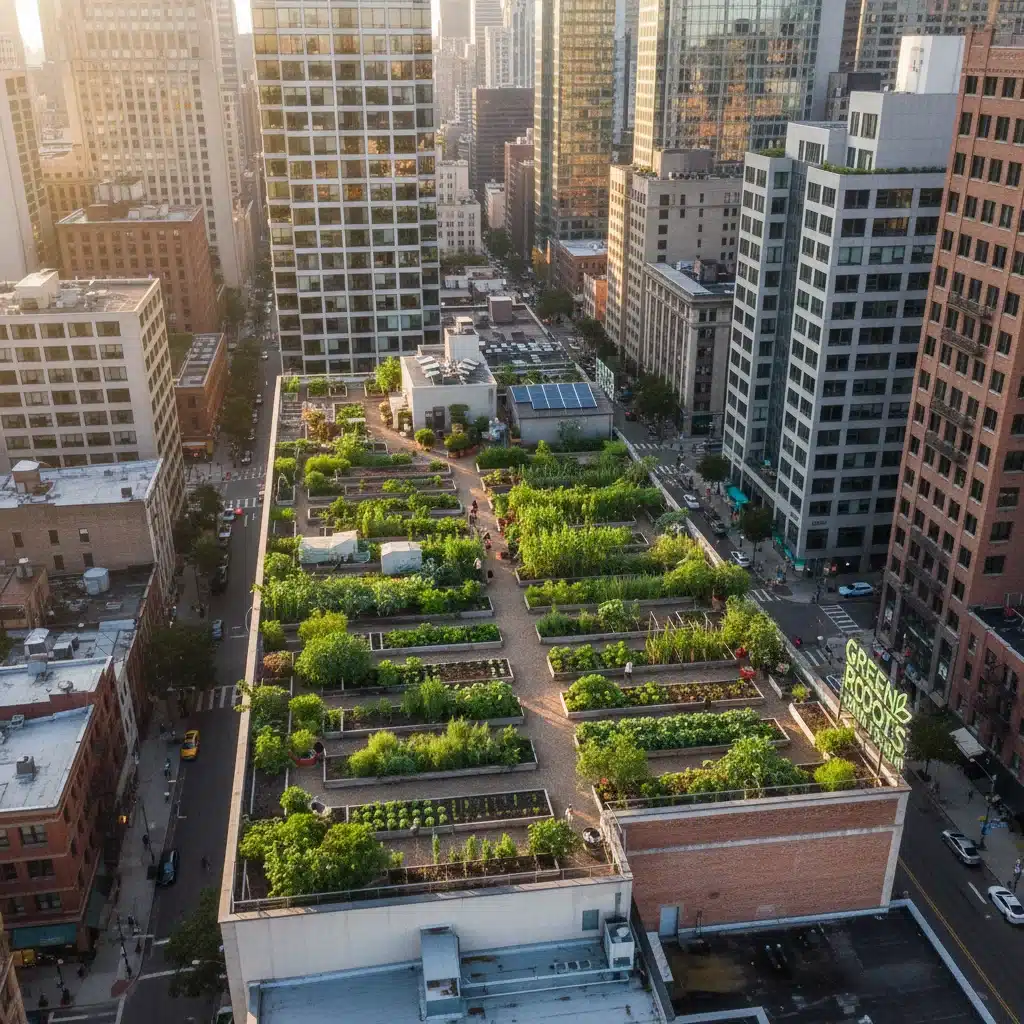
- Urban Agriculture Initiatives: The presence of community gardens, rooftop farms, and other urban farming projects.
- Local Food Infrastructure: Availability of food hubs, co-ops, and distribution networks that support local producers.
- Policy and Support: Municipal and state-level policies that encourage local food systems, such as grants, zoning laws, and educational programs.
- Consumer Demand and Awareness: The general public’s engagement with and support for local food.
- Innovation in Food Technology: Cities embracing new technologies to enhance local food production and distribution.
Considering these criteria, we project these cities will be at the forefront of the farm-to-table movement, offering unparalleled experiences for those who value fresh, local, and sustainable food.
The Top 10 U.S. Cities for Thriving Local Food Scenes in 2026
1. Portland, Oregon: The Pioneer of Pacific Northwest Produce
Portland continues to be a beacon for the local food scenes, and its commitment shows no signs of waning by 2026. Known for its progressive environmental policies and a populace deeply invested in sustainable living, Portland boasts an incredible array of farmers’ markets, including the renowned Portland Farmers Market. The city’s chefs are celebrated for their innovative use of seasonal Pacific Northwest ingredients, from wild mushrooms and foraged greens to sustainably caught seafood and heritage pork. Urban farming initiatives are robust, with numerous community gardens and educational programs promoting self-sufficiency and local food access. Expect Portland to further solidify its reputation as a leader in hyper-local and creative cuisine.
2. San Francisco, California: Golden Gate of Gastronomy
California’s rich agricultural heritage naturally places San Francisco at the epicenter of the farm-to-table movement. The Bay Area’s diverse microclimates allow for an incredible variety of produce year-round, which chefs in San Francisco expertly utilize. The Ferry Building Marketplace remains a prime example of a thriving local food hub, connecting consumers with producers. Beyond its iconic markets, San Francisco is a hotbed for food tech innovation, with startups focused on sustainable farming, alternative proteins, and efficient local food distribution. The city’s diners are discerning, driving a demand for ethical sourcing and culinary excellence that keeps its local food scenes dynamic and cutting-edge.
3. Austin, Texas: Keepin’ It Weird and Wonderful with Local Flavors
Austin’s rapid growth has been accompanied by a strong dedication to maintaining its unique identity, part of which is its burgeoning local food scenes. The city’s commitment to local sourcing is evident in its numerous farmers’ markets, community-supported agriculture (CSA) programs, and a vibrant restaurant scene that celebrates Texan ingredients with a global twist. Austin’s food trucks, often pioneers in culinary trends, are increasingly highlighting local and seasonal offerings. The city benefits from its proximity to fertile agricultural lands, ensuring a steady supply of fresh produce, meats, and dairy. Expect more urban farms and food cooperatives to emerge, further strengthening Austin’s local food ecosystem.
4. Seattle, Washington: Emerald City’s Green Plate Promise
Much like its Pacific Northwest counterpart, Seattle has a deeply ingrained appreciation for fresh, local food. Its access to pristine seafood from Puget Sound, coupled with fertile agricultural valleys, provides an enviable larder for its chefs and home cooks. The Pike Place Market, while a major tourist attraction, remains a vital source of local produce and artisanal goods. Seattle’s focus on sustainability extends to its food system, with many restaurants participating in ocean-friendly and farm-to-fork certifications. The city’s tech-savvy population also drives innovation in food delivery and local sourcing platforms, making its local food scenes incredibly efficient and accessible.
5. Brooklyn, New York: Urban Agriculture’s East Coast Epicenter
Brooklyn has transformed into a powerhouse of urban agriculture and innovative local food scenes. Despite its dense urban environment, Brooklyn boasts an impressive number of community gardens, rooftop farms, and hydroponic operations that supply fresh produce to local restaurants and residents. Its diverse population has also fueled a demand for a wide array of culturally specific local ingredients. Smorgasburg and various neighborhood farmers’ markets showcase the borough’s culinary creativity and commitment to local sourcing. Brooklyn’s chefs are masters of adapting to limited space, often forging direct relationships with small-scale urban farmers, creating a uniquely intimate farm-to-table experience.
6. Charleston, South Carolina: Southern Charm Meets Sustainable Sourcing
Charleston’s culinary renaissance has been inextricably linked to its embrace of the farm-to-table movement. The city’s rich agricultural history and coastal location provide a bounty of fresh ingredients, from Lowcountry produce to fresh-off-the-boat seafood. Chefs in Charleston are celebrated for their ability to blend traditional Southern flavors with contemporary, locally sourced ingredients. The city’s farmers’ markets are community hubs, and there’s a growing emphasis on preserving heirloom varieties and supporting sustainable aquaculture. Charleston’s commitment to culinary excellence, combined with its focus on local and seasonal ingredients, ensures its local food scenes will continue to thrive.

7. Denver, Colorado: Mile-High Meals, Locally Sourced
Denver’s growth as a major metropolitan area has brought with it a significant expansion of its local food scenes. Surrounded by fertile plains and mountain valleys, Denver benefits from a diverse agricultural landscape. The city has seen a surge in farm-to-table restaurants that highlight Colorado’s seasonal produce, meats, and craft beverages. Farmers’ markets like the Union Station Farmers Market are popular destinations, connecting urban dwellers with rural producers. Denver’s focus on health and outdoor living naturally aligns with the farm-to-table ethos, fostering a strong demand for fresh, minimally processed, and locally grown food. Expect more direct-to-consumer farm initiatives and culinary collaborations.
8. New Orleans, Louisiana: Creole Cuisine with a Conscientious Twist
While New Orleans is famous for its rich culinary traditions, its local food scenes are increasingly embracing the farm-to-table movement, giving classic Creole and Cajun dishes a fresh, sustainable update. The city’s unique ecosystem, from the Gulf Coast to the fertile delta, offers an abundance of fresh seafood, produce, and specialty ingredients. Chefs are actively working with local fishermen and farmers to source ingredients ethically and seasonally. Initiatives like the Crescent City Farmers Market are vital for connecting local producers with the community. New Orleans’ culinary future will see a beautiful blend of its historic flavors with a strong emphasis on local sourcing and environmental stewardship.
9. Minneapolis, Minnesota: Northern Harvest, Sustainable Heart
Minneapolis has emerged as a surprising leader in the local food scenes, defying its colder climate with innovative approaches to year-round local sourcing. The city boasts one of the highest numbers of farmers’ markets per capita and a strong network of CSAs. Its residents are deeply invested in sustainability and community, which translates into robust support for local farms and food businesses. Chefs in Minneapolis are adept at utilizing seasonal Midwestern ingredients, and the city has a growing number of indoor farms and hydroponic operations that extend the growing season. The cooperative spirit is strong, with many food co-ops and local food hubs facilitating access to fresh, regional products.
10. Philadelphia, Pennsylvania: Brotherly Love for Local Bites
Philadelphia’s historical roots are deeply intertwined with agriculture, and today, its local food scenes are thriving once again. Situated in a region with abundant farmland, Philadelphia has excellent access to fresh produce, dairy, and meats. The Reading Terminal Market, while historic, continues to be a hub for local and specialty foods, complemented by numerous neighborhood farmers’ markets. The city has seen a rise in restaurants committed to local sourcing and a strong community garden movement. Philadelphia’s diverse culinary landscape is increasingly incorporating locally grown ingredients into its traditional and innovative dishes, making it a dynamic place for farm-to-table enthusiasts.
The Economic and Environmental Impact of Thriving Local Food Scenes
The benefits of strong local food scenes extend far beyond just delicious meals. Economically, they create jobs, keep money circulating within the community, and support small businesses, from family farms to independent restaurants. By reducing reliance on long-distance transportation, local food systems also decrease fuel consumption and carbon emissions, contributing to a healthier planet. Environmentally, farm-to-table practices often encourage sustainable farming methods, which can improve soil health, conserve water, and protect biodiversity.
Moreover, local food systems enhance food security and resilience. By diversifying food sources and shortening supply chains, cities become less vulnerable to disruptions in the global food system. This localized approach strengthens community bonds, fosters a sense of place, and provides educational opportunities about food production and nutrition.
Challenges and Future Outlook
While the future of local food scenes in these cities looks bright, challenges remain. These include land availability for urban farming, the rising cost of local produce, and the need for robust distribution networks that can efficiently connect small farms with urban markets. However, the cities on our list are actively addressing these issues through policy innovation, technological adoption, and community engagement.
Looking ahead to 2026 and beyond, we anticipate several key trends that will further shape these thriving local food scenes:
- Increased Investment in Controlled Environment Agriculture (CEA): Vertical farms and indoor hydroponic operations will become more commonplace, extending the growing season and providing fresh produce year-round, especially in urban areas.
- Hyper-Local Sourcing: Restaurants will increasingly grow their own herbs and vegetables on-site or source from micro-farms within blocks of their establishments.
- Food Waste Reduction: Greater emphasis on utilizing every part of the plant or animal, and innovative solutions for composting and food recovery.
- Technology-Enabled Supply Chains: Blockchain and other digital tools will enhance transparency and efficiency in local food distribution.
- Culinary Education and Skill-Building: More programs will emerge to train aspiring chefs and home cooks in seasonal cooking and sustainable practices.
- Equity and Access: Continued efforts to make local, healthy food accessible and affordable for all segments of the population, addressing food deserts and promoting food justice.
Conclusion: A Taste of Tomorrow’s Table
The farm-to-table movement is not merely a passing fad; it is a fundamental shift towards a more sustainable, equitable, and delicious food future. The 10 U.S. cities highlighted in this article are at the vanguard of this transformation, each offering a unique blend of culinary innovation, community support, and environmental consciousness. From the fertile valleys of Oregon to the historic markets of Pennsylvania, these cities are demonstrating that a vibrant local food scenes is not only possible but essential for a thriving community.
As 2026 approaches, we encourage you to explore these culinary destinations, support their local farmers and chefs, and experience firsthand the incredible flavors and community spirit that define the best of America’s farm-to-table culture. Whether you’re dining in a Michelin-starred restaurant or browsing a bustling farmers’ market, the commitment to local, fresh ingredients will undoubtedly enrich your gastronomic journey.
The future of food is local, and these cities are paving the way, one delicious, sustainably sourced bite at a time. The growth and evolution of these local food scenes promise not just better food, but better communities and a healthier planet for all.