2026 Farm Bill: Impact on Food Prices, Supply Chains, and Agriculture
Anúncios
The 2026 Farm Bill: Anticipating its Profound Impact on Food Prices and Supply Chains
The agricultural landscape of the United States is perennially shaped by a monumental piece of legislation known as the Farm Bill. Enacted typically every five years, this comprehensive package dictates everything from crop subsidies and conservation efforts to nutrition assistance and rural development. As the current legislation approaches its expiration, the agricultural community, policymakers, and consumers alike are turning their attention to the impending 2026 Farm Bill. This upcoming iteration holds the potential for significant shifts that will undoubtedly reverberate through food prices, the resilience of our supply chains, and the economic viability of farming operations across the nation. Understanding the intricacies of this bill is not merely an academic exercise; it is crucial for anyone with a stake in the future of food in America.
Anúncios
The Farm Bill is more than just a farm program; it is a foundational pillar of American society, influencing what we eat, how it’s grown, and who can afford it. Its reach extends far beyond the farm gate, touching every aspect of our food system. From the price of a gallon of milk to the availability of fresh produce in urban food deserts, the Farm Bill’s provisions have a direct and often profound impact. The debates surrounding its reauthorization are always intense, reflecting the diverse and sometimes conflicting interests of farmers, environmentalists, food advocates, and industry lobbyists. As we delve into the potential ramifications of the 2026 Farm Bill, we will explore its historical context, the key areas under discussion, and the likely outcomes for consumers, producers, and the environment.
Anúncios
Understanding the Farm Bill’s Foundation and Evolution
To truly grasp the significance of the 2026 Farm Bill, it’s essential to understand its historical context and the foundational principles upon which it is built. The first Farm Bill, enacted during the Great Depression, was primarily designed to stabilize agricultural markets and support farmers struggling with plummeting prices. Over the decades, its scope has expanded dramatically, evolving to address new challenges such as food security, environmental sustainability, and rural economic development.
Historically, Farm Bills have been characterized by their dual focus: supporting agricultural producers through commodity programs and crop insurance, and ensuring food access for vulnerable populations through nutrition programs like the Supplemental Nutrition Assistance Program (SNAP). These two pillars, often referred to as the "farm" and "food" titles, form the bedrock of the legislation. However, the balance between these two components, and the funding allocated to each, is a constant source of debate and negotiation.
Recent Farm Bills have also placed increasing emphasis on conservation programs, recognizing the critical role agriculture plays in environmental stewardship. Programs that incentivize sustainable farming practices, protect water quality, and promote biodiversity have become integral parts of the legislation. The 2026 Farm Bill is expected to continue this trend, potentially expanding funding and scope for climate-smart agriculture initiatives.
Moreover, the globalized nature of agriculture and trade policies now exert a greater influence on domestic farm policy. International markets, trade agreements, and global commodity prices all play a role in shaping the provisions of the Farm Bill. The interconnectedness of the global food system means that decisions made within the 2026 Farm Bill will not only impact American agriculture but also have ripple effects across international markets.
Key Areas of Debate and Anticipated Changes in the 2026 Farm Bill
As the legislative process for the 2026 Farm Bill begins to take shape, several key areas are emerging as focal points of debate and potential change. These discussions will ultimately determine the direction of American agriculture for the next five years and beyond.
Commodity Programs and Crop Insurance
A perennial centerpiece of the Farm Bill, commodity programs provide a safety net for farmers by offering price and income support for staple crops like corn, soybeans, wheat, and cotton. Crop insurance, another vital component, protects farmers against losses due to natural disasters or market fluctuations. In the context of the 2026 Farm Bill, discussions will likely revolve around the adequacy of current reference prices, the structure of direct payments, and the affordability and accessibility of crop insurance for all types of producers, including those with diversified operations or specialty crops.
There is growing pressure to re-evaluate the fairness and effectiveness of these programs, particularly in light of changing climate patterns and increasing input costs. Advocates for reform argue that current programs disproportionately benefit large-scale operations and may not adequately support small and mid-sized farms or those adopting more sustainable practices. The 2026 Farm Bill will need to address these concerns to ensure a more equitable and resilient agricultural sector.
Nutrition Programs: Ensuring Food Security
The nutrition title, primarily encompassing SNAP, represents a significant portion of the Farm Bill’s budget and is critical for addressing food insecurity across the nation. Debates surrounding the 2026 Farm Bill are expected to include discussions about benefit levels, eligibility requirements, and the program’s overall effectiveness in meeting the needs of vulnerable populations. There will also be ongoing discussions about the integration of nutrition programs with local food systems and initiatives that promote healthy eating.
The economic challenges faced by many American families underscore the importance of robust nutrition programs. Any changes to SNAP or other food assistance initiatives within the 2026 Farm Bill will have direct consequences for millions of individuals and families, impacting their ability to access nutritious food. Balancing fiscal responsibility with the imperative to alleviate hunger will be a central challenge for lawmakers.
Conservation and Climate-Smart Agriculture
With increasing awareness of climate change and environmental degradation, conservation programs are expected to play an even more prominent role in the 2026 Farm Bill. Programs that incentivize practices such as cover cropping, no-till farming, and wetland restoration are crucial for soil health, water quality, and carbon sequestration. The upcoming bill will likely explore expanded funding for existing programs and the creation of new initiatives focused on climate-smart agriculture.
There is strong bipartisan support for many conservation efforts, but the scale and scope of these programs often become points of contention due to budgetary constraints. The 2026 Farm Bill presents an opportunity to integrate climate resilience more deeply into agricultural policy, encouraging farmers to adopt practices that benefit both their bottom line and the environment. This will be vital for the long-term sustainability of American agriculture.
Rural Development and Renewable Energy
Beyond direct agricultural support, the Farm Bill also includes provisions for rural development, aiming to foster economic growth and improve infrastructure in rural communities. This can include funding for broadband internet access, rural housing, and renewable energy projects. The 2026 Farm Bill is expected to continue this focus, potentially increasing investments in areas that promote economic diversification and quality of life in rural America.
The transition to renewable energy sources, such as solar and wind power, offers significant opportunities for rural communities. The Farm Bill can play a crucial role in facilitating this transition by providing grants, loans, and technical assistance for farmers and rural businesses to adopt renewable energy technologies. These investments not only create jobs but also contribute to national energy independence and environmental goals.
Impact on Food Prices: What Consumers Can Expect
One of the most immediate and tangible effects of the 2026 Farm Bill will be its influence on food prices at the grocery store. The various provisions within the bill, from commodity support to conservation incentives, can directly or indirectly affect the cost of food for consumers.
For instance, commodity programs that provide price support for staple crops can help stabilize the cost of raw ingredients for many processed foods. However, if these programs lead to overproduction or disincentivize diversification, they could also influence market dynamics in ways that affect consumer prices. Conversely, changes to crop insurance parameters could impact farmers’ risk exposure, potentially leading to higher or lower costs that are then passed on to consumers.
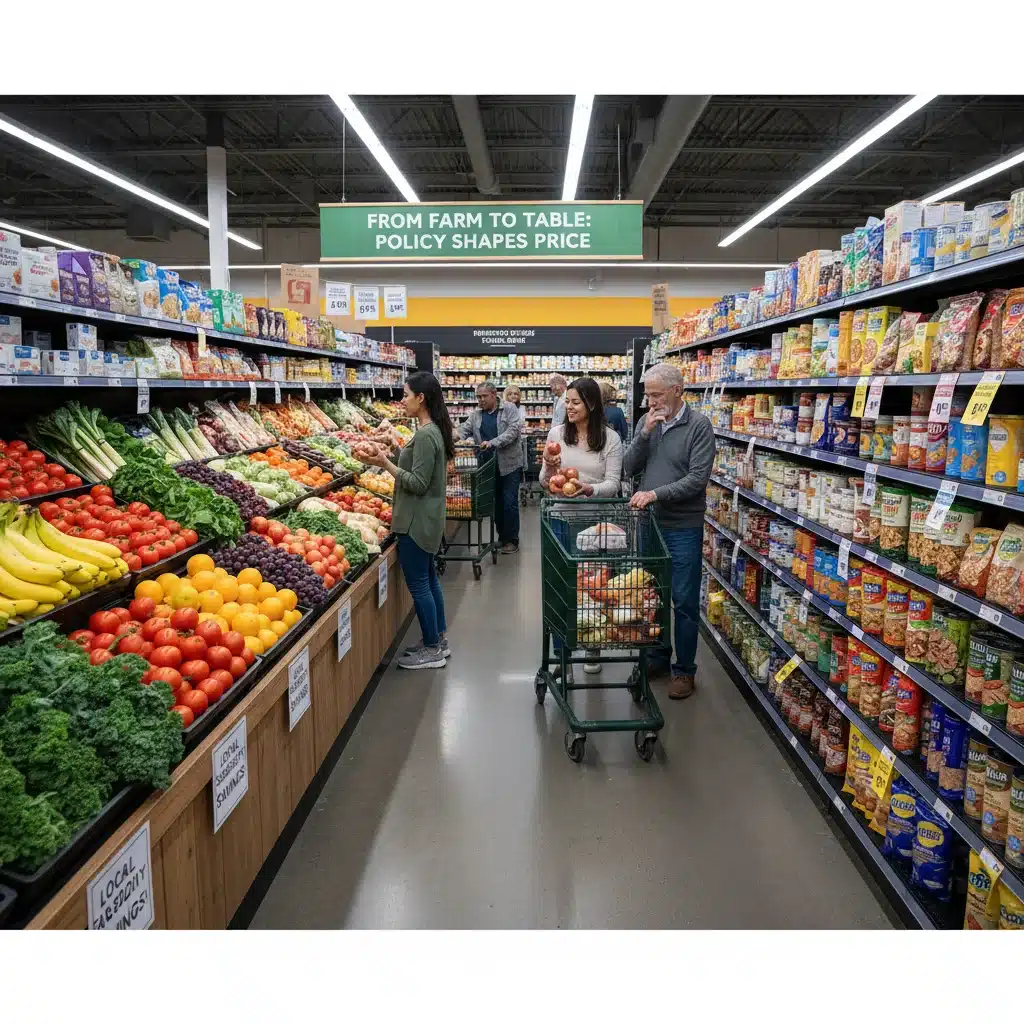
Furthermore, the 2026 Farm Bill‘s impact on supply chain resilience (discussed in detail below) can also affect food prices. Disruptions in the supply chain, whether due to climate events or geopolitical factors, can lead to price spikes. Policies that strengthen the supply chain can help mitigate these fluctuations, providing more stable and predictable food prices for consumers.
The nutrition title of the Farm Bill also plays a critical role in food affordability, particularly for low-income households. Changes to SNAP benefits or eligibility could significantly alter the purchasing power of millions, affecting demand for certain food products and potentially influencing overall market prices. The focus on local food systems and healthy eating initiatives within the bill could also encourage the availability and affordability of fresh, nutritious options.
It’s also important to consider the broader economic context. Inflationary pressures, global commodity prices, and labor costs all interact with Farm Bill provisions to determine the final price consumers pay. The 2026 Farm Bill will need to navigate these complex economic forces to strike a balance between supporting farmers and ensuring affordable food for all Americans.
Reshaping Supply Chains: Building Resilience and Efficiency
The COVID-19 pandemic exposed significant vulnerabilities in global and domestic supply chains, including those for food. As a result, the 2026 Farm Bill is expected to place a strong emphasis on strengthening the resilience and efficiency of the agricultural supply chain, from farm to fork.
One key area of focus will likely be on diversifying supply sources and reducing reliance on single points of failure. This could involve supporting regional food systems, encouraging local processing facilities, and investing in infrastructure that connects producers directly with consumers and smaller distributors. Such initiatives can help insulate local markets from larger disruptions and provide more stable outlets for farmers’ products.
Technology will also play a crucial role. The 2026 Farm Bill may include provisions that encourage the adoption of new technologies for tracking, logistics, and data analytics within the supply chain. These advancements can improve transparency, reduce waste, and allow for more agile responses to unforeseen challenges. Investments in rural broadband infrastructure, supported by the Farm Bill, are essential for enabling these technological advancements.
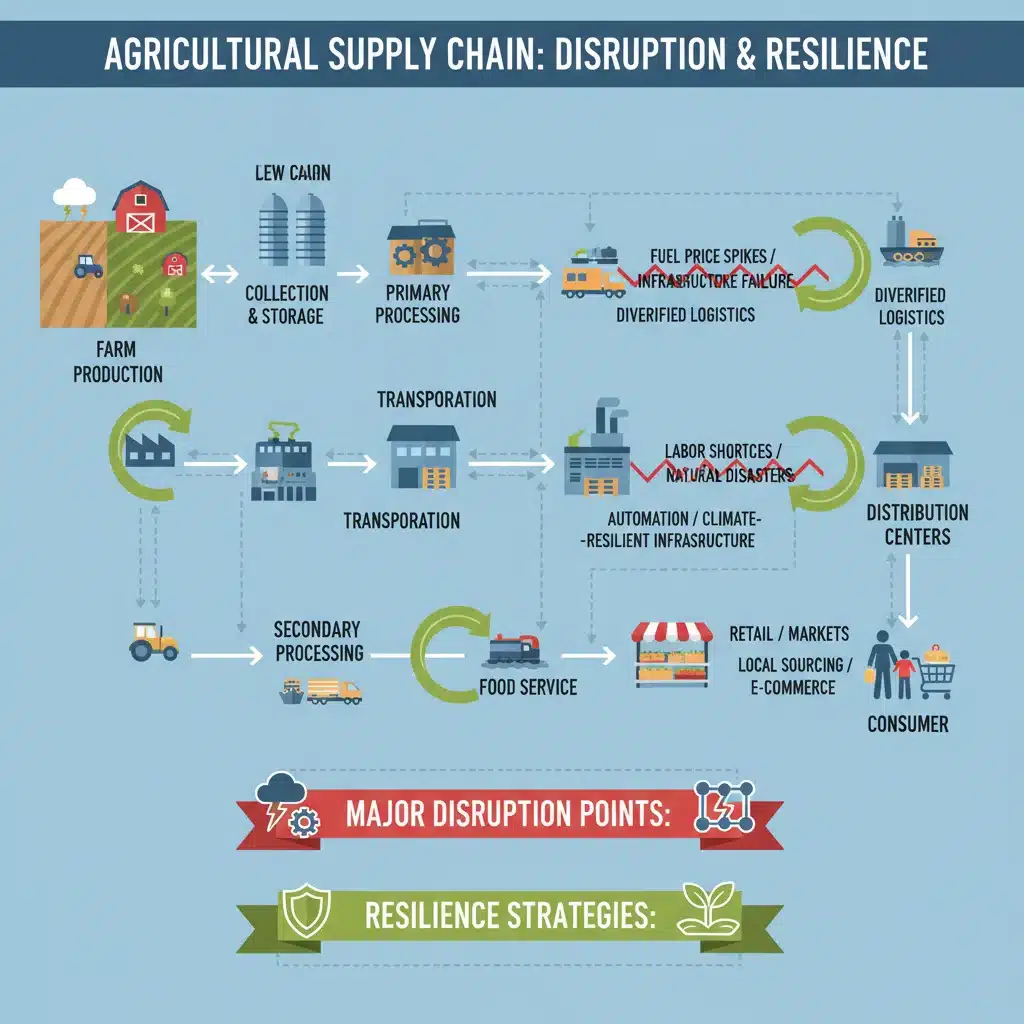
Climate change poses a significant threat to supply chain stability. Extreme weather events can disrupt harvests, damage infrastructure, and impede transportation. The conservation and climate-smart agriculture provisions of the 2026 Farm Bill can help build resilience by promoting practices that mitigate climate risks, such as drought-resistant crops and improved water management. Furthermore, investments in disaster preparedness and recovery programs will be crucial for helping farmers and rural communities bounce back from climate-related disruptions.
Labor is another critical component of the supply chain. The availability of a skilled workforce, both on farms and in processing and distribution sectors, is essential for maintaining efficient operations. While not traditionally a core focus, the 2026 Farm Bill may indirectly influence labor dynamics through rural development initiatives or by supporting programs that address workforce shortages in agricultural sectors.
Ultimately, the goal is to create a more robust, adaptable, and equitable food supply chain that can withstand shocks and consistently deliver nutritious food to all Americans. The provisions of the 2026 Farm Bill will be instrumental in achieving this objective, shaping how food moves from where it’s grown to where it’s consumed.
Financial Impact on Farmers and Agricultural Businesses
The financial well-being of farmers and agricultural businesses is intrinsically linked to the provisions of the 2026 Farm Bill. This legislation serves as a critical financial safety net and a driver of investment within the sector.
Commodity programs and crop insurance directly impact farmers’ revenues and risk management strategies. Adequate price and income support can provide stability during periods of low market prices or adverse weather, preventing widespread financial distress. However, the structure of these programs also influences planting decisions and the economic viability of different crops. The 2026 Farm Bill will need to carefully balance these considerations to ensure broad-based support for a diverse agricultural economy.
Conservation programs, while often requiring initial investments from farmers, can also lead to long-term financial benefits through improved soil health, reduced input costs, and increased resilience to climate change. Payments for ecosystem services, such as carbon sequestration, could also become a more significant revenue stream for farmers under the new Farm Bill. These programs represent a shift towards recognizing and valuing the environmental contributions of agricultural producers.
For smaller and beginning farmers, access to capital and technical assistance is often a major barrier. The 2026 Farm Bill could include provisions that strengthen loan programs, provide grants for new farmers, and support educational initiatives that help them succeed. These investments are crucial for ensuring the next generation of agricultural producers can thrive.
Furthermore, the bill’s impact on rural development and renewable energy can create new economic opportunities for agricultural businesses. Investments in infrastructure, such as broadband, can improve efficiency and open new markets. Support for on-farm renewable energy projects can reduce operating costs and provide additional income streams for farmers. These provisions contribute to the overall economic vitality of rural areas, which are often heavily reliant on agriculture.
The financial implications of the 2026 Farm Bill extend beyond direct payments and subsidies. It influences market stability, investment in new technologies, and the long-term sustainability of farming operations. A well-crafted bill can foster a resilient and prosperous agricultural sector, while a poorly designed one could exacerbate existing challenges.
Recent Updates and Legislative Landscape
As the 2026 Farm Bill approaches, the legislative landscape is dynamic, with various stakeholders and political forces at play. While specific proposals are still being formulated, early discussions indicate several key themes and potential challenges.
One significant factor is the current political climate. Divided government and a tight budgetary environment often make comprehensive legislative packages like the Farm Bill more challenging to pass. Bipartisan cooperation will be essential to bridge divides between different agricultural interests, urban and rural needs, and environmental and economic priorities.
Hearings and listening sessions are already underway, gathering input from farmers, ranchers, conservation groups, nutrition advocates, and industry representatives. These early stages are crucial for identifying priorities and building consensus around potential policy changes for the 2026 Farm Bill. Key committees in both the House and Senate, specifically the Agriculture Committees, are leading these efforts.
The expiration of some existing programs and the need for reauthorization create a sense of urgency. Lawmakers are working to avoid a lapse in critical programs, which could have significant negative consequences for farmers and consumers. Extensions of the current Farm Bill are always a possibility if negotiations prove difficult, but the goal is to pass a new, comprehensive bill.
Emerging issues, such as the increasing frequency of extreme weather events, the growing demand for climate-smart agriculture, and ongoing concerns about food inflation, are heavily influencing the debate. Policymakers are looking for ways to adapt the 2026 Farm Bill to address these contemporary challenges effectively.
The role of technology and innovation is also a recurring theme. Discussions include how the Farm Bill can support research and development in areas like precision agriculture, biotechnology, and sustainable farming practices. These advancements are seen as vital for increasing productivity, reducing environmental impact, and enhancing the competitiveness of American agriculture.
Staying informed about these legislative developments is critical for anyone impacted by the Farm Bill. Advocacy groups, industry associations, and academic institutions are actively engaged in shaping the dialogue and influencing the outcome of the 2026 Farm Bill.
Conclusion: Preparing for the Future of American Agriculture
The 2026 Farm Bill stands as a pivotal moment for American agriculture, food security, and rural communities. Its provisions will not only dictate the financial health of farmers and the stability of food prices but also shape the resilience of our supply chains and our national commitment to environmental stewardship. From commodity support and crop insurance to vital nutrition programs and climate-smart agriculture initiatives, every aspect of this comprehensive legislation carries profound implications.
As debates intensify and legislative proposals take shape, it is clear that the upcoming Farm Bill must navigate a complex array of challenges, including climate change, global market volatility, and the persistent need for food security. The decisions made in the coming years will determine how effectively American agriculture can adapt to these pressures while continuing to provide a safe, affordable, and abundant food supply.
For consumers, the 2026 Farm Bill will influence the cost and availability of groceries, reflecting the intricate connections between farm policy and household budgets. For farmers, it will define the economic landscape, offering safety nets, incentives for sustainable practices, and opportunities for innovation. And for the nation as a whole, it will underscore our values regarding environmental protection, rural development, and the well-being of all citizens.
Understanding the nuances of the 2026 Farm Bill is not just for policymakers and agricultural experts; it is a responsibility for every engaged citizen. By staying informed, participating in discussions, and advocating for policies that promote a sustainable and equitable food system, we can collectively help shape a Farm Bill that truly serves the needs of all Americans and prepares our agricultural sector for the challenges and opportunities of the future.