Global Economic Slowdown 2026: Impact on US Economy
Anúncios
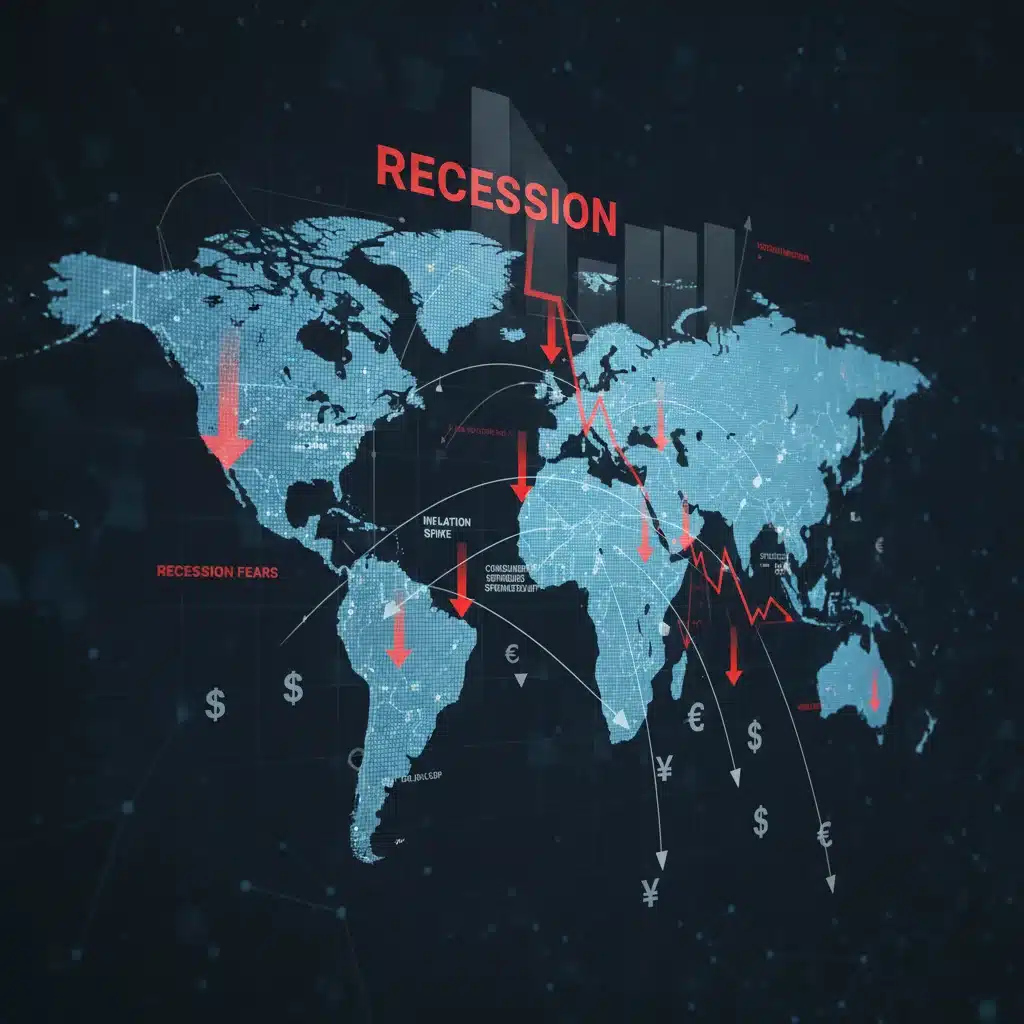
The global economic landscape is a complex, interconnected web, where the ripples from one corner can quickly become waves in another. As we look towards 2026, there is a growing consensus among economists and financial institutions about the increasing likelihood of a significant global economic slowdown. This anticipated deceleration will undoubtedly have profound implications for economies worldwide, and the United States, as a pivotal player in the global market, will be no exception. Understanding the potential impact of this global economic slowdown on the US economy is crucial for policymakers, businesses, and individuals alike to prepare and mitigate risks.
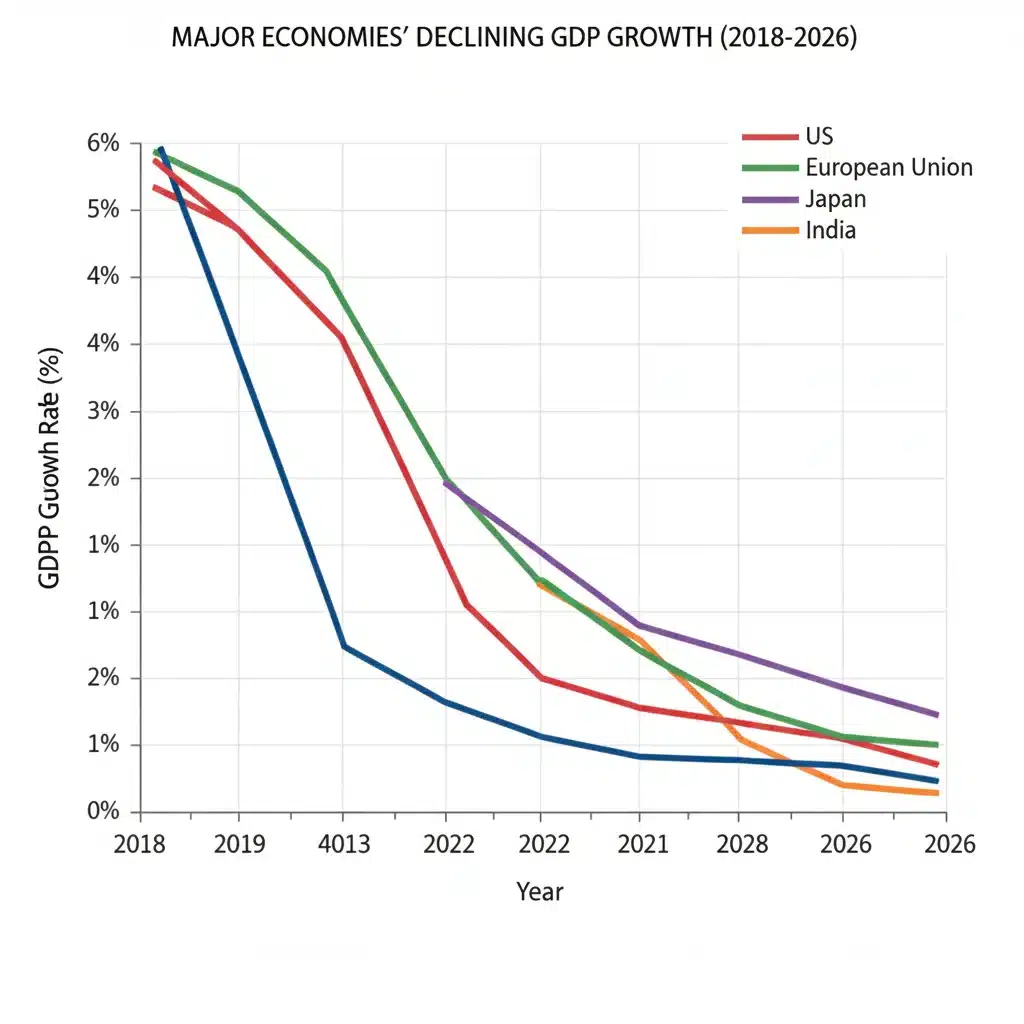
The concept of a global economic slowdown isn’t merely a cyclical downturn; it often involves a confluence of factors that depress economic activity across multiple major economies simultaneously. These factors can range from geopolitical tensions and supply chain disruptions to tightening monetary policies and persistent inflation. The year 2026 is being flagged as a period where many of these headwinds might converge, creating a challenging environment for sustained growth.
Anúncios
Understanding the Drivers of the Predicted Global Economic Slowdown in 2026
Several key drivers are contributing to the predictions of a global economic slowdown in 2026. A comprehensive understanding of these factors is essential to grasp the potential scale and scope of the challenge.
Persistent Inflation and Central Bank Responses
One of the most significant factors is the lingering effect of elevated inflation across many developed and emerging economies. Following the post-pandemic recovery, supply chain bottlenecks, strong consumer demand, and geopolitical events (such as the conflict in Ukraine impacting energy and food prices) fueled inflationary pressures. Central banks, including the US Federal Reserve, responded by implementing aggressive monetary tightening policies, raising interest rates to curb inflation. While these measures are necessary to stabilize prices, they inherently slow down economic activity by increasing borrowing costs for businesses and consumers, thus dampening investment and spending. The lagged effect of these rate hikes is expected to fully manifest by 2026, contributing significantly to the global economic slowdown.
Anúncios
Geopolitical Instability and Trade Fractures
The current geopolitical climate is marked by increased tensions and a trend towards de-globalization or at least a restructuring of global supply chains. Conflicts, trade disputes, and protectionist policies can disrupt established trade routes, increase the cost of goods, and reduce international investment. This fragmentation can lead to inefficiencies, reduce overall global demand, and make long-term economic planning more difficult for multinational corporations. The uncertainty generated by these factors directly contributes to a more cautious approach to investment and expansion, further fueling the global economic slowdown.
Supply Chain Vulnerabilities and Reshoring Trends
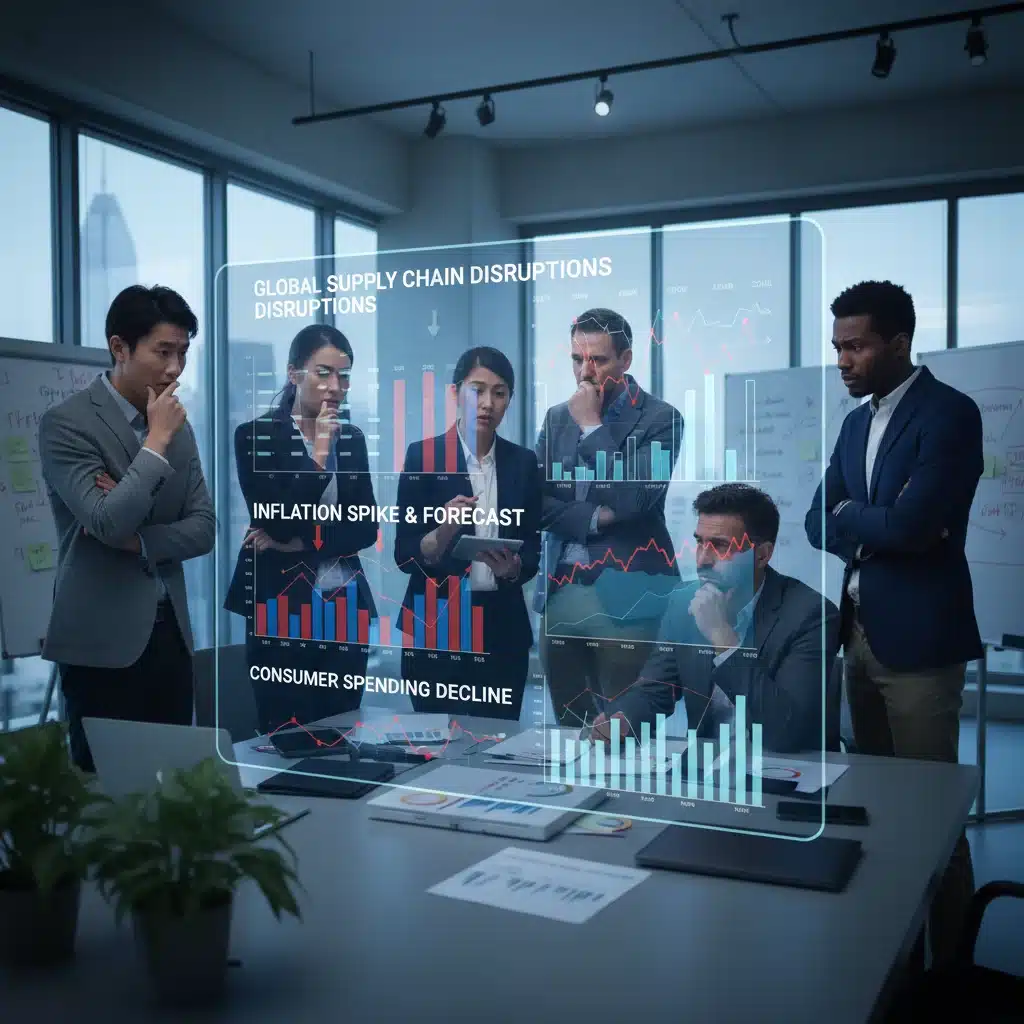
The pandemic exposed critical vulnerabilities in global supply chains. While efforts are underway to diversify and reshore production, these transitions are costly and time-consuming. The ongoing adjustments can lead to periods of inefficiency and higher production costs, which can either be passed on to consumers (contributing to inflation) or absorbed by businesses (reducing profitability and investment). These structural changes in global manufacturing and logistics networks will continue to exert pressure on global economic stability through 2026.
High Global Debt Levels
Many countries, both developed and developing, accumulated significant levels of debt during the pandemic to support their economies. As interest rates rise, the cost of servicing this debt increases, diverting resources that could otherwise be used for productive investment or social programs. This elevated debt burden can constrain fiscal policy options and make economies more vulnerable to external shocks, exacerbating the effects of a global economic slowdown.
Demographic Shifts and Labor Market Dynamics
Longer-term demographic trends, such as aging populations in major economies and shifts in labor force participation, also play a role. These changes can impact productivity growth, consumer demand patterns, and the availability of skilled labor, creating structural challenges that can contribute to a slower growth environment globally.
Predicted Impact on the US Economy from a Global Economic Slowdown
The US economy, despite its relative strength and resilience, is not immune to a global economic slowdown. Its deep integration into the global financial and trade systems means that external headwinds will inevitably create domestic challenges across various sectors.
Trade and Exports
A significant portion of US economic activity is tied to international trade. As other major economies experience a slowdown, demand for US exports (including manufactured goods, agricultural products, and services) will likely decline. This reduction in export volume can hit export-oriented industries hard, leading to reduced production, potential job losses, and lower corporate profits. Companies relying heavily on international markets will face increased competition and pressure on their margins.
Financial Markets and Investment
Global economic uncertainty tends to trigger risk aversion in financial markets. Investors may pull back from riskier assets, leading to increased volatility in stock markets and potentially higher borrowing costs for corporations. A global economic slowdown could also reduce foreign direct investment (FDI) into the US, impacting job creation and capital expenditure. The interconnectedness of global financial systems means that distress in one major market can quickly spread, affecting US asset valuations and investor confidence.
Supply Chains and Inflationary Pressures
While a slowdown might temper some demand-driven inflation, persistent supply chain issues and geopolitical factors could still contribute to cost-push inflation. If key global suppliers face production challenges due to their own economic downturns, it could lead to continued shortages and higher input costs for US manufacturers and retailers. Furthermore, a weaker global economy might lead to a stronger US dollar, making US exports more expensive and imports cheaper, which can have mixed effects on domestic industries and consumer prices.
Consumer Spending and Confidence
Although the US economy is largely driven by domestic consumer spending, a significant global economic slowdown can indirectly affect consumer confidence and purchasing power. News of global instability, job losses in export-oriented sectors, or a downturn in financial markets can make consumers more cautious, leading to reduced discretionary spending. This can create a feedback loop, further slowing down economic activity.
Sector-Specific Vulnerabilities
Certain sectors within the US economy are particularly vulnerable to a global economic slowdown:
- Manufacturing: Especially those industries with significant export markets or reliance on complex global supply chains.
- Technology: While often resilient, tech companies with large international footprints or reliance on global consumer spending could see reduced demand for their products and services.
- Energy: Global economic slowdown typically reduces demand for oil and gas, impacting US energy producers.
- Tourism and Hospitality: Reduced international travel and potentially lower domestic discretionary spending could hurt this sector.
- Financial Services: Increased market volatility, potential defaults, and reduced investment activity can strain financial institutions.
Mitigating the Impact: Strategies for Resilience
While the prospect of a global economic slowdown is concerning, proactive measures can help the US economy and its various stakeholders build resilience and navigate the challenges. Preparation is key to transforming potential vulnerabilities into opportunities for adaptation.
For Policymakers and Government
- Fiscal Prudence: Maintaining fiscal flexibility is crucial. Governments should aim to reduce unnecessary spending and manage debt levels to create headroom for potential stimulus measures if a severe downturn occurs.
- Targeted Support: Implementing targeted fiscal policies to support vulnerable industries and workers, such as unemployment benefits, retraining programs, and infrastructure investments, can soften the blow of a slowdown.
- Monetary Policy Calibration: The Federal Reserve will need to carefully balance inflation control with supporting economic growth. Flexibility in adjusting interest rates and other monetary tools will be paramount.
- International Cooperation: Engaging in diplomatic efforts to de-escalate geopolitical tensions and foster open trade relationships can help stabilize the global economic environment.
- Supply Chain Resilience Initiatives: Continued investment in diversifying supply chains, promoting domestic production where strategically important, and strengthening international logistics networks can reduce future vulnerabilities.
For Businesses
- Diversification: Companies should diversify their markets, both domestically and internationally, to reduce reliance on any single region or customer base. Diversifying product lines can also help.
- Cost Management and Efficiency: Proactive measures to control costs, improve operational efficiency, and optimize resource allocation are critical during periods of economic uncertainty.
- Cash Flow Management: Strengthening cash reserves and maintaining healthy liquidity will provide a buffer against reduced revenue or unexpected expenses.
- Innovation and Digital Transformation: Investing in technology and innovation can enhance productivity, create new revenue streams, and improve competitiveness, making businesses more resilient.
- Talent Retention and Development: Investing in employees through training and development programs ensures a skilled workforce, crucial for adapting to changing economic conditions.
- Scenario Planning: Developing multiple economic scenarios and corresponding action plans can help businesses react quickly and effectively to different outcomes.
For Individuals and Households
- Emergency Savings: Building and maintaining an emergency fund is perhaps the most important personal finance strategy for navigating economic uncertainty. Aim for 3-6 months of living expenses.
- Debt Reduction: Reducing high-interest debt can free up cash flow and reduce financial strain during a slowdown.
- Skill Development: Investing in new skills or enhancing existing ones can improve job security and open up new career opportunities, even in a challenging labor market.
- Diversified Investments: For those with investments, a diversified portfolio across different asset classes can help mitigate risks during market volatility.
- Budgeting and Frugality: Reviewing and adjusting personal budgets to prioritize essential spending and reduce non-essential expenditures can provide greater financial control.
Historical Precedents and Lessons Learned
The US economy has weathered numerous global economic slowdowns and recessions throughout history. Examining past events, such as the 2008 financial crisis or the dot-com bubble burst, offers valuable lessons. Key takeaways include:
- Interconnectedness: Economic shocks rarely remain isolated. The global nature of finance and trade means that problems in one region can quickly propagate.
- Policy Response Matters: The speed and appropriateness of fiscal and monetary policy responses are critical in determining the depth and duration of a downturn.
- Innovation Drives Recovery: Periods of economic challenge often spur innovation and structural adjustments that lay the groundwork for future growth.
- Resilience of the US Economy: Despite challenges, the US economy has demonstrated remarkable resilience, often leading global recoveries due to its dynamic market and innovative capacity.
However, each economic cycle has its unique characteristics. The predicted global economic slowdown in 2026 is influenced by a distinct set of factors, including persistent inflation, high global debt, and geopolitical fragmentation, which differentiate it from previous downturns. Therefore, while historical lessons provide guidance, new and adaptive strategies are essential.
The Role of Technology and Innovation
In the face of a looming global economic slowdown, technology and innovation will play a crucial role in shaping the US economy’s response and recovery. Digital transformation, automation, artificial intelligence, and renewable energy technologies can enhance productivity, create new industries, and improve efficiency across sectors.
For instance, increased automation can help mitigate labor shortages and reduce production costs, making US industries more competitive globally. Advances in AI can optimize supply chains, predict market trends more accurately, and enable businesses to make data-driven decisions. Furthermore, investments in green technologies can not only address climate change but also spur new economic growth and create jobs in emerging sectors.
The ability of the US to maintain its leadership in technological innovation will be a significant determinant of its economic resilience during and after the anticipated slowdown. Government support for R&D, fostering a conducive environment for startups, and investing in STEM education will be vital to harness the full potential of these transformative technologies.
Conclusion: Navigating the Future with Foresight
The predicted global economic slowdown in 2026 presents a formidable challenge, but also an opportunity for strategic foresight and adaptive action. For the US economy, the impact will be felt across trade, financial markets, and various industries. However, by understanding the underlying drivers and implementing proactive measures, the severity of the slowdown can be mitigated.
Policymakers must prioritize fiscal stability and targeted support. Businesses need to focus on diversification, efficiency, and innovation. Individuals should strengthen their financial preparedness through savings and skill development. The collective response to this anticipated global economic slowdown will determine the resilience and speed of recovery for the US economy.
While the future is inherently uncertain, a well-informed and coordinated approach can help transform potential headwinds into catalysts for structural improvements and a more robust, sustainable economic future. The dialogue surrounding the global economic slowdown must continue, fostering collaboration and informed decision-making to safeguard economic prosperity.