National Security Brief: Key Cyber Threats 2026 & Protection Strategies
Anúncios
National Security Brief: Key Cyber Threats Identified for 2026 and How to Stay Protected – Insider Knowledge, Practical Solutions
In an increasingly interconnected world, the landscape of national security is inextricably linked with the domain of cybersecurity. As we move towards 2026, the complexity, sophistication, and sheer volume of cyber threats are escalating at an unprecedented pace. This national security brief aims to provide an in-depth analysis of the key cyber threats projected for the coming years, offering insider knowledge and practical, actionable solutions to bolster defenses and ensure robust protection. The objective is not merely to identify the dangers but to empower organizations and individuals with the strategies necessary to navigate this volatile environment successfully. Understanding cyber threat protection is no longer an IT department’s sole responsibility; it is a fundamental pillar of national and corporate resilience.
Anúncios
The Evolving Cyber Threat Landscape: A 2026 Perspective
The year 2026 will likely be defined by several critical shifts in the cyber threat landscape. Nation-state actors will continue to refine their capabilities, focusing on espionage, intellectual property theft, and critical infrastructure disruption. Cybercriminal organizations, fueled by the lucrative returns of ransomware and data breaches, will adopt more advanced tactics, often leveraging artificial intelligence (AI) and machine learning (ML) to enhance their attacks. Furthermore, the proliferation of Internet of Things (IoT) devices and the expansion of 5G networks will introduce new vulnerabilities and attack surfaces that demand innovative cyber threat protection strategies.
Nation-State Activities: A Persistent and Growing Danger
Nation-state-sponsored cyberattacks represent one of the most significant threats to national security. By 2026, these actors will likely intensify their efforts to:
Anúncios
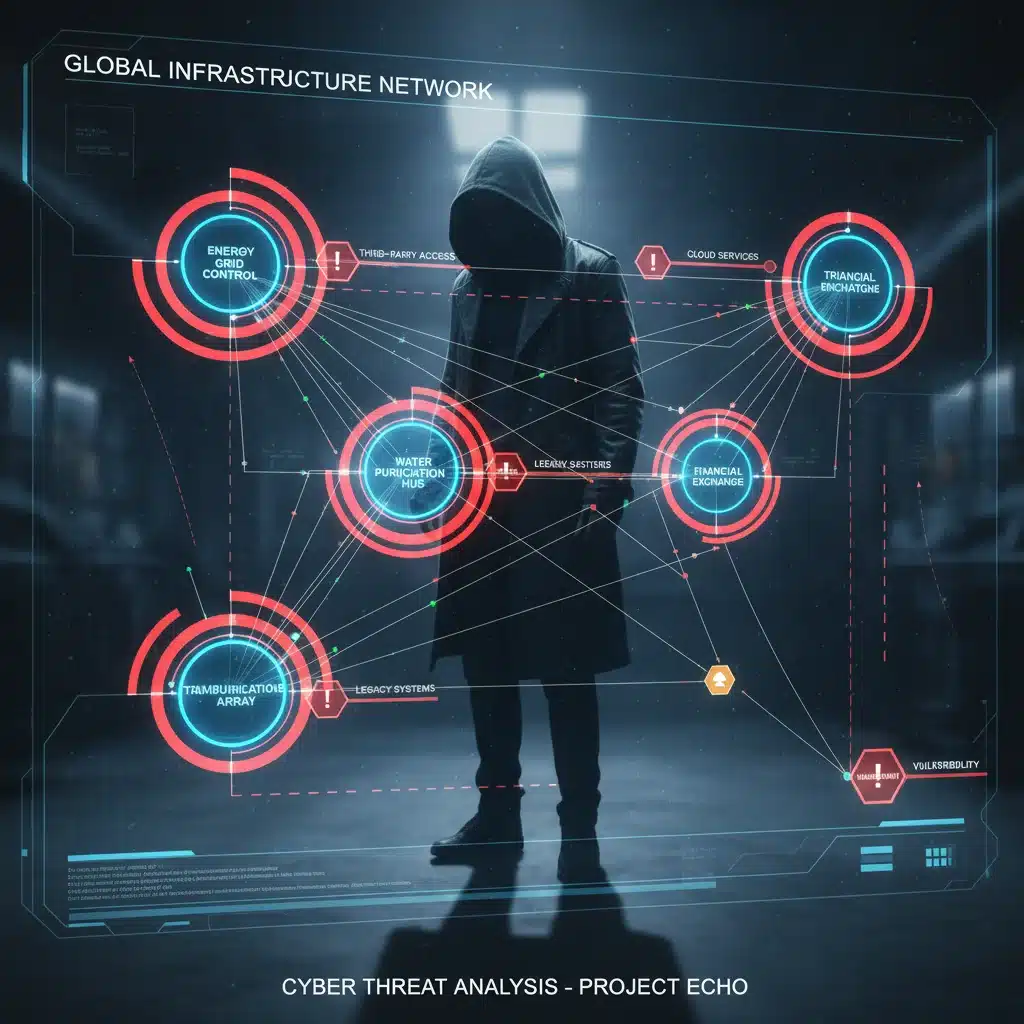
- Disrupt Critical Infrastructure: Targeting energy grids, water treatment facilities, transportation networks, and communication systems to cause widespread societal chaos and economic damage. The Stuxnet incident serves as a stark reminder of the potential for physical harm through cyber means, and future attacks will be even more sophisticated.
- Intellectual Property Theft: Engaging in widespread espionage to steal sensitive research and development data, trade secrets, and classified information from government agencies, defense contractors, and leading technology companies. This directly impacts economic competitiveness and national innovation.
- Influence Operations: Utilizing sophisticated disinformation campaigns and social media manipulation to sow discord, influence public opinion, and undermine democratic processes. The blurring lines between information warfare and traditional cyberattacks will become more pronounced.
- Supply Chain Attacks: Exploiting vulnerabilities within the supply chains of critical software and hardware, as seen with the SolarWinds attack, to gain widespread access to numerous organizations simultaneously. These attacks are particularly insidious due to their broad impact and difficulty in detection.
Effective cyber threat protection against nation-state actors requires a multi-layered defense approach, robust intelligence sharing, and international cooperation.
The Rise of AI-Powered Cybercrime
Artificial Intelligence (AI) and Machine Learning (ML) are dual-edged swords in cybersecurity. While they offer immense potential for defense, malicious actors are increasingly harnessing their power to launch more potent attacks. By 2026, we anticipate:
- Advanced Phishing and Social Engineering: AI will enable the creation of highly personalized and convincing phishing emails, voice deepfakes, and even video deepfakes, making it exceedingly difficult for human users to distinguish legitimate communications from malicious ones. This significantly raises the bar for user awareness training.
- Automated Malware Generation: AI-driven tools will be capable of generating novel malware variants that can evade traditional signature-based detection systems, constantly evolving to bypass defenses. This necessitates a shift towards behavioral analysis and anomaly detection.
- Autonomous Hacking Systems: While still in nascent stages, the development of AI systems capable of autonomously identifying vulnerabilities, exploiting them, and maintaining persistence within networks will pose an existential threat. These systems could operate at machine speed, far outpacing human defenders.
- Sophisticated Ransomware-as-a-Service (RaaS): AI will make RaaS platforms even more accessible and effective, allowing less skilled attackers to deploy highly destructive ransomware campaigns with greater precision and impact.
Combating AI-powered cybercrime necessitates leveraging AI defensively, employing advanced analytics, and focusing on proactive threat hunting as part of a comprehensive cyber threat protection strategy.
IoT and 5G: Expanding Attack Surfaces
The ubiquitous deployment of IoT devices, from smart homes to industrial control systems, coupled with the rollout of 5G networks, will dramatically expand the potential attack surface. These technologies, while transformative, introduce significant security challenges:
- Insecure IoT Devices: Many IoT devices are designed with minimal security features, making them easy targets for botnets and distributed denial-of-service (DDoS) attacks. They can also serve as entry points into more secure networks.
- Edge Computing Vulnerabilities: The shift towards edge computing, driven by IoT and 5G, means that more data processing occurs outside traditional secure perimeters, introducing new points of compromise.
- 5G Network Exploitation: The increased speed and connectivity of 5G networks, while beneficial, also offer attackers new avenues for rapid data exfiltration and the orchestration of large-scale attacks. The complexity of 5G infrastructure also presents novel configuration challenges that can lead to vulnerabilities.
- Supply Chain Risks for IoT: The global supply chain for IoT components is often opaque and complex, making it difficult to ensure the security integrity of devices from manufacturing to deployment.
Securing this expanded perimeter requires a focus on secure-by-design principles for IoT, rigorous network segmentation, and continuous monitoring of all connected devices to ensure effective cyber threat protection.
Insider Knowledge: Practical Solutions for Robust Cyber Threat Protection
Understanding the threats is only the first step. True national security and organizational resilience come from implementing practical, forward-thinking cyber threat protection strategies. Here, we delve into insider knowledge and actionable solutions that go beyond conventional cybersecurity measures.
1. Embrace a Zero Trust Architecture (ZTA)
The traditional perimeter-based security model is increasingly obsolete in the face of modern threats. A Zero Trust Architecture (ZTA) assumes that no user, device, or application, whether inside or outside the network, should be trusted by default. Every access request must be verified. Key components of ZTA include:
- Strict Identity Verification: Multi-factor authentication (MFA) and continuous authentication based on behavioral biometrics.
- Least Privilege Access: Users and devices are granted only the minimum access necessary to perform their tasks, and this access is regularly reviewed.
- Micro-segmentation: Networks are divided into small, isolated segments, limiting the lateral movement of attackers even if they breach one segment.
- Continuous Monitoring and Validation: All network traffic and user activities are continuously monitored for suspicious behavior, and access policies are re-evaluated in real-time.
Implementing ZTA is a journey, not a destination, requiring a cultural shift and a commitment to continuous improvement in cyber threat protection.
2. Fortify Supply Chain Security
As supply chain attacks become more prevalent, securing your extended enterprise is paramount. This involves:
- Vendor Risk Management: Thoroughly vet all third-party vendors for their security posture, requiring them to meet stringent security standards and undergo regular audits.
- Software Bill of Materials (SBOM): Demand and utilize SBOMs for all software components, providing transparency into the origins and potential vulnerabilities of your applications.
- Integrity Checks: Implement mechanisms to verify the integrity of hardware and software throughout its lifecycle, from manufacturing to deployment.
- Contractual Obligations: Include robust cybersecurity clauses in all vendor contracts, outlining responsibilities and liabilities in case of a breach.
A proactive approach to supply chain security is a critical element of modern cyber threat protection.
3. Invest in Advanced Threat Intelligence and AI-Driven Defenses
Staying ahead of sophisticated adversaries requires leveraging cutting-edge tools and intelligence:
- Proactive Threat Hunting: Move beyond reactive defense by actively searching for threats within your network before they cause significant damage. This requires skilled analysts and advanced tools.
- AI and ML for Anomaly Detection: Deploy AI-powered security solutions that can detect subtle anomalies in network traffic and user behavior that might indicate an attack, even from novel malware.
- Global Threat Intelligence Feeds: Subscribe to and integrate high-quality threat intelligence feeds from government agencies, industry consortia, and private security firms to gain early warning of emerging threats.
- Automated Incident Response: Implement security orchestration, automation, and response (SOAR) platforms to automate routine incident response tasks, speeding up detection and containment.
These advanced capabilities are crucial for effective cyber threat protection against rapidly evolving threats.
4. Strengthen Human Defenses: Education and Awareness
Despite technological advancements, the human element remains the weakest link in many security chains. Continuous education and awareness programs are vital:
- Regular Cybersecurity Training: Conduct frequent and engaging training sessions for all employees on topics like phishing, social engineering, password hygiene, and data handling best practices.
- Phishing Simulations: Regularly conduct simulated phishing campaigns to test employee vigilance and identify areas for further training.
- Insider Threat Programs: Develop comprehensive insider threat programs that combine technical monitoring with behavioral analysis and employee support to identify and mitigate risks from within.
- Culture of Security: Foster a strong security culture where every employee understands their role in protecting organizational assets and feels empowered to report suspicious activities without fear of reprisal.
A well-informed and vigilant workforce is an indispensable layer of cyber threat protection.
5. Secure Cloud Environments
As organizations continue to migrate to the cloud, ensuring the security of these environments is paramount. This includes:
- Shared Responsibility Model Understanding: Clearly understand the shared responsibility model with cloud providers and ensure that your organization fulfills its security obligations.
- Cloud Security Posture Management (CSPM): Utilize CSPM tools to continuously monitor and manage the security posture of your cloud environments, identifying misconfigurations and compliance violations.
- Cloud Workload Protection Platforms (CWPP): Implement CWPPs to protect workloads running in cloud environments, providing visibility and control over cloud-native applications and containers.
- Data Encryption: Encrypt data both at rest and in transit within cloud environments, adding an extra layer of protection against unauthorized access.
Robust cloud security is non-negotiable for comprehensive cyber threat protection in the modern era.
6. Enhance Operational Resilience and Disaster Recovery
Even with the best cyber threat protection, breaches can occur. The ability to recover quickly and minimize damage is critical:
- Incident Response Plan: Develop and regularly test a detailed incident response plan that outlines roles, responsibilities, and procedures for handling various types of cyber incidents.
- Business Continuity Planning (BCP) and Disaster Recovery (DR): Implement robust BCP and DR strategies to ensure that critical operations can continue during and after a cyberattack, with regular backups and geographically dispersed data storage.
- Cyber Insurance: Consider comprehensive cyber insurance policies to help mitigate the financial impact of a significant cyber incident, covering costs like legal fees, notification expenses, and business interruption.
- Tabletop Exercises: Conduct regular tabletop exercises with leadership and technical teams to simulate cyberattack scenarios and refine response procedures.
Resilience is the ultimate goal of effective cyber threat protection.

The Role of Government and International Cooperation
Effective national cyber threat protection extends beyond individual organizations and requires a concerted effort at the governmental and international levels. Governments must:
- Invest in Cyber Talent: Develop robust educational programs and incentives to cultivate a skilled cybersecurity workforce capable of defending national assets.
- Foster Public-Private Partnerships: Facilitate information sharing and collaboration between government agencies and private industry to share threat intelligence and best practices.
- Develop and Enforce Regulations: Create and enforce clear cybersecurity regulations and standards to ensure a baseline level of security across critical sectors.
- Engage in International Diplomacy: Work with international partners to establish norms of behavior in cyberspace, deter malicious activities, and build collective defense capabilities.
- Fund Research and Development: Invest in cutting-edge cybersecurity research to develop next-generation defensive technologies and countermeasures.
These collective efforts are crucial for building a resilient global cybersecurity posture against the threats of 2026 and beyond.
Conclusion: A Proactive Stance on Cyber Threat Protection
The cyber threat landscape of 2026 demands a proactive, adaptive, and comprehensive approach to cyber threat protection. From sophisticated nation-state attacks to AI-powered cybercrime and the expanding attack surfaces of IoT and 5G, the challenges are significant. However, by embracing strategies like Zero Trust, strengthening supply chain security, leveraging advanced threat intelligence, educating the workforce, securing cloud environments, and building operational resilience, organizations can significantly enhance their defensive capabilities. National security, economic stability, and individual privacy all hinge on our collective ability to anticipate, mitigate, and respond to these evolving cyber threats. The time for action is now; complacency is a luxury we can no longer afford.