The 2026 Shift: How Digital Art Galleries are Reshaping American Cultural Consumption
Anúncios
The 2026 Shift: How Digital Art Galleries are Reshaping American Cultural Consumption
The art world, traditionally rooted in physical spaces and exclusive circles, is experiencing an unprecedented metamorphosis. As we hurtle towards 2026, the influence of digital art galleries on American cultural consumption is not merely significant; it is foundational. These virtual platforms are not just mirroring traditional galleries online; they are redefining what it means to experience, acquire, and engage with art. This seismic shift is driven by technological advancements, evolving audience expectations, and a global push for greater accessibility and inclusivity in the arts.
Anúncios
For decades, the art market operated on a model of scarcity and exclusivity. Access to significant art collections and emerging talent often depended on geographical proximity to major art hubs like New York or Los Angeles, or connections within a tight-knit art establishment. This created barriers for both aspiring artists seeking exposure and art enthusiasts outside these elite circles. However, the advent and rapid evolution of digital art galleries have dismantled many of these traditional gatekeepers, ushering in a new era of democratization.
By 2026, we anticipate that digital art galleries will have become the primary gateway for a significant portion of American art consumers. This isn’t just about convenience; it’s about fundamentally altering how art is discovered, valued, and integrated into daily life. The implications are vast, touching upon artistic creation, market dynamics, educational outreach, and the very definition of cultural heritage.
Anúncios
The Democratization of Art: Breaking Down Barriers with Digital Art Galleries
One of the most profound impacts of digital art galleries is their ability to democratize art. No longer are physical walls and geographical limitations dictating who can access and appreciate art. A high-speed internet connection is now the primary prerequisite, opening up a world of artistic expression to millions who previously had limited opportunities. This accessibility has several facets:
- Geographical Inclusivity: Residents of rural areas or smaller cities, traditionally underserved by major art institutions, can now explore world-class exhibitions and discover emerging artists from anywhere. This broadens the reach of art beyond urban centers.
- Socio-economic Accessibility: Visiting physical galleries often entails travel costs, admission fees, and sometimes an intimidating atmosphere. Digital platforms largely eliminate these barriers, making art more accessible to diverse socio-economic groups.
- Educational Opportunities: Digital art galleries often incorporate rich educational content, including artist interviews, historical context, and interactive guides. This transforms passive viewing into an active learning experience, fostering a deeper understanding and appreciation of art.
- Diverse Artistic Voices: With lower overheads and fewer gatekeepers, digital platforms provide a crucial space for underrepresented artists – women, artists of color, LGBTQ+ artists, and those from marginalized communities – to showcase their work and gain recognition on a global stage. This leads to a more diverse and representative art landscape.
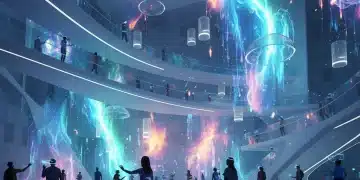
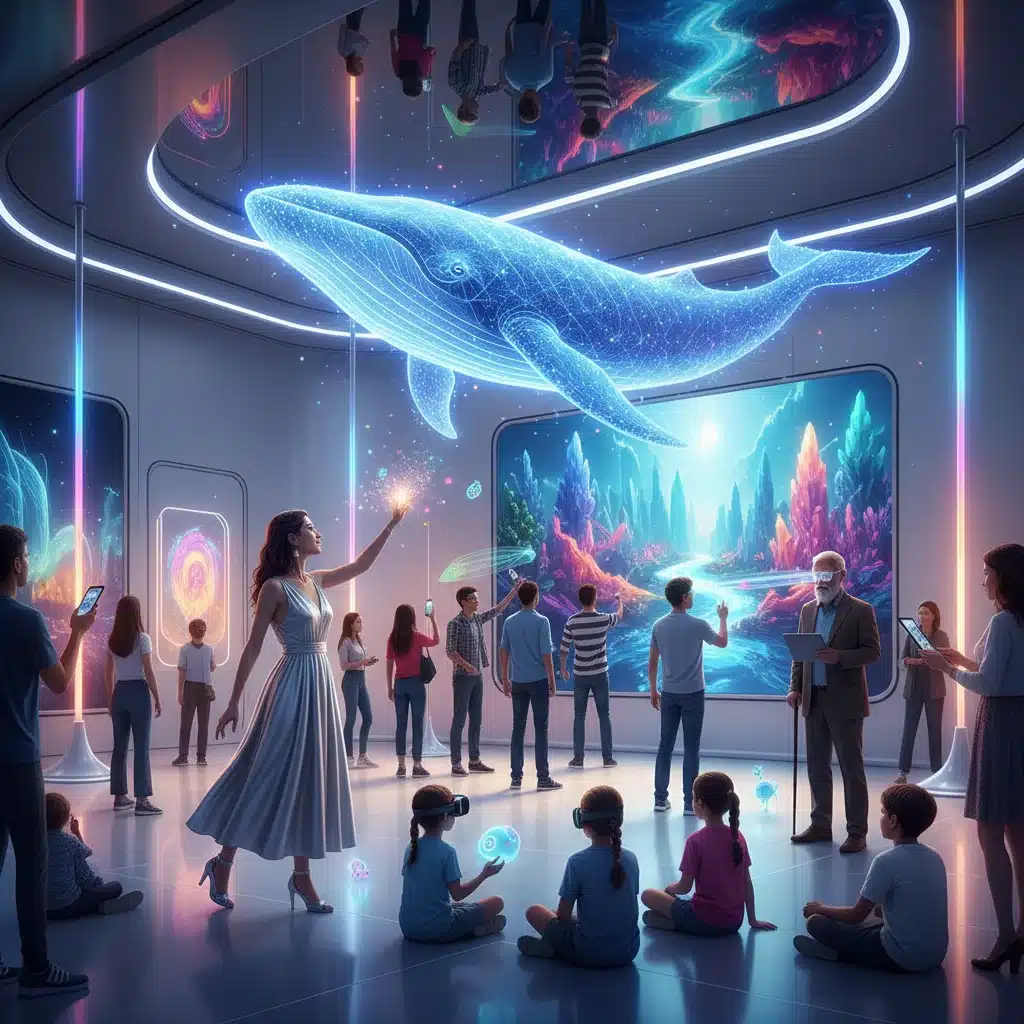
The rise of digital art galleries is not merely about replicating the physical experience; it’s about creating entirely new modes of engagement. Virtual reality (VR) and augmented reality (AR) technologies are rapidly transforming how art is presented and consumed. Imagine stepping into a VR gallery where you can walk through a meticulously rendered exhibition, examine brushstrokes up close, and even interact with digital sculptures in a three-dimensional space. This immersive experience transcends the limitations of a flat screen, offering a truly captivating encounter with art.
Technological Innovations Driving the Shift in Digital Art Galleries
The trajectory of digital art galleries is inextricably linked to advancements in technology. Several key innovations are propelling this shift:
Virtual Reality (VR) and Augmented Reality (AR)
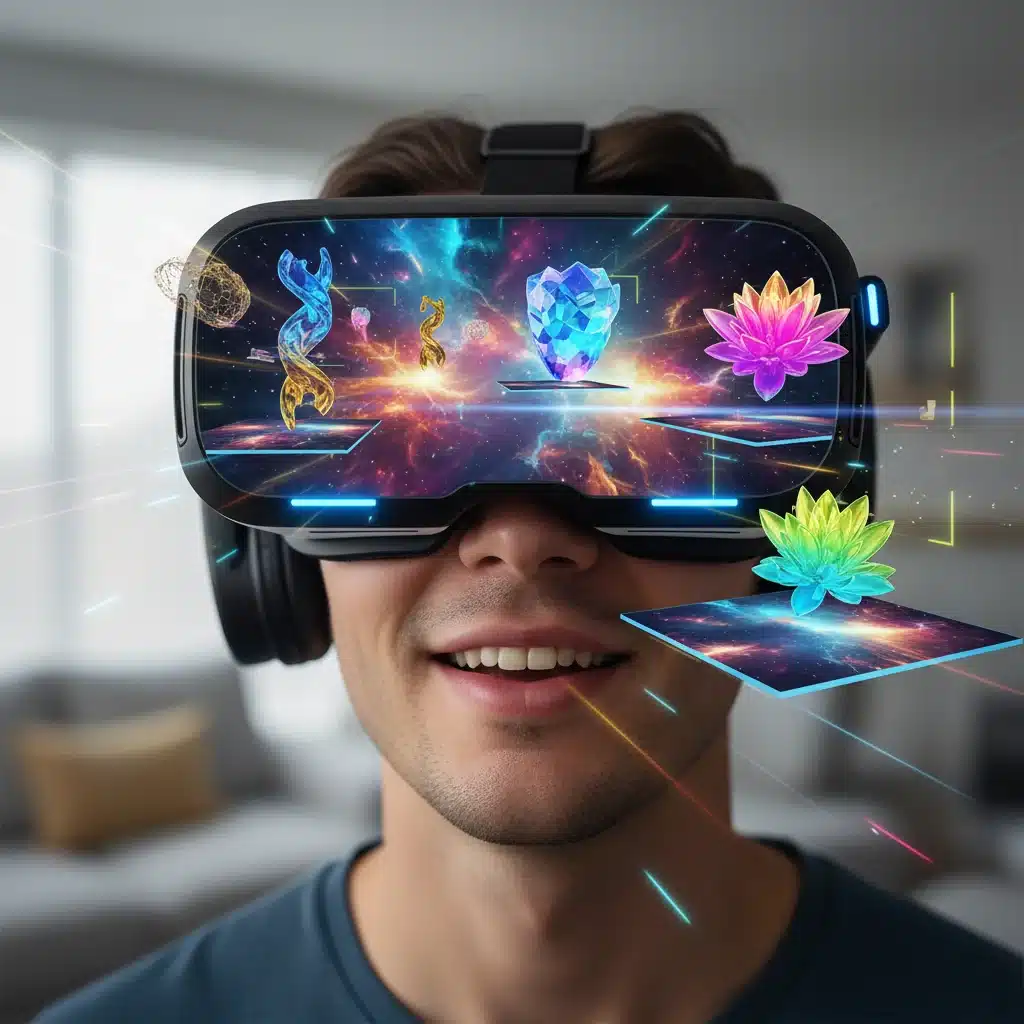
VR and AR are perhaps the most exciting frontiers for digital art galleries. VR allows for fully immersive, simulated environments where users can explore virtual exhibitions as if they were physically present. This offers unparalleled opportunities for artists to create site-specific digital installations and for viewers to experience art in entirely new contexts. AR, on the other hand, overlays digital content onto the real world, allowing users to view digital artworks in their own homes or public spaces through their smartphones or AR glasses. This blurs the lines between the digital and physical, making art an omnipresent part of our environment.
By 2026, we expect VR and AR to be standard features in leading digital art galleries, offering experiences that are not just substitutes for physical visits but entirely new forms of artistic engagement. These technologies allow for dynamic storytelling, interactive elements, and personalized viewing experiences that are impossible in traditional settings.
Blockchain Technology and NFTs
The emergence of blockchain technology and Non-Fungible Tokens (NFTs) has had a revolutionary impact on the digital art market. NFTs provide a verifiable certificate of authenticity and ownership for digital assets, addressing a long-standing challenge in the digital realm: how to establish scarcity and value for inherently reproducible digital works. This has empowered digital artists, allowing them to monetize their creations directly and securely.
While the initial NFT boom saw speculative excesses, its underlying technology offers a robust framework for provenance, royalties, and transparent transactions within digital art galleries. By 2026, NFTs are expected to be an integrated and mature component of the digital art ecosystem, offering artists greater financial independence and collectors verifiable ownership of unique digital assets.
Artificial Intelligence (AI) and Machine Learning (ML)
AI and ML are playing an increasingly vital role in enhancing the user experience within digital art galleries. These technologies can personalize recommendations, analyze viewer preferences, and even assist in the curation of exhibitions. AI-powered tools can also help artists in their creative process, generating new visual styles or assisting with complex compositions.
Furthermore, AI can be used for advanced image recognition and cataloging, making it easier for users to navigate vast collections and discover art that aligns with their interests. This intelligent curation can make the overwhelming amount of digital art more digestible and enjoyable for consumers.
Redefining Art Consumption: Engagement and Interaction
The shift to digital art galleries is not just about where art is viewed, but how it is experienced. Traditional art consumption often involves a quiet, contemplative observation, sometimes at a distance. Digital platforms encourage a more active, interactive, and personalized form of engagement.
Interactive Exhibitions and Gamification
Many digital art galleries are incorporating interactive elements that go beyond simple viewing. This can include clickable hotspots that reveal artist statements or contextual information, drag-and-drop features to rearrange virtual exhibits, or even gamified experiences where users solve puzzles or complete challenges related to the artwork. This approach makes art more engaging, particularly for younger audiences accustomed to interactive digital media.
Personalized Experiences
Leveraging AI and user data, digital art galleries can offer highly personalized experiences. This means recommending artists or exhibitions based on a user’s past viewing history, preferences, and even mood. Imagine a gallery that suggests art based on your current emotional state, creating a deeply personal and resonant connection with the artwork.
Community and Social Interaction
While art appreciation can be a solitary act, digital art galleries also foster community. Features like comment sections, live chat with artists, virtual opening receptions, and integrated social media sharing allow users to discuss art, share their insights, and connect with like-minded individuals from around the globe. This transforms art consumption from a passive activity into a dynamic, social experience.
The Evolving Art Market: New Opportunities and Challenges
The rise of digital art galleries has fundamentally reshaped the art market, presenting both exciting opportunities and complex challenges.
Increased Market Transparency and Global Reach
Digital platforms bring unprecedented transparency to the art market. Information about pricing, provenance (especially with NFTs), and artist bios is often readily available, demystifying a market traditionally known for its opacity. Furthermore, digital art galleries have a global reach, allowing artists to connect with collectors worldwide and for collectors to discover art from diverse cultural contexts without geographical limitations. This expands the potential market for art significantly.
New Revenue Streams for Artists
For artists, digital art galleries offer new avenues for monetization. Beyond direct sales of physical or digital works, artists can explore subscription models for exclusive content, sell limited edition digital prints, or leverage NFTs for royalties on secondary sales. This empowers artists to build sustainable careers and reach a broader audience without relying solely on traditional gallery representation.
Challenges: Authenticity, Copyright, and Digital Divide
Despite the immense advantages, the digital art market faces challenges. Authenticity and copyright protection for digital works, while partially addressed by NFTs, remain complex issues. The ease of digital reproduction can lead to questions of value and scarcity. Furthermore, the ‘digital divide’ – disparities in internet access and digital literacy – could inadvertently exclude certain populations from participating fully in this new art ecosystem. Ensuring equitable access and digital education will be crucial.
Impact on Traditional Art Institutions
The proliferation of digital art galleries does not necessarily spell the end for traditional museums and physical galleries. Instead, it prompts them to innovate and adapt. Many established institutions are now developing their own robust online presences, offering virtual tours, digitized collections, and online exhibitions. This hybrid model allows them to reach new audiences while preserving the unique experience of viewing art in person.
Traditional institutions are also exploring partnerships with digital platforms, leveraging their technological expertise to enhance their offerings. This symbiotic relationship can lead to richer, more accessible art experiences for everyone, blending the gravitas of physical spaces with the expansive reach of the digital realm.
The Future of Art Education and Curation
The rise of digital art galleries is also transforming art education and curation. Online platforms are becoming invaluable resources for students, researchers, and educators, providing access to vast archives and diverse perspectives. Universities are incorporating digital art history and virtual curation into their curricula, preparing the next generation of art professionals for a hybrid world.
Curation in the digital age requires a new skill set. Digital curators must not only understand art history and aesthetics but also possess technical proficiency in managing digital assets, designing user interfaces, and leveraging data analytics to optimize engagement. The role is evolving from gatekeeper to facilitator, guiding audiences through vast digital landscapes of artistic expression.
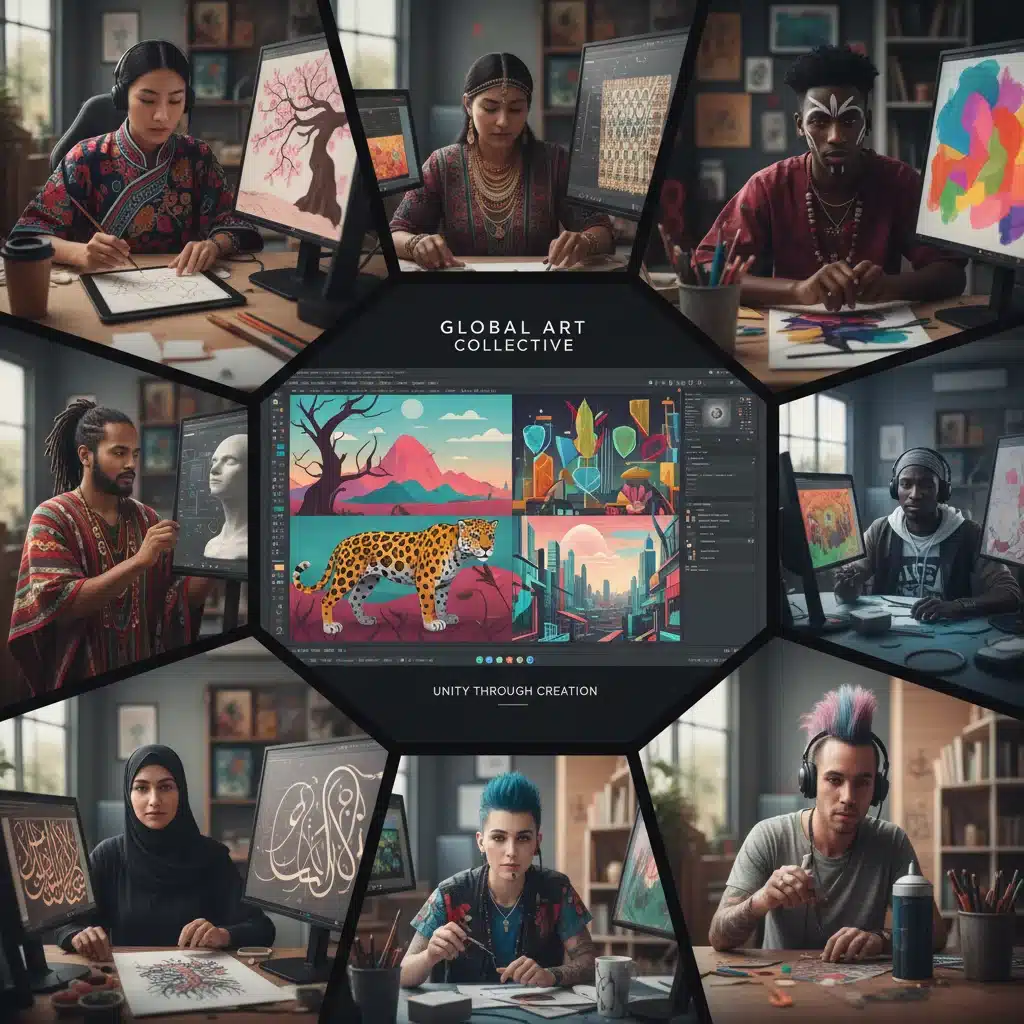
The American Cultural Landscape in 2026 and Beyond
By 2026, the American cultural landscape will be profoundly shaped by the pervasive influence of digital art galleries. Art will be more accessible, more interactive, and more diverse than ever before. This shift will foster a more inclusive cultural dialogue, allowing a wider range of voices to be heard and appreciated.
The distinction between ‘digital art’ and ‘traditional art’ may blur, as artists increasingly move fluidly between mediums and platforms. The very definition of what constitutes art will continue to expand, embracing new forms born from technological innovation.
Furthermore, the economic model of the art world will continue to evolve, with artists gaining greater autonomy and collectors having more direct engagement with creators. This decentralization of power could lead to a more equitable and dynamic art market.
Conclusion: Embracing the Digital Renaissance
The year 2026 marks a pivotal moment in the evolution of American cultural consumption, driven significantly by the transformative power of digital art galleries. These platforms are not merely a trend; they represent a fundamental paradigm shift, democratizing access, fostering new forms of artistic expression, and redefining the art market.
From the immersive experiences of VR and AR to the secure ownership provided by NFTs, technology is enabling an art world that is more inclusive, interactive, and globally connected. While challenges remain, particularly around digital equity and the nuanced aspects of digital ownership, the overall trajectory points towards an exciting future.
For artists, digital art galleries offer unprecedented opportunities for exposure and financial independence. For collectors, they provide a vast, diverse, and accessible universe of art. And for the general public, they break down barriers, making art a more integral and engaging part of everyday life. As we move forward, embracing this digital renaissance will be key to fostering a vibrant, diverse, and accessible cultural future for all Americans.