Art vs. Artifact: Visitor Engagement in National Museums – A Data-Driven Comparison
Anúncios
Art vs. Artifact: A Data-Driven Comparison of Visitor Engagement in National Museums
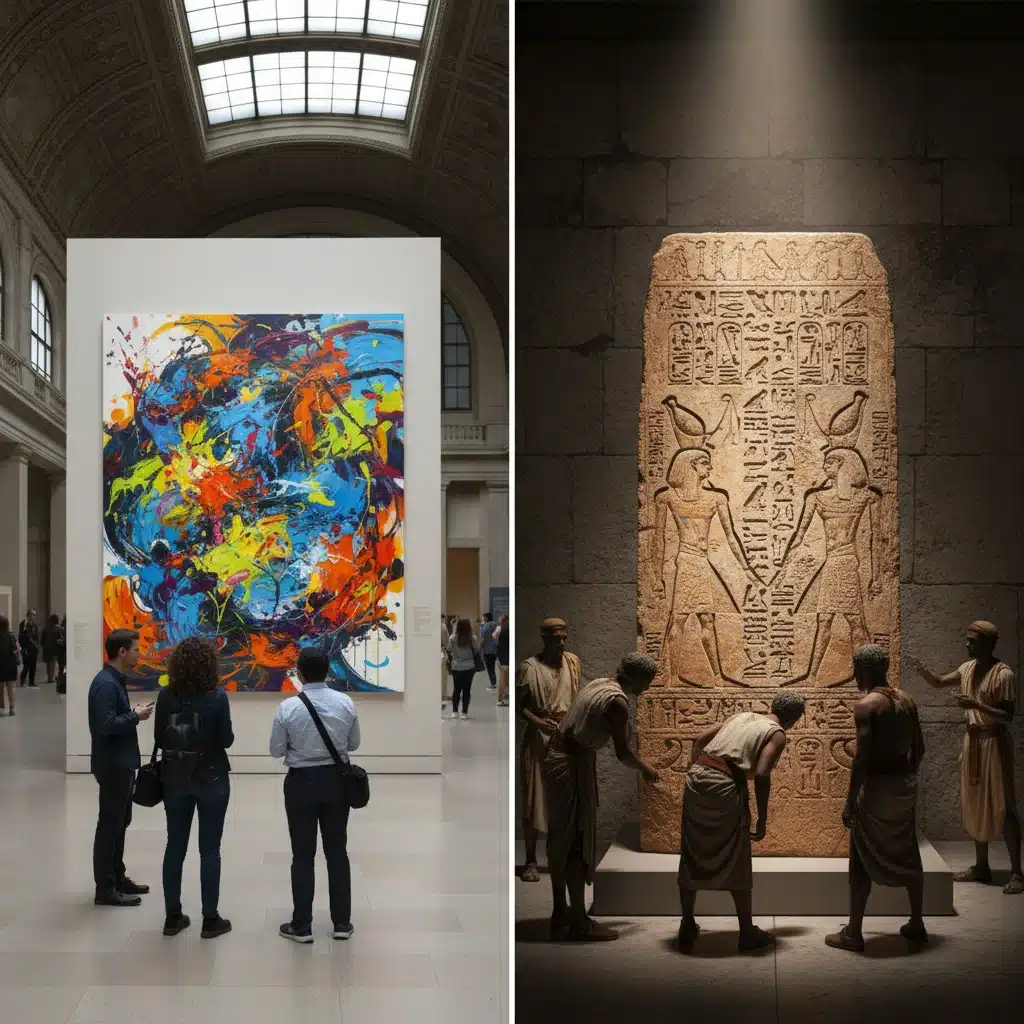
National museums serve as vital repositories of human creativity and history, offering unparalleled opportunities for learning, reflection, and cultural enrichment. Within these hallowed halls, visitors encounter a vast array of exhibits, broadly categorized into two primary domains: art and artifacts. While both aim to educate and inspire, the nature of engagement they foster can differ significantly. Understanding these differences is paramount for museum professionals seeking to optimize visitor engagement strategies, tailor educational programs, and ultimately, enhance the overall museum experience. This article delves into a comprehensive, data-driven comparison of how visitors interact with art versus artifacts in national museums, exploring the underlying psychological, sociological, and practical factors that shape their experiences.
Anúncios
Defining Art and Artifacts in the Museum Context
Before embarking on a comparative analysis of museum visitor engagement, it is crucial to establish clear definitions for ‘art’ and ‘artifact’ within the context of national museums. While the lines can sometimes blur, especially with contemporary art that often incorporates found objects or historical references, a general distinction can be made:
Anúncios
- Art: Typically refers to objects created primarily for aesthetic or expressive purposes. This can include paintings, sculptures, drawings, prints, photography, and various forms of visual and performing arts. The focus is often on the creator’s intention, artistic technique, emotional impact, and the aesthetic experience it provides to the viewer. Art often invites subjective interpretation and emotional connection.
- Artifacts: Generally refers to objects made or modified by humans that have historical, cultural, or scientific significance. These can range from tools, weapons, pottery, textiles, and everyday household items to archaeological finds and scientific instruments. The primary value of an artifact lies in its ability to shed light on past societies, cultures, technologies, and human behavior. They serve as tangible links to history and provide objective evidence of human activity.
National museums often house both, with art museums specializing in aesthetic creations and natural history or history museums focusing on objects of historical and scientific importance. However, many encyclopedic museums integrate both, presenting a rich tapestry of human endeavor. The challenge, and the focus of our analysis, lies in understanding how visitors navigate and engage with these distinct categories of objects.
The Psychology of Engagement: Art vs. Artifacts
The way individuals psychologically process and engage with art versus artifacts is fundamentally different, influencing their overall museum visitor engagement experience. These differences stem from cognitive processes, emotional responses, and the inherent nature of the objects themselves.
Emotional and Aesthetic Connection to Art
Art often elicits a strong emotional and aesthetic response. Visitors might be drawn to a painting for its beauty, its ability to evoke a feeling, or its connection to a personal experience. The engagement is frequently subjective, contemplative, and introspective. Key aspects include:
- Emotional Resonance: Art can trigger a wide spectrum of emotions, from joy and wonder to sadness and introspection. A powerful painting might evoke empathy or challenge existing perspectives.
- Aesthetic Appreciation: The beauty of form, color, composition, and technique often forms the primary mode of engagement. Visitors may spend time simply appreciating the visual qualities of a piece.
- Subjective Interpretation: Art invites personal interpretation. Viewers bring their own experiences, knowledge, and biases to their understanding of a work, leading to diverse and often deeply personal connections.
- Contemplation and Reflection: Many visitors engage with art in a contemplative manner, allowing their minds to wander, connect ideas, and reflect on the themes presented.
Intellectual and Historical Connection to Artifacts
Artifacts, on the other hand, tend to foster a more intellectual and historical mode of engagement. The focus shifts from subjective experience to objective understanding, from aesthetic appreciation to historical context. Key aspects include:
- Historical Context: Visitors are often keen to understand the ‘story’ behind an artifact – who made it, when, why, and what it tells us about the past. This involves a desire for factual information and historical narrative.
- Material Culture Insight: Artifacts provide tangible evidence of past human life, offering insights into technologies, social structures, beliefs, and daily routines of ancient civilizations or past eras.
- Curiosity and Discovery: Many visitors approach artifacts with a sense of curiosity, eager to uncover new knowledge and make connections between the object and broader historical events.
- Authenticity and Tangibility: The sheer authenticity of an artifact – knowing it was touched, used, or created by people long ago – can be a powerful draw, offering a direct link to history that books cannot replicate.
Measuring Visitor Engagement: Key Metrics and Methodologies
To conduct a data-driven comparison of museum visitor engagement with art versus artifacts, museums employ a variety of quantitative and qualitative metrics and methodologies. These provide tangible insights into how different types of exhibits resonate with audiences.
Quantitative Metrics: Counting and Tracking
- Dwell Time: This is a crucial metric, measuring the average amount of time visitors spend in front of a particular artwork or artifact, or within a specific gallery section. Longer dwell times often indicate higher engagement. Data can be collected using infrared sensors, Wi-Fi tracking, or even manual observation.
- Visitor Flow and Path Analysis: Tracking visitor movement patterns helps identify which exhibits are bottlenecks, which are bypassed, and which draw sustained attention. Heatmaps generated from movement data can reveal popular areas for both art and artifact displays.
- Exhibition Attendance and Return Visits: Analyzing ticket sales, membership renewals, and specific exhibition attendance can indicate the overall appeal of art-focused versus artifact-focused exhibitions. Repeat visits to specific types of collections also offer insights.
- Social Media Engagement: The number of photos shared, hashtags used, and comments made about specific artworks or artifacts on platforms like Instagram, Facebook, and Twitter can serve as a proxy for engagement and interest.
- Gift Shop Sales: While indirect, sales of exhibition-specific merchandise (books, reproductions, replicas) can sometimes correlate with the popularity and engagement generated by art or artifact displays.
- Website and App Analytics: For museums with digital components, tracking clicks, page views, and interaction rates with online content related to art or artifacts provides valuable data on digital engagement.
Qualitative Metrics: Understanding the ‘Why’
- Visitor Surveys and Interviews: Directly asking visitors about their experiences, what they found most engaging, what they learned, and their emotional responses provides rich qualitative data. Open-ended questions are particularly useful here.
- Observation Studies: Trained observers can document visitor behavior, including body language, conversations, use of exhibit labels, and interactions with interactive elements. This can reveal subtle differences in how people engage with different types of objects.
- Focus Groups: Bringing together small groups of visitors to discuss their experiences can uncover shared perceptions, preferences, and challenges related to engaging with art and artifacts.
- Comment Cards and Feedback Kiosks: Providing opportunities for immediate feedback can capture spontaneous reactions and highlight particularly impactful or confusing aspects of displays.
Data-Driven Insights: Art vs. Artifact Engagement
Emerging data from national museums worldwide suggests nuanced differences in museum visitor engagement between art and artifacts. While generalizations can be misleading due to the diversity of collections and audiences, several patterns often emerge.
Art Exhibits: Deep, Subjective, and Emotionally Charged
- Longer Dwell Times for Iconic Art: Highly recognized or emotionally resonant artworks (e.g., masterpieces, works by famous artists) often command significantly longer dwell times. Visitors may spend minutes contemplating a single painting, reflecting on its meaning or aesthetic qualities.
- Higher Social Sharing for Visually Striking Art: Art, especially visually dramatic or unconventional pieces, tends to generate more social media buzz and photo sharing. The aesthetic appeal lends itself well to visual platforms.
- Stronger Emotional Responses: Surveys often reveal that art evokes a broader and deeper range of emotional responses compared to artifacts, which are typically admired for their historical significance.
- Greater Variability in Engagement: Engagement with art can be highly personal. Some visitors bypass entire sections of art, while others become deeply immersed in a single piece. This variability can make overall average engagement rates for art challenging to interpret.
- Impact of Interpretation: The quality of interpretive materials (labels, audio guides) is crucial for art. While some prefer an unmediated experience, others rely heavily on context to enhance their appreciation.
Artifact Exhibits: Informative, Contextual, and Interactive
- Consistent Engagement Across Collections: While artifacts might not always command the same peak dwell times as iconic artworks, engagement tends to be more consistent across a well-curated artifact collection. Visitors methodically move from one object to the next, absorbing information.
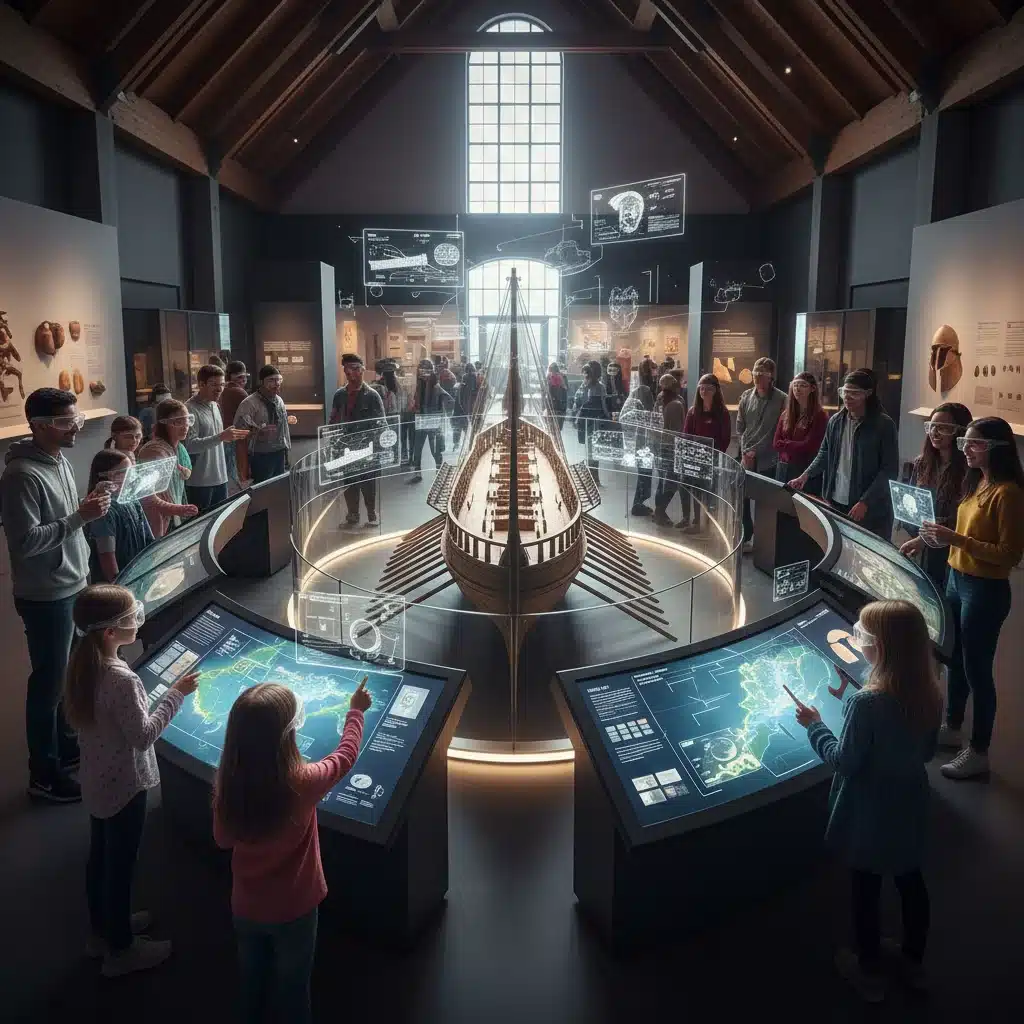
- High Interaction with Interpretive Elements: Artifact displays often benefit immensely from interactive elements – touchscreens, multimedia presentations, and hands-on replicas. Data shows these features significantly increase dwell time and perceived learning.
- Stronger Learning Outcomes: Visitors often report a higher sense of learning and acquiring new factual knowledge from artifact exhibits. The direct link to history and culture makes the educational aspect more explicit.
- Value Placed on Authenticity: The ‘realness’ of an artifact is a powerful draw. Visitors often express awe at touching history, even if indirectly through glass.
- Group Engagement: Artifact exhibits, particularly those with strong narratives, often facilitate group discussions and shared learning experiences more readily than art galleries, which can sometimes encourage individual contemplation.
Factors Influencing Engagement for Both Categories
Beyond the inherent characteristics of art and artifacts, several external and internal factors profoundly influence museum visitor engagement with both categories:
Exhibit Design and Curation
- Narrative Storytelling: A compelling narrative linking objects, whether art or artifact, significantly enhances engagement. Visitors are drawn to stories.
- Lighting and Display: Effective lighting can highlight details, create mood, and draw attention. Thoughtful display, such as grouping related items or creating immersive environments, encourages deeper exploration.
- Accessibility: Physical accessibility (ramps, clear pathways) and intellectual accessibility (clear, concise labels; multi-language options) are crucial for all visitors.
- Interactive Elements: While more common with artifacts, interactive elements can also enhance art engagement, such as digital tools that allow zooming into brushstrokes or comparing different versions of a work.
Interpretive Strategies
- Label Clarity and Conciseness: Overly long or jargon-filled labels deter engagement. Clear, engaging text that answers key questions (who, what, when, where, why) is essential.
- Multimedia and Digital Content: Audio guides, video interviews with curators or artists, augmented reality (AR) experiences, and virtual reality (VR) tours can add layers of information and engagement.
- Educational Programs: Guided tours, workshops, lectures, and family programs provide structured opportunities for deeper engagement and understanding.
- Personal Connections: Encouraging visitors to find personal relevance in the objects, whether through prompts or open-ended questions, can foster deeper connections.
Visitor Demographics and Motivations
- Age and Education Level: Younger visitors and those with less art historical background may prefer interactive artifact displays, while seasoned art enthusiasts might seek unmediated contemplation of artworks.
- Cultural Background: Visitors from different cultural backgrounds may approach art and artifacts with varying levels of prior knowledge and interpretive frameworks.
- Motivation for Visiting: Some visitors come primarily for education, others for entertainment, and still others for social connection. Understanding these motivations helps tailor exhibits. For example, families often seek hands-on activities, which are more readily integrated into artifact displays.
Challenges and Opportunities for National Museums
The data-driven comparison of museum visitor engagement highlights both challenges and opportunities for national museums as they strive to remain relevant and impactful in the 21st century.
Challenges
- Balancing Depth and Accessibility: How can museums provide scholarly depth for engaged visitors while remaining accessible and engaging for casual audiences, particularly with complex historical artifacts or abstract art?
- Overcoming ‘Museum Fatigue’: Visitors often experience fatigue from information overload or prolonged standing. Designing exhibits that offer varied engagement modes and resting points is crucial.
- Measuring Intangible Engagement: While dwell time and social media shares are measurable, capturing the depth of intellectual curiosity or emotional resonance remains a challenge.
- Funding and Resources: Developing and maintaining cutting-edge interactive exhibits or immersive art installations requires significant financial and human resources.
- Relevance to Contemporary Issues: Connecting historical artifacts or classical art to contemporary social issues can be challenging but is increasingly important for engaging diverse audiences.
Opportunities for Enhanced Engagement
Museum visitor engagement strategies must evolve to meet the changing expectations of diverse audiences. Here are some key opportunities:
- Hybrid Exhibits: Creating exhibits that seamlessly blend art and artifacts, demonstrating their interconnectedness within a broader historical or cultural narrative. For example, displaying ancient pottery (artifact) alongside contemporary ceramics inspired by those forms (art).
- Personalized Experiences: Leveraging technology (e.g., museum apps, AI-driven recommendations) to offer personalized tours and information based on visitor interests, whether they prefer art or artifacts.
- Co-Creation and Community Involvement: Involving local communities in the curation or interpretation of exhibits, especially those related to their heritage, can significantly boost engagement and relevance.
- Experiential Learning: Moving beyond passive viewing to active participation. This could involve art workshops inspired by museum collections or archaeological dig simulations for artifact-focused exhibits.
- Digital Expansion: Creating robust online platforms that offer virtual tours, high-resolution digital collections, educational resources, and interactive content, extending the museum’s reach beyond its physical walls.
- Emphasis on Storytelling: Crafting compelling narratives around individual objects, whether a painting or a tool, to make them more relatable and memorable.
- Fostering Dialogue: Designing spaces and programs that encourage visitors to discuss, debate, and share their interpretations of art and artifacts with each other and with museum staff.

Case Studies: Exemplary Approaches to Museum Visitor Engagement
Examining specific examples from national museums can illustrate effective visitor engagement strategies for both art and artifacts.
Engaging with Art: The Museum of Modern Art (MoMA), New York
MoMA excels at engaging visitors with modern and contemporary art through several approaches:
- Dynamic Exhibitions: Regularly rotating exhibitions keep the collection fresh and draw repeat visitors, offering new perspectives on familiar works and introducing new artists.
- Accessible Interpretation: MoMA’s wall texts are known for being concise and thought-provoking, often posing questions that encourage personal reflection rather than simply stating facts.
- Digital Guides: Their comprehensive app offers audio tours, artist interviews, and in-depth information, allowing visitors to delve deeper into artworks at their own pace.
- Educational Programming: A wide array of lectures, film screenings, and art-making workshops cater to diverse interests and learning styles, fostering a deeper connection with the art.
Engaging with Artifacts: The British Museum, London
The British Museum, with its vast collection of world artifacts, demonstrates mastery in historical engagement:
- Curated Narratives: Exhibits are meticulously curated to tell compelling stories about civilizations and human achievement, using artifacts as primary evidence. For example, the Rosetta Stone is not just an object but a gateway to understanding ancient Egyptian hieroglyphs.
- Interactive Displays: Many galleries incorporate touchscreens, 3D models, and digital reconstructions that allow visitors to virtually handle and examine artifacts, providing context and detail that static displays cannot.
- Family Trails and Activities: The museum offers numerous family-friendly resources, including activity packs and trails designed to make complex historical information accessible and fun for younger audiences.
- Public Lectures and Research: As a leading research institution, the British Museum regularly hosts lectures and publishes research, inviting the public into the academic discourse surrounding its artifacts.
The Future of Museum Visitor Engagement
The landscape of museum visitor engagement is constantly evolving. As technology advances and societal expectations shift, national museums must innovate to remain relevant and compelling. The distinction between art and artifacts, while useful for analysis, may become increasingly fluid as museums explore interdisciplinary approaches to storytelling.
Future trends likely include:
- Immersive Technologies: Advanced VR/AR experiences that transport visitors to historical sites or allow them to ‘step into’ a painting, offering unparalleled levels of engagement.
- Personalized Journeys: AI-powered guides that learn visitor preferences and tailor their museum experience, suggesting relevant artworks or artifacts and providing customized information.
- Community-Curated Content: Giving communities a greater voice in how their heritage (artifacts) or contemporary expressions (art) are presented, fostering a sense of ownership and relevance.
- Wellness and Mindfulness Programs: Museums increasingly recognize their role as places of contemplation and mental well-being, offering programs that encourage slow looking at art or reflective engagement with historical objects.
- Sustainability and Ethical Curation: Growing public awareness of provenance, repatriation, and environmental impact will influence how both art and artifacts are collected, displayed, and interpreted, impacting visitor trust and engagement.
Conclusion
The data-driven comparison of museum visitor engagement with art versus artifacts reveals that while both categories hold immense value, they often appeal to different aspects of the human psyche. Art typically fosters subjective, emotional, and aesthetic contemplation, whereas artifacts tend to ignite intellectual curiosity, historical understanding, and a tangible connection to the past. National museums that understand these nuances are better equipped to design exhibits and programs that maximize engagement across their diverse collections.
By leveraging quantitative metrics like dwell time and social media analytics, alongside qualitative insights from surveys and observations, museums can continuously refine their visitor engagement strategies. The future of national museums lies in their ability to create dynamic, inclusive, and deeply meaningful experiences, whether through the profound beauty of a masterpiece or the compelling story of an ancient tool. Ultimately, the goal is not to pit art against artifacts, but to understand how each contributes uniquely to the rich tapestry of human culture and how best to present them to inspire, educate, and connect with every visitor.