Cultural Tourism Spending: How National Events Boost Local Economies by 20% Annually

Anúncios
In an increasingly globalized world, the unique charm and heritage of local cultures stand as powerful magnets for visitors. These visitors, often referred to as cultural tourists, don’t just come to see; they come to experience, engage, and ultimately, spend. The economic ripple effect of this engagement, particularly when catalyzed by national cultural events, is profound. This article delves into the phenomenon of cultural tourism spending, exploring how national events consistently boost local economies by an average of 20% annually, offering a significant financial injection and fostering sustainable growth.
Anúncios
The concept of cultural tourism is broad, encompassing travel to experience the arts, heritage, traditions, and distinct lifestyles of a place. From ancient ruins and historical sites to contemporary art galleries, music festivals, and culinary tours, cultural tourism offers a rich tapestry of experiences. What makes it particularly potent for economic development is its capacity to attract a demographic of travelers often willing to spend more on authentic experiences, local goods, and specialized services.
The Economic Engine: Understanding Cultural Tourism Spending
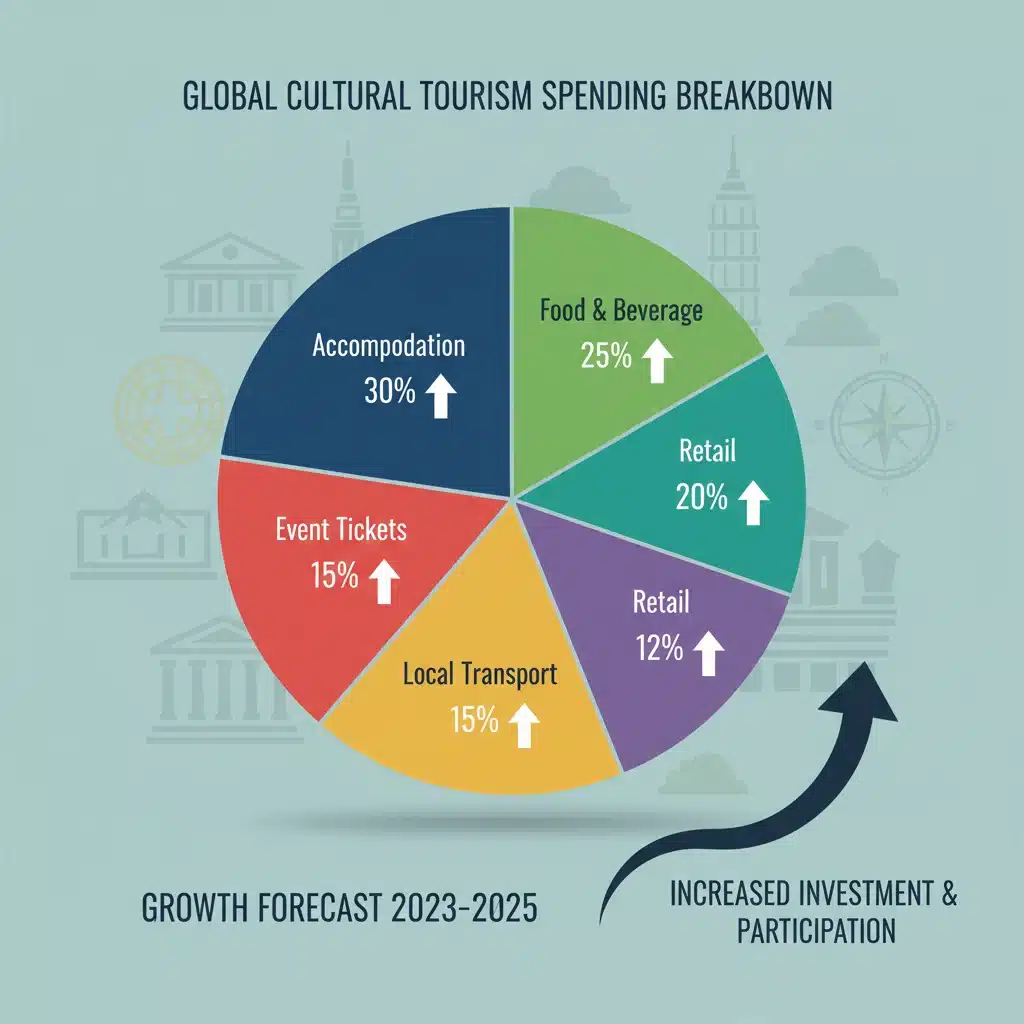
At its core, cultural tourism spending refers to the total financial outlay by tourists whose primary motivation for travel is to experience the cultural assets of a destination. This spending is multi-faceted, covering a wide array of goods and services that directly benefit local businesses and residents. It includes, but is not limited to, accommodation, food and beverages, transportation, entrance fees to cultural sites, purchases of local crafts and souvenirs, and participation in cultural workshops or events.
Anúncios
National events act as powerful catalysts, concentrating cultural interest and tourist flow into specific periods and locations. Think of the Edinburgh Fringe Festival, Carnival in Rio de Janeiro, or Oktoberfest in Munich. These aren’t just local celebrations; they are global spectacles that draw millions, each contributing significantly to the local economy through their spending. The average 20% annual boost isn’t a mere statistic; it represents tangible growth, job creation, and enhanced community well-being.
Direct and Indirect Economic Impacts
The financial impact of cultural tourism spending can be categorized into direct, indirect, and induced effects, each playing a crucial role in economic upliftment:
- Direct Impact: This is the immediate spending by tourists. When a visitor buys a ticket to a concert, stays in a local hotel, dines at a restaurant, or purchases a handmade souvenir, that money directly enters the local economy. This direct injection supports businesses, pays wages, and generates profits.
- Indirect Impact: This refers to the secondary spending that occurs as a result of the direct spending. For example, the restaurant that received tourist money then purchases ingredients from local farmers or hires more staff. The hotel buys linens from a local supplier or invests in maintenance services. These transactions create a chain reaction of economic activity throughout the local supply chain.
- Induced Impact: This is the broadest effect, stemming from the spending of wages earned by those directly and indirectly employed by the tourism sector. When hotel staff, restaurant workers, or artisans spend their income on housing, groceries, or entertainment within the local community, they further stimulate the economy. This cyclical spending reinforces economic growth and creates a multiplier effect.
Understanding these layers of impact is crucial for policymakers and event organizers to fully appreciate the value of investing in cultural events and promoting cultural tourism.
National Events: Magnets for Cultural Tourism Spending
National events are uniquely positioned to maximize cultural tourism spending due to several factors:
- High Visibility and Marketing Reach: National events often receive extensive media coverage and marketing, both domestically and internationally. This elevated visibility draws a larger and more diverse audience than smaller, localized events.
- Extended Stay Durations: Tourists traveling for national events often plan longer stays to fully immerse themselves in the festivities and explore surrounding attractions. Longer stays translate directly into increased spending on accommodation, food, and other services.
- Diverse Appeal: Many national events offer a wide range of activities and attractions, appealing to various interests and demographics. This broad appeal ensures a larger influx of visitors, from families to solo travelers, each with their own spending patterns.
- Prestige and Authenticity: National events often carry a sense of prestige and authenticity, being deeply rooted in the nation’s history, traditions, or artistic achievements. This draws cultural connoisseurs and those seeking genuine, immersive experiences.
- Infrastructure Development: To host national events, cities often invest in significant infrastructure upgrades, including transportation, hotels, and cultural venues. These improvements not only enhance the visitor experience but also leave a lasting legacy for residents and future tourism.
Case Studies: Evidence of Economic Boost
Numerous examples worldwide underscore the powerful economic boost generated by national cultural events. Consider the Olympic Games, while primarily a sporting event, they are accompanied by significant cultural programming that draws substantial cultural tourism spending. Beyond such mega-events, more focused cultural festivals also yield impressive results.
For instance, the annual Carnival in Venice, Italy, transforms the city into a global stage for elaborate masks, costumes, and historical reenactments. The event attracts hundreds of thousands of visitors, leading to fully booked accommodations, packed restaurants, and a surge in sales for local artisans specializing in masks and traditional attire. The economic impact is consistently in the hundreds of millions of euros annually, significantly contributing to the city’s GDP.
Similarly, the Smithsonian Folklife Festival in Washington D.C., a free event celebrating diverse cultural traditions, still generates substantial economic activity. Visitors spend on transport, food, accommodation, and purchases from the featured artisans and food vendors. While direct ticket sales aren’t a factor, the sheer volume of visitors and their ancillary spending create a powerful economic engine for the region.
Strategies for Maximizing Cultural Tourism Spending and Local Economic Benefits
While national events inherently attract significant cultural tourism spending, strategic planning and execution can further amplify their economic benefits. Here are key strategies:
1. Enhance Local Business Integration
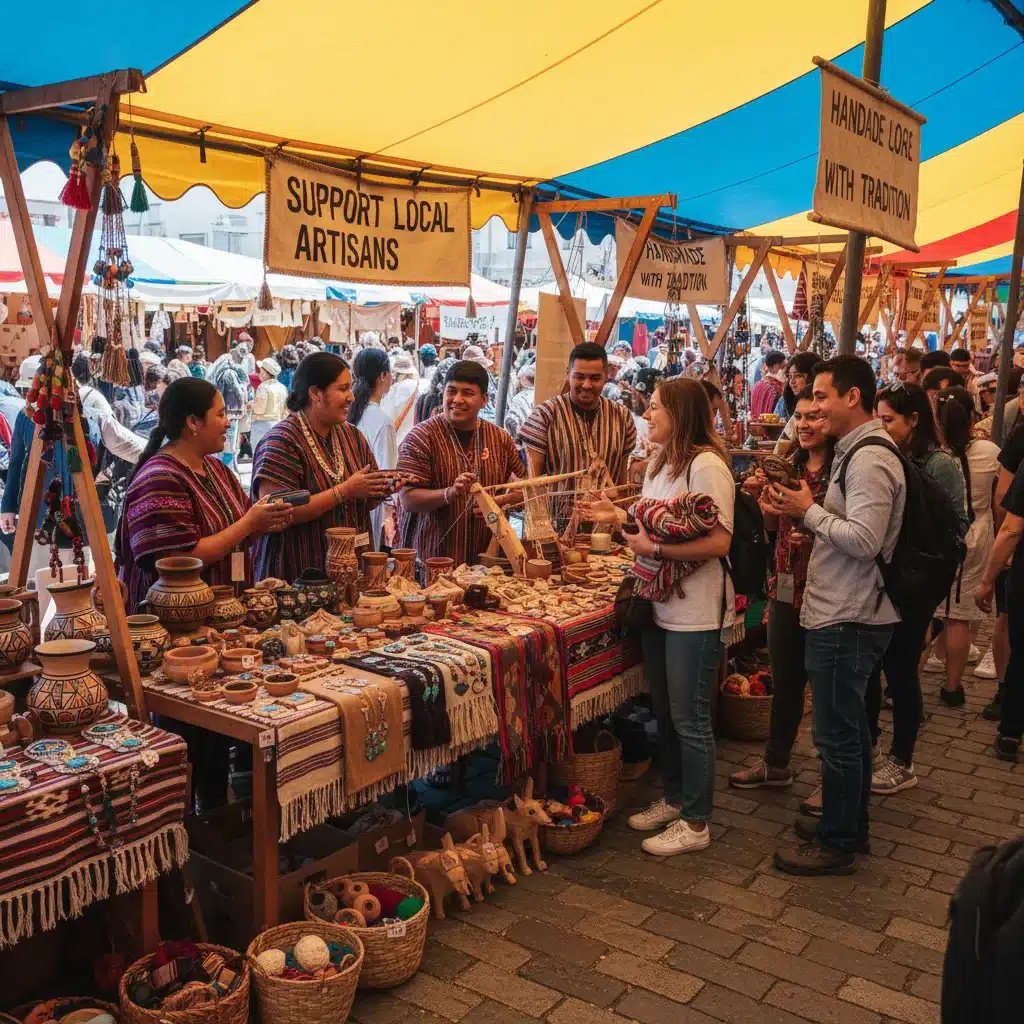
Encourage and facilitate the participation of local businesses in the event. This includes local food vendors, artisans, performers, and service providers. Create platforms for them to showcase their products and services to tourists. Partnerships with local chambers of commerce and business associations can streamline this process.
2. Promote Extended Stays and Regional Exploration
Develop itineraries and packages that encourage visitors to extend their stay beyond the event duration and explore other attractions in the region. Highlight nearby cultural sites, natural wonders, and unique local experiences. Collaboration with regional tourism boards is essential for this.
3. Invest in Infrastructure and Accessibility
Ensure that the host city has adequate infrastructure to handle the influx of tourists, including transportation networks, accommodation options, and public facilities. Accessibility for all visitors, including those with disabilities, should be a priority. Investing in sustainable infrastructure also leaves a positive legacy.
4. Foster Community Engagement and Ownership
Involve local communities in the planning and execution of events. When residents feel a sense of ownership, they are more likely to support and contribute to the event’s success. This also ensures that the cultural representation is authentic and respectful of local traditions. Volunteer programs can be a great way to achieve this.
5. Develop Unique and Authentic Experiences
Cultural tourists seek authentic and immersive experiences. Focus on offering unique cultural interactions, workshops, and performances that cannot be found elsewhere. This differentiation encourages higher spending and creates lasting memories, fostering repeat visits and positive word-of-mouth.
6. Leverage Technology for Marketing and Engagement
Utilize digital platforms, social media, and mobile apps to promote the event, offer ticketing solutions, and provide real-time information to visitors. Digital marketing can reach a global audience, while in-app features can enhance the visitor experience and encourage spending on various local offerings.
7. Implement Sustainable Tourism Practices
Ensure that the economic benefits of cultural tourism are balanced with environmental and social sustainability. Minimize the ecological footprint of events, support ethical local businesses, and preserve cultural heritage. Sustainable practices not only protect the destination but also appeal to a growing segment of environmentally and socially conscious travelers.
The Broader Societal Benefits Beyond Financial Gain
While the focus on cultural tourism spending is primarily economic, the benefits of national cultural events extend far beyond financial metrics. These events play a crucial role in:
- Cultural Preservation and Promotion: National events often serve as platforms for showcasing and preserving traditional arts, crafts, music, dance, and storytelling. They provide opportunities for cultural exchange and ensure the continuity of heritage.
- Community Pride and Identity: Hosting a successful national event can instill a strong sense of pride and collective identity among local residents. It highlights their unique culture and positions their community on a national and international stage.
- Job Creation and Skill Development: Beyond direct and indirect jobs, events often require specialized skills in event management, logistics, marketing, and hospitality. This can lead to skill development opportunities for locals, creating a more capable workforce.
- Infrastructure Improvement: As mentioned, cities often upgrade their infrastructure to host events. These improvements, such as enhanced public transport, renovated cultural venues, and better public spaces, benefit residents long after the tourists have left.
- Cross-Cultural Understanding: By bringing together people from different backgrounds, national cultural events foster greater understanding, tolerance, and appreciation for diverse cultures. This contributes to a more harmonious global society.
- Brand Building for the Destination: A successful national cultural event can significantly enhance a city or region’s reputation as a vibrant, culturally rich destination. This brand building attracts future tourists, investors, and residents.
Challenges and Considerations
Despite the immense benefits, managing cultural tourism spending and national events also comes with challenges. Over-tourism can strain local resources, inflate prices for residents, and dilute the authenticity of cultural experiences. It’s crucial for destinations to implement careful planning and management strategies to mitigate these negative impacts.
Balancing Authenticity with Commercialization: There’s a delicate balance between leveraging cultural assets for economic gain and preserving their authenticity. Over-commercialization can lead to ‘staged’ or inauthentic experiences that detract from the true value of cultural tourism.
Environmental Impact: Large influxes of visitors can place a strain on local ecosystems. Sustainable event planning, waste management, and promoting eco-friendly transportation are vital to minimize environmental damage.
Community Displacement and Gentrification: Increased tourism can sometimes lead to rising property values and rental costs, potentially displacing long-term residents and local businesses. Inclusive urban planning and policies to protect local communities are essential.
Seasonal Dependence: Many cultural events are seasonal, leading to boom-and-bust cycles for local economies. Strategies to diversify tourism offerings and extend the tourism season can help create more stable economic benefits.
The Future of Cultural Tourism and Economic Development
The future of cultural tourism spending looks promising, especially with the growing desire for authentic and meaningful travel experiences. As technology advances, virtual and augmented reality could offer new ways to engage with cultural heritage, potentially broadening access and interest in physical travel. Moreover, the increasing focus on sustainability and responsible tourism will shape how events are planned and managed, ensuring that economic benefits are achieved without compromising cultural integrity or environmental health.
Governments, local authorities, and cultural organizations are increasingly recognizing the strategic importance of investing in national cultural events. These investments are not merely expenditures; they are catalysts for economic growth, community development, and the preservation of invaluable cultural heritage. By understanding the dynamics of cultural tourism spending and implementing thoughtful strategies, communities can harness the full potential of their cultural assets to create thriving, resilient local economies.
The average 20% annual boost in local economies due to national cultural events is a testament to their power. This growth is not just about numbers; it’s about vibrant communities, thriving local businesses, and a global appreciation for the rich tapestry of human culture. As we move forward, fostering and supporting these events will be key to unlocking continued prosperity and cultural enrichment worldwide.
Conclusion: A Powerful Catalyst for Local Prosperity
In summation, national cultural events serve as indispensable engines for economic growth, significantly boosting cultural tourism spending and, consequently, local economies. The average 20% annual increase in economic activity is a clear indicator of their profound financial impact, extending far beyond the immediate event period through direct, indirect, and induced spending. These events not only inject capital into local businesses but also foster job creation, enhance infrastructure, and cultivate a strong sense of community pride and identity.
However, realizing these benefits sustainably requires careful planning, community involvement, and a commitment to preserving the authenticity of cultural heritage. By integrating local businesses, promoting extended stays, and leveraging technology, destinations can maximize the economic returns while mitigating potential challenges like over-tourism and environmental strain. The strategic investment in cultural events is, therefore, an investment in a vibrant, prosperous, and culturally rich future for communities worldwide. It’s a powerful demonstration of how celebrating our shared heritage can lead to tangible economic success and foster a more connected global society.