
Credit Score Optimization 2026: Proven Methods to Increase Your Score by 50 Points in 90 Days
In today’s financial landscape, a strong credit score is more than just a number; it’s a gateway to better interest rates, favorable loan terms, and increased financial opportunities. Whether you’re looking to buy a home, finance a car, or even rent an apartment, your credit score plays a pivotal role. The good news? Achieving significant credit score optimization is well within reach, even if you’re starting from a lower point. This comprehensive guide will walk you through proven methods to boost your credit score by 50 points or more in just 90 days, setting you up for financial success in 2026 and beyond.
Anúncios
Many people believe that improving their credit score is a long, arduous process, or that it requires complex financial maneuvers. While patience is certainly a virtue in credit building, strategic actions can yield surprisingly rapid results. Our focus here is on actionable, short-term strategies that can make a substantial difference in a relatively short period. We’ll delve into understanding what influences your score, how to identify and rectify common issues, and proactive steps you can take to see a noticeable improvement.
The journey to excellent credit begins with understanding the foundations of credit scoring. Your FICO score, the most widely used credit scoring model, is calculated based on five key factors: payment history (35%), amounts owed (30%), length of credit history (15%), new credit (10%), and credit mix (10%). By targeting these specific areas with intentional strategies, you can orchestrate a significant upward shift in your credit profile. This article is your roadmap to mastering credit score optimization for impactful gains.
Anúncios
Understanding Your Current Credit Score and Report
Before you can begin your credit score optimization journey, you need to know where you stand. The first critical step is to obtain and thoroughly review your credit reports from all three major credit bureaus: Experian, Equifax, and TransUnion. You are entitled to a free copy of your credit report from each bureau once every 12 months via AnnualCreditReport.com.
Why Reviewing Your Credit Report is Crucial for Credit Score Optimization
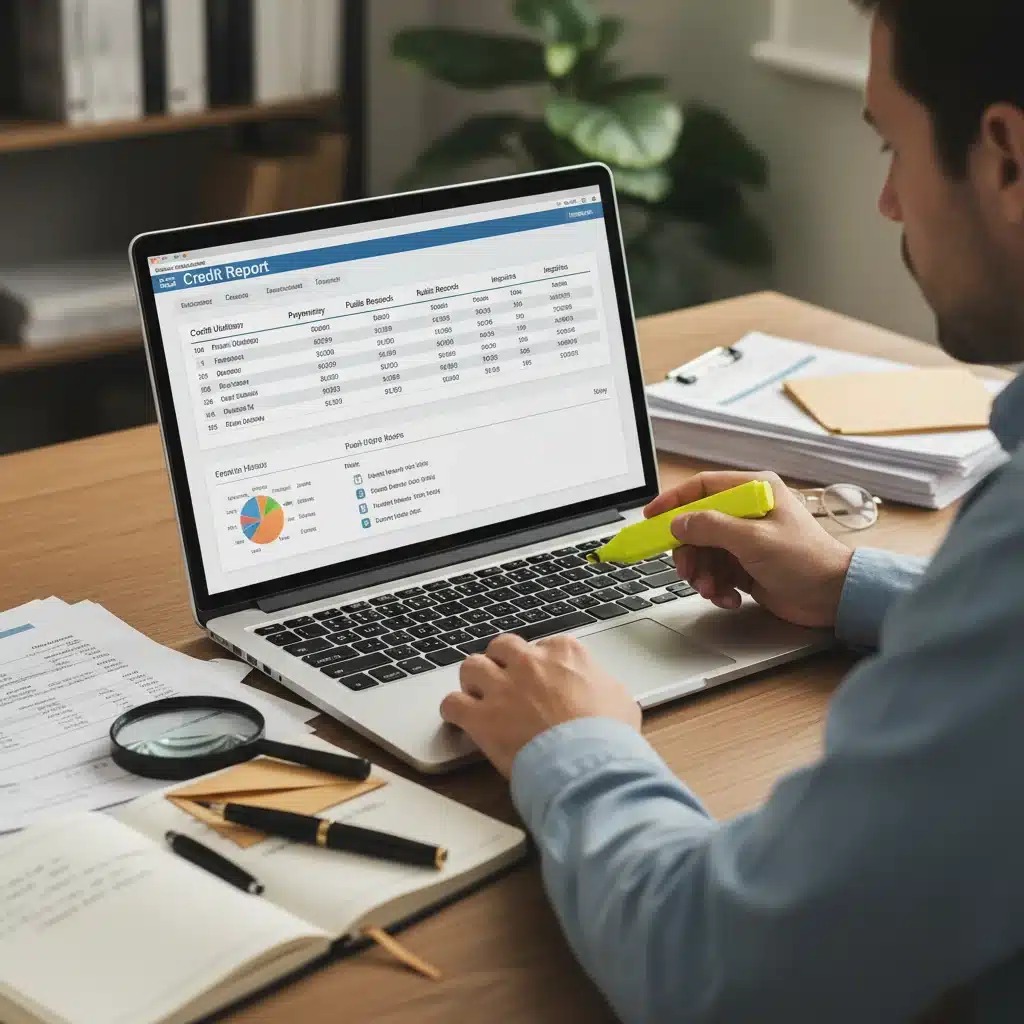
Your credit report is a detailed history of your borrowing and repayment activities. It contains information about your credit accounts, payment history, public records (like bankruptcies), and inquiries. Reviewing it is crucial for several reasons:
- Identify Errors: Studies show that a significant percentage of credit reports contain errors. These inaccuracies, such as incorrect payment statuses, wrong account balances, or even accounts that don’t belong to you, can unfairly drag down your score. Finding and disputing these errors is one of the fastest ways to achieve credit score optimization.
- Understand Your Credit Profile: It gives you a clear picture of your credit utilization, the types of credit you have, and the age of your accounts. This understanding is vital for formulating an effective strategy.
- Spot Fraudulent Activity: Regularly checking your report helps you detect identity theft or fraudulent accounts opened in your name, which can severely damage your credit.
Pay close attention to every detail: account numbers, balances, payment history, and dates. Any discrepancy, no matter how small it seems, could be impacting your score. This initial audit is the bedrock of effective credit score optimization.
Phase 1: Immediate Impact Strategies (Days 1-30)
The first month of your 90-day plan is dedicated to making immediate, high-impact changes that can quickly boost your score. These strategies primarily focus on your payment history and amounts owed, which collectively account for 65% of your FICO score.
1. Dispute Errors on Your Credit Report
As mentioned, errors are common and can significantly depress your score. Once you’ve identified any inaccuracies, begin the dispute process immediately. You can dispute errors directly with the credit bureaus online, by mail, or by phone. Provide as much supporting documentation as possible. By law, credit bureaus must investigate your dispute within 30 days (or 45 days in some cases) and correct any verified errors. Successfully removing negative items like late payments or collections can provide an instant lift to your credit score.
2. Pay Down High-Interest Credit Card Balances
Your credit utilization ratio (CUR) is the amount of credit you’re using compared to your total available credit. A high CUR (generally above 30%) signals to lenders that you might be over-reliant on credit, which can negatively impact your score. Focus on paying down your credit card balances, especially those with the highest utilization. Aim to get your CUR below 30%, or even better, below 10% for optimal credit score optimization.
- The Avalanche Method: Pay off the card with the highest interest rate first, while making minimum payments on others. Once that card is clear, move to the next highest interest rate.
- The Snowball Method: Pay off the smallest balance first to gain momentum, then apply that freed-up payment to the next smallest balance.
Reducing your balances can provide a quick boost to your score as credit card issuers report new balances to the bureaus monthly.
3. Make All Payments On Time, Every Time
Payment history is the most significant factor in your credit score. A single late payment can drop your score by tens of points. For the next 90 days and beyond, commit to making all your payments on time. Set up automatic payments, calendar reminders, or payment alerts to ensure you never miss a due date. If you’ve recently missed a payment (within 30 days), contact the creditor immediately and pay it. Sometimes, if it’s your first time, they might not report it to the credit bureaus. Consistent on-time payments are fundamental to long-term credit score optimization.
Phase 2: Sustained Growth Strategies (Days 31-60)
During the second month, you’ll build upon the immediate changes and implement strategies that foster sustained growth and demonstrate responsible credit management. These actions contribute to the ‘amounts owed’ and ‘length of credit history’ components.
4. Become an Authorized User (If Applicable)
If you have a trusted family member or friend with an excellent credit history and a long-standing credit card account, you could ask to be added as an authorized user. When you’re added, their positive payment history and low credit utilization can reflect on your credit report, potentially giving your score a significant boost. However, choose wisely, as their negative actions could also impact you. This is a powerful, yet often overlooked, strategy for rapid credit score optimization.
5. Open a Secured Credit Card or Credit Builder Loan
If you have a limited credit history or a history of past credit challenges, a secured credit card or a credit builder loan can be excellent tools. A secured credit card requires a cash deposit that becomes your credit limit. It works like a regular credit card, but your deposit secures the line of credit. A credit builder loan involves a small loan that is held in a savings account while you make payments. Once the loan is paid off, you receive the money. Both options help you build positive payment history without significant risk to the lender, directly contributing to your credit score optimization goals.
6. Keep Old Accounts Open (Even if Unused)
The length of your credit history contributes 15% to your FICO score. Keeping older accounts open, even if you don’t use them regularly, helps maintain a longer average age of accounts. Closing an old account, especially one with a good payment history, can shorten your credit history and potentially increase your credit utilization ratio if it was a credit card. Resist the urge to close accounts once they are paid off, as they are valuable assets in your credit score optimization strategy.
Phase 3: Long-Term Horizon and Monitoring (Days 61-90)
The final month consolidates your efforts and focuses on establishing habits for long-term credit health, while also monitoring the progress of your initial actions. By this point, you should start seeing the fruits of your labor.
7. Strategically Apply for New Credit (If Necessary)
New credit accounts for 10% of your score. While it might seem counterintuitive, opening new credit can sometimes be beneficial, especially if it diversifies your credit mix (e.g., adding an installment loan if you only have revolving credit). However, apply for new credit sparingly and only when necessary. Each application results in a ‘hard inquiry’ on your report, which can slightly lower your score for a few months. Group your applications if you need multiple new accounts (e.g., for a mortgage or car loan) to minimize the impact of multiple inquiries.
8. Monitor Your Credit Regularly
By day 90, you should have a good rhythm for managing your credit. Continue to monitor your credit reports regularly (at least annually from each bureau) and consider using free credit monitoring services provided by many banks or credit card companies. These alerts can notify you of significant changes, potential fraud, or new inquiries, allowing you to stay on top of your credit score optimization efforts.
9. Understand the Impact of Public Records and Collections
Public records (like bankruptcies or tax liens) and collection accounts can severely damage your credit. While these items can take years to fall off your report, addressing them proactively can still help. If you have accounts in collections, consider negotiating a ‘pay-for-delete’ agreement, where the collection agency agrees to remove the item from your report in exchange for payment. Always get such agreements in writing. While not guaranteed, successfully removing collections can significantly aid your credit score optimization.
Advanced Credit Score Optimization Techniques for 2026
Beyond the fundamental steps, there are several advanced strategies and considerations that can further enhance your credit score optimization efforts in 2026.
Utilizing Experian Boost and UltraFICO
In recent years, credit bureaus have introduced new tools to help consumers with thin credit files or those needing a boost. Experian Boost allows you to add positive payment history from utility bills, phone bills, and streaming services to your Experian credit report. This can instantly increase your FICO score. Similarly, UltraFICO considers your banking history, such as how long your bank accounts have been open, your average balance, and overdraft activity. While not as widely adopted as Experian Boost, it’s another avenue for demonstrating financial responsibility beyond traditional credit accounts. These innovative tools are game-changers for focused credit score optimization.
The Power of Credit Mix
While only 10% of your score, a healthy credit mix demonstrates your ability to manage different types of credit responsibly. This typically includes a combination of revolving credit (like credit cards) and installment credit (like a car loan or personal loan). If you only have one type, strategically adding the other, especially a small, manageable installment loan, can positively impact your score over time. However, never take on debt you don’t need just to improve your credit mix. The goal is always responsible management, which is key to effective credit score optimization.
Negotiating with Creditors for Debt Settlement
If you’re burdened by significant debt, especially on credit cards, negotiating with creditors for a debt settlement can be an option. While a settled account might be noted on your credit report, it’s generally viewed more favorably than an account that goes to collections or is charged off. Be cautious, though, as debt settlement can have tax implications and might negatively impact your score initially. It’s a complex strategy that should be approached with careful consideration and perhaps professional advice, but it can be a path towards long-term credit score optimization.
Common Pitfalls to Avoid During Credit Score Optimization
While striving for credit score optimization, it’s equally important to be aware of common mistakes that can derail your progress.
- Closing Old Credit Accounts: As discussed, this can shorten your credit history and increase your credit utilization.
- Applying for Too Much New Credit: Multiple hard inquiries in a short period can lower your score, making you appear desperate for credit.
- Ignoring Small Balances: Even a small balance can accrue interest and become a missed payment if forgotten, impacting your payment history.
- Falling for ‘Credit Repair Scams’: Be wary of companies promising to instantly remove negative but accurate information from your credit report. They often charge high fees for services you can do yourself or make false promises.
- Not Checking All Three Reports: Each bureau might have slightly different information. You need to review all three to ensure comprehensive error detection and credit score optimization.
The Role of Financial Planning in Sustainable Credit Score Optimization
While the 90-day plan provides a rapid boost, true credit score optimization is a continuous process rooted in sound financial planning. Here’s how to ensure your efforts lead to lasting success:
Budgeting and Saving
A well-structured budget is the cornerstone of financial health. It helps you track your income and expenses, identify areas for savings, and ensure you have enough funds to meet your payment obligations. Building an emergency fund, even a small one, can prevent you from relying on credit cards during unexpected financial setbacks, thus protecting your credit score.
Debt Management Plan
Beyond paying down high-interest debt, having a long-term debt management plan is crucial. This might involve consolidating high-interest debt into a lower-interest personal loan or developing a structured repayment schedule. The goal is to systematically reduce your overall debt burden, which directly impacts your credit utilization and overall financial stability.
Financial Literacy and Education
Continuously educating yourself about personal finance, credit, and investing empowers you to make informed decisions. Understanding how different financial actions impact your credit score allows you to proactively protect and improve it. Resources are abundant, from online courses to financial advisors, all contributing to your ongoing credit score optimization journey.

Measuring Your Progress and Staying Motivated
Seeing your credit score improve is incredibly motivating. Many credit card companies and banks now offer free access to your FICO score or a similar credit score model. Utilize these tools to track your progress throughout the 90 days. Celebrate small victories, like a 10-point jump, and use them as fuel to continue your efforts. Remember, credit score optimization is a marathon, not a sprint, but significant gains can be achieved quickly with the right strategies.
Keep a record of the actions you take: when you disputed an error, when you paid down a balance, or when a new payment was reported. This not only helps you stay organized but also provides a tangible representation of your efforts and their impact on your score.
The Future of Credit Scoring: What to Expect in 2026 and Beyond
The credit scoring landscape is constantly evolving. In 2026, we can anticipate continued emphasis on alternative data sources, such as rent payments, utility bills, and even banking behavior, becoming more integral to credit assessments. This shift aims to make credit more accessible to individuals with limited traditional credit histories.
Furthermore, expect greater transparency in credit scoring models and increased availability of tools that empower consumers to understand and improve their scores. Staying informed about these developments will be crucial for maintaining optimal credit score optimization in the years to come.
The core principles of responsible credit management – paying on time, keeping utilization low, and maintaining a healthy credit mix – will always remain paramount. However, leveraging new technologies and understanding evolving criteria will give you an edge in navigating the future of personal finance.
Conclusion: Your Path to Enhanced Credit Score Optimization
Achieving a 50-point increase in your credit score within 90 days is an ambitious yet entirely attainable goal with focused effort and strategic action. By diligently following the steps outlined in this guide – from meticulous credit report review and error disputes to strategic debt reduction and consistent on-time payments – you can significantly improve your financial standing.
Remember, credit score optimization is an ongoing process that requires discipline and commitment. The habits you build over these 90 days will serve as a strong foundation for a lifetime of financial health. Take control of your credit today, and unlock a future filled with greater financial freedom and opportunity. Your journey to a higher credit score in 2026 starts now.