Energy Prices 2026: Comprehensive Forecast & Market Analysis

Anúncios
Energy Prices 2026: A Comprehensive Economic Forecast for the Next 12 Months
Anúncios
As we navigate the complexities of the 21st century, understanding the trajectory of energy prices 2026 is paramount for businesses, policymakers, and consumers alike. The global energy landscape is a dynamic tapestry woven with geopolitical tensions, technological advancements, environmental imperatives, and shifting demand patterns. Predicting future energy costs requires a meticulous examination of these intertwined forces. This comprehensive forecast aims to dissect the factors that will likely shape energy prices 2026, offering insights into what to expect in the coming year.
Anúncios
The year 2026 stands at a pivotal juncture. While the immediate aftermath of recent global disruptions might have settled, their long-term implications continue to ripple through energy markets. The push for decarbonization is accelerating, but reliance on traditional fossil fuels remains significant. This duality creates a volatile environment where prices can swing dramatically based on supply-demand imbalances, unexpected events, and policy shifts. Our analysis will delve into various energy sources, from crude oil and natural gas to renewables, providing a holistic view of the anticipated market conditions for energy prices 2026.
The Global Economic Backdrop: Influencing Factors on Energy Prices 2026
The global economic outlook plays a foundational role in determining energy prices 2026. Economic growth directly correlates with energy demand; a booming global economy typically translates to higher consumption of oil, gas, and electricity, thereby pushing prices upwards. Conversely, a slowdown or recession can dampen demand, leading to price declines. Several key economic indicators will be crucial to monitor:
- Global GDP Growth: Forecasts for 2026 suggest a moderate, albeit potentially uneven, global economic expansion. Major economies like the United States, China, and the Eurozone will be critical drivers. China’s industrial output and infrastructure development, in particular, will significantly influence global demand for raw materials and energy.
- Inflationary Pressures and Interest Rates: Persistent inflation could lead central banks to maintain higher interest rates, potentially slowing economic activity and thus energy demand. However, inflation also increases the cost of energy production and infrastructure development, which can put upward pressure on prices. The interplay between these forces will be delicate.
- Supply Chain Resilience: The robustness of global supply chains, particularly for industrial components and energy infrastructure, will impact production costs and the ability to meet demand. Continued disruptions could lead to localized or broader energy price spikes.
- Consumer Spending and Industrial Activity: The strength of consumer spending, especially in developed nations, influences transport fuel demand. Industrial activity, encompassing manufacturing and construction, directly drives demand for natural gas and electricity.
Understanding these macroeconomic currents is the first step in forecasting energy prices 2026. A robust global economy would likely see sustained or increased energy demand, while any significant downturn could trigger a contraction.
Crude Oil: The Perennial Market Mover for Energy Prices 2026
Crude oil remains the most significant commodity influencing overall energy prices 2026. Its volatility is legendary, driven by a complex interplay of supply, demand, and geopolitical factors. For 2026, several key dynamics will shape oil prices:
OPEC+ Production Decisions
The Organization of the Petroleum Exporting Countries and its allies (OPEC+) will continue to wield considerable influence. Their production quotas and adherence to them will be critical. Any decisions to increase or decrease output, often driven by market conditions or internal political considerations, can send immediate shockwaves through the market. The group’s ability to maintain cohesion and enforce quotas will be a key determinant of supply stability and, consequently, energy prices 2026 for crude.
Geopolitical Risks and Supply Disruptions
Geopolitical hotspots, particularly in the Middle East and Eastern Europe, pose significant risks to oil supply. Conflicts, sanctions, or political instability in major oil-producing regions can lead to immediate supply outages or fears of future disruptions, causing prices to surge. The Strait of Hormuz, a critical chokepoint for oil shipments, remains a constant concern. Monitoring these developments will be crucial for anticipating shifts in energy prices 2026.
Non-OPEC Supply Growth
The growth of non-OPEC supply, particularly from the United States (shale oil), Brazil, Canada, and Guyana, will provide a counterbalancing force. While shale oil production has shown resilience, its growth rate can be sensitive to prevailing oil prices and investment levels. Any significant slowdown in non-OPEC output could tighten markets. Technological advancements in extraction and exploration will also play a role in determining the cost-effectiveness and volume of this supply.
Global Demand Trends
Demand for crude oil in 2026 will largely depend on global economic growth, as discussed earlier. Additionally, the pace of electric vehicle (EV) adoption and improvements in fuel efficiency will gradually erode demand, especially in the long term. However, for 2026, air travel and petrochemicals are expected to remain strong demand drivers. The resurgence of travel post-pandemic will continue to be a significant factor.
Overall, analysts anticipate a potentially balanced but susceptible market for crude oil in 2026. Prices could range from moderate to high, with significant upward pressure possible in the event of major supply disruptions or unexpectedly strong global economic growth. The average price for Brent crude could hover in the $80-$100 per barrel range, with WTI following closely, but extreme events could push prices beyond these figures.
Natural Gas: A Bridge Fuel in Transition and its Impact on Energy Prices 2026
Natural gas is increasingly seen as a crucial bridge fuel in the transition away from more carbon-intensive sources, yet its market is undergoing profound structural changes that will influence energy prices 2026. The European energy crisis highlighted the vulnerabilities of relying on concentrated supply sources and the importance of global LNG markets.
Liquefied Natural Gas (LNG) Expansion
The global LNG market is experiencing significant expansion, with new liquefaction and regasification terminals coming online. This increased capacity will enhance flexibility and allow gas to flow more easily between continents, potentially moderating regional price disparities. However, the construction and commissioning of these projects can face delays, impacting the anticipated supply increase for energy prices 2026.
European Demand and Supply Diversification
Europe’s efforts to reduce reliance on Russian pipeline gas will continue to shape global LNG demand. New long-term contracts and infrastructure investments aimed at diversifying supply sources will be key. While storage levels may be robust entering 2026, a severe winter or unexpected supply outages could quickly deplete reserves and drive prices up.
Asian Demand Growth
Asia, particularly China and India, will remain a significant driver of LNG demand as these nations seek to improve air quality and meet growing energy needs while transitioning away from coal. Competition between Europe and Asia for available LNG cargoes will be a critical factor in determining global natural gas prices for energy prices 2026.
Domestic Production in Key Regions
Domestic natural gas production in the United States (shale gas), Australia, and other regions will provide a baseline supply. However, regulatory pressures, environmental concerns, and investment cycles can affect production volumes. The cost of carbon emissions and methane leakage regulations could also impact the economic viability of certain projects.
Natural gas prices in 2026 are expected to remain elevated compared to pre-2021 levels, primarily due to increased global competition for LNG and the ongoing geopolitical landscape. While new supply coming online might offer some relief, price volatility will likely persist, especially during peak demand seasons or in response to unexpected supply disruptions. Regional disparities will still be present, but the globalized LNG market will ensure greater interconnectedness of prices.
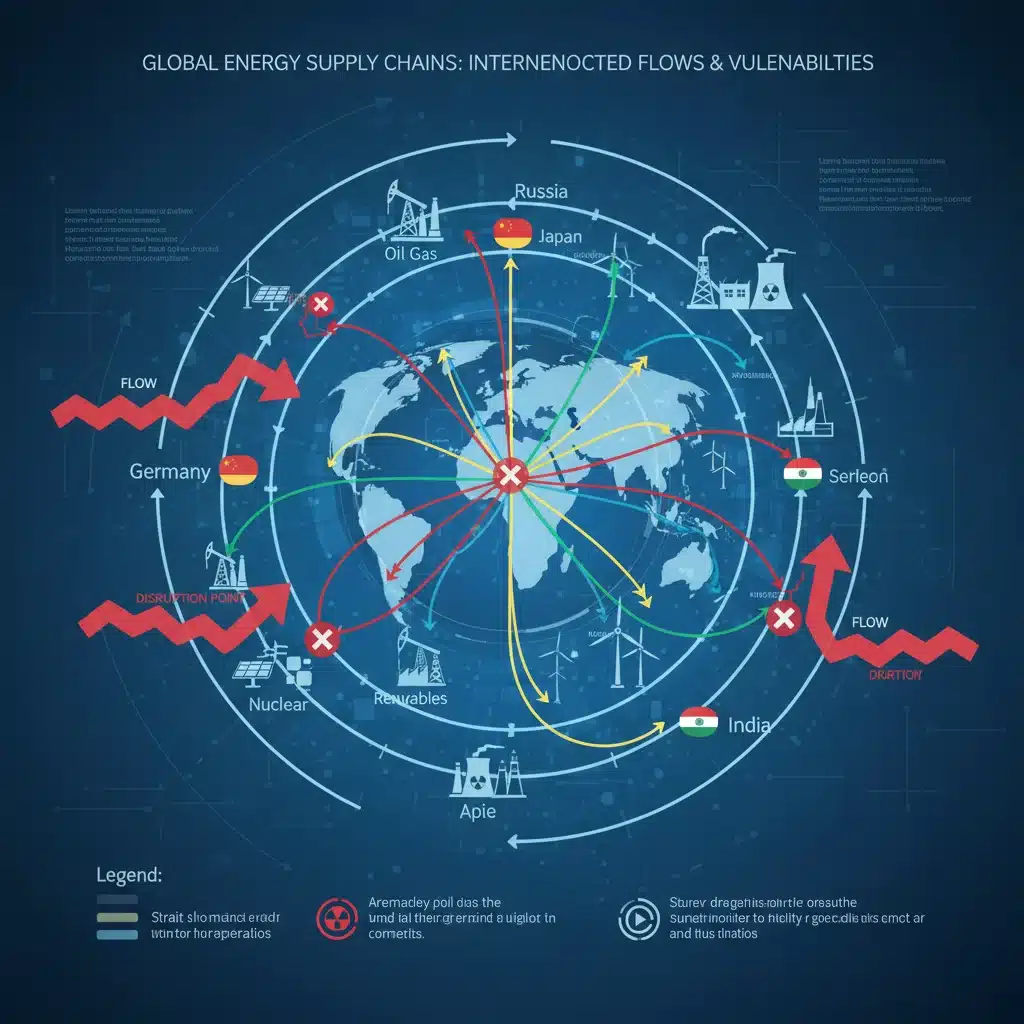
Renewable Energy and Electricity Markets: A Growing Influence on Energy Prices 2026
The accelerating transition to renewable energy sources is fundamentally reshaping electricity markets and will increasingly influence overall energy prices 2026. While renewables offer long-term price stability due to zero fuel costs, their integration presents challenges and opportunities.
Continued Growth in Solar and Wind Power
Investments in solar photovoltaic (PV) and wind power capacity are expected to continue their rapid expansion globally. Declining technology costs, supportive government policies (e.g., subsidies, tax credits), and corporate sustainability targets are driving this growth. As more renewables come online, they will displace fossil fuel-fired generation, particularly during periods of high sun and wind, potentially lowering wholesale electricity prices.
Grid Modernization and Storage Solutions
The intermittency of solar and wind power necessitates significant investments in grid modernization and energy storage solutions (e.g., battery storage, pumped hydro). The pace and scale of these investments will determine the reliability and stability of electricity grids. Delays in grid upgrades or insufficient storage capacity could lead to localized price spikes or curtailment of renewable generation, impacting the overall cost of electricity.
Impact of Carbon Pricing and Regulations
Many jurisdictions are implementing or strengthening carbon pricing mechanisms (e.g., carbon taxes, emissions trading schemes) and stricter environmental regulations. These policies increase the operational costs of fossil fuel power plants, making renewables more competitive and further influencing electricity energy prices 2026. The European Union’s Emissions Trading System (EU ETS) will continue to be a significant factor in European electricity markets.
Critical Minerals and Supply Chains for Renewables
The rapid expansion of renewable energy technologies and battery storage increases demand for critical minerals such as lithium, cobalt, nickel, and rare earth elements. Supply chain vulnerabilities, geopolitical competition for these resources, and ethical sourcing concerns could lead to price volatility for these minerals, potentially impacting the cost of renewable energy projects and, indirectly, electricity prices.
In 2026, electricity prices will likely exhibit a bifurcated trend. Wholesale prices, particularly in regions with high renewable penetration, could see downward pressure during periods of abundant renewable generation. However, the costs associated with grid upgrades, energy storage, and backup fossil fuel capacity (for reliability) will still contribute to overall retail electricity prices. Consumers may see a mix of stable or slightly increasing retail costs as the transition progresses, with significant regional variations.
Coal: A Fading but Persistent Player in Energy Prices 2026
Despite global efforts to phase out coal, it remains a significant energy source, particularly in developing economies. Its role in shaping energy prices 2026 will be more localized but still impactful.
Asian Demand and Production
China and India continue to be the largest consumers and producers of coal. Their domestic policies regarding coal-fired power generation, coupled with their economic growth, will largely determine global coal prices. While both nations are investing heavily in renewables, coal still provides baseline power and industrial heat.
European Phase-Out and Import Needs
European nations are largely committed to phasing out coal power. However, in times of natural gas scarcity or high prices, some countries might temporarily increase coal-fired generation as a backup, creating short-term demand spikes. This dynamic, while less dominant than in previous years, can still influence regional energy prices 2026 for coal.
Logistics and Environmental Regulations
The cost of transporting coal and increasingly stringent environmental regulations (e.g., carbon capture requirements, emissions limits) will add to its overall cost. These factors will continue to erode coal’s competitiveness against natural gas and renewables in many markets.
Coal prices in 2026 are expected to remain relatively stable or see a gradual decline as global demand slowly diminishes. However, regional spikes are possible due to supply chain issues, extreme weather events affecting mining or transport, or geopolitical shifts that temporarily boost demand for cheaper alternatives to gas.
Geopolitical Landscape: An Ever-Present Risk to Energy Prices 2026
Geopolitics is arguably the most unpredictable yet impactful factor influencing energy prices 2026. The interconnectedness of global energy markets means that conflicts or political instability in one region can have far-reaching consequences.
Ongoing Conflicts and Tensions
The conflict in Ukraine continues to reshape global energy flows, particularly for natural gas and oil. Any escalation or de-escalation could significantly impact supply and demand dynamics. Tensions in the Middle East, particularly involving major oil producers, always carry the risk of supply disruptions. These situations contribute to a ‘risk premium’ embedded in current energy prices 2026.
International Sanctions and Trade Policies
The imposition or lifting of international sanctions on energy-producing nations (e.g., Iran, Venezuela, Russia) can drastically alter global supply. Trade policies, tariffs, and energy alliances between countries will also play a role in shaping market access and pricing. For instance, any shifts in the energy relationship between major consumers and producers could have profound effects.
Energy Security Priorities
Many nations are prioritizing energy security, leading to strategic investments in domestic production, diversified supply routes, and emergency reserves. These actions, while aimed at stability, can sometimes influence market balances and energy prices 2026, either by reducing import dependence or by increasing storage capacity.
The geopolitical landscape suggests continued volatility. While direct supply disruptions are often acute, the underlying uncertainty itself can keep prices elevated as market participants factor in potential risks. Businesses and governments must develop robust strategies to mitigate these geopolitical risks when planning for energy prices 2026.

Technological Advancements and Their Role in Energy Prices 2026
Technological innovation is a silent yet powerful force shaping the future of energy and will increasingly influence energy prices 2026. Advances across various sectors are driving efficiency, reducing costs, and enabling new energy solutions.
Efficiency Gains in Energy Consumption
Continued improvements in energy efficiency across industrial processes, transportation, and residential sectors will help to moderate overall demand growth. Smarter buildings, more efficient appliances, and advanced industrial machinery mean that more economic activity can be generated with less energy input, subtly impacting energy prices 2026 by reducing demand pressures.
Cost Reduction in Renewable Technologies
The relentless decline in the cost of solar PV, wind turbines, and battery storage continues. Further innovations in materials science, manufacturing processes, and installation techniques will likely drive these costs down even further by 2026, making renewables an even more attractive and competitive option for power generation. This directly impacts electricity energy prices 2026.
Hydrogen Economy Development
While still in its nascent stages, the hydrogen economy is gaining momentum. By 2026, we may see more pilot projects and early commercial applications for green and blue hydrogen, particularly in hard-to-decarbonize sectors like heavy industry and long-haul transport. While unlikely to have a major impact on overall energy prices by 2026, it represents a significant long-term shift.
Advanced Nuclear Technologies
The development of Small Modular Reactors (SMRs) and other advanced nuclear technologies could offer a dispatchable, low-carbon energy source. While deployment by 2026 will be limited, continued R&D and regulatory advancements will pave the way for future contributions to stable electricity supply and potentially impact future energy prices 2026 discussions.
Technological advancements generally exert a downward pressure on energy costs over the long term by improving efficiency and reducing the cost of new supply, especially in the renewable sector. However, the initial investment costs for new infrastructure and R&D can be substantial, creating a nuanced impact on energy prices 2026.
Policy and Regulatory Environment: Shaping the Energy Landscape for 2026
Government policies and regulatory frameworks are critical in steering energy markets and influencing energy prices 2026. These interventions can accelerate or hinder transitions, create incentives, or impose costs.
Climate Policies and Decarbonization Targets
Countries worldwide are setting ambitious decarbonization targets, often enshrined in law. These targets drive investments in renewables, energy efficiency, and carbon capture technologies. Policies like carbon taxes, emissions trading schemes, and renewable energy mandates will directly impact the cost structure of different energy sources, making fossil fuels more expensive and renewables more competitive.
Subsidies and Incentives
Government subsidies for renewable energy projects, electric vehicles, and energy efficiency upgrades will continue to play a crucial role. These incentives reduce the upfront costs for consumers and businesses, accelerating adoption and shaping demand patterns. Conversely, the phasing out of fossil fuel subsidies, where they exist, could lead to higher prices for traditional fuels.
International Cooperation and Agreements
International climate agreements (e.g., Paris Agreement) and bilateral energy cooperation initiatives can influence cross-border energy trade, infrastructure development, and technology transfer. Harmonized standards and regulations can facilitate smoother energy transitions and impact the global supply-demand balance for energy prices 2026.
Energy Market Regulation
Regulatory decisions concerning grid access, market design, and competition will determine the efficiency and fairness of electricity and gas markets. Reforms aimed at enabling greater renewable integration or enhancing market transparency can impact wholesale and retail energy prices 2026.
The policy and regulatory environment will likely continue to favor cleaner energy sources, putting long-term upward pressure on fossil fuel costs and supporting the competitiveness of renewables. However, the exact implementation and political will behind these policies will dictate their precise impact on energy prices 2026.
Conclusion: Navigating the Complexities of Energy Prices 2026
Forecasting energy prices 2026 is a multifaceted exercise, demanding a holistic understanding of economic, geopolitical, technological, and environmental factors. The overarching theme for 2026 appears to be one of continued transition and potential volatility.
- Oil prices are expected to remain sensitive to OPEC+ decisions, geopolitical events, and global economic growth, likely staying within a moderate to high range with potential for spikes.
- Natural gas prices will be influenced by global LNG supply expansion, European demand for diversification, and Asian growth, leading to sustained elevated prices compared to historical averages, with continued regional and seasonal volatility.
- Electricity prices will see increasing influence from renewable energy penetration, which could drive down wholesale costs during peak generation. However, investments in grid modernization, storage, and backup capacity will still contribute to retail costs.
- The accelerating shift towards renewable energy will continue, driven by falling costs and supportive policies, gradually reducing reliance on fossil fuels but also presenting challenges related to grid integration and critical mineral supply chains.
- Geopolitical risks remain a significant wildcard, capable of causing sudden and substantial shifts in supply and, consequently, prices across all energy commodities.
For businesses, this means prioritizing energy efficiency, diversifying energy sources where possible, and hedging against price volatility. For policymakers, it underscores the need for stable, long-term energy policies that balance energy security, affordability, and sustainability. Consumers should prepare for a landscape where energy costs remain a notable component of household budgets, with opportunities to mitigate these costs through efficiency upgrades and adoption of renewable technologies.
The journey towards a sustainable energy future is complex and non-linear. The year 2026 will be another crucial chapter in this ongoing transformation, with energy prices 2026 reflecting the intricate dance between global forces and local actions.