Home Organization Hacks for a Calmer 2026: 6 Steps to Declutter Your Space
Anúncios
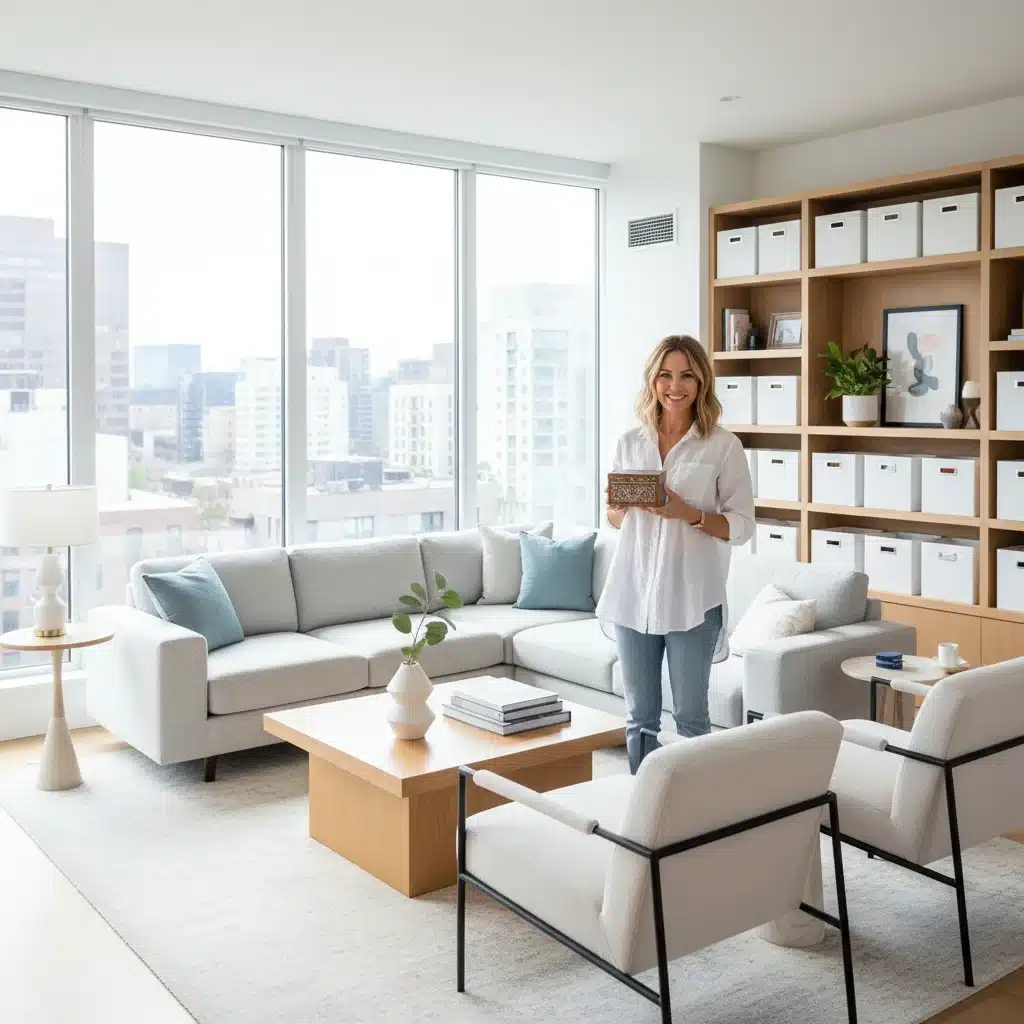
As we step into 2026, many of us are looking for ways to reduce stress, increase productivity, and create more serene living environments. One of the most impactful changes you can make to achieve these goals is to implement effective home organization hacks. A cluttered home often leads to a cluttered mind, affecting everything from your mood to your ability to focus. This comprehensive guide will walk you through six essential steps to declutter your space and cultivate a calmer, more organized home for the year ahead.
The concept of home organization goes far beyond just tidying up. It’s about creating systems that work for your lifestyle, making daily routines smoother, and ultimately, freeing up mental space. It’s about being intentional with what you bring into your home and how you maintain it. Whether you’re a seasoned organizer or just starting your decluttering journey, these home organization hacks are designed to be practical, sustainable, and highly effective. Let’s dive into transforming your home into a sanctuary of peace and order.
Anúncios
Step 1: The Grand Purge – Decluttering with Purpose
The first and arguably most crucial step in any successful home organization endeavor is the grand purge. This isn’t just about throwing things away; it’s about making conscious decisions about what truly serves you and what doesn’t. Approach this step with a clear mind and a strategic plan. The goal is to eliminate items that no longer add value, joy, or utility to your life.
Anúncios
Assess Each Room Systematically
Don’t try to tackle your entire home at once. This can be overwhelming and lead to burnout. Instead, choose one room, or even one section of a room, to start with. Break down large tasks into smaller, manageable chunks. For example, begin with your living room, then move to the kitchen, bedroom, and so on. Within each room, focus on specific areas: a single bookshelf, a drawer, or a closet. This systematic approach makes the process less daunting and more effective.
The Four-Box Method
A popular and highly effective decluttering strategy is the four-box method. Label four boxes (or designated areas) as follows:
- Keep: Items you use regularly, love, or have sentimental value.
- Donate/Sell: Items that are in good condition but you no longer need or want. Consider local charities, consignment shops, or online marketplaces.
- Trash/Recycle: Broken, unusable, or expired items. Be mindful of recycling guidelines in your area.
- Relocate: Items that belong in another room or area of your home.
As you go through each item, make a quick decision about which category it falls into. Avoid overthinking. If you haven’t used an item in a year, or if it doesn’t bring you joy, it’s likely a candidate for donation or disposal. This is a powerful home organization hack that forces decisive action.
Confront Sentimental Items
Sentimental items can be the hardest to let go of. While it’s important to cherish memories, you don’t need to keep every single memento. Consider digitizing old photos, creating a memory box for truly special items, or taking pictures of things you want to remember but don’t need to physically keep. The goal is to honor the memory without allowing it to contribute to clutter.
Be Ruthless (But Realistic)
Embrace a slightly ruthless mindset during the purge. Ask yourself tough questions: ‘Do I really need this?’, ‘When was the last time I used this?’, ‘Does this item serve a purpose or bring me joy?’ However, also be realistic. Don’t throw away essential documents or items you genuinely need, even if they’re not ‘joy-sparking.’
Completing the grand purge will immediately make your home feel lighter and more spacious, setting the stage for the subsequent home organization hacks.
Step 2: Zone in on Functionality – Creating Dedicated Spaces
Once you’ve decluttered, the next step is to optimize your space by creating dedicated zones for specific activities and items. This is a fundamental principle of effective home organization. When everything has a proper home, it’s much easier to put things away and find them when you need them.
Define Activity Zones
Think about how you use each room. Does your living room double as a home office? Is your dining table also a craft station? Identify the primary and secondary functions of each area. Then, design zones that support these activities. For example, in a multi-functional living room, create a distinct ‘work zone’ with a small desk and office supplies, and a ‘relaxation zone’ with comfortable seating and entertainment.
Categorize and Contain
Group similar items together. All office supplies should be in one area, all cleaning supplies in another, and so on. Once categorized, find appropriate containers to house them. Bins, baskets, drawer dividers, and shelving units are your best friends here. For instance, in the kitchen, designate a ‘baking zone’ for all baking ingredients and tools, and a ‘coffee station’ for mugs, coffee maker, and beans. This is one of the most practical home organization hacks for maintaining order.
Utilize Vertical Space
Don’t forget about vertical space! Walls, backs of doors, and the space above shelves are often underutilized. Install floating shelves, wall-mounted organizers, pegboards, or over-the-door storage solutions to maximize your storage capacity without taking up valuable floor space. This is particularly useful in smaller homes or apartments.
Accessibility is Key
Store items where they are most convenient to use. Frequently used items should be easily accessible, while rarely used items can be stored in less convenient locations (e.g., high shelves, storage bins in a closet). For example, your everyday dishes should be in a lower cabinet, while holiday platters can go in a higher one. This thoughtful placement is a cornerstone of efficient home organization.
By creating clear, functional zones, you’ll reduce visual clutter and streamline your daily routines, making your home feel more efficient and harmonious.
Step 3: Smart Storage Solutions – Investing in the Right Tools
Once you know what you’re keeping and where it should go, it’s time to invest in smart storage solutions. The right tools can make all the difference in maintaining an organized home. However, remember the golden rule: declutter first, then organize. Don’t buy storage solutions for items you haven’t decided to keep!
Containers and Bins
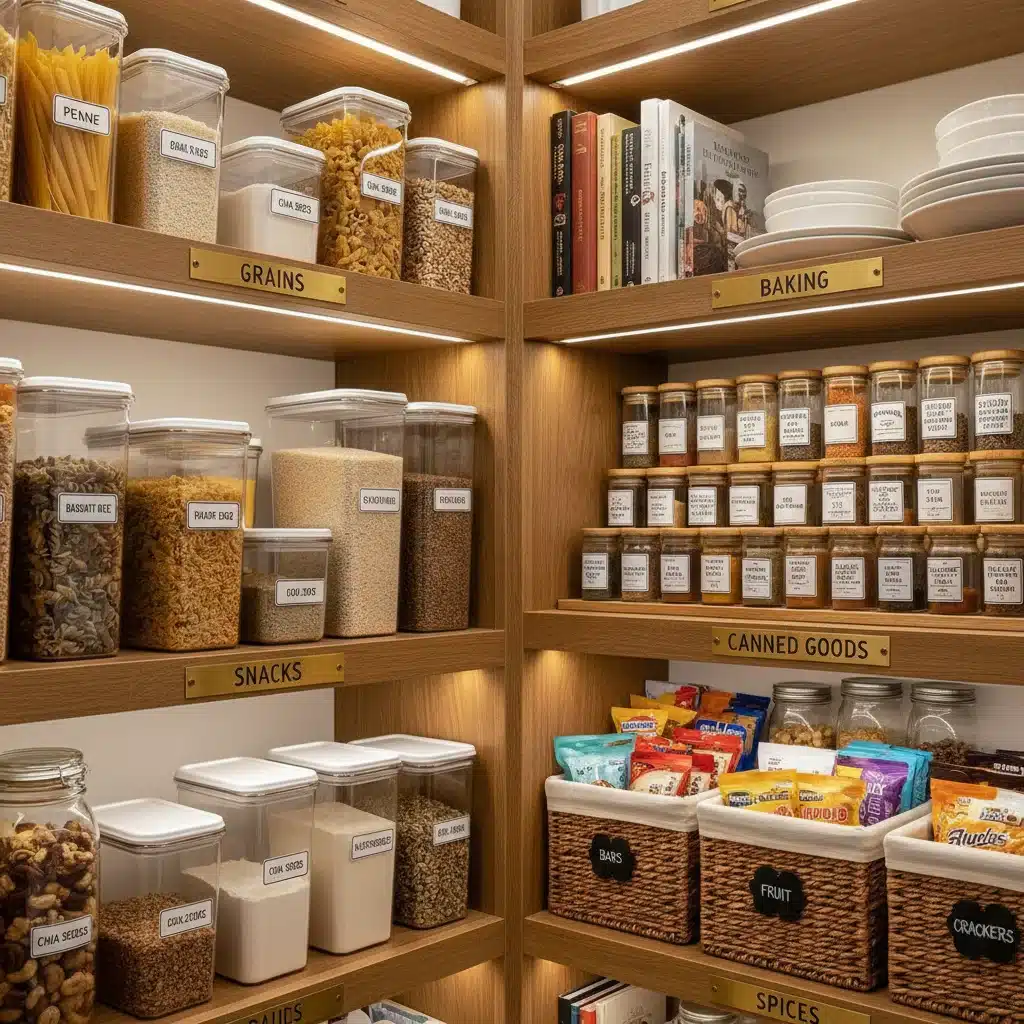
From clear acrylic bins for the pantry to decorative baskets for the living room, containers are essential for corralling items. Opt for clear containers in areas like the pantry or refrigerator so you can easily see what’s inside. For open shelving, choose aesthetically pleasing baskets or boxes that complement your decor.
Drawer Dividers and Organizers
Drawers can quickly become junk drawers if not properly managed. Invest in drawer dividers for your kitchen utensils, office supplies, and bathroom toiletries. These simple tools keep items separated and easy to find, preventing clutter from accumulating in hidden spaces. This is one of the most underrated home organization hacks.
Shelving Units
Whether freestanding or wall-mounted, shelving units provide invaluable storage. In garages, utility rooms, or walk-in closets, heavy-duty shelving can hold bulkier items. In living areas, decorative shelves can display books and decor while also providing functional storage for smaller items in attractive bins.
Labels, Labels, Labels!
Once everything is in its designated container, label it! Labels are crucial for maintaining organization, especially in shared spaces or for items you don’t access daily. Whether you use a label maker, handwritten tags, or chalkboard labels, clear labeling ensures that everyone knows where things belong and where to find them. This simple act is a game-changer for long-term home organization.
Multi-purpose Furniture
Consider furniture that offers hidden storage. Ottomans with lift-up tops, beds with built-in drawers, and benches with internal storage can help you tuck away blankets, toys, or seasonal items without sacrificing style or valuable floor space. This is an ingenious home organization hack for smaller living areas.
By thoughtfully selecting and utilizing smart storage solutions, you’ll create a system that supports your organized lifestyle and keeps clutter at bay.
Step 4: The One-In, One-Out Rule – Preventing Future Clutter
Decluttering and organizing are ongoing processes, not one-time events. To prevent clutter from creeping back into your freshly organized home, adopt the ‘one-in, one-out’ rule. This simple yet powerful principle is one of the most effective home organization hacks for maintaining long-term order.
How It Works
The premise is straightforward: whenever you bring a new item into your home, you must get rid of an old, similar item. For example:
- Buy a new shirt? Donate an old one.
- Get a new book? Pass on one you’ve already read.
- Purchase a new kitchen gadget? Discard or donate an old one you no longer use.
This rule helps to keep the volume of your possessions in check, ensuring that your home remains at a manageable level of ‘stuff.’
Be Mindful of Purchases
The ‘one-in, one-out’ rule also encourages more mindful purchasing habits. Before buying something new, you’ll naturally consider if you truly need it and what you’ll be willing to part with to accommodate it. This thoughtful approach can save you money and prevent impulse buys that often lead to clutter.
Apply to All Categories
While often applied to clothing, this rule can be extended to virtually any category of items in your home: kitchenware, toys, books, decor, and even digital files. Consistently applying this rule across your home will significantly reduce the likelihood of re-accumulation.
Exceptions and Flexibility
Of course, there can be exceptions. If you’re building a collection or replacing a broken item, the rule might need slight adjustment. The key is to be intentional and make sure that the net quantity of items in your home doesn’t continuously increase. The ‘one-in, one-out’ rule is a powerful preventative measure in your home organization strategy.
By integrating this simple habit into your routine, you’ll proactively combat clutter and maintain the peace and order you’ve worked hard to achieve.
Step 5: Daily Habits and Weekly Reset – Maintaining the Order
The most beautiful organization system won’t last without consistent effort. Establishing daily habits and a weekly reset routine is crucial for maintaining a tidy home. These small, consistent actions are the backbone of sustainable home organization hacks.
The ‘Tidy Up Before Bed’ Rule
One of the most effective daily habits is to spend 10-15 minutes tidying up before you go to bed. This involves:
- Putting away dishes or loading the dishwasher.
- Straightening pillows and blankets in the living room.
- Returning items to their designated homes.
- Wiping down countertops.
Waking up to a clean and organized space can significantly impact your mood and productivity for the day. It prevents small messes from snowballing into overwhelming clutter.
The ‘Touch It Once’ Principle
Whenever you pick up an item, either put it away immediately or deal with it. Don’t set it down in a temporary spot with the intention of dealing with it later. This ‘touch it once’ principle saves time and prevents items from piling up in transition zones like entryways or kitchen counters. This is a fundamental home organization hack that streamlines daily living.
The Weekly Reset
Dedicate an hour or two once a week for a more thorough reset. This might include:
- Vacuuming/mopping floors.
- Cleaning bathrooms and kitchen.
- Doing laundry and putting it all away.
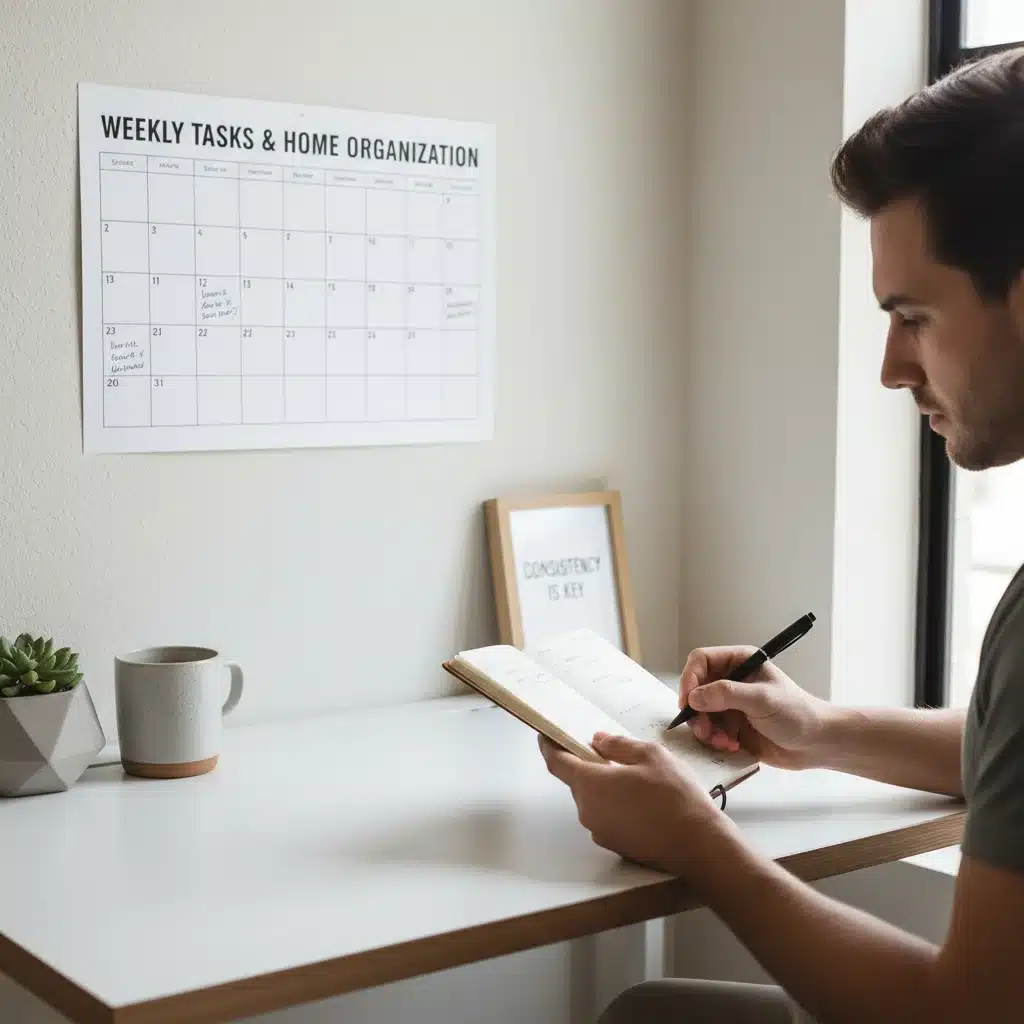
- Reviewing your calendar and planning for the week ahead.
- Quickly decluttering any areas that have started to accumulate items.
The weekly reset prevents major cleaning tasks from building up and ensures your home remains consistently organized. It’s also a good time to re-evaluate your systems and make small adjustments if needed.
Involve the Whole Household
Home organization is a team effort. If you live with others, ensure everyone understands the systems and contributes to maintaining them. Assign age-appropriate chores to children and communicate openly about expectations. Shared responsibility makes the task lighter and more sustainable.
By implementing these daily habits and a weekly reset, you’ll find that maintaining an organized home becomes a seamless part of your lifestyle, rather than a dreaded chore.
Step 6: Digital Decluttering – Don’t Forget Your Virtual Space
In our increasingly digital world, true home organization extends beyond physical spaces. Digital clutter can be just as overwhelming and impact your productivity and peace of mind. As we embrace 2026, it’s essential to apply home organization hacks to your virtual environment as well.
Organize Your Desktop and Files
Your computer desktop is like a digital entryway. A cluttered desktop can be a source of stress. Create a system for your files and folders:
- Folders: Establish clear, logical folders for documents, photos, and projects.
- Naming Conventions: Use consistent naming conventions for files to make them easy to find (e.g., ‘Project_Name_Date_Version’).
- Regular Cleanup: Schedule a weekly or monthly desktop cleanup to delete unnecessary files and organize new ones.
Consider using cloud storage services to back up important documents and free up space on your local drive.
Email Inbox Management
An overflowing email inbox can be a major source of anxiety. Implement these strategies:
- Unsubscribe: Regularly unsubscribe from newsletters and promotional emails you no longer read.
- Folders and Labels: Create folders or use labels to categorize emails (e.g., ‘Work,’ ‘Personal,’ ‘Receipts’).
- The ‘Four D’s’: Delete, Do, Delegate, Defer. Process emails quickly and decide on an action.
- Inbox Zero: Aim for ‘inbox zero’ at least once a week, meaning your primary inbox is empty, with all emails either archived, acted upon, or moved to a relevant folder.
Photo and Video Organization
Digital photos and videos can quickly accumulate. Develop a system for managing them:
- Regular Backups: Use cloud services or external hard drives for backups.
- Delete Duplicates and Blurs: Go through and delete blurry photos, duplicates, and those you don’t need.
- Albums/Folders: Organize photos into albums or folders by date, event, or subject.
App and Software Declutter
Review the apps on your phone, tablet, and computer. Delete any you no longer use. Organize frequently used apps into folders on your mobile devices to reduce screen clutter. For software on your computer, uninstall programs that are obsolete or unused.
Password Management
A disorganized approach to passwords can lead to stress and security risks. Use a reputable password manager to securely store and generate complex passwords. This simplifies your digital life and enhances security.
By extending your home organization efforts to your digital life, you’ll experience a more streamlined and less stressful interaction with technology, contributing significantly to your overall sense of calm and control in 2026.
The Transformative Power of Home Organization Hacks
Implementing these six essential home organization hacks will do more than just make your home look tidier; it will fundamentally transform your daily life. A well-organized space reduces stress, saves time, and boosts productivity. Imagine knowing exactly where everything is, being able to find what you need without a frantic search, and feeling a sense of peace as you walk through your home.
The journey to a calmer, more organized home in 2026 is a marathon, not a sprint. Be patient with yourself, celebrate small victories, and remember that progress, not perfection, is the goal. Start with one step, one room, or even one drawer, and gradually build momentum. Each small effort contributes to a larger, more peaceful environment.
Embrace these strategies, adapt them to your unique needs, and watch as your home becomes a true sanctuary. Here’s to a decluttered space and a calmer, more focused you in 2026!