Navigating 3% Inflation: U.S. Consumer Spending Habits in 2026
Anúncios
The Unseen Hand: How 3% Inflation Will Reshape U.S. Consumer Spending by 2026
The economic landscape is a constantly shifting terrain, and one of the most influential forces shaping its contours is inflation. While the Federal Reserve targets a 2% inflation rate as healthy for a growing economy, a sustained 3% inflation rate, as many economists predict for the coming years, presents a different set of challenges and opportunities. For U.S. consumers, this seemingly small percentage point increase can have profound implications, subtly but significantly altering spending habits, financial priorities, and overall economic well-being by 2026. Understanding this 3% inflation impact is crucial for individuals, businesses, and policymakers alike.
Anúncios
In this comprehensive article, we will delve into the multifaceted ways a sustained 3% inflation rate is likely to influence consumer behavior across various sectors of the U.S. economy. We will explore the shifts in essential versus discretionary spending, the psychological impact on consumers, the evolving role of savings and debt, and the strategies individuals can employ to navigate this new financial reality. Our goal is to provide a detailed forecast, equipping you with insights to anticipate and adapt to the economic changes on the horizon.
Anúncios
The Nuance of 3% Inflation: More Than Just a Number
To truly grasp the 3% inflation impact, it’s essential to move beyond the raw percentage and understand its cumulative effect. While 3% might not sound alarming on an annual basis, its persistent presence erodes purchasing power over time. Consider an item costing $100 today. With a consistent 3% inflation rate, that same item would cost approximately $109.27 in three years (by 2026). This compounding effect means that salaries need to increase by at least 3% annually just to maintain the same standard of living, a scenario that isn’t always guaranteed for every household.
This erosion of purchasing power directly translates into changes in consumer behavior. Households, faced with higher prices for the same goods and services, are compelled to make adjustments. These adjustments aren’t uniform; they vary based on income levels, existing financial obligations, and individual spending priorities. The affluent might feel a pinch but largely maintain their lifestyle, while lower- and middle-income households will likely experience more significant pressures, forcing them to re-evaluate every expenditure. The 3% inflation impact thus creates a widening gap in financial resilience across different demographic groups.
Shifting Priorities: Essential vs. Discretionary Spending
One of the most immediate and noticeable effects of sustained 3% inflation will be a significant rebalancing of consumer budgets towards essential goods and services. Categories like food, housing, transportation, and healthcare are often non-negotiable. As their prices rise, a larger proportion of household income will be allocated to these necessities, leaving less for discretionary spending.
Food and Groceries: The First Pinch Point
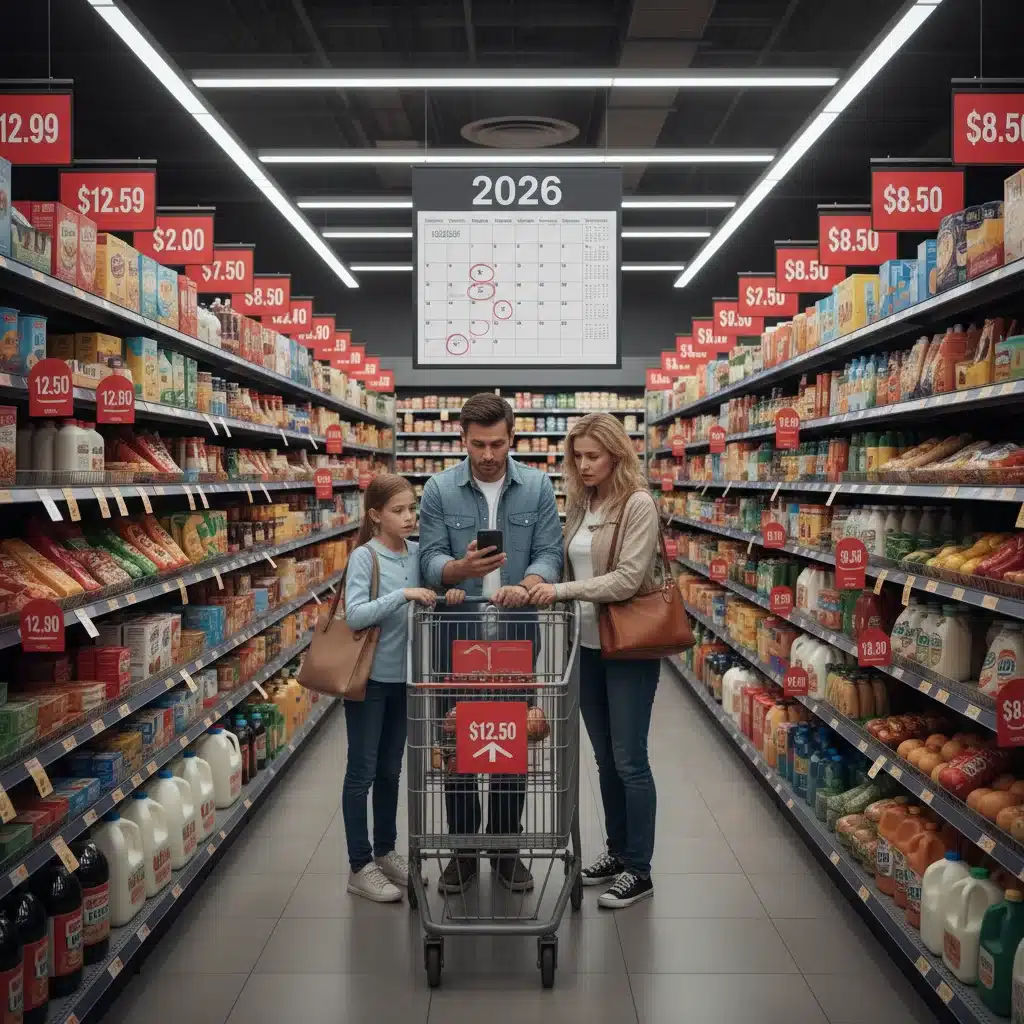
Food prices are typically among the first to reflect inflationary pressures. By 2026, consumers can expect to see continued increases in grocery bills. This will lead to several behavioral changes:
- Value-Seeking Behavior: Consumers will increasingly gravitate towards store brands, bulk purchases, and discount retailers. Loyalty to specific brands may wane in favor of more economical alternatives.
- Meal Planning and Home Cooking: Eating out, once a common indulgence, will likely become a rarer treat. More families will embrace meticulous meal planning, cooking at home, and bringing lunches to work to cut costs.
- Reduced Food Waste: With every dollar stretched further, consumers will become more conscious of food waste, utilizing leftovers and planning meals more efficiently.
Housing Costs: A Persistent Burden
Housing, whether through rent or mortgage payments, constitutes the largest expense for many U.S. households. While mortgage rates are influenced by broader monetary policy, property taxes, insurance, and maintenance costs are all susceptible to inflation. For renters, landlords may pass on increased operational costs through higher rents.
- Delayed Homeownership: The dream of homeownership may become more elusive for many, as rising home prices, coupled with higher interest rates and general inflation, make saving for a down payment and affording monthly payments more challenging.
- Smaller Living Spaces: A trend towards smaller, more affordable living spaces, or co-living arrangements, could accelerate as consumers seek to reduce housing expenditures.
- Relocation for Affordability: Some households might consider relocating to areas with lower costs of living, if their employment allows, further impacting regional economic dynamics.
Transportation: Fueling Budgetary Concerns
The cost of transportation, driven by fuel prices, vehicle maintenance, and insurance, is another major inflationary pressure point. A 3% inflation rate means these costs will steadily climb.
- Increased Public Transit Use: Where available and practical, public transportation might see a resurgence in ridership as a more economical alternative to driving.
- Car-Pooling and Ride-Sharing: Collaborative commuting solutions could become more prevalent.
- Delayed Vehicle Purchases: The rising cost of new and used vehicles, coupled with higher interest rates, may lead consumers to extend the lifespan of their current vehicles, delaying new purchases.
Healthcare: An Unavoidable Expense
Healthcare costs have historically outpaced general inflation, and a 3% overall inflation rate will only exacerbate this trend. Consumers will face higher premiums, co-pays, and prescription drug costs.
- Preventative Care Focus: There might be a greater emphasis on preventative care to avoid more costly treatments down the line, though access to such care remains a challenge for many.
- Generic vs. Brand-Name Drugs: Increased preference for generic medications will become even more pronounced.
- Healthcare Tourism: For significant procedures, some consumers might explore medical tourism to countries with lower healthcare costs, if their insurance allows.
The Squeeze on Discretionary Spending
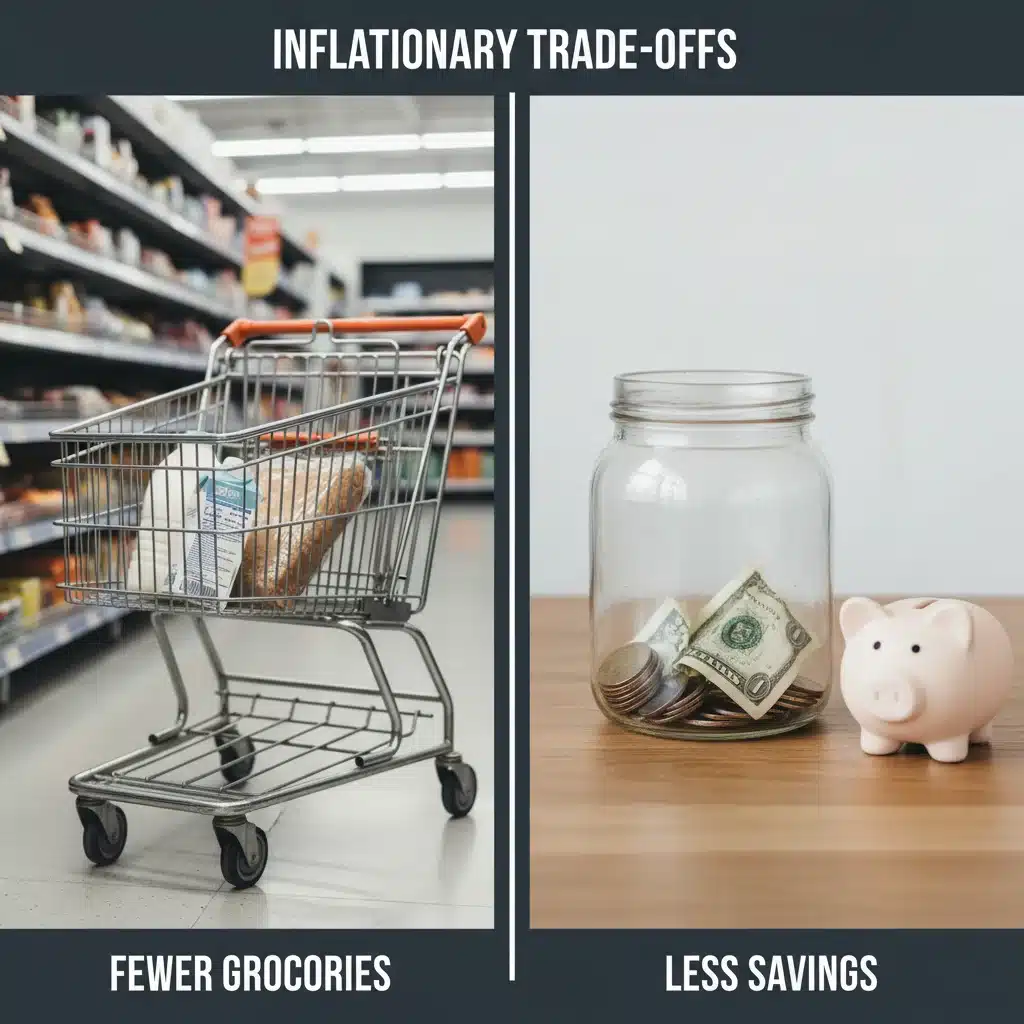
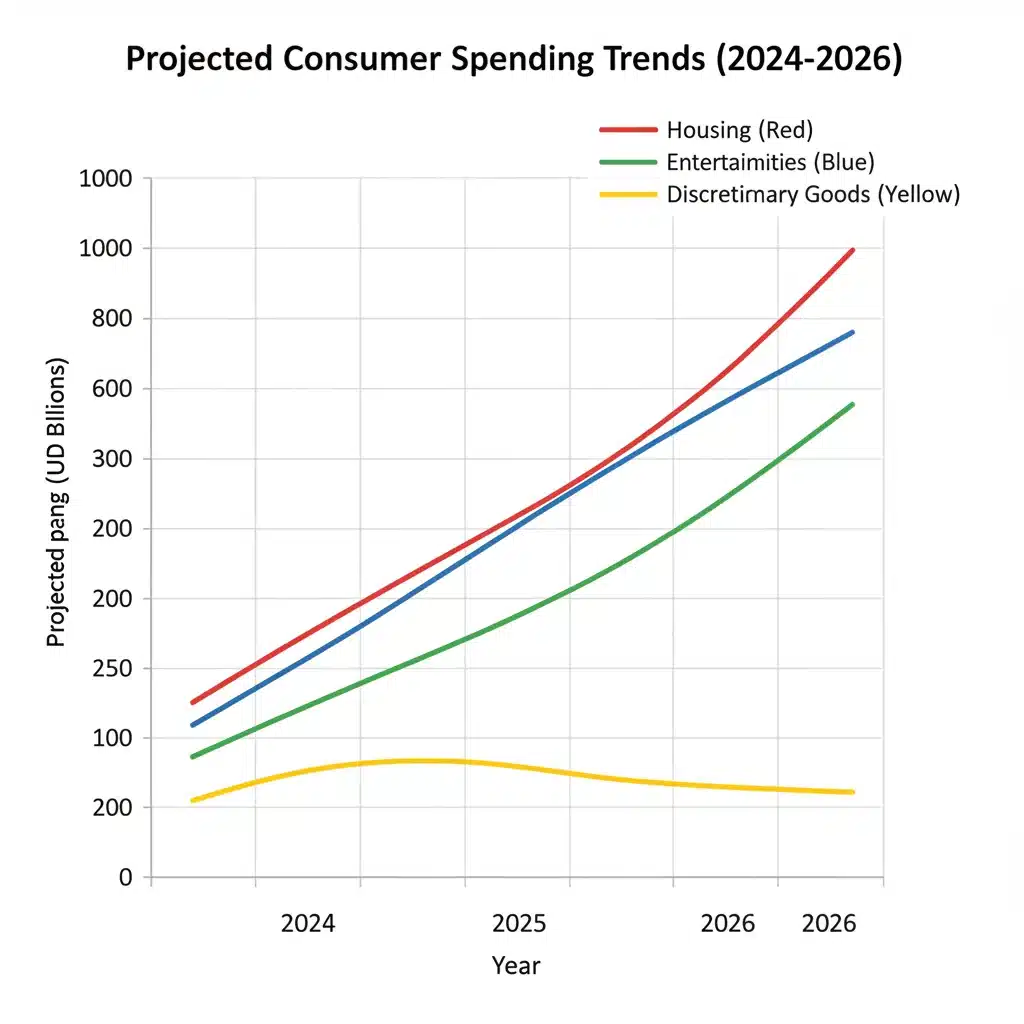
As more income is diverted to essentials, discretionary spending—expenditures on non-essential items and services—will inevitably shrink. This sector, which includes entertainment, dining out, travel, luxury goods, and non-essential retail, will bear the brunt of the 3% inflation impact.
Entertainment and Leisure: Cost-Conscious Choices
Consumers will become more selective about how they spend their leisure dollars.
- Home-Based Entertainment: Streaming services, home gaming, and DIY hobbies may see continued popularity as more affordable alternatives to out-of-home entertainment.
- Value-Oriented Experiences: When consumers do opt for outside entertainment, they will seek out deals, discounts, and free local events.
- Reduced Travel: Vacations and travel, especially international trips, may become less frequent or shorter, with a greater focus on domestic, budget-friendly options.
Retail and Luxury Goods: A Downturn
The market for luxury items and non-essential retail will likely experience a downturn. Consumers will postpone or forgo purchases of big-ticket items like new electronics, designer clothing, and high-end home furnishings.
- Second-Hand Market Growth: The resale market for clothing, electronics, and home goods will likely thrive as consumers seek quality items at lower prices.
- Focus on Durability and Utility: When purchases are made, there will be a stronger emphasis on durability, longevity, and practical utility rather than trendiness or brand prestige.
Psychological Impact: Anxiety and Financial Prudence
Beyond the direct financial adjustments, a sustained 3% inflation rate will have a significant psychological impact on U.S. consumers. Constant awareness of rising prices can lead to increased financial anxiety, stress, and a pervasive sense of uncertainty about the future.
- Heightened Price Sensitivity: Consumers will become hyper-aware of price changes, meticulously comparing costs across different retailers and brands.
- Delayed Gratification: The impulse to buy will be tempered by a greater inclination towards delayed gratification, with purchases being carefully considered rather than spontaneous.
- Increased Financial Literacy (Out of Necessity): The need to stretch budgets will compel many to become more financially literate, seeking out budgeting tools, investment advice, and strategies to protect their savings from inflation.
The Role of Savings, Debt, and Investment in an Inflationary Environment
A sustained 3% inflation rate fundamentally alters the dynamics of savings, debt, and investment strategies. Consumers will need to adapt their financial planning to mitigate the negative effects of inflation and potentially leverage its opportunities.
Savings: The Erosion of Purchasing Power
Cash held in traditional savings accounts, which often offer interest rates below the inflation rate, will steadily lose purchasing power. This phenomenon, known as ‘inflation tax,’ means that even if the nominal value of savings remains the same, its real value diminishes over time.
- Search for Higher-Yielding Accounts: Consumers will actively seek out high-yield savings accounts, certificates of deposit (CDs), or other low-risk instruments that offer returns closer to or above the inflation rate.
- Diversification of Savings: There will be a greater emphasis on diversifying savings beyond traditional bank accounts, exploring options that offer better inflation protection.
Debt: A Double-Edged Sword
The impact of inflation on debt is complex. For those with fixed-rate debt (like many mortgages), inflation can effectively reduce the real value of their payments over time, as their income (hopefully) rises with inflation. However, for those with variable-rate debt (like some credit cards or adjustable-rate mortgages), rising interest rates, often a response to inflation, can make debt significantly more expensive.
- Prioritizing High-Interest Debt Repayment: Consumers will be more motivated to pay down high-interest variable debt to avoid escalating costs.
- Cautious Approach to New Borrowing: There will be greater caution in taking on new debt, especially for non-essential purchases, given the higher cost of borrowing.
Investments: Protecting and Growing Wealth
In an inflationary environment, certain investments tend to perform better as they offer a hedge against rising prices. This will likely lead to shifts in investment portfolios.
- Real Assets: Investments in real estate, commodities (like gold and oil), and inflation-protected securities (TIPS) may become more attractive as they often retain or increase their value during inflationary periods.
- Equities with Pricing Power: Companies that can pass on increased costs to consumers without significantly impacting demand (i.e., those with strong brand loyalty or essential products) may be favored in stock portfolios.
- Dividend-Paying Stocks: Steady dividend income can provide a buffer against inflation’s erosive effects.
Sector-Specific Impacts and Business Adaptations
The 3% inflation impact will not be uniform across all industries. Businesses will need to adapt their strategies to remain competitive and meet evolving consumer demands.
Retail Sector: A Game of Value and Efficiency
Retailers will face immense pressure to manage costs and offer value. This could lead to:
- Supply Chain Optimization: Greater investment in robust and efficient supply chains to minimize costs and prevent stockouts.
- Private Label Growth: Continued expansion of store-brand and private-label offerings, which provide higher margins for retailers and lower prices for consumers.
- Personalized Promotions: Leveraging data to offer targeted discounts and promotions to retain customers, especially for discretionary items.
Hospitality and Travel: Focusing on Experience and Value
The hospitality and travel sectors will need to innovate to attract cost-conscious consumers.
- Value-Added Services: Offering bundled packages or unique experiences that justify the cost.
- Domestic and Regional Tourism: A shift towards promoting local and regional travel options, which are generally more affordable than international trips.
- Flexible Booking and Cancellation Policies: Providing consumers with greater flexibility to reduce perceived risk.
Technology and Services: Essential vs. Luxury
The technology sector will see a divergence. Essential services (internet, mobile connectivity) will remain high priority, but discretionary tech upgrades (new smartphones, gadgets) might slow.
- Subscription Model Evolution: Companies offering subscription services may face pressure to justify their value, potentially leading to tiered pricing or bundled offerings.
- Focus on Durability: Consumers may hold onto their existing devices longer, prioritizing repair over replacement.
Government and Policy Responses
Policymakers will be keenly observing the 3% inflation impact. Potential responses could include:
- Monetary Policy Adjustments: The Federal Reserve may continue to use interest rate adjustments to manage inflation, balancing it against economic growth and employment.
- Fiscal Policy Measures: Government programs aimed at supporting low-income households, such as expanded food assistance or housing subsidies, might become more critical.
- Supply-Side Interventions: Policies aimed at improving supply chain efficiency or increasing domestic production could be explored to alleviate inflationary pressures from the supply side.
Strategies for Consumers to Thrive in a 3% Inflation Environment
While the prospect of sustained 3% inflation might seem daunting, consumers are not powerless. Proactive financial planning and adaptive behaviors can help mitigate its negative effects and even create opportunities.
- Budgeting and Tracking Expenses: More rigorous budgeting is essential. Understanding exactly where money is going allows for informed decisions about where to cut back. Utilize budgeting apps or spreadsheets to track every dollar.
- Prioritizing Debt Reduction: Focus on paying down high-interest, variable-rate debt as quickly as possible. This frees up cash flow and reduces vulnerability to rising interest rates.
- Smart Shopping and Value Seeking: Embrace comparison shopping, use coupons and loyalty programs, buy in bulk when practical, and explore generic or store-brand alternatives for everyday items.
- Investing Wisely: Review investment portfolios to ensure they are diversified and include assets that historically perform well during inflationary periods. Consider consulting a financial advisor.
- Negotiating Salaries and Seeking Higher Income: Advocate for salary increases that at least match the inflation rate to maintain purchasing power. Explore side hustles or opportunities for career advancement to boost income.
- Building an Emergency Fund: A robust emergency fund, ideally covering 6-12 months of essential expenses, provides a crucial safety net against unexpected costs and economic volatility.
- Delaying Non-Essential Purchases: Practice delayed gratification for large, non-essential purchases. Waiting can sometimes lead to better deals or a clearer assessment of necessity.
- Energy Efficiency and Conservation: Invest in energy-efficient appliances, weatherize homes, and practice energy conservation to reduce utility bills, a significant and often rising expense.
- Continuous Learning and Skill Development: In a dynamic economic environment, continuously acquiring new skills can enhance employability and earning potential, offering a hedge against economic uncertainty.
Conclusion: Adapting to the New Normal
The 3% inflation impact on U.S. consumer spending habits by 2026 will be substantial, leading to a recalibration of priorities, a heightened focus on value, and a more cautious approach to financial decisions. While challenging, this shift also presents an opportunity for greater financial prudence, smarter consumption, and a renewed emphasis on building resilient personal economies.
As we move towards 2026, those who proactively understand and adapt to these changes will be better positioned to navigate the evolving economic landscape. Businesses that recognize these shifts and cater to the new consumer mindset—emphasizing value, durability, and essential services—will likely thrive. Ultimately, a sustained 3% inflation rate isn’t just an economic statistic; it’s a powerful catalyst for change, reshaping the very fabric of how Americans live, spend, and save.