Cultivating an Indoor Oasis: 5 Easy-Care Houseplants for Any Home in 2026
Anúncios
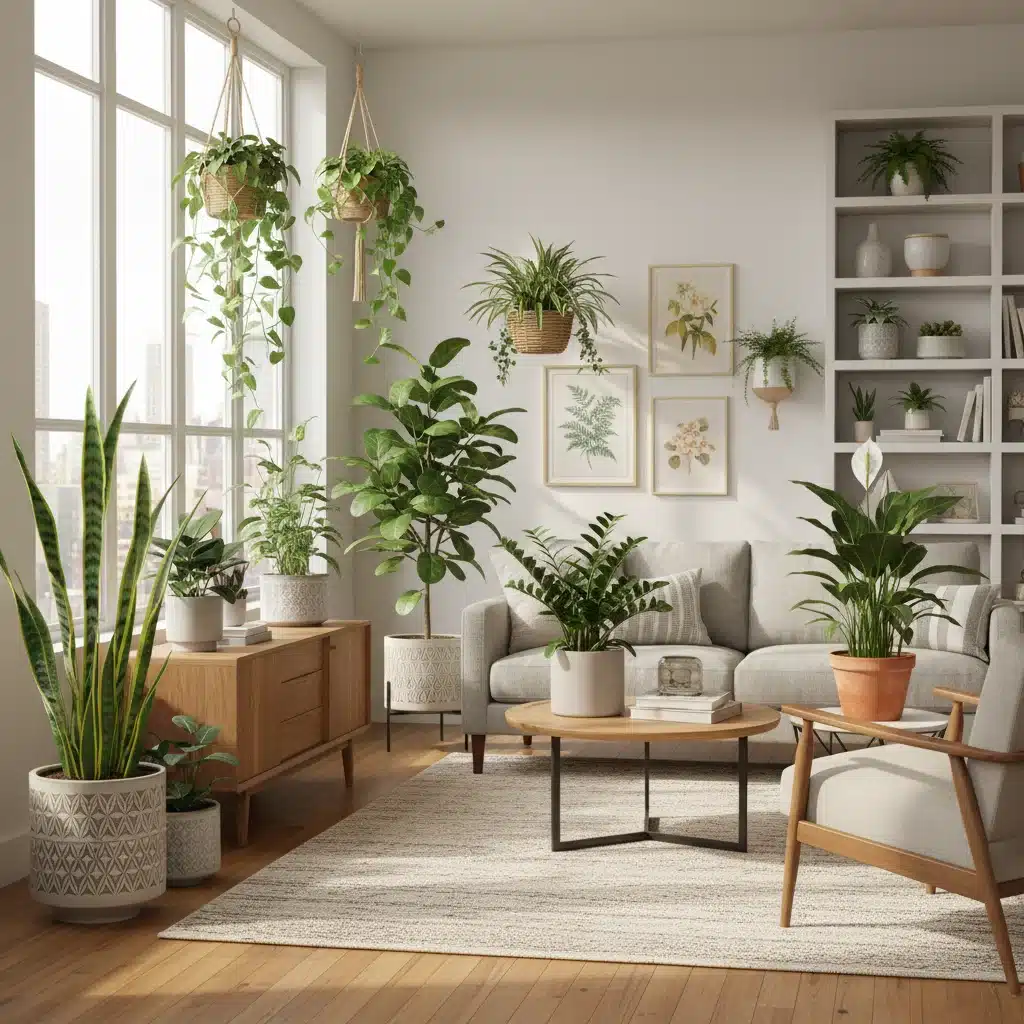
In an increasingly busy world, finding solace and beauty within our homes has become more important than ever. One of the simplest yet most effective ways to achieve this is by introducing the calming presence of easy care houseplants. Far from being just decorative elements, these green companions purify the air, boost mood, and add a touch of nature’s tranquility to any space. Whether you’re a seasoned plant parent or a complete novice, the idea of cultivating an indoor oasis might seem daunting, especially with concerns about plant maintenance. However, with the right choices, anyone can enjoy the myriad benefits of indoor gardening without the stress.
Anúncios
This comprehensive guide will walk you through the top 5 easy-care houseplants that are perfect for any home in 2026. We’ll delve into why these particular plants stand out, their specific care requirements, and how they can transform your living environment. Our focus is on plants that are resilient, forgiving, and require minimal attention, making them ideal for busy individuals, first-time plant owners, and anyone looking to add more greenery to their life without a significant time commitment. Get ready to discover your new favorite green friend and embark on a rewarding journey of indoor gardening.
The Allure of Easy Care Houseplants: More Than Just Greenery
Before we dive into our top picks, let’s understand why easy care houseplants have become such a popular trend. Beyond their aesthetic appeal, plants offer a host of advantages that contribute to a healthier, happier home environment. They are natural air purifiers, capable of filtering out common indoor toxins and releasing fresh oxygen. Studies have also shown that having plants around can reduce stress levels, improve concentration, and even boost overall well-being. For many, caring for a plant provides a sense of purpose and a connection to nature that is often missing in urban settings.
Anúncios
The term “easy care” is not just a marketing gimmick; it refers to plants that can tolerate a range of conditions, forgive occasional neglect, and don’t require specialized knowledge or equipment to thrive. This makes them incredibly appealing to those who might have a less-than-green thumb or a hectic schedule. Choosing the right easy care houseplants means you can enjoy all the benefits without the constant worry of keeping them alive. It’s about finding plants that adapt to your lifestyle, not the other way around.
Understanding Your Home Environment: The First Step to Success
Even with easy care houseplants, understanding your home’s unique conditions is crucial for success. Factors like light, humidity, and temperature play a significant role in a plant’s health. While our chosen plants are adaptable, knowing their preferences will help them not just survive, but truly flourish. Take a moment to observe your home:
- Light: Where do you get bright, indirect light? Are there any spots with low light? Most easy care plants prefer bright, indirect light, but some can tolerate lower light conditions. Direct, harsh sunlight can scorch leaves, while too little light can lead to leggy growth.
- Humidity: Is your home generally dry, especially in winter with heating systems? Many tropical plants appreciate higher humidity, but our chosen easy care plants are quite tolerant of average household humidity.
- Temperature: Most houseplants prefer temperatures similar to what humans find comfortable, typically between 65-75°F (18-24°C). Avoid placing plants near drafty windows or heating/cooling vents.
Armed with this basic understanding, you’ll be better equipped to select the perfect spots for your new green companions and ensure they thrive. Now, let’s introduce our star players!
1. The Indestructible Sentinel: Snake Plant (Sansevieria trifasciata)
The Snake Plant, also known as Mother-in-Law’s Tongue, is practically synonymous with easy care houseplants. Its striking architectural form and upright, sword-like leaves make it a popular choice for modern interiors. But its real appeal lies in its incredible resilience. This plant is notoriously hard to kill, making it an absolute dream for beginners.
Why the Snake Plant Reigns Supreme for Easy Care:
- Light Tolerance: Snake Plants can thrive in a wide range of light conditions, from low light to bright, indirect light. While they prefer brighter conditions for optimal growth, they will happily survive in dimly lit corners where other plants might struggle.
- Watering Forgiveness: Overwatering is the quickest way to kill a Snake Plant. They prefer to be on the drier side. You can often forget to water them for weeks, and they’ll be perfectly fine. In fact, it’s better to underwater than overwater.
- Air Purification: Renowned for its air-purifying qualities, the Snake Plant is excellent at removing toxins like formaldehyde, benzene, and trichloroethylene from the air, even at night.
- Minimal Pest Issues: These plants are generally pest-resistant, adding another layer of ease to their care.
Basic Care for Your Snake Plant:
- Light: Bright, indirect light is ideal, but they tolerate low light. Avoid direct, harsh sunlight.
- Water: Water thoroughly only when the soil is completely dry, typically every 2-4 weeks, depending on light and humidity. Reduce watering significantly in winter.
- Soil: Use a well-draining potting mix, ideally one formulated for succulents or cacti.
- Temperature: Average room temperatures (65-80°F / 18-27°C) are perfect.
- Fertilizer: Feed sparingly, once or twice during the growing season (spring/summer) with a balanced liquid houseplant fertilizer diluted to half strength.
With its minimal demands and maximum impact, the Snake Plant is an essential addition to any collection of easy care houseplants.
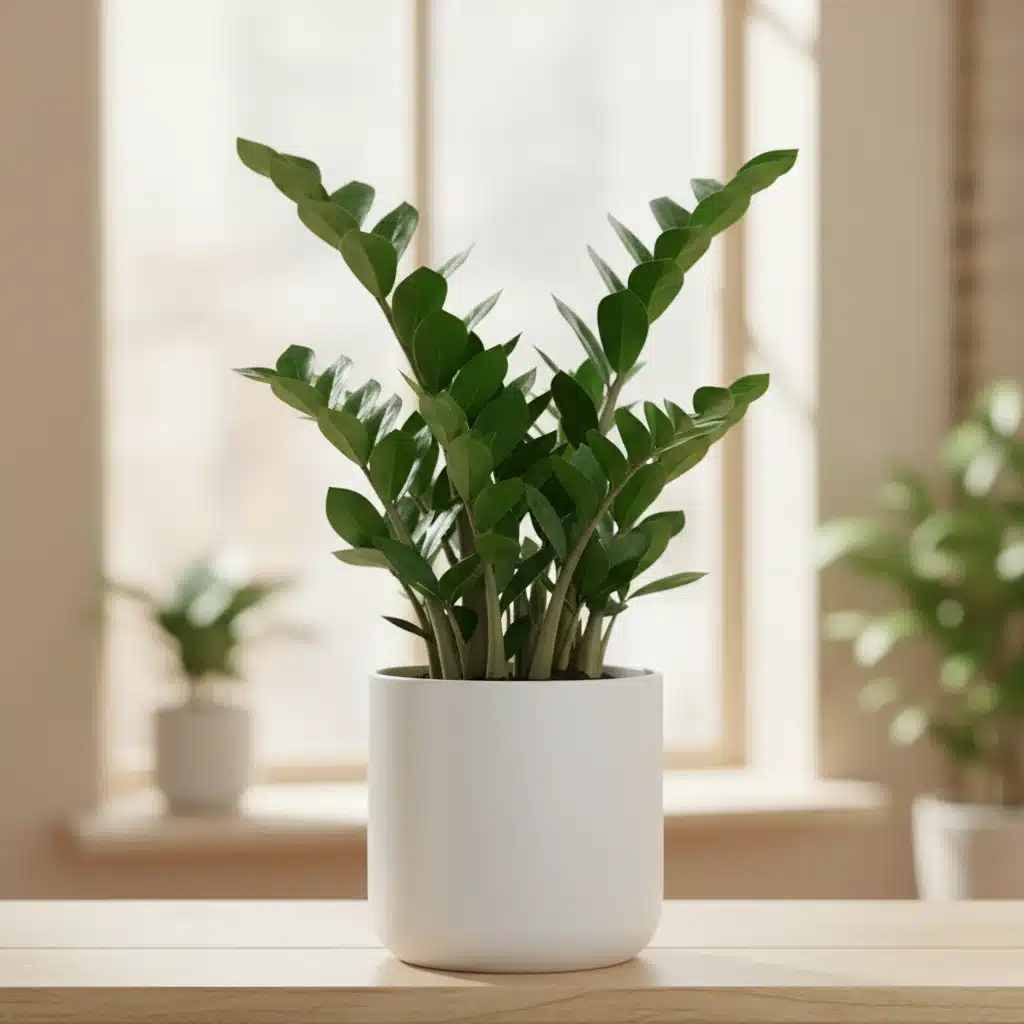
2. The Zesty ZZ Plant (Zamioculcas zamiifolia): Glossy Green Resilience
The ZZ Plant is another champion among easy care houseplants, celebrated for its incredibly glossy, dark green leaves and robust nature. It’s often recommended for offices and homes because of its ability to thrive on neglect and its striking appearance. If you’re looking for a plant that looks perpetually healthy with minimal effort, the ZZ Plant is your answer.
Why the ZZ Plant is a Must-Have:
- Extreme Drought Tolerance: The ZZ Plant stores water in its thick rhizomes (underground stems), making it exceptionally drought-tolerant. It can go for long periods without water, making it perfect for forgetful waterers.
- Low Light Adaptability: While it prefers medium to bright indirect light, the ZZ Plant is remarkably adaptable to low light conditions, making it suitable for almost any room in your house.
- Pest Resistant: Like the Snake Plant, ZZ Plants are rarely troubled by pests, contributing to their low-maintenance reputation.
- Stunning Foliage: Its shiny, almost artificial-looking leaves add a touch of modern elegance to any space.
Caring for Your ZZ Plant:
- Light: Tolerates low light but thrives in medium to bright indirect light. Avoid direct sun.
- Water: Water only when the soil is completely dry. This could be every 2-4 weeks, or even longer in lower light conditions or during winter. Err on the side of underwatering.
- Soil: A well-draining potting mix is essential. A mix for succulents or cacti works well.
- Temperature: Prefers average room temperatures (65-75°F / 18-24°C).
- Fertilizer: Fertilize once or twice during the spring and summer with a diluted balanced liquid fertilizer.
The ZZ Plant truly embodies the spirit of easy care houseplants, offering beauty and resilience in one elegant package.
3. The Cascading Classic: Pothos (Epipremnum aureum)
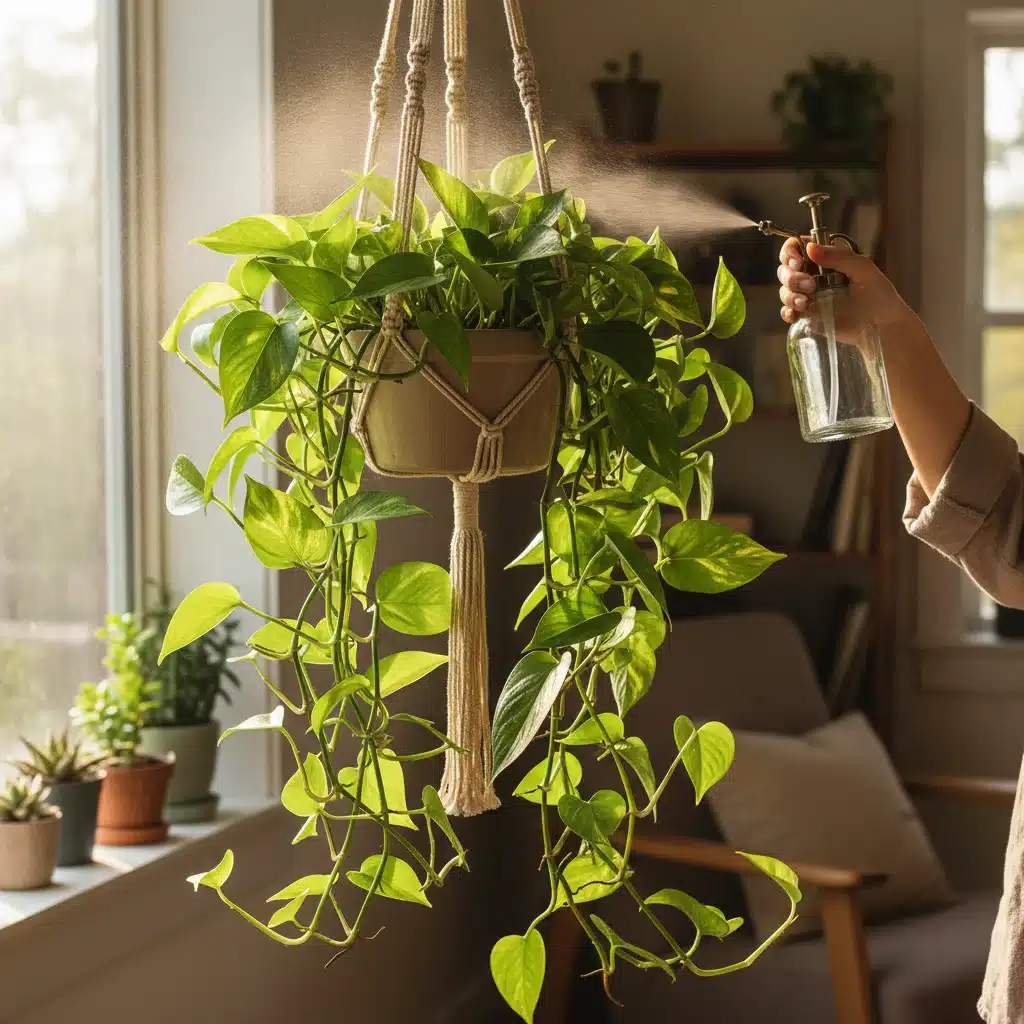
The Pothos, often called “Devil’s Ivy,” is a quintessential easy care houseplant that has graced homes and offices for generations. Its heart-shaped leaves and trailing vines make it incredibly versatile for various displays – hanging baskets, shelves, or even climbing up a moss pole. Available in several beautiful variegated forms, Pothos adds a lush, tropical feel with minimal fuss.
Why Pothos is Universally Loved:
- Adaptable to Light: Pothos can tolerate a range of light conditions, from low to bright indirect light. While variegation might be less pronounced in low light, the plant will still grow.
- Forgiving with Water: It’s quite tolerant of inconsistent watering. It will tell you when it’s thirsty by drooping its leaves, a clear signal that it’s time for a drink.
- Easy to Propagate: Pothos is incredibly easy to propagate from cuttings, allowing you to create more plants for yourself or to share with friends.
- Air Purifying: Like the Snake Plant, Pothos is excellent at filtering out indoor air pollutants.
Tips for a Thriving Pothos:
- Light: Bright, indirect light is best for vibrant variegation and robust growth. Tolerates low light.
- Water: Water when the top 1-2 inches of soil feel dry. Allow the soil to dry out between waterings.
- Soil: A standard, well-draining potting mix is suitable.
- Temperature: Thrives in average room temperatures (65-80°F / 18-27°C).
- Fertilizer: Feed monthly during the growing season (spring through fall) with a balanced liquid houseplant fertilizer.
- Pruning: Prune regularly to encourage bushier growth and maintain desired length.
For a plant that offers beauty, versatility, and ease, the Pothos is an undeniable frontrunner among easy care houseplants.
4. The Prolific Proliferator: Spider Plant (Chlorophytum comosum)
The Spider Plant is a classic for a reason: it’s incredibly easy to care for and produces adorable “spiderettes” (baby plants) that make it a joy to grow and share. Its arching, variegated leaves add a cheerful touch to any space, and it’s particularly well-suited for hanging baskets, where its plantlets can dangle gracefully. It’s perfect for those seeking easy care houseplants that also offer the fun of propagation.
Why You’ll Love the Spider Plant:
- Highly Adaptable: Spider Plants are remarkably adaptable to various conditions, making them very forgiving of beginner mistakes.
- Easy to Propagate: The “spiderettes” are not just cute; they’re also incredibly easy to root in water or soil, allowing you to expand your plant collection effortlessly.
- Non-Toxic: It’s considered non-toxic to pets, making it a safe choice for homes with furry friends.
- Air Purifier: Another excellent air-purifying plant, helping to remove common indoor pollutants.
Caring for Your Spider Plant:
- Light: Bright, indirect light is preferred. Can tolerate lower light but may produce fewer spiderettes. Avoid direct sun, which can scorch leaves.
- Water: Water when the top inch of soil feels dry. Keep the soil consistently moist but not waterlogged. They are sensitive to fluoride and chlorine in tap water, so using distilled or rainwater, or letting tap water sit out overnight, can be beneficial.
- Soil: A standard, well-draining potting mix.
- Temperature: Prefers average room temperatures (65-80°F / 18-27°C).
- Fertilizer: Feed every 2-4 weeks during the growing season with a balanced liquid houseplant fertilizer.
With its cheerful appearance and effortless propagation, the Spider Plant is a delightful and practical choice among easy care houseplants.
5. The Graceful Giver: Peace Lily (Spathiphyllum)
The Peace Lily is often admired for its elegant white “flowers” (which are actually modified leaves called spathes) and lush, dark green foliage. It’s a wonderful choice for those who want a flowering plant that is also incredibly easy to care for. Its dramatic drooping leaves are a clear indicator of thirst, making it one of the most communicative easy care houseplants.
Why the Peace Lily Brings Tranquility:
- Clear Communication: The Peace Lily is a fantastic plant for beginners because it visibly wilts when it needs water, taking the guesswork out of its care. Once watered, it quickly perks back up.
- Low Light Tolerance: It thrives in low to medium indirect light, making it suitable for shadier spots in your home or office.
- Air Purification Powerhouse: The Peace Lily is one of the best houseplants for filtering out common indoor air pollutants, including ammonia, benzene, formaldehyde, and trichloroethylene.
- Elegant Blooms: Its beautiful white spathes add a touch of sophistication and can bloom multiple times a year with proper care.
Caring for Your Peace Lily:
- Light: Prefers low to medium indirect light. Avoid direct sunlight, which can scorch its leaves and prevent flowering.
- Water: Water when the top inch of soil is dry or when the leaves begin to droop slightly. Do not let it sit in standing water.
- Humidity: Appreciates higher humidity. Mist occasionally or place on a pebble tray with water.
- Soil: Use a well-draining, all-purpose potting mix.
- Temperature: Thrives in warm, consistent temperatures (65-80°F / 18-27°C).
- Fertilizer: Fertilize every 6-8 weeks during the growing season with a balanced liquid houseplant fertilizer.
For a touch of elegance and effective air purification with minimal effort, the Peace Lily is an excellent choice among easy care houseplants.
General Tips for Success with Easy Care Houseplants
While our chosen plants are forgiving, a few general practices can ensure all your easy care houseplants not only survive but truly flourish:
1. The Right Pot and Drainage:
Always choose pots with drainage holes. Without proper drainage, water can accumulate at the bottom, leading to root rot – the most common killer of houseplants. If you use a decorative pot without holes, place your plant in a slightly smaller nursery pot with drainage, then set it inside the decorative one. This allows you to easily remove the plant for watering and ensures excess water can drain away.
2. Proper Watering Techniques:
This is arguably the most critical aspect of houseplant care. Instead of watering on a strict schedule, water based on the plant’s needs and the soil’s moisture level. Stick your finger about an inch or two into the soil. If it feels dry, it’s likely time to water. When you do water, do so thoroughly until water drains out of the bottom. Discard any excess water that collects in the saucer after about 30 minutes.
3. Understanding Light Requirements:
Even easy care houseplants have light preferences. “Bright, indirect light” typically means a spot near a window that receives plenty of light but where the sun’s rays don’t directly hit the plant’s leaves for extended periods. “Low light” means a room with windows but where the plant isn’t directly near one. Rotating your plants every few weeks can ensure even growth and exposure to light.
4. Humidity and Air Circulation:
Most homes have lower humidity than many tropical houseplants prefer. While our easy care picks are tolerant, they will appreciate a little extra humidity, especially in dry environments. You can increase humidity by misting (especially for Peace Lilies and Pothos), using a pebble tray, or placing plants together to create a microclimate. Good air circulation also helps prevent fungal issues.
5. Pest Watch and Prevention:
While our featured plants are generally pest-resistant, it’s always wise to inspect your plants regularly. Look for any unusual spots, sticky residue, or tiny insects on the leaves and stems. Early detection is key. Most common pests like spider mites or mealybugs can be treated with insecticidal soap or neem oil. A simple wipe-down of leaves every few weeks also helps keep them clean and healthy.
6. Repotting and Growth:
Easy care houseplants still grow! As they get bigger, they may become root-bound, meaning their roots have filled the pot and have no more room to expand. Signs include water running straight through the pot, stunted growth, or roots emerging from drainage holes. Repotting into a slightly larger pot (typically 1-2 inches wider) every 1-2 years during the spring or summer will give them fresh soil and room to grow.
Beyond the Basics: Enhancing Your Indoor Oasis
Once you’ve mastered the care of these easy care houseplants, you might find yourself wanting to expand your indoor jungle. Here are a few additional tips to further enhance your indoor oasis:
- Group Plants: Grouping plants together can create a visually appealing display and also help increase local humidity, benefiting all plants.
- Decorative Pots: Invest in attractive pots that complement your home decor. The right pot can elevate the look of even the simplest plant.
- Plant Stands and Shelves: Utilize plant stands, shelves, and hanging planters to add varying heights and textures to your plant arrangements, maximizing space and visual interest.
- Learn to Listen to Your Plants: The more you observe your plants, the better you’ll become at understanding their needs. Drooping leaves, yellowing foliage, or brown tips are all signals.
- Don’t Be Afraid to Experiment: While these 5 plants are a fantastic starting point, there’s a vast world of houseplants out there. Once confident, don’t hesitate to try new varieties that catch your eye.
Conclusion: Your Journey to an Effortless Green Home
Cultivating an indoor oasis doesn’t have to be a chore. With the right selection of easy care houseplants, anyone can enjoy the beauty, tranquility, and health benefits that come with bringing nature indoors. The Snake Plant, ZZ Plant, Pothos, Spider Plant, and Peace Lily are your allies in this endeavor, offering resilience, adaptability, and stunning aesthetics with minimal fuss.
By understanding their basic needs and incorporating a few simple care practices, you can create a thriving green sanctuary that enhances your home’s atmosphere and boosts your well-being. So, go ahead, choose your favorites from this list, bring them home, and watch as your space transforms into a vibrant, refreshing indoor oasis. Happy planting!