America’s Diverse Heritage: 2026 Cultural Observances Guide
Anúncios
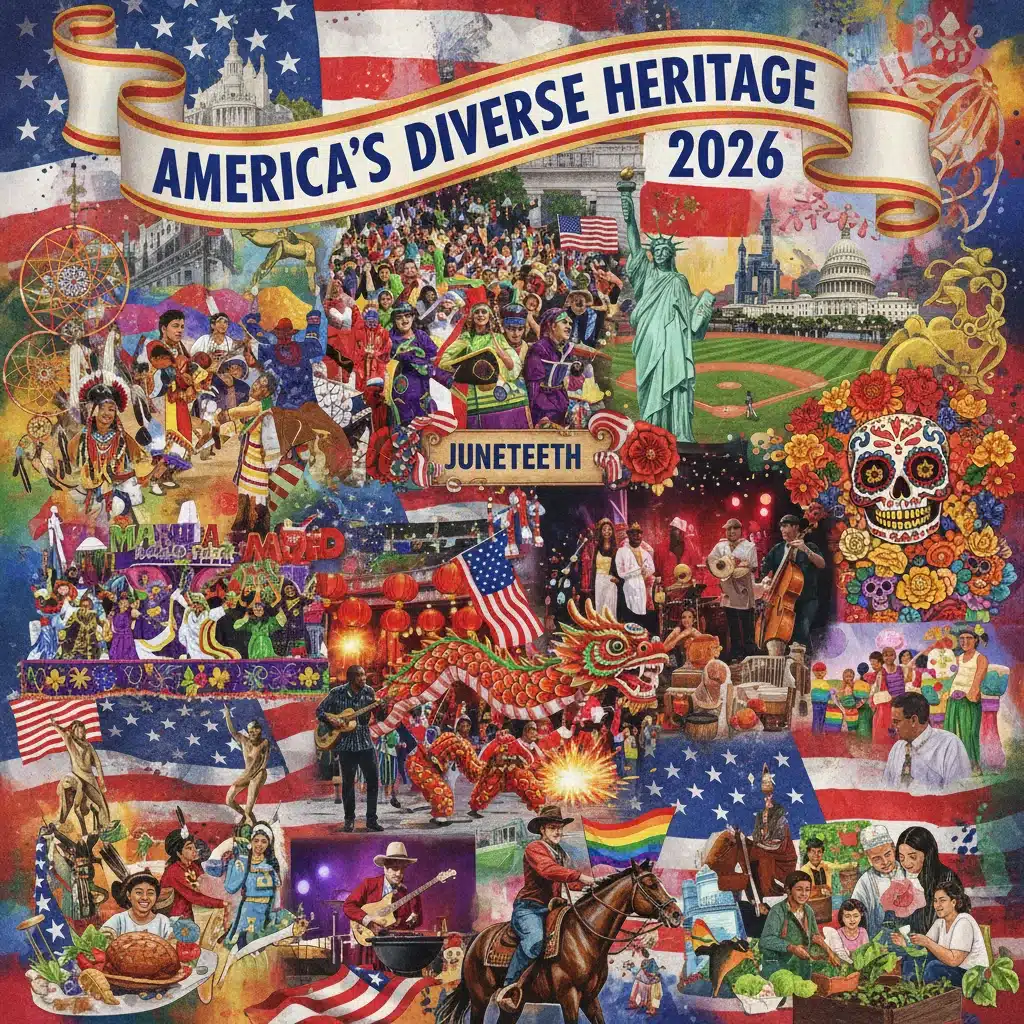
The United States is often described as a melting pot, and for good reason. Its rich tapestry of cultures, traditions, and histories is a testament to the myriad peoples who have contributed to its formation. Understanding America’s diverse heritage is not merely a historical exercise; it’s an ongoing journey that fosters empathy, strengthens community bonds, and enriches the national identity. In 2026, as in every year, the nation will observe several key cultural moments that highlight the contributions and struggles of different groups. This comprehensive guide will delve into three significant national cultural observances, exploring their origins, evolution, and profound impact on modern American society. Our focus on America Cultural Observances will provide a deeper appreciation for the mosaic that is the United States.
Anúncios
These observances are more than just dates on a calendar; they are periods of reflection, education, and celebration. They offer opportunities for all Americans to learn about the experiences of others, to acknowledge historical injustices, and to celebrate the resilience and achievements of diverse communities. By understanding these observances, we gain a more nuanced perspective on the American story, recognizing that it is composed of countless individual narratives woven together to form a collective whole. The year 2026 promises to be another important chapter in this ongoing narrative, with communities nationwide engaging in various activities to honor these pivotal moments. Let’s explore how these America Cultural Observances continue to shape the nation.
Anúncios
Black History Month: A Legacy of Resilience and Achievement
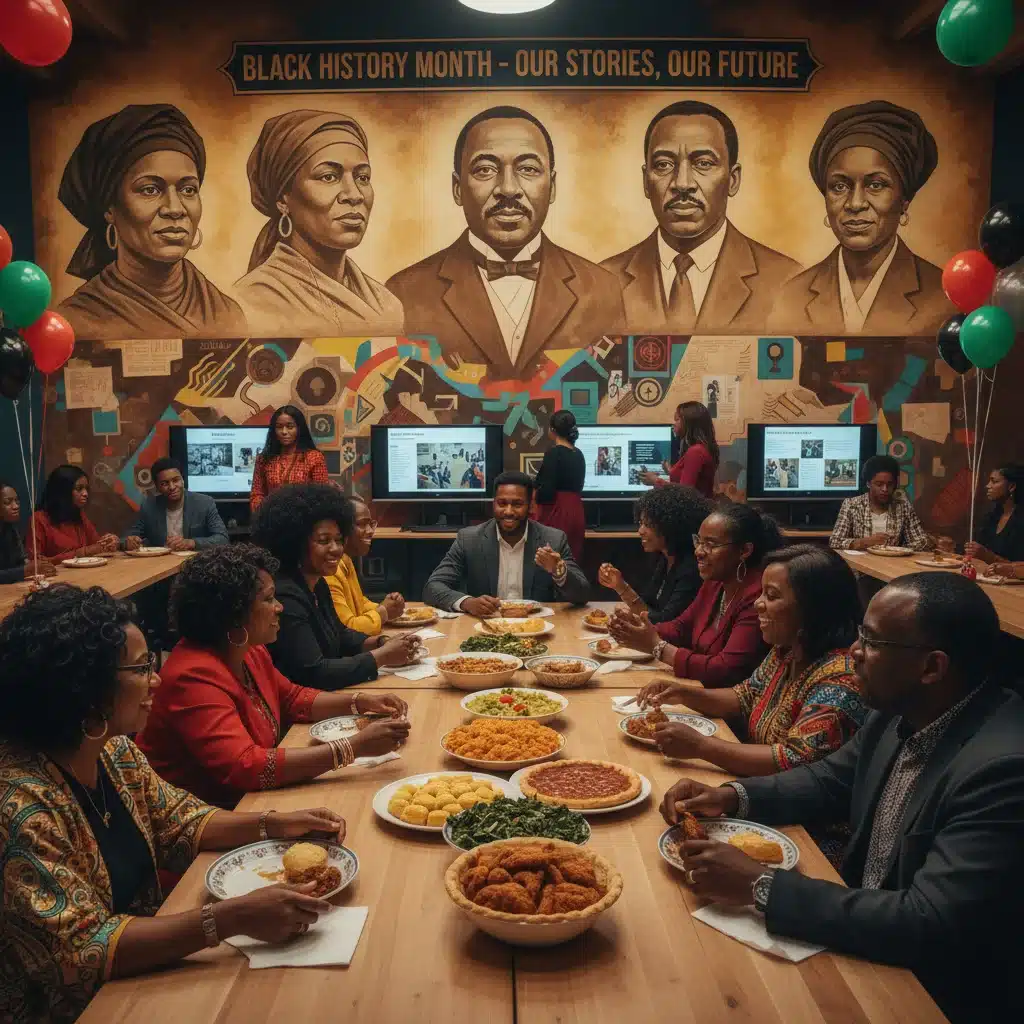
Black History Month, observed every February, stands as a powerful testament to the enduring spirit and immense contributions of African Americans throughout U.S. history. Its origins trace back to 1926 when historian Carter G. Woodson and the Association for the Study of Negro Life and History launched ‘Negro History Week.’ Woodson, often called the ‘Father of Black History,’ chose the second week of February to coincide with the birthdays of Abraham Lincoln and Frederick Douglass, figures central to the emancipation and civil rights movements. The week quickly gained traction, becoming a vital tool for educating the public about a history often overlooked or misrepresented in mainstream narratives. The transition from a week to a month-long observance began in the late 1960s, fueled by the Civil Rights Movement and growing awareness of Black identity. In 1976, President Gerald Ford officially recognized Black History Month, urging Americans to ‘seize the opportunity to honor the too-often neglected accomplishments of black Americans in every area of endeavor throughout our history.’
The significance of Black History Month extends far beyond mere remembrance. It serves as a crucial period for acknowledging the profound impact of African Americans on every facet of American life – from science, art, and literature to politics, sports, and social justice. It’s a time to celebrate pioneers like Dr. Martin Luther King Jr., Rosa Parks, Harriet Tubman, and Thurgood Marshall, whose courage and vision reshaped the nation. But it also highlights the countless unsung heroes, inventors, artists, and community leaders whose contributions built and enriched America. For 2026, expect a wide array of educational programs, art exhibitions, lectures, and community events focusing on specific themes or historical periods. These events aim to foster a deeper understanding of the Black experience, address ongoing racial inequalities, and inspire future generations. Engaging with Black History Month is essential for anyone seeking to understand the complex layers of America Cultural Observances.
Moreover, Black History Month is a dynamic observance, continually evolving to reflect contemporary issues and new scholarship. Recent years have seen increased attention to intersectionality within the Black community, exploring the experiences of Black women, LGBTQ+ individuals, and people with disabilities. There’s also a growing emphasis on celebrating Black joy, resilience, and cultural richness, moving beyond narratives solely focused on struggle and oppression. In 2026, discussions around systemic racism, police reform, and economic justice will likely remain prominent, underscoring the month’s role as a platform for advocacy and social change. Schools, universities, museums, and community organizations will play vital roles in curating content that is both historically accurate and relevant to current societal challenges. Participating in Black History Month events provides invaluable insights into the ongoing journey toward a more equitable and inclusive America. It’s a cornerstone of America Cultural Observances.
The impact of Black History Month is undeniable. It has spurred the creation of numerous academic programs, historical societies, and cultural institutions dedicated to preserving and promoting Black history. It has also helped to integrate Black history into the broader American historical narrative, ensuring that the contributions of African Americans are recognized as integral to the nation’s development. For many, it is a time of pride and affirmation, a period to celebrate identity and heritage. For others, it is an opportunity for learning and reflection, a chance to confront uncomfortable truths and work towards a more just future. As we look to 2026, Black History Month will continue to be a powerful force for education, remembrance, and progress, reinforcing its critical role among America Cultural Observances.
Hispanic Heritage Month: Celebrating the Richness of Latinx Cultures
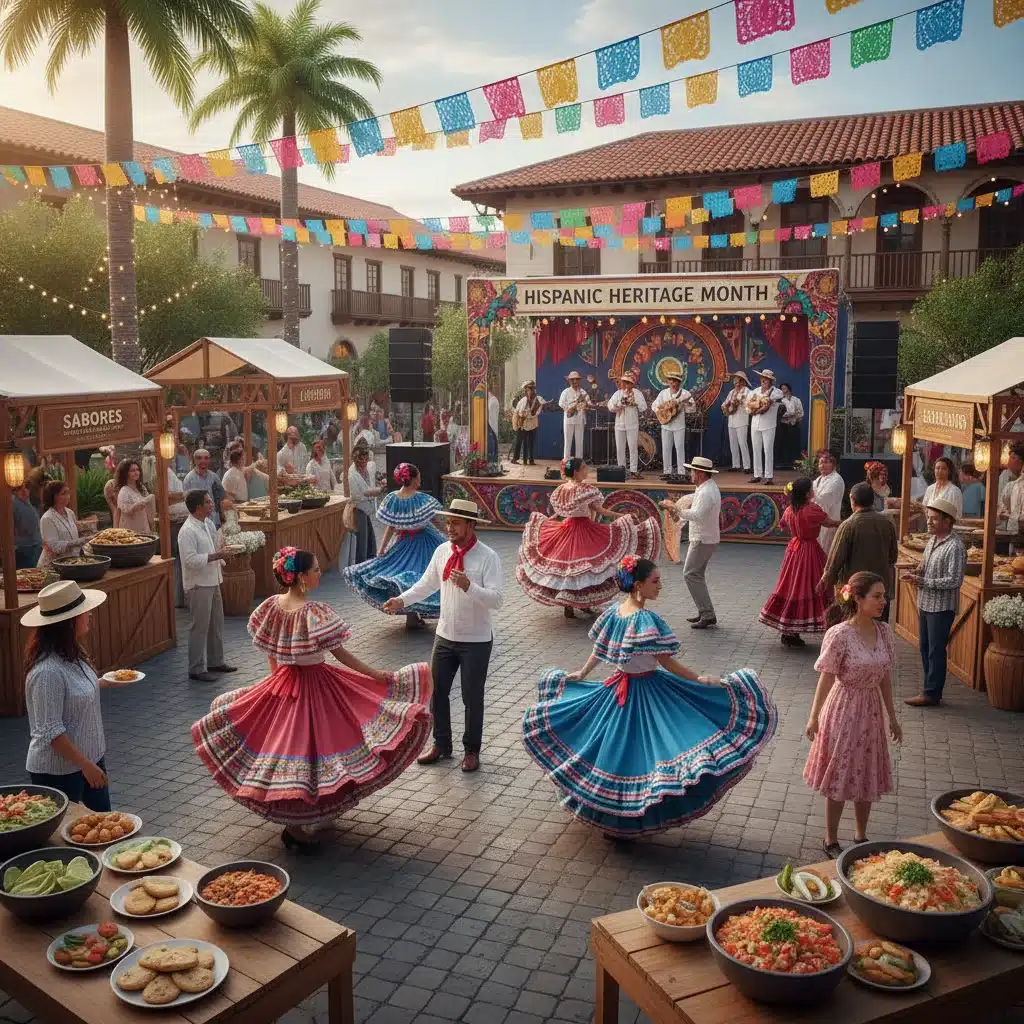
Hispanic Heritage Month, observed annually from September 15th to October 15th, is a vibrant celebration of the histories, cultures, and contributions of American citizens whose ancestors came from Spain, Mexico, the Caribbean, and Central and South America. The choice of dates is significant: September 15th marks the independence day of several Latin American countries—Costa Rica, El Salvador, Guatemala, Honduras, and Nicaragua—while Mexico and Chile celebrate their independence on September 16th and 18th, respectively. This period was initially recognized as Hispanic Heritage Week in 1968 by President Lyndon Johnson and was expanded to a month-long observance in 1988 by President Ronald Reagan. The expansion reflected the growing recognition of the Hispanic community’s increasing population and profound influence on American society. It’s a critical period for highlighting America Cultural Observances.
The term ‘Hispanic’ traditionally refers to people, cultures, or languages that trace their origins to Spain or Spanish-speaking countries. More recently, the term ‘Latinx’ (or Latino/Latina) has gained traction, encompassing people from Latin American countries, regardless of their language, and aiming to be more inclusive of gender non-conforming individuals. Hispanic Heritage Month acknowledges the diverse identities within this broad community, celebrating the unique traditions, languages, and artistic expressions that collectively enrich the United States. It’s a time to honor the myriad ways in which Hispanic and Latinx individuals have shaped the nation’s economy, politics, arts, and culinary landscape. From the earliest Spanish explorers to contemporary leaders in technology and science, their impact is undeniable. The celebration of these America Cultural Observances is crucial for national understanding.
In 2026, Hispanic Heritage Month will undoubtedly feature a kaleidoscope of events across the country. Expect lively festivals with traditional music and dance, culinary showcases featuring diverse Latin American cuisines, educational workshops on history and language, and art exhibitions highlighting the works of Hispanic and Latinx artists. Schools often incorporate lessons on figures like César Chávez, Sonia Sotomayor, Frida Kahlo, and Lin-Manuel Miranda, emphasizing their contributions to civil rights, justice, art, and entertainment. The month also serves as a platform for discussing current issues affecting the Hispanic and Latinx communities, such as immigration reform, economic empowerment, and political representation. These discussions are integral to the ongoing dialogue about diversity and inclusion in America. The depth and breadth of America Cultural Observances are truly showcased during this month.
The economic and cultural contributions of Hispanic and Latinx communities are vast. They represent a significant and growing demographic, influencing everything from consumer trends to electoral outcomes. Their entrepreneurial spirit drives local economies, and their cultural traditions infuse American life with vibrant music, dance, and culinary delights. Hispanic Heritage Month provides an opportunity to appreciate this dynamic influence and to foster greater understanding and respect between different cultural groups. It’s a time for both celebration and reflection, encouraging all Americans to learn about and engage with the rich heritage of their Hispanic and Latinx neighbors. This observance is a cornerstone of America Cultural Observances, fostering unity through diversity.
Native American Heritage Month: Honoring Indigenous Roots
Native American Heritage Month, observed every November, is dedicated to celebrating the rich and diverse cultures, traditions, and histories of Indigenous peoples in the United States. It is also a time to acknowledge the significant contributions of Native Americans to the growth and character of the nation and to raise awareness about the unique challenges they have faced and continue to face. The origins of this observance can be traced back to the early 20th century, with efforts by individuals like Dr. Arthur C. Parker (a Seneca Indian) and organizations like the Congress of the American Indian Association to establish a day or week to honor Native Americans. President George H.W. Bush officially designated November as National American Indian Heritage Month in 1990, building on resolutions passed by previous presidents. This formal recognition marked a crucial step in ensuring that the stories and contributions of Indigenous peoples were given due prominence within the national narrative of America Cultural Observances.
The significance of Native American Heritage Month cannot be overstated. It provides a vital platform to educate the public about the complex and often painful history of colonization, forced displacement, and cultural suppression that Indigenous communities have endured. Simultaneously, it celebrates the incredible resilience, spiritual wisdom, artistic achievements, and enduring traditions of hundreds of distinct tribal nations. From the sophisticated agricultural practices that fed early settlers to profound philosophical insights about environmental stewardship, Native American contributions have shaped the continent in innumerable ways. The month encourages a deeper understanding of tribal sovereignty, treaty rights, and the ongoing efforts of Indigenous communities to preserve their languages, cultures, and self-determination. It is a time for genuine reconciliation and a commitment to justice, central to the spirit of America Cultural Observances.
In 2026, Native American Heritage Month will likely feature a variety of educational and cultural events, both in person and online. Expect powwows, traditional storytelling sessions, art and craft exhibitions showcasing Indigenous artists, lectures on tribal histories and contemporary issues, and film screenings. Many museums and cultural institutions will host special programs designed to highlight the diversity of Native American cultures across different regions and tribes. There will also be a focus on contemporary Native American voices in literature, music, and activism, demonstrating the continued vitality and influence of Indigenous communities. Discussions around land rights, environmental protection, and the reclamation of ancestral lands will also be prominent, reflecting ongoing struggles and triumphs. These dialogues are fundamental to understanding the breadth of America Cultural Observances.
A key aspect of Native American Heritage Month is the emphasis on dispelling stereotypes and promoting accurate representations of Indigenous peoples. It’s an opportunity to move beyond simplistic portrayals and to appreciate the complexity and modernity of Native American life. The month encourages non-Native Americans to learn about the specific tribes within their regions, to understand local Indigenous histories, and to support Native-led initiatives. It’s also a time for Native Americans themselves to celebrate their heritage, share their stories, and strengthen community ties. This collective effort to honor indigenous roots is an indispensable part of America Cultural Observances, fostering respect and understanding across all communities.
The enduring legacy of Native American cultures is a source of immense pride and wisdom. Their deep connection to the land, their oral traditions, and their spiritual practices offer valuable lessons for all of humanity. Native American Heritage Month serves as a powerful reminder that the history of America began long before European arrival and that Indigenous peoples continue to play a vital role in shaping the nation’s future. As we approach 2026, this observance will continue to be a crucial period for education, advocacy, and celebration, ensuring that the voices and contributions of Native Americans are heard and honored. It reinforces the importance of America Cultural Observances in creating a truly inclusive society.
The Interconnectedness of America Cultural Observances
While Black History Month, Hispanic Heritage Month, and Native American Heritage Month each focus on distinct communities, their collective observance underscores a fundamental truth about the United States: its strength and identity are inextricably linked to its diversity. These America Cultural Observances are not isolated events; rather, they are interwoven threads in the larger fabric of American history and culture. Each month provides a unique lens through which to view the nation’s past, present, and future, highlighting both the challenges and triumphs that have shaped different groups.
The common threads running through these observances include themes of resilience in the face of adversity, the fight for civil rights and equality, the preservation of cultural heritage, and the pursuit of self-determination. They all serve as educational tools, challenging dominant narratives and ensuring that the stories of marginalized communities are brought to the forefront. By engaging with these diverse histories, Americans gain a more complete and accurate understanding of how the nation was built and continues to evolve. This holistic approach to America Cultural Observances enriches everyone.
Furthermore, these observances often intersect and inform one another. For instance, discussions during Black History Month about the Civil Rights Movement can naturally lead to conversations about how those struggles inspired and connected with movements for Indigenous rights or Latinx worker’s rights. The shared experiences of discrimination and the common pursuit of justice create a powerful bond between these communities. Recognizing these connections fosters greater solidarity and encourages collective action towards a more equitable society. Understanding these linkages is key to appreciating the depth of America Cultural Observances.
In 2026, we anticipate continued efforts to broaden the scope of these observances, making them more inclusive and relevant to contemporary issues. This might involve greater emphasis on intersectional identities within each group (e.g., Afro-Latinx experiences, LGBTQ+ Native Americans) or exploring the ways in which different cultural groups collaborate and support each other. The digital age also provides new avenues for engagement, allowing for wider dissemination of information and fostering global dialogues about American diversity. Educational institutions, community organizations, and government entities will continue to play crucial roles in organizing events that are both informative and inspiring, making these America Cultural Observances accessible to all.
The celebration of America Cultural Observances is not merely about looking back; it’s also about looking forward. These months inspire future generations to embrace their heritage, to advocate for justice, and to contribute to a more inclusive society. They remind us that the American story is still being written, and every individual and community has a vital role to play in shaping its next chapters. By actively participating in and learning from Black History Month, Hispanic Heritage Month, and Native American Heritage Month, we contribute to a stronger, more empathetic, and more unified nation. It is through this engagement that the true spirit of America Cultural Observances shines brightest.
Embracing the Future of American Diversity
As we navigate through 2026 and beyond, the continued recognition and celebration of America Cultural Observances will remain paramount. The demographic landscape of the United States is constantly shifting, becoming even more diverse with each passing year. This growing diversity is not a challenge to be overcome, but rather an immense strength to be embraced and nurtured. Cultural observances provide the essential framework for this embrace, offering dedicated times to reflect on the past, celebrate the present, and envision a more inclusive future.
The lessons learned from these observances extend far beyond their designated months. They encourage ongoing dialogue, critical thinking about societal structures, and a deeper appreciation for the myriad ways in which people experience and contribute to American life. For businesses, schools, government agencies, and individuals alike, engaging with these observances fosters cultural competence, which is increasingly vital in a globalized world. It helps to break down barriers, challenge unconscious biases, and build bridges of understanding between different communities. This continuous engagement solidifies the importance of America Cultural Observances throughout the year.
Moreover, these cultural months are powerful catalysts for social change. They provide platforms for activism, advocacy, and policy discussions that address historical injustices and ongoing inequalities. By shining a spotlight on specific communities, they mobilize support for initiatives aimed at improving education, healthcare, economic opportunities, and political representation for all. The visibility and awareness generated during these times can have lasting impacts, driving progress long after the month concludes. The sustained momentum from America Cultural Observances is invaluable for national development.
Looking ahead to 2026, we can anticipate that technology will continue to play an increasingly significant role in how these observances are celebrated and shared. Virtual events, online educational resources, and social media campaigns will expand reach and accessibility, allowing more people than ever to participate and learn. This digital evolution ensures that the stories and contributions of diverse communities can transcend geographical boundaries, connecting people across the nation and even globally. It also presents opportunities for innovative storytelling and interactive learning experiences, making America Cultural Observances more engaging for younger generations.
Ultimately, the true value of America Cultural Observances lies in their ability to remind us that patriotism is not monolithic; it is a complex, multifaceted concept that encompasses a love for the nation’s ideals while also acknowledging its imperfections and striving for continuous improvement. By honoring the diverse heritage of all its people, the United States strengthens its foundational principles of liberty, justice, and equality for all. Let us commit to actively participating in these observances, not just as spectators, but as engaged citizens who recognize that understanding and celebrating our differences is the surest path to a more perfect union. The continued vibrancy of America Cultural Observances is a testament to the nation’s commitment to its diverse people.