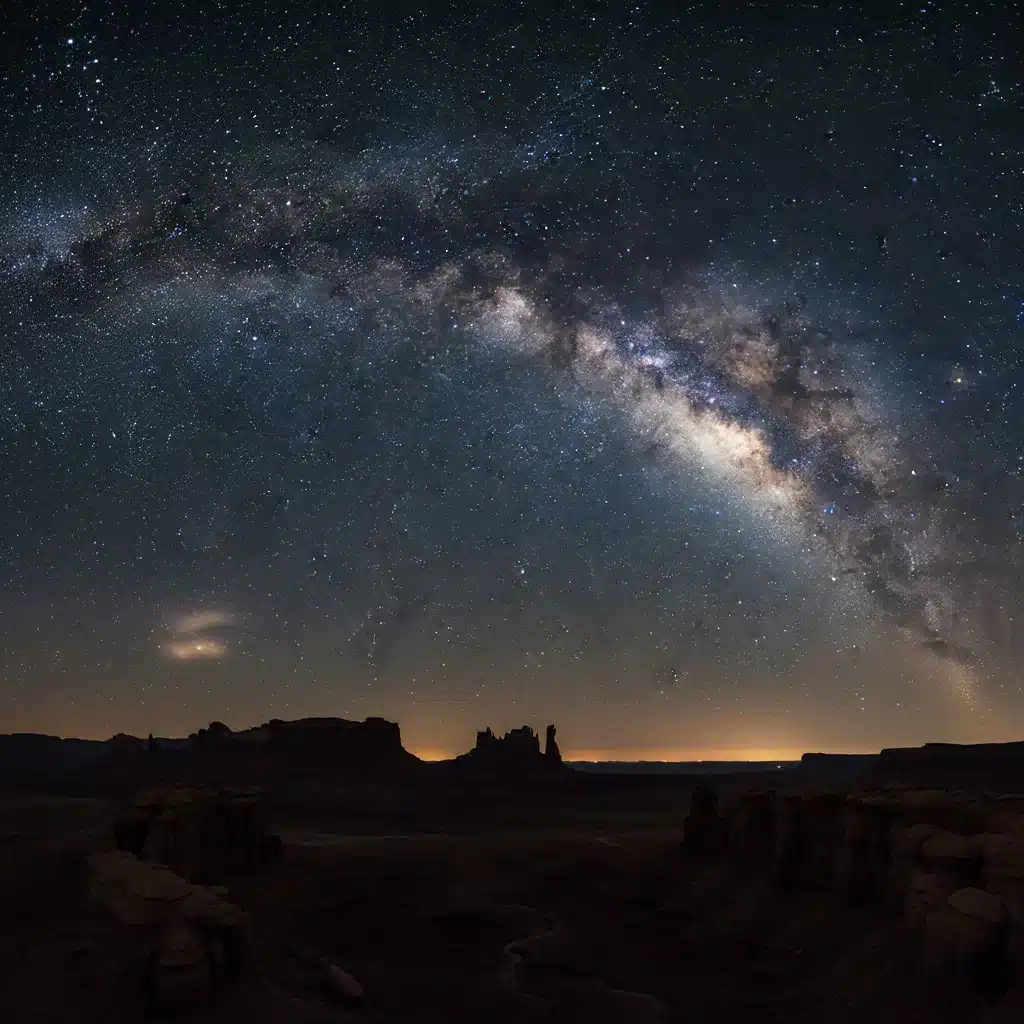
For millennia, humanity has looked up at the night sky, captivated by the twinkling lights and the vast, unknown expanse above. In our modern world, with its ever-expanding cities and pervasive light pollution, finding a truly dark sky has become a rare and precious experience. Fortunately, the United States is home to an incredible network of National Parks, many of which are designated International Dark Sky Parks, offering unparalleled opportunities for National Park Stargazing. As we look ahead to 2026, the allure of these pristine celestial sanctuaries grows stronger. This comprehensive guide will take you on a journey through the top 6 U.S. National Parks for an unforgettable stargazing adventure in 2026, helping you plan your perfect cosmic escape.
Imagine a night where the Milky Way isn’t just a faint smudge but a brilliant river of stars, stretching from horizon to horizon. Picture yourself identifying constellations with ease, spotting distant galaxies, and perhaps even witnessing a meteor shower under skies so dark they feel otherworldly. This is the promise of National Park Stargazing. Beyond the sheer beauty, these parks offer educational programs, ranger-led events, and a chance to reconnect with the natural world in its most awe-inspiring form. Whether you’re a seasoned astronomer or a curious beginner, these destinations are guaranteed to ignite your sense of wonder.
Anúncios
Why National Parks are Premier Stargazing Destinations
The primary reason National Parks excel for stargazing is their commitment to preserving natural darkness. Many are far removed from urban centers, minimizing light pollution. Furthermore, several parks actively pursue and achieve International Dark Sky Park (IDSP) status, a designation awarded by the International Dark-Sky Association (IDA). This status signifies a park’s exceptional quality of starry nights and its dedication to protecting that environment through responsible lighting policies and public education. When you choose a National Park for National Park Stargazing, you’re not just finding a dark spot; you’re visiting a place where the night sky is valued and protected.
Anúncios
Beyond the darkness, National Parks often provide excellent infrastructure for visitors. Many offer designated viewing areas, astronomy programs led by knowledgeable rangers, and even telescope rentals. The natural landscapes themselves often enhance the stargazing experience, providing dramatic backdrops for celestial observations. From towering canyons to vast deserts and ancient forests, the terrestrial beauty complements the cosmic spectacle above, creating a holistic and unforgettable experience. Planning your National Park Stargazing trip to one of these locations ensures you’re maximizing your chances for a truly spectacular night.
Criteria for Choosing the Best Stargazing Parks
When compiling our list of the top 6 U.S. National Parks for stargazing in 2026, we considered several key factors:
- Darkness Rating: We prioritized parks with excellent Bortle Scale ratings (1-3), indicating minimal to no light pollution.
- Accessibility and Infrastructure: Parks that offer good access, visitor centers, and amenities (campgrounds, lodging) were favored.
- Stargazing Programs: The availability of ranger-led programs, astronomy events, and educational opportunities significantly enhances the experience.
- Unique Astronomical Features: Some parks offer specific celestial phenomena or unique viewing perspectives that set them apart.
- Overall Visitor Experience: We also considered the general appeal and other daytime activities available at each park, making it a well-rounded destination.
By focusing on these criteria, we’ve curated a list that promises not just dark skies, but also enriching and accessible National Park Stargazing experiences for all.
The Top 6 U.S. National Parks for Stargazing in 2026
1. Death Valley National Park, California/Nevada
Why it’s stellar: Death Valley, the largest national park in the contiguous U.S., boasts some of the darkest skies imaginable. It holds the highest possible ‘Gold Tier’ International Dark Sky Park designation. Its vast, arid landscape and remote location mean virtually no light pollution, making the Milky Way appear so bright it casts shadows. The sheer scale of the park offers countless vantage points, from Badwater Basin’s salt flats to Zabriskie Point’s badlands.
What to expect: Expect incredibly clear, dark skies, especially during moonless nights. The park hosts regular ranger-led astronomy programs during the cooler months (typically October through April). Temperatures can be extreme, so plan your visit during the fall, winter, or spring for comfortable night viewing. Bring warm layers, even in the desert, as temperatures drop significantly after sunset. This is a prime location for serious astrophotography and an unparalleled National Park Stargazing experience.
Best viewing spots: Mesquite Flat Sand Dunes, Badwater Basin, Zabriskie Point, Harmony Borax Works.
2. Big Bend National Park, Texas
Why it’s stellar: Located in Southwest Texas, bordering Mexico, Big Bend National Park is one of the most remote and least light-polluted areas in the entire United States. It’s renowned for having the darkest night skies of any national park in the lower 48 states, also holding a Gold Tier IDSP status. The dramatic Chihuahuan Desert landscape provides a stunning foreground for the brilliant celestial display above.
What to expect: Prepare for a truly wild and isolated National Park Stargazing adventure. The skies here are so dark that the zodiacal light (a faint, diffuse glow seen near the horizon after sunset or before sunrise, caused by sunlight scattering off cosmic dust) is often visible. Ranger programs are frequent, especially during peak seasons. Be aware of the remote nature of the park; services are limited, so come prepared with all necessities. The spring and fall offer the most pleasant weather for night activities.
Best viewing spots: Panther Junction, Cottonwood Campground, Sotol Vista Overlook, remote backcountry sites.
3. Canyonlands National Park, Utah
Why it’s stellar: Utah is a mecca for dark sky enthusiasts, and Canyonlands National Park is a shining example. It’s a certified Gold Tier IDSP, offering expansive views of the night sky above its iconic mesa-and-canyon landscape. The park’s three distinct districts (Island in the Sky, The Needles, and The Maze) each offer unique perspectives for National Park Stargazing.
What to expect: The dry desert air and high elevation contribute to exceptionally clear skies. Ranger-led programs are common in the more accessible Island in the Sky district. While all districts offer incredible stargazing, Island in the Sky is the most developed and easiest to access for night viewing. Spring and fall are ideal for mild temperatures. Consider combining a trip here with nearby Arches National Park for a double dose of celestial beauty, as Arches is also an IDSP.
Best viewing spots: Mesa Arch (for sunrise and stars), Grand View Point, Green River Overlook, any pull-off in the Island in the Sky district.
4. Great Basin National Park, Nevada
Why it’s stellar: Tucked away in eastern Nevada, Great Basin National Park is a hidden gem for National Park Stargazing. It boasts a ‘Gold Tier’ IDSP designation and is home to the Great Basin Observatory, making it a hub for astronomical research and public outreach. The park’s high elevation and isolation from major cities ensure incredibly dark and transparent skies.
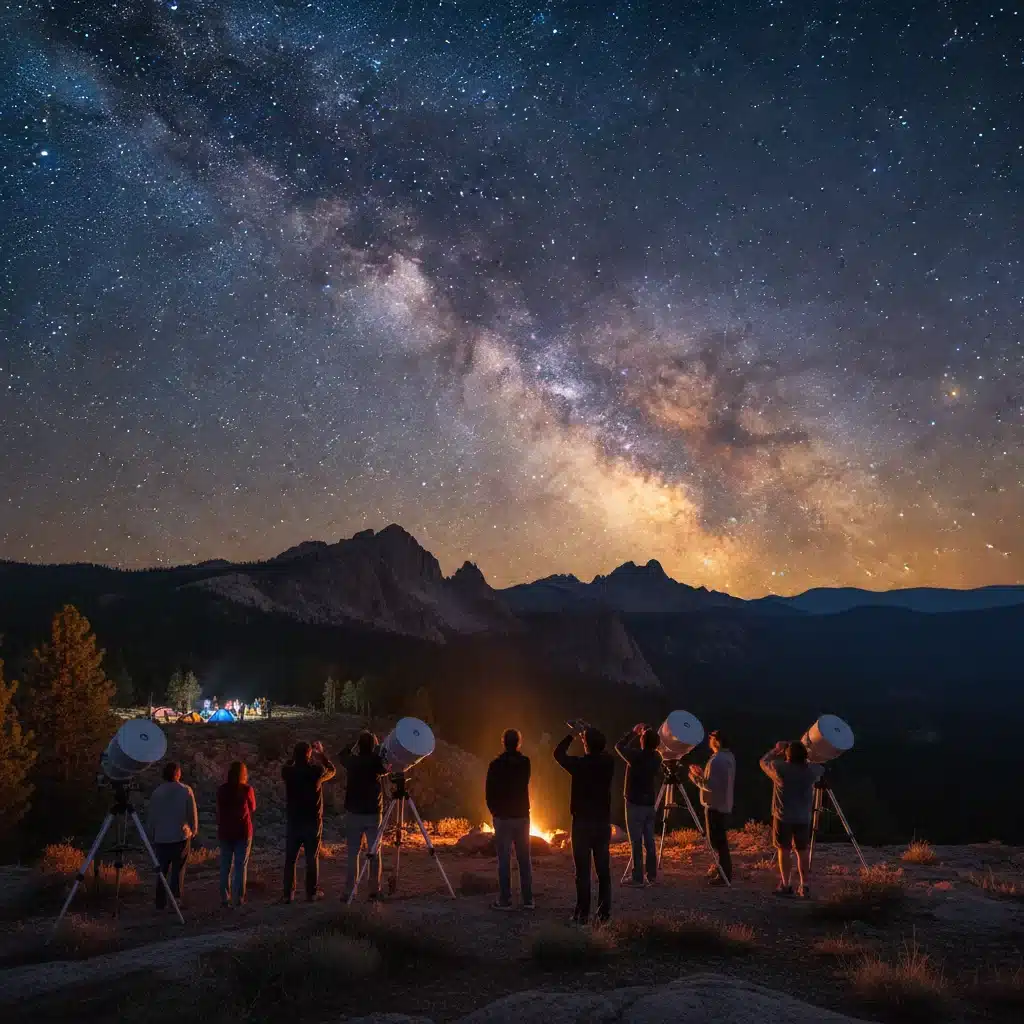
What to expect: Great Basin offers a diverse landscape, from alpine peaks (including Wheeler Peak, over 13,000 feet) to ancient bristlecone pine groves and Lehman Caves. This variety makes for stunning foregrounds for night sky photography. The park has a dedicated astronomy program, often featuring telescope viewing and educational talks. Summers are popular, but spring and fall offer fewer crowds and pleasant temperatures. Be prepared for cooler mountain nights, even in summer.
Best viewing spots: Lehman Caves Visitor Center (for programs), Wheeler Peak Scenic Drive pull-offs, Mather Overlook.
5. Joshua Tree National Park, California
Why it’s stellar: Located just a few hours east of Los Angeles, Joshua Tree National Park offers a surprisingly accessible yet profoundly dark sky experience. It’s a certified International Dark Sky Park, known for its unique Joshua trees silhouetted against the starry backdrop, creating iconic photographic opportunities. The park’s relatively low elevation compared to some others makes it a good option for those sensitive to high altitudes.
What to expect: Joshua Tree is a popular destination, so expect more visitors than some of the more remote parks on this list, especially on weekends. However, the park is vast, and it’s still possible to find secluded spots for National Park Stargazing. Ranger-led programs are frequent, particularly during the cooler months (October to May). The mild winter temperatures make it an excellent choice for year-round stargazing, though summer nights can be very warm. The unique flora and rock formations provide an otherworldly feel to your night sky observations.
Best viewing spots: Cottonwood Spring, Skull Rock, Pinto Basin Road, any of the numerous pull-offs away from campgrounds.
6. Acadia National Park, Maine
Why it’s stellar: Breaking away from the desert landscapes, Acadia National Park in Maine offers a coastal National Park Stargazing experience. It holds a ‘Silver Tier’ IDSP designation and is one of the few places on the East Coast where truly dark skies can still be found. The lack of major cities nearby and the clear Atlantic air contribute to excellent viewing conditions. The annual Acadia Night Sky Festival is a major draw for astronomy enthusiasts.
What to expect: Acadia’s unique combination of mountains, forests, and coastline provides diverse viewing locations. Cadillac Mountain, the highest point on the U.S. East Coast, offers panoramic views of the night sky, though it can be windy and cold. The park’s Night Sky Festival, usually in September, features workshops, presentations, and telescope viewing. Summers are popular, but fall offers stunning foliage and crisp, clear nights perfect for stargazing. Be prepared for cooler, potentially damp weather due to the coastal location.
Best viewing spots: Cadillac Mountain (reservations often required), Seawall, Sand Beach (after hours), Bass Harbor Head Light.
Tips for an Optimal National Park Stargazing Experience
To make the most of your National Park Stargazing trip in 2026, consider these essential tips:
- Check the Moon Phase: A new moon (or crescent moon) is ideal for seeing faint objects like the Milky Way. A full moon, while beautiful, will wash out many stars.
- Monitor Weather Forecasts: Clear skies are paramount. Check for cloud cover, haze, and potential storms.
- Dress in Layers: Even in deserts, nights can get surprisingly cold. Bring warm clothing, hats, and gloves.
- Use a Red Headlamp: Red light preserves your night vision, which can take 20-30 minutes to fully adapt to darkness. White light will ruin it instantly.
- Bring Binoculars or a Telescope: Even a simple pair of binoculars can reveal countless more stars and celestial objects than the naked eye.
- Download Stargazing Apps: Apps like SkyView Lite, Star Walk, or Stellarium can help you identify constellations, planets, and satellites.
- Allow Your Eyes to Adjust: Give your eyes at least 20-30 minutes in complete darkness to fully adapt.
- Stay Hydrated and Bring Snacks: Stargazing sessions can last for hours.
- Practice "Leave No Trace": Pack out everything you pack in. Be respectful of wildlife and the natural environment.
- Check Park-Specific Regulations: Some parks have designated stargazing areas, specific hours, or require permits for night activities. Always check the park’s official website before your visit.
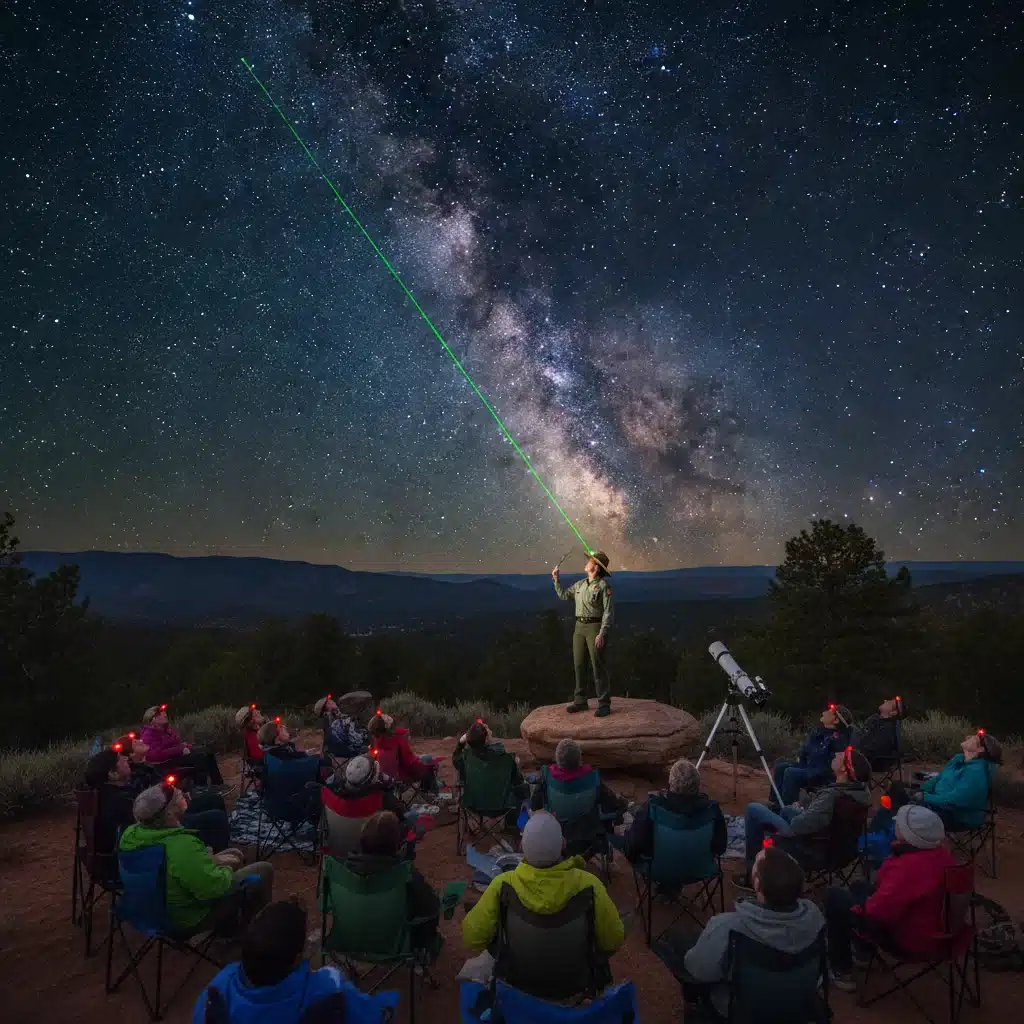
- Attend Ranger Programs: Park rangers are a wealth of knowledge and often lead fantastic interpretive programs that enhance your understanding and appreciation of the night sky.
- Consider Astrophotography: If you’re into photography, the dark skies of these parks offer incredible opportunities. Bring a sturdy tripod and learn basic astrophotography techniques.
Beyond the Big Six: Other Notable Dark Sky Parks
While our top 6 offer exceptional National Park Stargazing, many other U.S. National Parks are also fantastic dark sky destinations worth considering for your 2026 plans:
- Zion National Park, Utah: Another Utah gem with impressive canyon views under dark skies.
- Bryce Canyon National Park, Utah: Famous for its Hoodoos and incredible night sky programs.
- Grand Canyon National Park, Arizona: The sheer scale of the canyon combined with dark skies is breathtaking.
- Capitol Reef National Park, Utah: Often overlooked, offering serene dark skies and unique geology.
- Petrified Forest National Park, Arizona: Ancient wood under ancient stars.
- Voyageurs National Park, Minnesota: Northern lights potential in a wilderness setting.
These parks, among many others, are actively working to preserve their dark skies and offer fantastic opportunities for cosmic exploration.
Planning Your 2026 Stargazing Adventure
As you plan your 2026 National Park Stargazing adventure, remember that timing is everything. Aim for dates around the new moon for the darkest skies. Consider visiting during meteor showers (like the Perseids in August or Geminids in December) for an added spectacle. Book accommodations or campsites well in advance, especially for popular parks during peak seasons. Research specific park events and ranger programs to enrich your experience.
Ultimately, a trip to one of these dark sky national parks is more than just seeing stars; it’s an immersive experience that connects you to the universe in a profound way. It’s an opportunity to escape the hustle and bustle of daily life, breathe in fresh air, and witness the awe-inspiring beauty of our cosmos. So, pack your bags, grab your binoculars, and prepare to be amazed by the celestial wonders awaiting you in the U.S. National Parks in 2026. Happy stargazing!