The Best High-Yield Savings Accounts for 2026: Earning 4.5% APY or More on Your Deposits
In today’s dynamic financial landscape, simply letting your money sit in a traditional savings account is akin to leaving potential earnings on the table. With inflation often eroding purchasing power, finding avenues to not only preserve but actively grow your wealth is paramount. This is where high-yield savings accounts come into play, offering significantly better interest rates than their conventional counterparts. As we look towards 2026, the financial market continues to present opportunities for savvy savers to earn 4.5% APY or even more on their deposits. This comprehensive guide will delve into the world of high-yield savings, equipping you with the knowledge to identify, choose, and leverage the best accounts to maximize your financial growth.
Anúncios
The concept of a high-yield savings account is simple yet powerful: it’s a savings account that pays a higher interest rate than the national average. These accounts are typically offered by online banks, which have lower overhead costs compared to traditional brick-and-mortar institutions. These savings can then be passed on to consumers in the form of elevated Annual Percentage Yields (APYs). For anyone serious about building an emergency fund, saving for a down payment, or simply wanting to make their idle cash work harder, understanding and utilizing high-yield savings accounts is a non-negotiable step.
Anúncios
Why High-Yield Savings Accounts are Essential for Your Financial Health
In an era where every penny counts, the difference between a 0.01% APY and a 4.5% APY is substantial over time. Let’s break down why these accounts are not just a luxury, but a necessity for robust financial planning.
Combating Inflation
Inflation is the silent killer of wealth. If your money isn’t growing at a rate that at least matches inflation, its purchasing power diminishes over time. A high-yield savings account acts as a crucial defense mechanism, ensuring your money keeps pace, or ideally, outpaces the rising cost of living. For instance, if inflation is at 3% and your savings account yields 0.5%, you’re losing 2.5% of your money’s value each year. However, with a 4.5% APY, you’re gaining 1.5% in real terms, actively increasing your wealth.
Building an Emergency Fund Effectively
Financial experts universally recommend having an emergency fund covering 3 to 6 months of living expenses. This fund needs to be liquid (easily accessible) and safe. While traditional savings accounts offer liquidity and safety, they offer negligible returns. High-yield accounts provide the perfect balance: your money is readily available when you need it, and it’s continuously growing, making your emergency fund more robust without additional effort on your part. Think about it: an extra few hundred dollars in interest over a year could cover a small unexpected bill, reinforcing the very purpose of an emergency fund.
Achieving Short-Term Financial Goals Faster
Whether you’re saving for a new car, a down payment on a house, a lavish vacation, or even a large purchase, a high-yield savings account can significantly accelerate your progress. The compounding interest means your money earns money, which then earns more money, creating a snowball effect. This can shave months or even years off your savings timeline, allowing you to reach your goals sooner and enjoy the fruits of your labor.
Diversifying Your Savings Strategy
While investing in the stock market offers higher potential returns, it also comes with higher risk and volatility. High-yield savings accounts offer a low-risk alternative for funds you can’t afford to lose, providing a stable foundation for your overall financial portfolio. They are an excellent complement to investments, offering a safe harbor for your more conservative savings goals while your riskier assets pursue higher growth.
What to Look for in a High-Yield Savings Account in 2026
With numerous options available, choosing the right high-yield savings account requires careful consideration of several key factors. Here’s what to prioritize:
Annual Percentage Yield (APY)
This is arguably the most crucial factor. APY reflects the total amount of interest paid on a deposit account over a year, taking into account the effects of compounding interest. Always compare APYs across different banks. Aim for accounts offering 4.5% APY or higher, as advertised for 2026. Be aware that APYs can be variable and subject to change, so it’s wise to monitor rates periodically.
FDIC Insurance
Safety should never be compromised. Ensure the bank offering the high-yield account is FDIC-insured (for U.S. banks). This protects your deposits up to $250,000 per depositor, per insured bank, for each account ownership category, even if the bank fails. This guarantee provides peace of mind, making high-yield savings accounts a secure place for your funds.
Minimum Balance Requirements and Fees
Some banks require a minimum opening deposit or a minimum daily balance to earn the advertised APY or to avoid monthly maintenance fees. Carefully read the terms and conditions to ensure these requirements align with your financial capacity. The best accounts often have no minimum balance requirements and no monthly fees, making them accessible to a wider range of savers.
Accessibility and Transfer Options
While high-yield accounts are typically online, consider how easily you can access your funds. Look for convenient ways to deposit and withdraw money, such as electronic transfers (ACH), wire transfers, mobile check deposits, and ATM access (though this is less common for pure savings accounts). Seamless integration with your primary checking account is a significant plus.
Customer Service
Even with online banks, reliable customer service is important. Check for available support channels (phone, email, chat), hours of operation, and overall reputation for responsiveness and helpfulness. Reading customer reviews can provide valuable insights into their service quality.
Top Contenders for High-Yield Savings Accounts in 2026 (4.5% APY+)
While specific rates and offerings can change, here are some types of institutions and common features to look for that are likely to offer competitive high-yield savings accounts in 2026:
Online-Only Banks
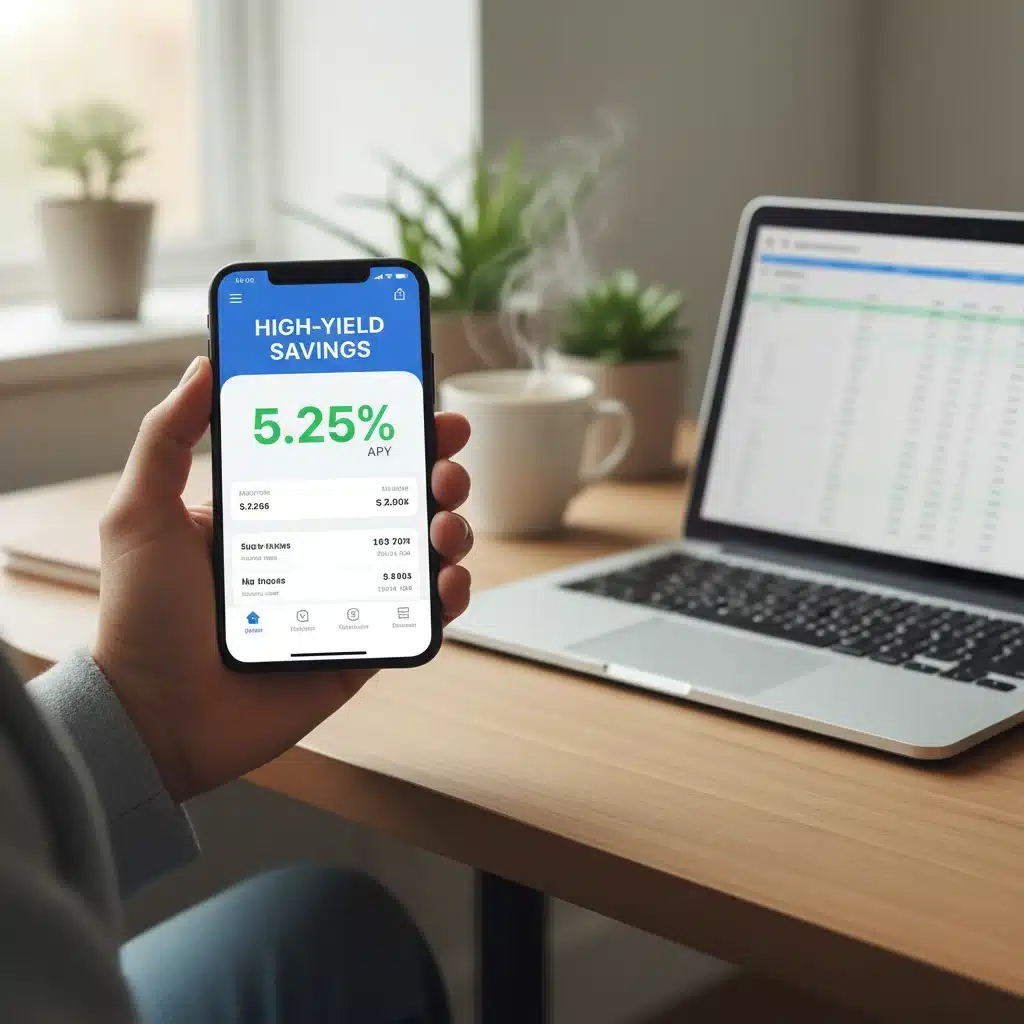
These are often your best bet for the highest APYs. Without the overhead of physical branches, online banks can pass those savings onto their customers. Examples often include Ally Bank, Discover Bank, Marcus by Goldman Sachs, and Capital One 360. These banks typically offer user-friendly online platforms, mobile apps, and competitive rates with minimal fees.
Credit Unions
Credit unions are member-owned financial institutions that often offer competitive rates on savings accounts, sometimes matching or even exceeding those of online banks. While they may have fewer branches, many offer robust online and mobile banking options. Membership requirements usually apply, but they are often easy to meet.
Hybrid Banks
Some traditional banks have established online divisions that offer higher-yield products. This can be a good option if you prefer the security of a well-known name but still want better returns. Always compare their online-only offerings with their standard branch accounts, as the rates can differ significantly.
Neobanks and Fintech Companies
The rise of financial technology (fintech) companies and neobanks (digital-only banks) has introduced innovative savings products. While some may not be traditional banks, they often partner with FDIC-insured institutions to provide the same level of protection. Be sure to verify FDIC insurance for any such offerings.
Maximizing Your Earnings with a High-Yield Savings Account
Simply opening an account is just the first step. To truly maximize your earnings, consider these strategies:
Automate Your Savings
Set up automatic transfers from your checking account to your high-yield savings account on a regular basis (e.g., weekly, bi-weekly, or monthly). This ‘set it and forget it’ approach ensures consistent contributions, leveraging the power of compounding without requiring constant attention.
Leverage Compounding Interest
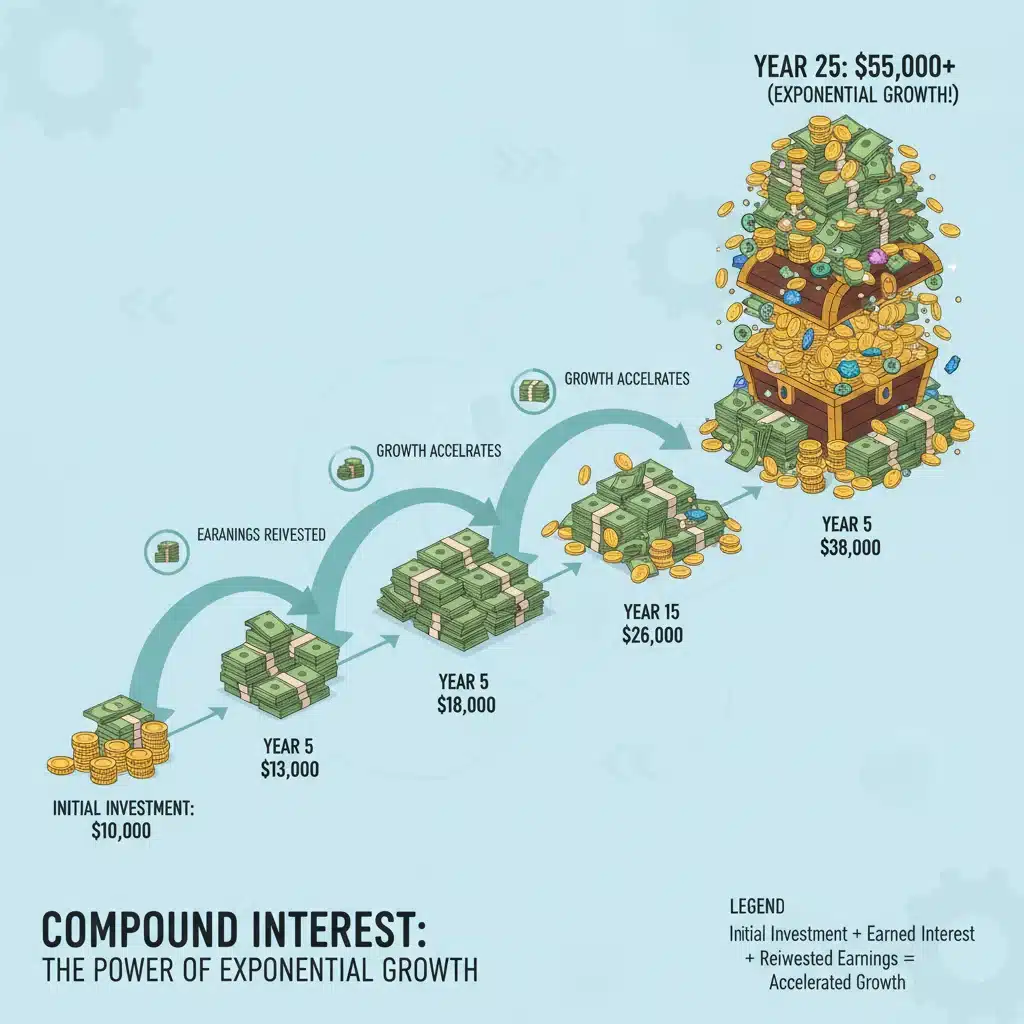
The magic of compounding interest is that your interest earns interest. The more frequently interest is compounded (daily, monthly), the faster your money grows. High-yield accounts inherently benefit from this, but consistent contributions amplify its effect. The earlier you start saving, the more time compounding has to work its magic.
Stay Informed About Rate Changes
Interest rates are dynamic and can fluctuate based on economic conditions and Federal Reserve policy. While you don’t need to check daily, periodically review rates from your bank and competitors. If a significantly higher APY becomes available elsewhere, consider transferring your funds to optimize your returns. Many banks are proactive in communicating rate changes, so pay attention to their notifications.
Avoid Unnecessary Withdrawals
While these accounts offer liquidity, frequent withdrawals can counteract the benefits of compounding interest. Try to keep your savings untouched unless it’s for the intended purpose of your fund (e.g., an emergency or a planned goal). Treat your high-yield savings like a dedicated growth engine for specific objectives.
Understand Tax Implications
The interest you earn from a high-yield savings account is considered taxable income. You’ll receive a 1099-INT form from your bank if you earn over a certain threshold (typically $10). Factor this into your financial planning, especially if you anticipate significant interest earnings.
Common Misconceptions About High-Yield Savings Accounts
Despite their benefits, some myths persist about high-yield savings accounts that can deter potential savers. Let’s debunk a few:
Myth 1: They are Risky
Fact: As long as the bank is FDIC-insured, your deposits are protected up to $250,000. This makes high-yield savings accounts just as safe as traditional savings accounts at insured institutions. The higher yield comes from operational efficiency, not higher risk.
Myth 2: They are Inconvenient Because They’re Online
Fact: While most high-yield accounts are offered by online banks, modern technology has made online banking incredibly convenient. Mobile apps allow for deposits via photo, easy transfers, and 24/7 account management. The lack of physical branches rarely poses a significant inconvenience for most users in today’s digital age.
Myth 3: The High Rates Won’t Last
Fact: While APYs are variable and subject to change with market conditions (especially the Federal Reserve’s federal funds rate), competitive rates are a core business model for online banks. Even if rates dip, they are almost always significantly higher than those offered by traditional banks. The goal is to always have your money in the highest-earning safe account available.
Myth 4: They Require Large Minimum Deposits
Fact: Many of the best high-yield savings accounts have no minimum opening deposit or ongoing balance requirements. This makes them accessible to savers at all levels, from those just starting their emergency fund to experienced investors looking for a safe haven for their cash.
Comparing High-Yield Savings with Other Cash Management Options
It’s important to understand how high-yield savings accounts stack up against other popular options for holding cash:
Traditional Savings Accounts
Pros: Widely available, often linked to your checking account, physical branches. Cons: Extremely low APY (often near 0%), significant loss of purchasing power due to inflation.
Money Market Accounts (MMAs)
Pros: Often offer competitive interest rates, sometimes with check-writing capabilities and debit cards. FDIC-insured. Cons: May have higher minimum balance requirements than high-yield savings, and withdrawal limits. Their rates can be similar to high-yield savings but sometimes come with more restrictions.
Certificates of Deposit (CDs)
Pros: Fixed interest rates (often higher than savings accounts), FDIC-insured, guaranteed return if held to maturity. Cons: Funds are locked in for a specific term (e.g., 6 months to 5 years), early withdrawal penalties apply. Best for money you won’t need until a specific date.
Treasury Bills (T-Bills)
Pros: Backed by the U.S. government, considered extremely safe, competitive short-term yields. Cons: Requires purchasing through TreasuryDirect or a broker, can be slightly less liquid than a savings account for immediate needs. Best for short-term, highly secure investments.
For most everyday savers looking for both competitive returns and liquidity for their emergency fund or short-term goals, high-yield savings accounts strike the ideal balance. They offer significantly better returns than traditional savings without the lock-up periods of CDs or the slightly more involved process of T-Bills.
The Future of High-Yield Savings in 2026 and Beyond
As we move further into the 2020s, the landscape of personal finance is continuously evolving. Digital transformation is accelerating, and consumers are increasingly demanding more value from their banking relationships. High-yield savings accounts are perfectly positioned to meet this demand.
Expect continued innovation from online banks and fintech companies, potentially offering even more personalized savings tools, budgeting integrations, and seamless user experiences. While interest rates are influenced by broader economic factors, the fundamental competitive advantage of online banks – lower operating costs – ensures they will likely continue to offer superior APYs compared to traditional institutions.
Furthermore, increased financial literacy and awareness are driving more individuals to seek out better options for their cash. The days of passively accepting meager returns are fading. As more people understand the power of compound interest and the impact of inflation, the demand for high-yield savings accounts will only grow, fostering even greater competition among providers.
Actionable Steps to Open Your High-Yield Savings Account Today
- Research: Compare current APYs from several reputable online banks and credit unions. Look for those consistently offering 4.5% APY or more.
- Read the Fine Print: Pay close attention to minimum balance requirements, monthly fees, and any restrictions on transfers or withdrawals.
- Verify FDIC Insurance: Always confirm that your chosen institution is FDIC-insured to protect your deposits.
- Gather Your Information: You’ll typically need your Social Security number, a valid ID, and routing/account numbers from an existing checking account to link for transfers.
- Apply Online: The application process is usually quick and can be completed entirely online in a matter of minutes.
- Fund Your Account: Set up an initial transfer, and then establish recurring automatic transfers to build your savings consistently.
- Monitor and Adjust: Periodically review your account’s APY and compare it to market rates. Be prepared to switch if a significantly better offer arises.
Conclusion: Don’t Leave Money on the Table
In conclusion, for anyone looking to optimize their personal finances in 2026, a high-yield savings account is an indispensable tool. It offers a secure, liquid, and effective way to grow your emergency fund, save for short-term goals, and combat the corrosive effects of inflation. By diligently researching options, understanding the key features, and employing smart savings strategies, you can ensure your hard-earned money is working as hard as possible for you, earning 4.5% APY or more and bringing you closer to your financial aspirations.
Don’t settle for stagnant returns. Make the proactive choice to move your savings into an account that respects your financial efforts and helps you build a more secure and prosperous future. The time to act is now, to ensure your money is growing optimally in the best high-yield savings accounts available.